

Brown Wood Storage Unit
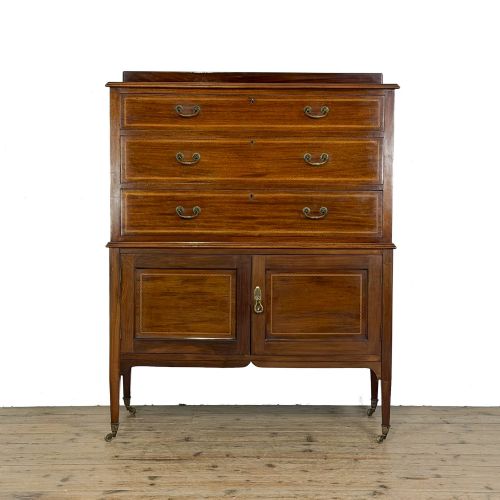
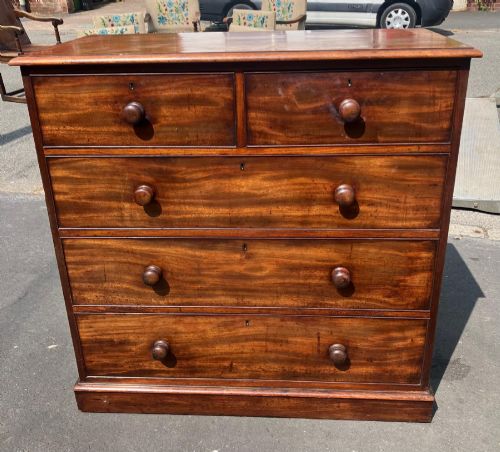
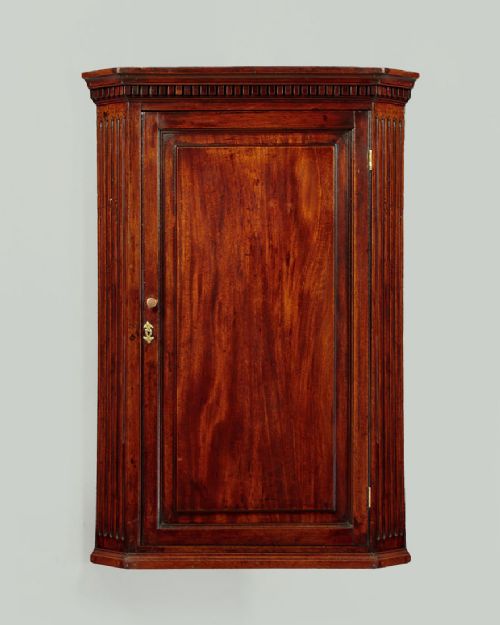
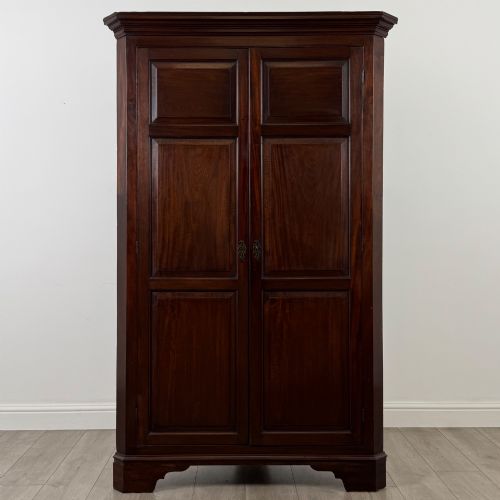
A brown wood storage unit gathers diverse forms from past centuries, offering sturdy utility in oak, mahogany, and walnut.
Brown Wood Storage Unit
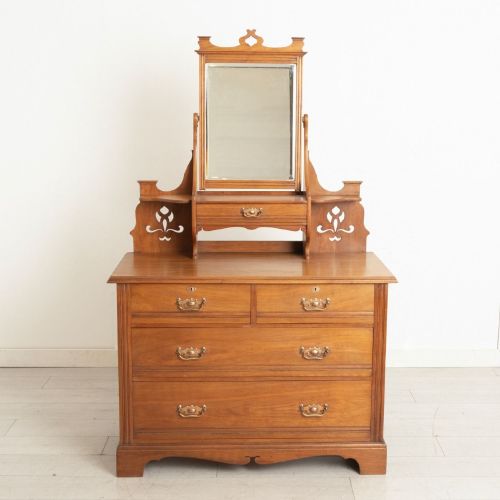
A brown wood storage unit encompasses a practical range of antique forms designed to organise domestic spaces. Pieces span from the 17th century through the 1930s, reflecting changing domestic requirements across generations.
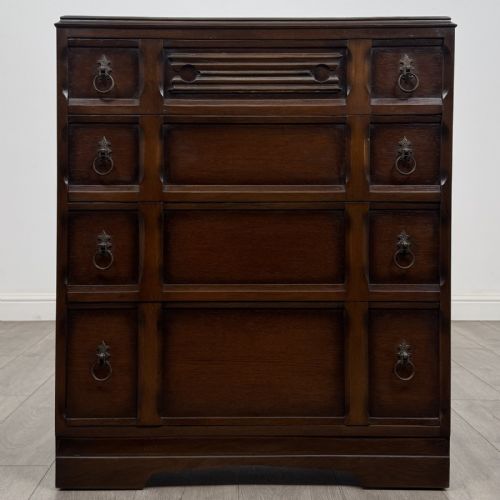
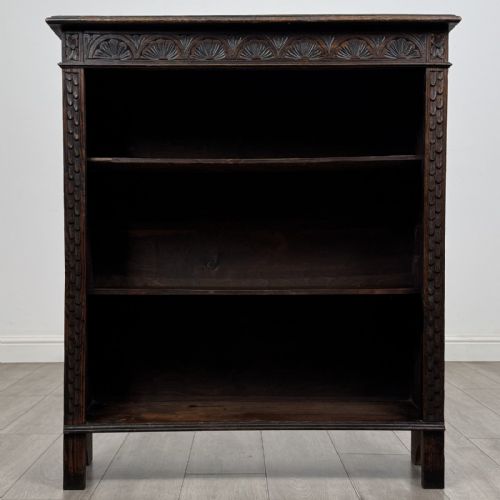
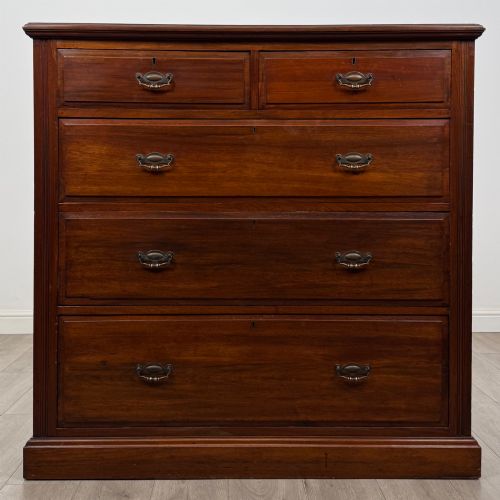
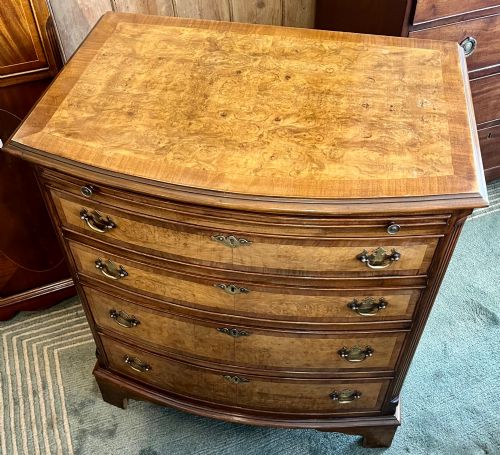
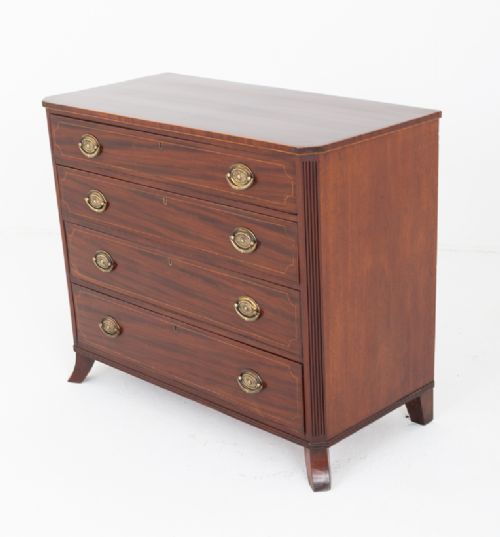
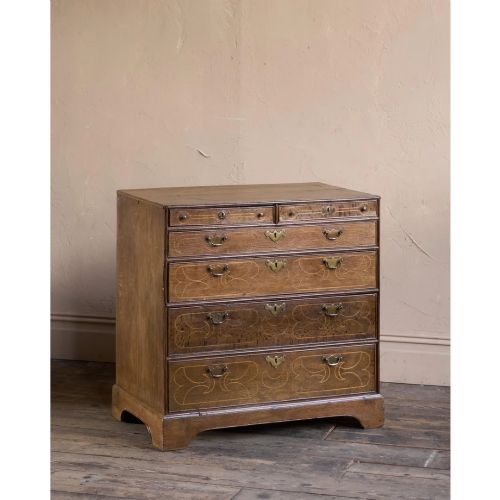
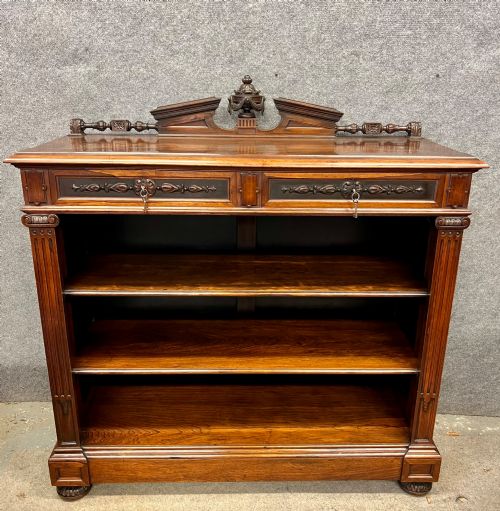
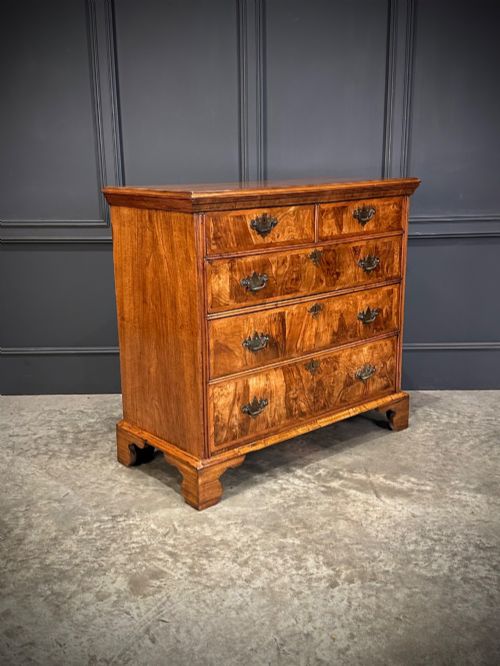
The selection on this page frequently takes the shape of chests of drawers, bookcases, and corner cabinets. Buyers encounter both vernacular pine and formal mahogany examples originating from British and international workshops.
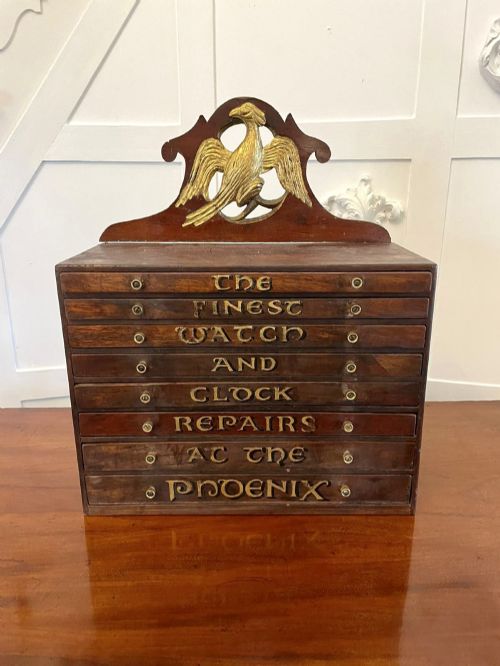
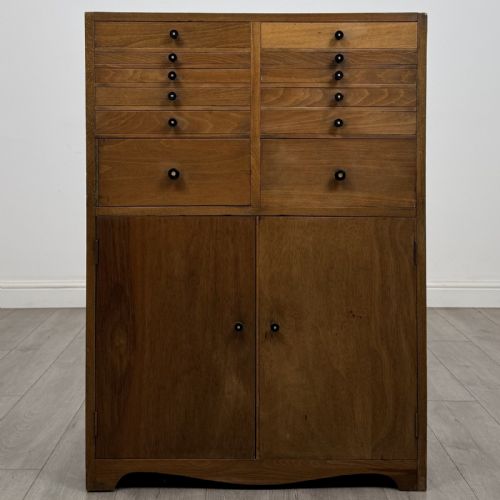
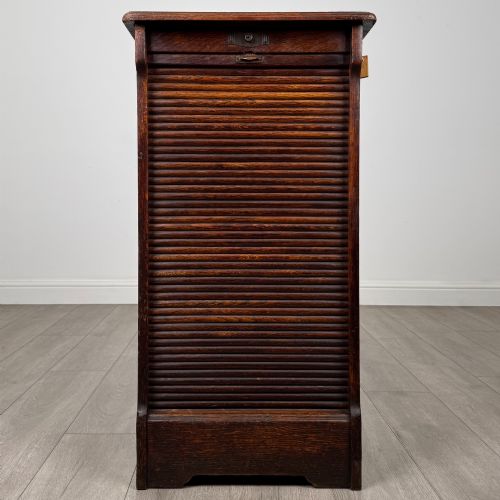
Specialised storage also appears, including shop drawer banks, tambour cabinets, and letter files. These functional items demonstrate how historical interiors accommodated specific trades and paperwork.
Materials and Construction
Cabinetmakers utilised solid timbers and decorative veneers such as burr walnut, oak, and mahogany to build durable carcases. Brass hardware, including handles and key escutcheons, provides functional contrast to the dark wood surfaces.
Construction techniques involve traditional joinery methods suited to each period, from Georgian dovetailed drawer boxes to Edwardian tambour mechanisms. Selected pieces incorporate carved detailing, raised galleries, or inlaid stringing to enrich the plain timber.
Brown Wood Storage Unit Retail Price Guide 2026
Typical asking prices for brown wood storage unit among the pieces listed under this phrase on Sellingantiques today, from the lower quarter to the upper quarter. They describe what is for sale here now, not the wider market.
Storage forms range from 17th-century oak chests to 1930s school cupboards and specialist watch repairer cabinets.
Evaluating Craftsmanship
Quality reveals itself in the selection of timber figures, such as flame mahogany or burr walnut, and the precision of the drawer joints. Superior examples maintain original brasses, smooth-running drawers, and well-fitted doors without modern alterations.
The integrity of the structural joinery and the finish of secondary woods distinguish standard utility furniture from finer commission pieces. Well-executed carving and balanced proportions indicate the skill of the original workshop.
Shapland and Petter
The Brown Wood Storage Unit Glossary
- Tambour
- A flexible shutter door formed of narrow strips of wood glued to canvas, allowing access to fitted interior shelving.
- Graduated drawers
- A vertical sequence of drawers decreasing in depth from bottom to top, commonly seen in tall chests.
- Scumbled pine
- A paint technique applied to softwood to imitate the grain and rich colour of more expensive hardwood timbers.
- Raised gallery
- A low decorative upstand fixed along the top rear edge of a chest of drawers or dressing table.
- Kaidan tansu
- A traditional Japanese step chest designed for storage and access to loft spaces in multi-level dwellings.
Brown Wood Storage Unit: Frequently Asked Questions
How do I date a brown wood storage unit?
Dating relies on observing construction traits, timber choices, and overall design motifs associated with specific centuries or reigns. Drawer linings, handle styles, and backboards offer reliable clues to the decade of manufacture.
Examining secondary timbers like pine or oak hidden inside provides further evidence of origin. Comparing these physical details against known period styles helps narrow down the age accurately.
Where should I place a corner cabinet?
A corner cupboard is designed to fit snugly into unused room junctions, making efficient use of awkward architectural spaces. Floor-standing and wall-mounted variants both serve to display glassware or store tableware away from main traffic routes.
Measuring the wall angle and height ensures the piece sits flush against both surfaces without obstructing skirting boards or cornices. These units work particularly well in dining rooms and drawing rooms.
Are these units suitable for modern clothes storage?
Antique chests of drawers and cabinets provide deep, solid timber compartments well-suited to contemporary wardrobes. Checking internal drawer dimensions ensures modern folded garments fit comfortably within the historical layout.
Maintaining stable humidity levels in the room prevents timber expansion and keeps the traditional drawer runners operating smoothly. Lining the bases with conservation paper protects delicate fabrics from older wood finishes.
How do I care for antique timber surfaces?
Preserving the finish requires regular dusting with a soft, dry cloth and avoiding modern silicone-based polishes. Applying traditional beeswax periodically nourishes the wood and maintains a natural, soft sheen.
Keeping pieces away from direct heat sources and strong sunlight prevents the timber from drying out or splitting. Gentle care ensures the original polish survives intact for future generations to appreciate.