

Brown Wood Relief
Brown wood relief pieces bring tactile depth and historic character to interiors, offering intricate carved scenes in oak, walnut, and teak.
Brown Wood Relief
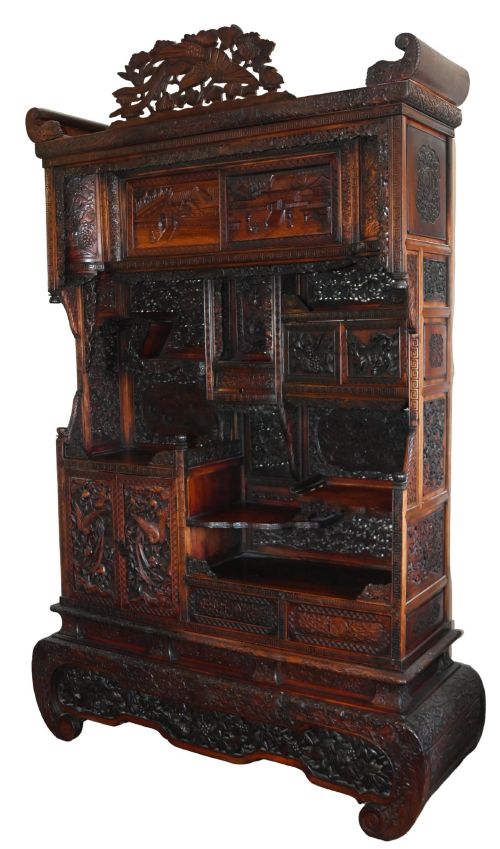
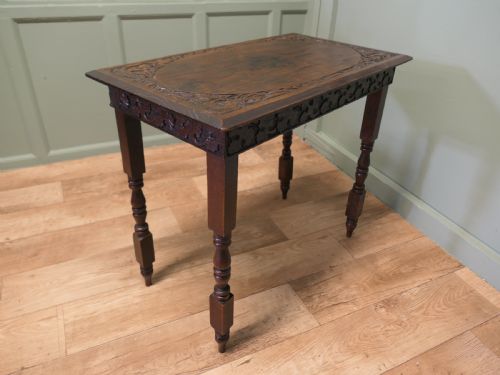
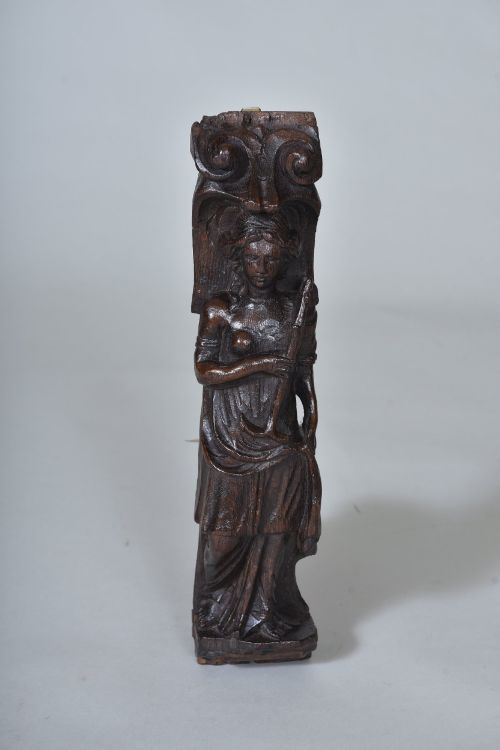
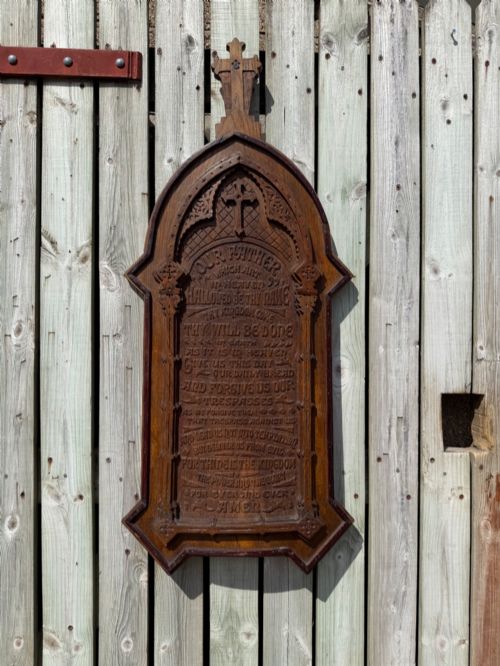
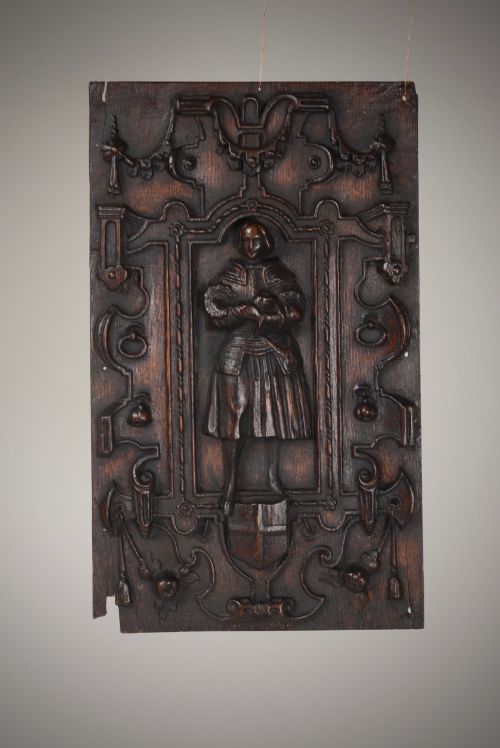
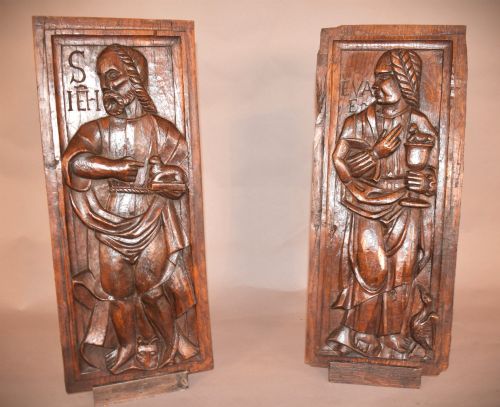
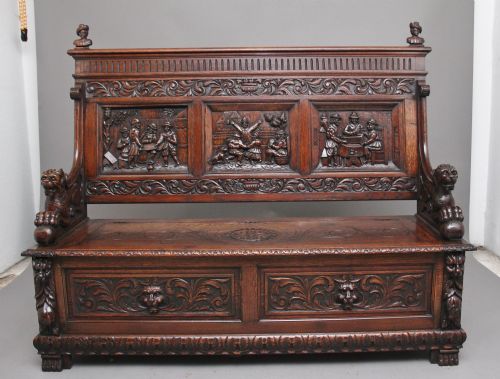
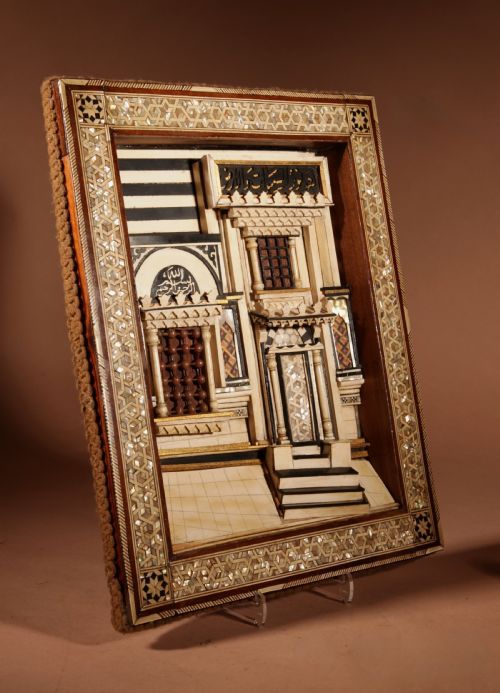
When you search for brown wood relief, you encounter architectural fragments, wall panels, and decorative plaques shaped from timber. These pieces span from the sixteenth century through the early twentieth century, showing global traditions from European Gothic Revival to Chinese export workshops.
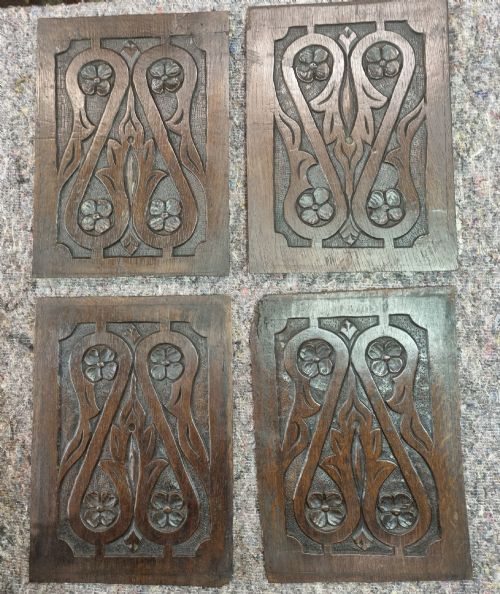
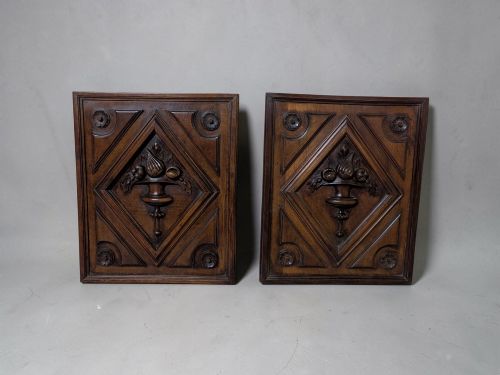
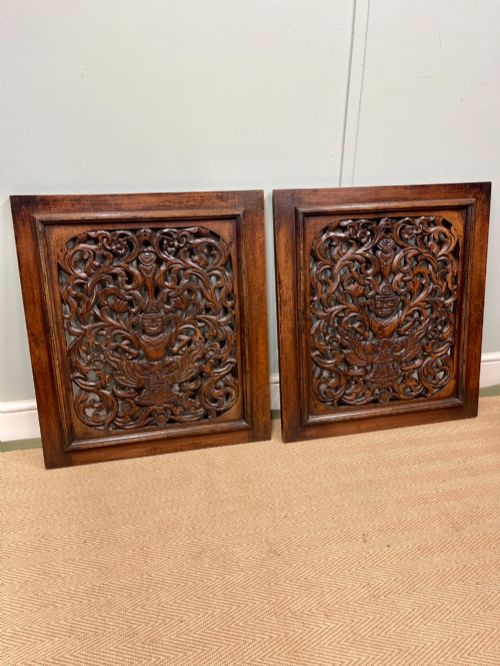
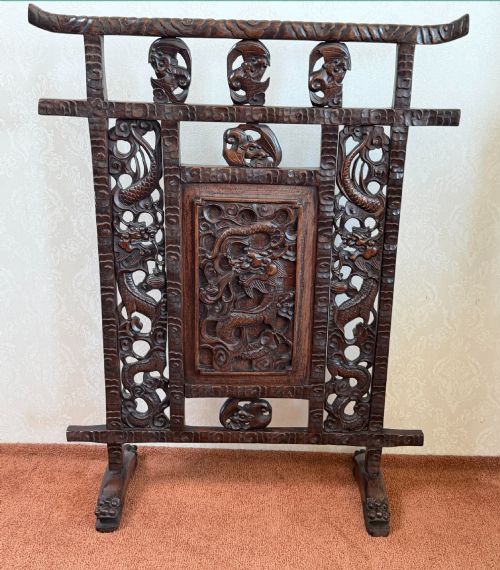
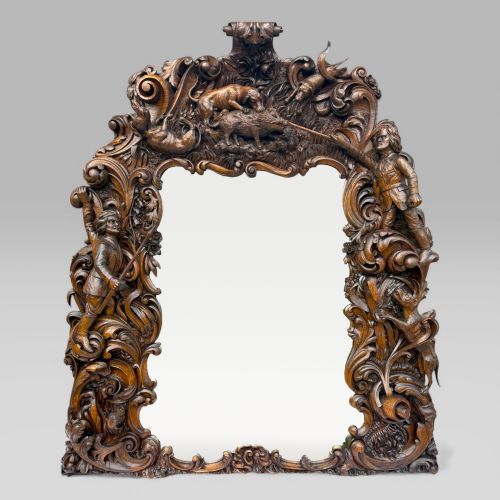
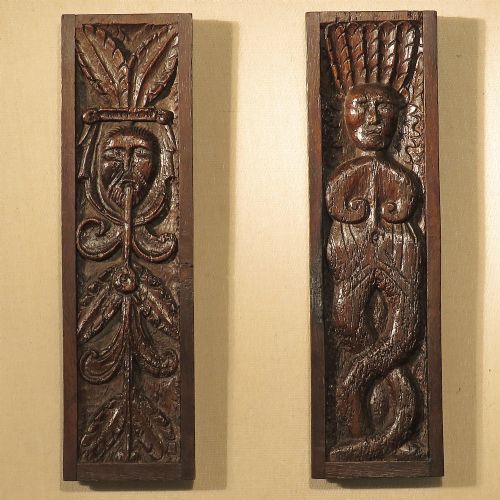
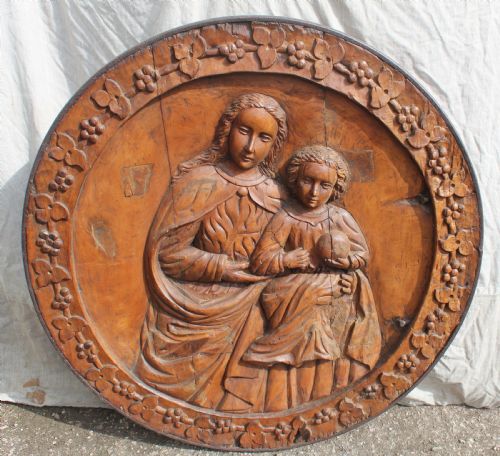
The most common forms on this page are carved wall panels and plaques rendered in dark hardwoods and oak. Subjects range from religious iconography and mythological figures to natural motifs such as water plants and hunting scenes.
Materials and Carving Techniques
Craftsmen utilised dense timbers including oak, walnut, teak, camphor wood, and general hardwoods to achieve sharp detail in relief work. These woods provided the structural stability required for deep undercutting and intricate pierced carving.
Makers employed hand chisels and gouges to shape the timber, leaving tool marks that evidence manual production. Surface finishes typically rely on traditional wax polishes to nourish the grain and protect the carved elements.
Brown Wood Relief Retail Price Guide 2026
Typical asking prices for brown wood relief among the pieces listed under this phrase on Sellingantiques today, from the lower quarter to the upper quarter. They describe what is for sale here now, not the wider market.
Listings feature woods such as oak, walnut, teak, and camphor wood across centuries spanning the sixteenth to the twentieth.
Factors That Distinguish Quality
Depth of carving and clarity of execution dictate the visual success of a relief panel. Superior examples display high undercut work where figures detach distinctly from the background plane, creating dramatic play of light and shadow.
The anatomical precision of human and animal forms, alongside the crispness of acanthus leaves and geometric borders, separates master carvers from routine workshop production. Integration with the surrounding timber grain also marks a superior object.
Edward Pearce
The Brown Wood Relief Glossary
- Relief
- A sculptural technique where elements remain attached to a solid background of the same material. High relief projects significantly from the surface, whilst low relief stays flatter.
- Linenfold
- A style of wood panel carving popular in the Tudor period representing folded parchment or linen. It creates rhythmic vertical folds across rectangular oak boards.
- Acanthus
- A decorative foliage motif modelled on the leaves of the Mediterranean plant, heavily utilised in Baroque and Renaissance revival carving. It curls gracefully around architectural borders.
- Overmantle
- A decorative panel, mirror, or carving designed to sit permanently above a fireplace mantelpiece. These pieces often anchor the decorative scheme of a historic room.
Brown Wood Relief: Frequently Asked Questions
How were wood relief panels used originally?
Historic wood relief panels served primarily as architectural wall linings, cabinet doors, and overmantles within domestic and ecclesiastical interiors. They provided insulation alongside visual display of wealth and narrative subjects.
Over centuries, many panels became detached from their original structures to function as standalone wall art or decorative plaques. Collectors today mount them directly onto walls to preserve their sculptural qualities.
How do I care for antique wood relief?
Maintenance requires stable indoor humidity and protection from direct sunlight to prevent timber shrinkage and splitting. Dusting with a soft, dry brush keeps the recessed carving clean without abrasive contact.
Applying a microcrystalline wax periodically nourishes the wood grain and maintains the surface sheen. Avoid liquid polishes and silicone sprays which build up residues within the carved cavities.
How can I tell the period of a carved panel?
Dating relies on stylistic markers, such as Renaissance strapwork, Baroque acanthus leaves, or Gothic tracery, combined with timber species and tool marks. Tool evidence from hand adzes and early saws contrasts sharply with later mechanical milling.
Secondary timber framing, peg construction, and panel shrinkage patterns further indicate age. Comparing the carving depth and subject matter against documented period pieces confirms the timeline.
What is the difference between oak and camphor wood panels?
Oak panels typically originate from European workshops and feature deep, dark patination associated with traditional ecclesiastical and domestic architecture. The timber takes crisp geometric and figural carving very well.
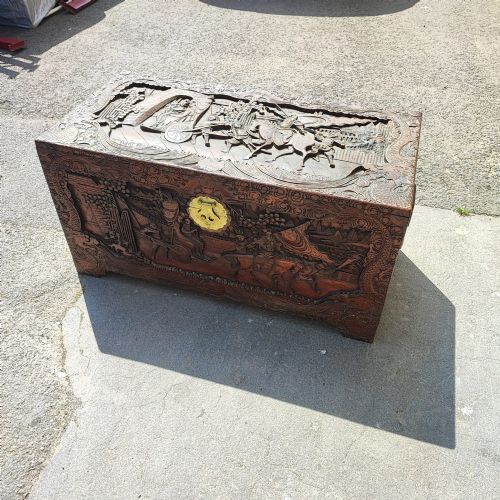
Camphor wood pieces often derive from Asian export production and display distinct aromatic qualities alongside lighter, warm reddish-brown tones. They frequently feature intricate maritime or floral motifs carved for storage chests and trunks.