

Brown Wood Relief Panel
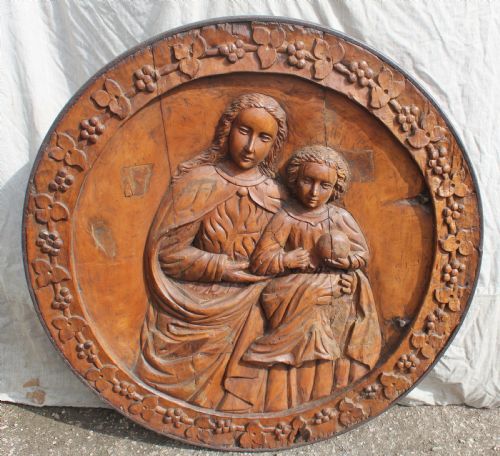
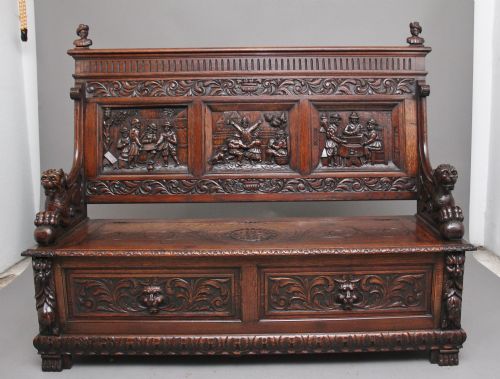
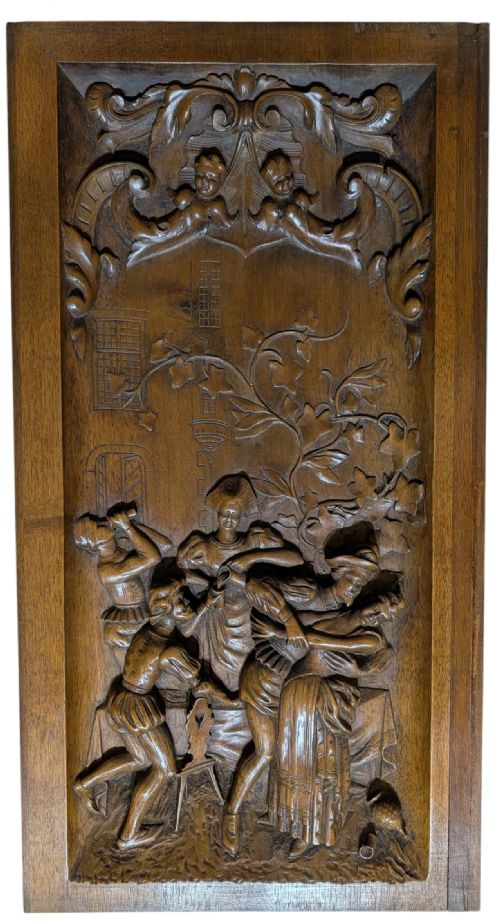
A brown wood relief panel brings tactile depth and centuries of hand carving directly to a wall, offering rich historical character for a room.
Brown Wood Relief Panel
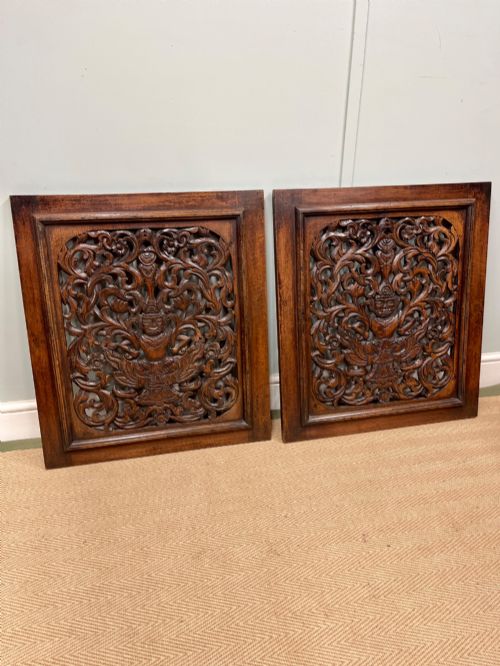
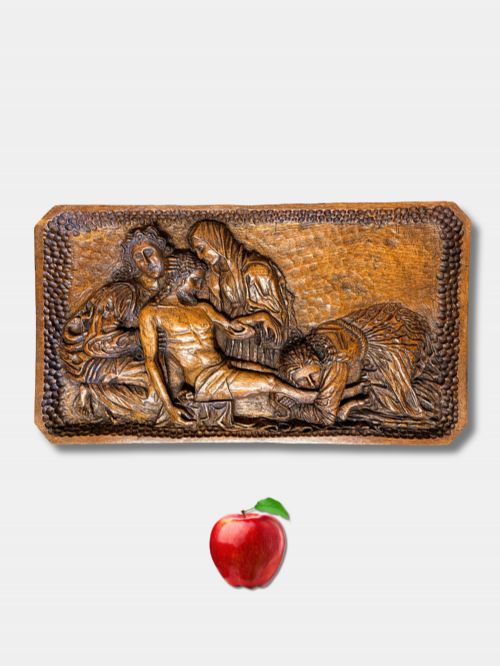
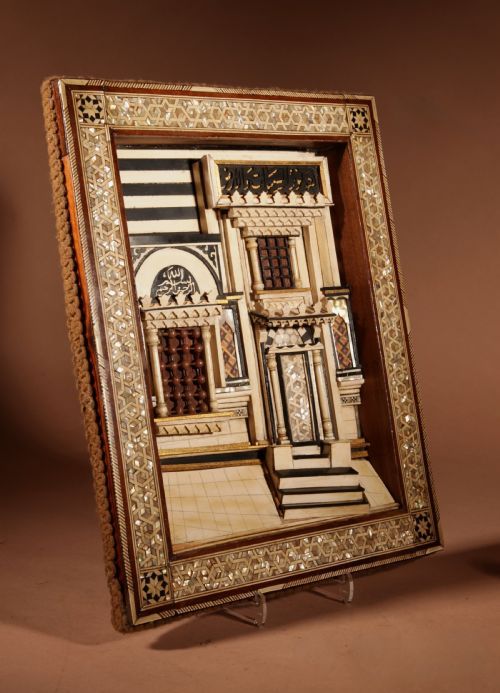
A brown wood relief panel represents architectural salvage, wall art, and figurative sculpture carved from timber across many centuries. When searching for a brown wood relief panel, buyers encounter wall plaques, architectural carvings, and framed displays originating from diverse global traditions.
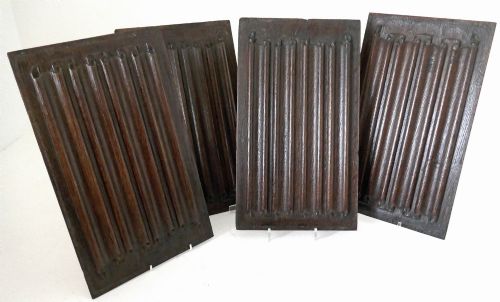
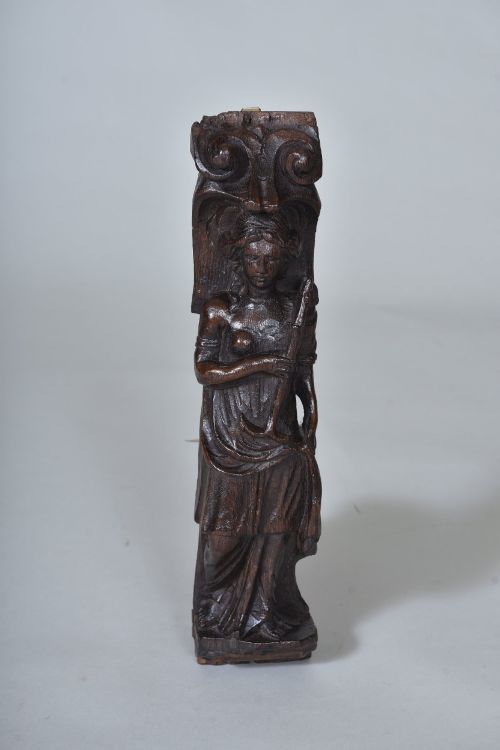
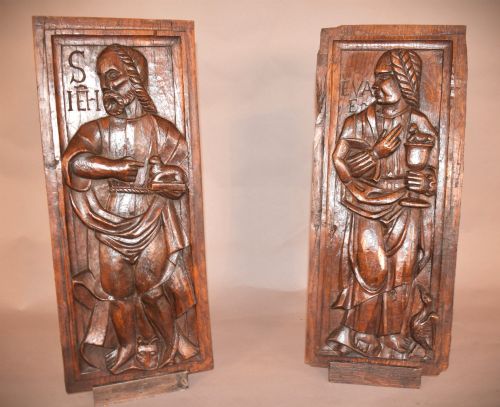
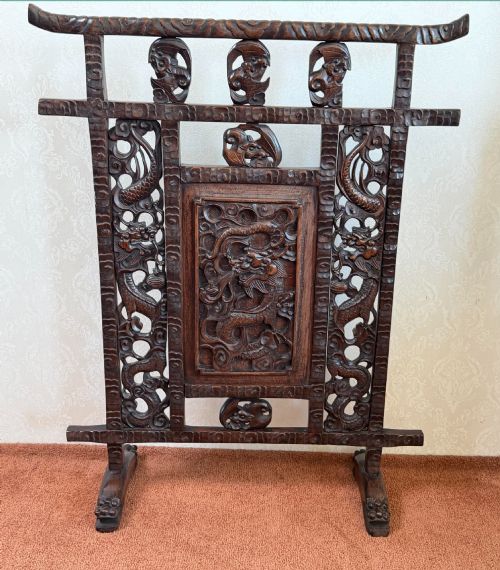
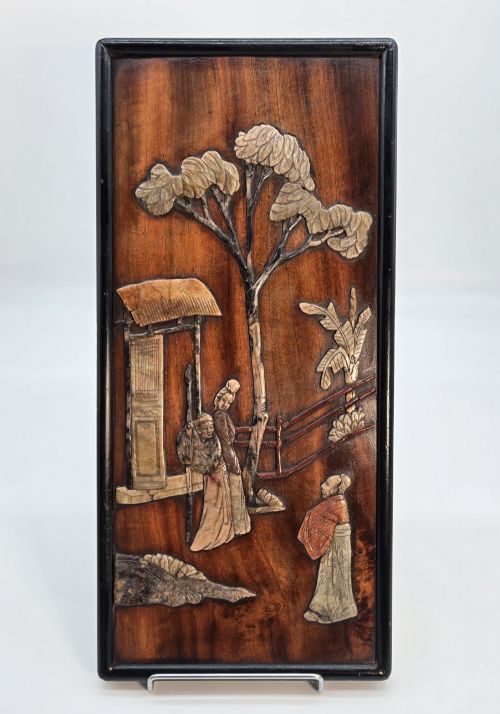
The selections span from sixteenth century linenfold and seventeenth century baroque church fragments to nineteenth century Chinese hardwood screens and Indian Raj period carvings. Oak, walnut, teak, chestnut, and hardwood form the primary foundation of these sculptural items.
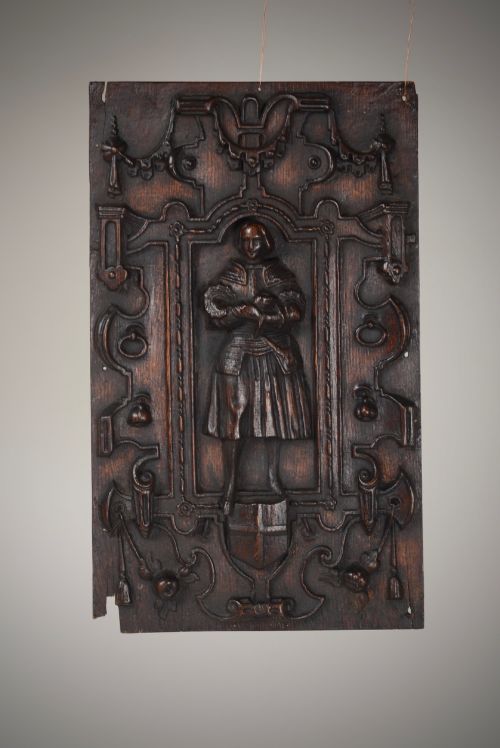
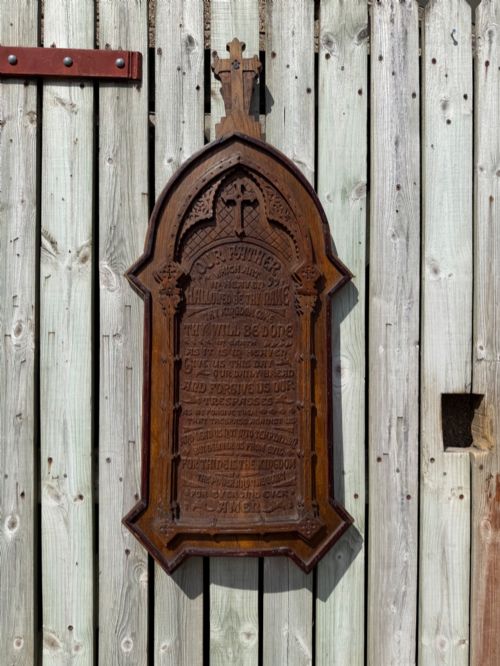
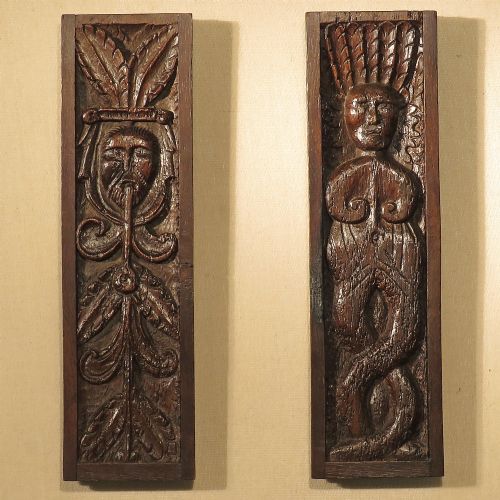
Wall panels and architectural fragments appear frequently alongside figural plaques depicting biblical scenes, armorial crests, and botanical motifs. These pieces function primarily as wall hangings or integrated architectural elements within traditional interiors.
Materials and construction
Carpenters and sculptors utilised traditional hand tools to carve dense timbers like oak, walnut, teak, and chestnut into deep pictorial reliefs. These materials provided the structural stability required for intricate undercutting and detailed surface enrichment.
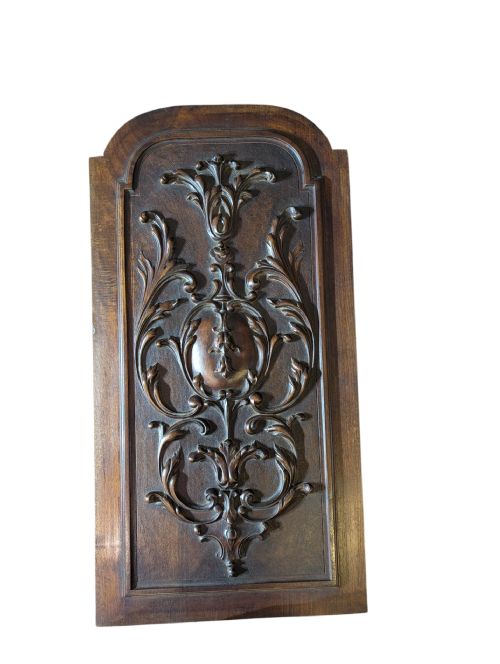
Makers employed methods ranging from flat linenfold folding to pierced acanthus foliage and deep figurative sculptural carving. Timber selection dictated the depth of the relief work, allowing artisans to achieve high levels of three dimensional detail in hardwoods.
A stoic sixteenth century wooden serpent panel hides among the saints and armorial crests.
Factors of quality
The distinction between ordinary workshop output and superior artistry rests upon the crispness of the chisel work and the depth of the carving. Master carvers achieved naturalistic movement in figures and foliage, whereas lesser examples remain stiff and shallow.
Preservation of the original timber surface and the integrity of the relief sculpture dictate the overall distinction of the piece. Untouched patination and masterly anatomical or architectural proportions separate exceptional historical carvings from standard decorative elements.
Edward Pearce
The Brown Wood Relief Panel Glossary
- Relief
- Sculpture in which figures project from a flat background. This technique defines the primary visual characteristic of wall plaques and architectural panels.
- Linenfold
- A style of wood carving representing folded linen or parchment. It appears frequently on sixteenth century panels.
- Acanthus
- A sculptural ornamentation based on the leaves of the acanthus plant. Baroque panels utilise this foliage motif extensively in pierced scrollwork.
- Armorial
- Relating to heraldry or family crests. Carved armorial plaques display ancestral coats of arms and lineages.
- Green Man
- A sculpture of a face surrounded by or made from leaves and vines. These traditional motifs appear on early wooden architectural carvings.
Brown Wood Relief Panel: Frequently Asked Questions
How do I hang a heavy wooden panel?
Heavy wooden panels require secure wall anchors and robust metal brackets screwed directly into solid masonry or wall studs. Professional installation ensures the substantial weight of dense hardwoods is safely supported.
Ensure the hanging wire or integrated mounting hardware matches the specific weight and dimensions of the carved plaque. Regular inspection of the wall fixings prevents accidental shifting over time.
Where were these panels originally displayed?
These carved works originated as architectural elements within churches, stately homes, and public buildings. Many formed parts of decorative wall wainscoting, choir stalls, or domestic furniture.
Over the centuries, individual sections were removed from their original settings to be preserved and displayed as standalone works of art.
How do I clean an antique wood carving?
Dust antique wood carvings gently using a dry, soft bristle brush or a clean microfibre cloth. Avoid applying water, modern polishes, or chemical cleaners that can damage the historical wax or dry the timber.
Maintaining a stable indoor humidity level protects the wood from cracking or warping. Gentle care preserves the original patina developed over centuries of handling.
How can I tell the period of a panel?
Dating relies upon examining the tooling marks, timber species, stylistic motifs, and construction methods. Sixteenth and seventeenth century pieces typically exhibit hand adze marks and distinct period iconography such as linenfold or baroque acanthus leaves.
Comparing the carving style and wood preparation against documented historical examples confirms the likely era of origin. Expert examination of joint construction provides further chronological clues.