



Brown Wood Painting Stand
These brown wood painting stand options include artist studio equipment and display pieces crafted from mahogany, oak, and pine across several periods.
Brown Wood Painting Stand
When searching for a brown wood painting stand, buyers typically encounter studio furniture such as fully adjustable oak artist studio easels and related display items from the nineteenth century. These sturdy wooden supports were built to hold canvases and artwork securely during the creative process.
Materials and construction methods
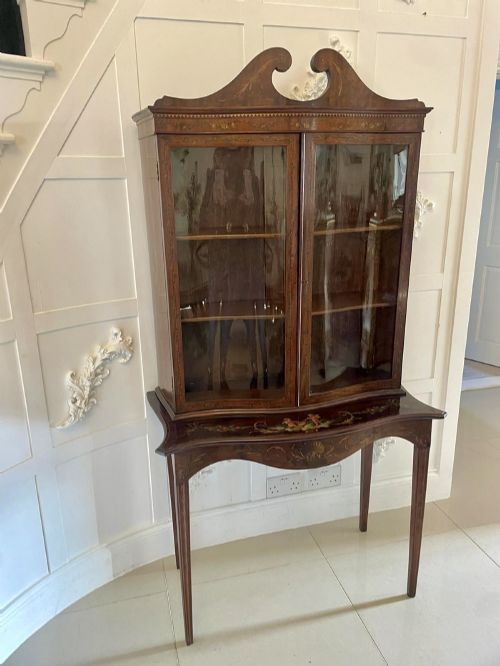
Cabinetmakers and joiners utilised solid hardwoods like mahogany and oak alongside pine, employing traditional joinery and turning techniques. Brass fittings and glass elements appear alongside painted decoration and grain painted surfaces to finish the pieces.
Makers constructed structural frames to withstand heavy studio use, incorporating adjustable mechanisms in pieces like artist easels. Surface treatments vary from natural polished wood to applied paint and lacquer.
One nineteenth-century studio item even accommodates an integrated swan design.
Distinctions in quality
Quality rests upon the selection of timber, such as figured mahogany or sturdy oak, and the integrity of the original construction. Well-executed mechanical adjustments on studio equipment demonstrate superior workshop practice.
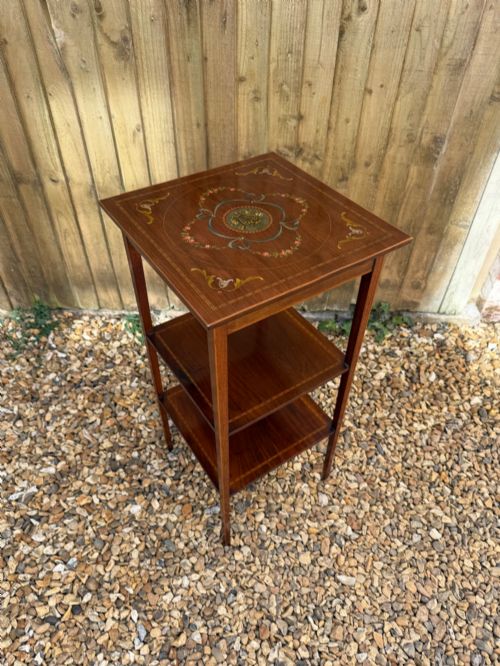
The sophistication of decorative details, including hand-painted elements, marquetry, and brass hardware, separates standard utility items from finer examples. Preservation of original surface finishes significantly influences the character of each piece.
The Brown Wood Painting Stand Glossary
- Etagere
- An open tiered piece of furniture used for displaying small objects or books. These light stands often feature multiple shelves supported by slender columns.
- Longcase clock
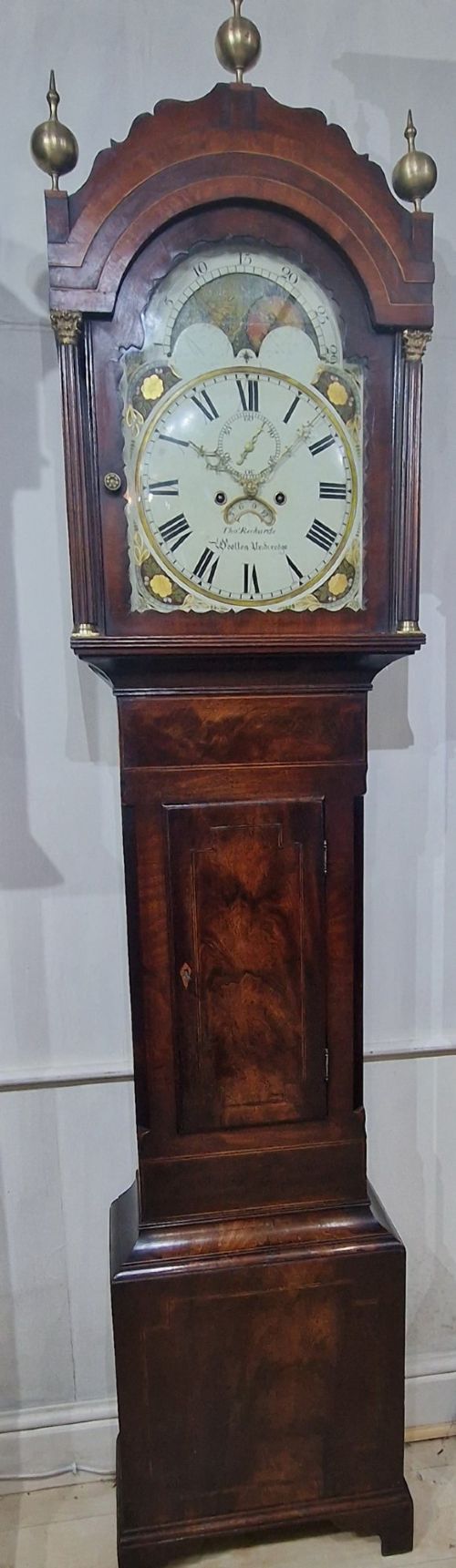
- A tall pendulum clock enclosed in a wooden case standing upon the floor. Often constructed in oak or mahogany, these timepieces frequently feature painted dials.
- Grain painted
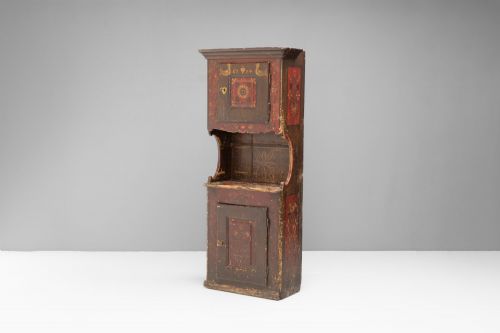
- A decorative surface treatment where common pine or other timbers are painted to imitate the appearance of more expensive figured woods. This technique was widely utilised during the nineteenth century.
- Inlay
- A decorative method where pieces of contrasting wood or other materials are inserted into recesses within a solid timber surface to form patterns.
Brown Wood Painting Stand: Frequently Asked Questions
What is an artist studio easel?
An artist studio easel is a robust wooden stand designed to support large canvases during painting. These pieces often include mechanical adjustments for height and angle.
They were built for practical use in professional workshops and studios, utilising durable timbers like oak to sustain heavy workloads.
How do I care for wooden stands?
Wooden stands require stable room humidity and protection from direct sunlight to prevent timber splitting or fading. Regular dusting with a soft cloth maintains the polished surface.
Avoid placing wet items directly on antique wood finishes to protect the original polish and paintwork.
Are these stands adjustable?
Certain studio equipment pieces, specifically artist easels from the nineteenth century, feature fully adjustable mechanisms. These allow painters to alter the height and tilt of the work surface.
Other display stands and cabinets remain fixed in their architectural form, designed primarily for presentation rather than active studio work.
What woods were commonly used?
Makers frequently utilised mahogany and oak for their structural strength and attractive grain patterns. Pine also appears, often serving as a base for grain painting or applied finishes.
Brass fittings and glass components frequently accompany these timbers in display cabinets and functional stands.