

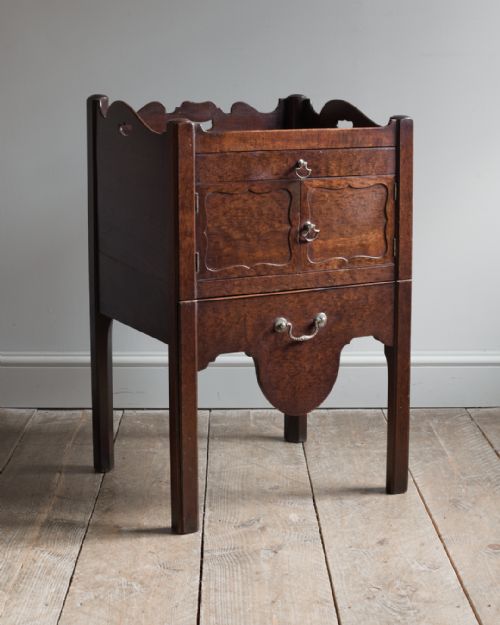
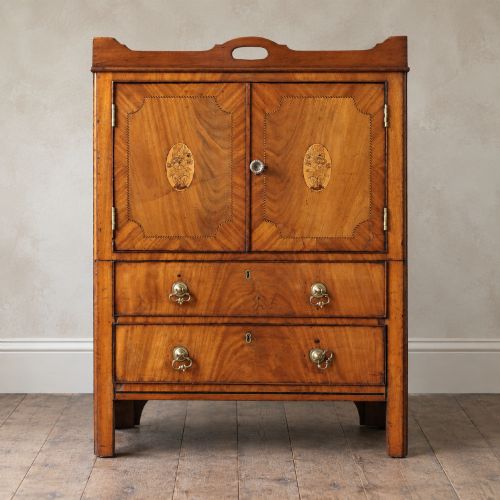
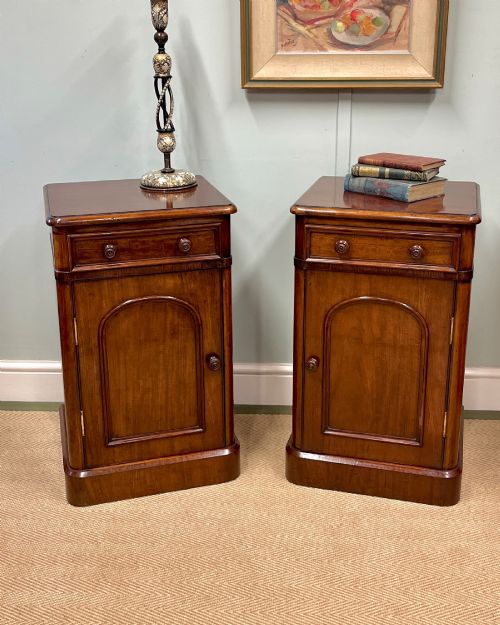
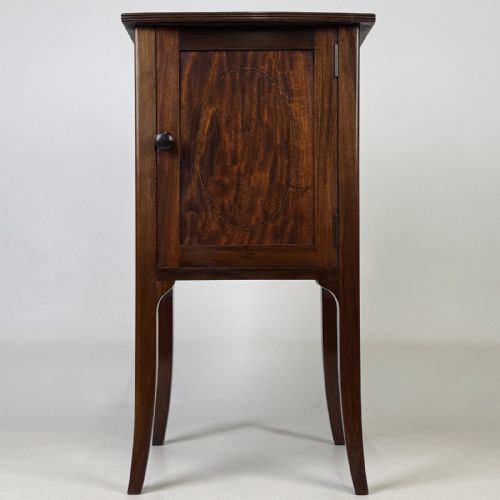
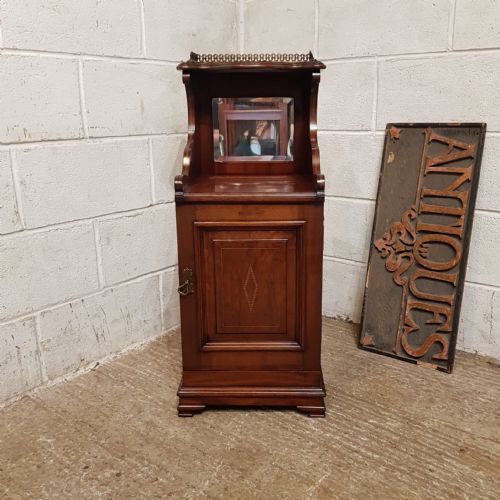


Brown Wood Night Table
A brown wood night table brings practical timber warmth and period character right to the bedside.
Brown Wood Night Table
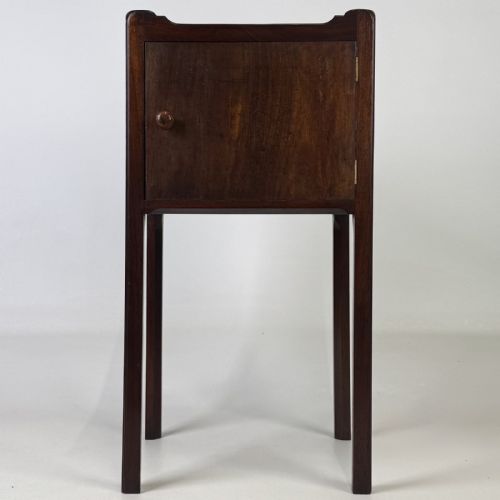
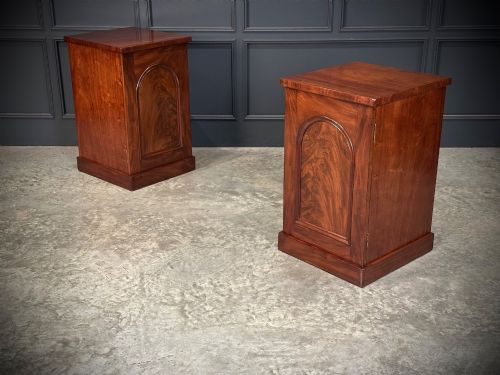
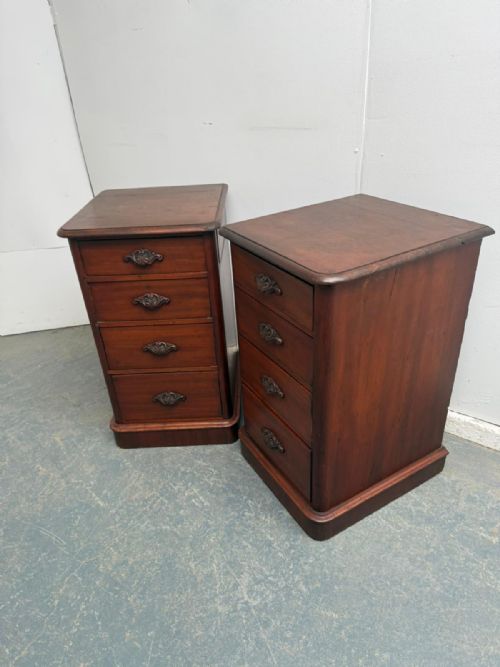
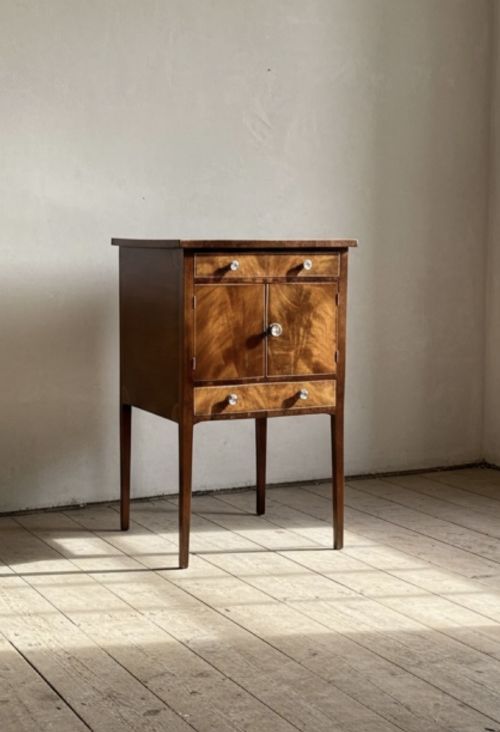
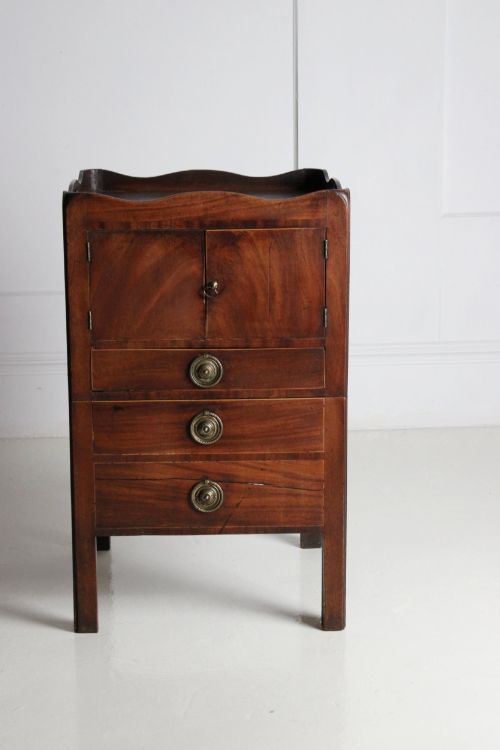
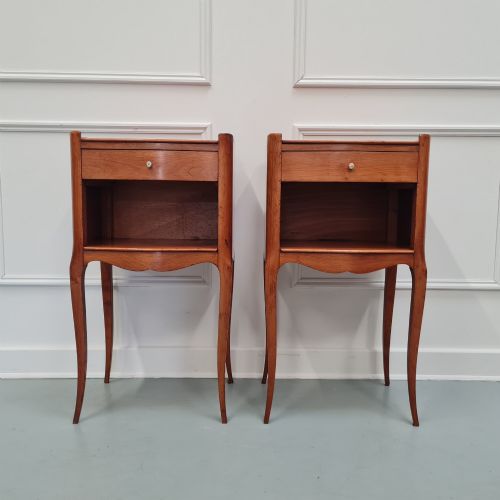
Mahogany forms the backbone of these pieces, appearing frequently in Georgian and Victorian iterations alongside walnut, cherry wood, and satinwood. Buyers encounter everything from simple nineteenth-century side tables to elaborate tray top commodes and French provincial cabinets.
Materials and Construction
Cabinet makers utilised solid mahogany, walnut, and cherry wood, often applying flame mahogany or burr walnut veneers to curved and flat surfaces alike. Secondary timbers provide structural stability within drawers and carcass frames.
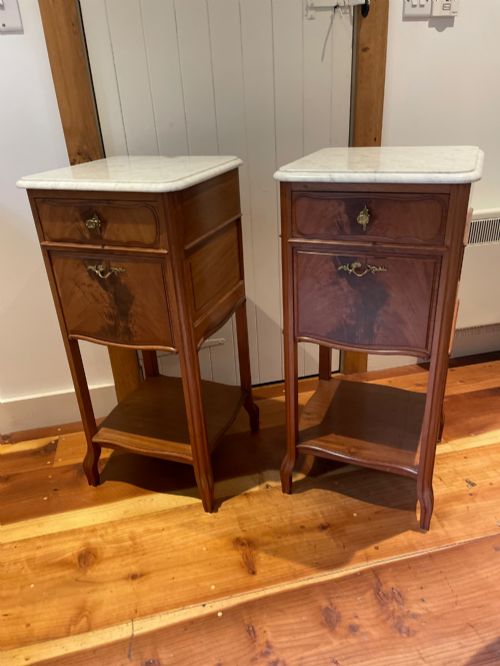
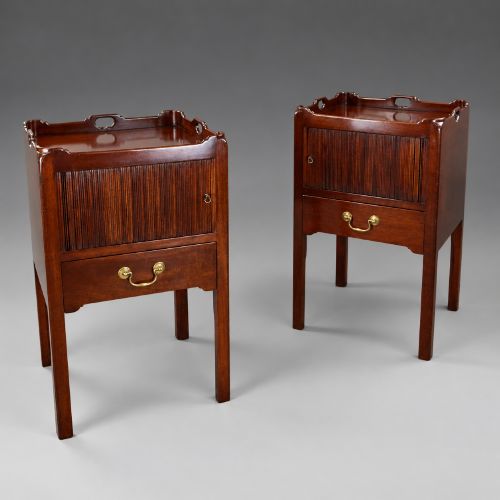
Decorative elements involve intricate marquetry, parquetry inlay, brass handles, tambour doors, and occasionally marble tops. Joinery methods suit the specific period, ranging from pegged eighteenth-century frames to twentieth-century veneered constructions.
Brown Wood Night Table Retail Price Guide 2026
Typical asking prices for brown wood night table among the pieces listed under this phrase on Sellingantiques today, from the lower quarter to the upper quarter. They describe what is for sale here now, not the wider market.
The listings span from the eighteenth century through the Georgian and Victorian eras up to nineteen-thirty Art Deco designs.
Craftsmanship and Proportion
Quality rests upon the selection of timber figures, such as the richness of flame mahogany or burr walnut veneer, balanced against the crispness of inlaid details. Superior examples exhibit harmonious proportions and thoughtful integration of functional compartments like tambour doors or secret drawers.
The integrity of the original construction, including the matching of timber grains across pairs and the preservation of period brass hardware, distinguishes finer specimens from simpler utilitarian counterparts.
The Brown Wood Night Table Glossary
- Commode
- A low cabinet or chest of drawers, often used historically as a bedside night table. Many feature enclosed cupboards or tray tops.
- Tambour
- A sliding door constructed from narrow vertical strips of wood glued to a canvas backing. This mechanism allows access to enclosed cabinet spaces without swinging doors.
- Marquetry
- Decorative veneer patterns formed by fitting together small pieces of wood, shell, or ivory into wood panels. It creates pictorial or geometric surface designs.
- Tray top
- A raised rim surrounding the upper surface of a small table or commode. This design prevents items placed on top from rolling off.
- Flame mahogany
- A cut of mahogany timber displaying a distinctive branching, flame-like grain pattern. Cabinet makers utilised this veneer on prominent drawer fronts and doors.
Brown Wood Night Table: Frequently Asked Questions
What is a brown wood night table?
A brown wood night table is a small bedside furniture piece designed to hold lamps, books, and night-time essentials while offering concealed storage.
These items encompass bedside cabinets, cupboards, commodes, and small chests originating from Georgian, Victorian, and early twentieth-century periods.
How do I date a wooden bedside cabinet?
Dating relies on observing construction methods, timber choices, hardware, and stylistic traits like Georgian bracket feet or Art Deco geometry.
Reference points include period characteristics such as eighteenth-century tray tops or nineteenth-century mahogany veneers.
Are these tables usually found in pairs?
Many listings feature pairs of bedside cabinets, though single tables and matched pairs also appear frequently.
Pairs often originate from Sheraton Revival, French provincial, or mid-twentieth-century workshops where symmetry beside a bed was desired.
What woods were used for these tables?
Makers predominantly employed mahogany, walnut, and cherry wood, often enhancing surfaces with flame mahogany veneer or burr walnut.
Satinwood and brass accents also appear across various periods to provide contrast and decorative detail.