


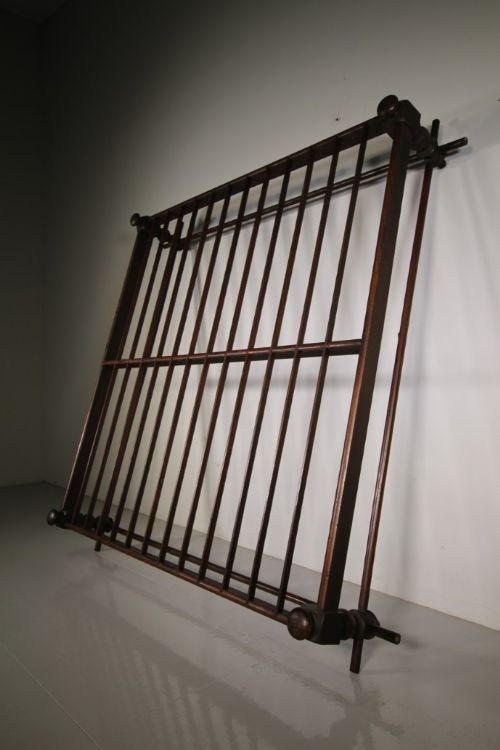


Brown Wood Kitchen Rack
A brown wood kitchen rack brings rustic warmth and enduring utility to any interior, offering both display space and practical storage.
Brown Wood Kitchen Rack
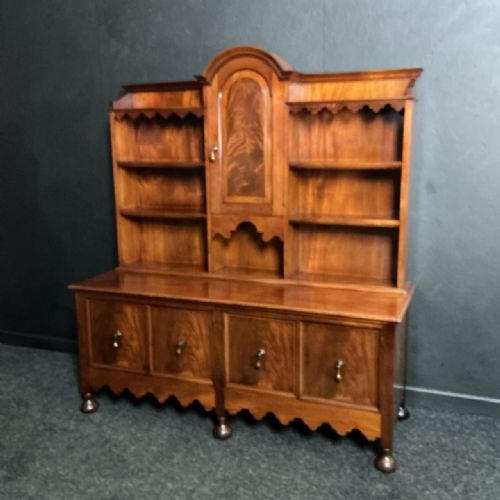
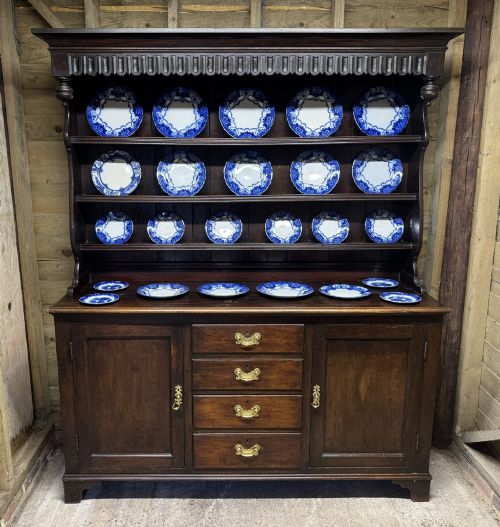
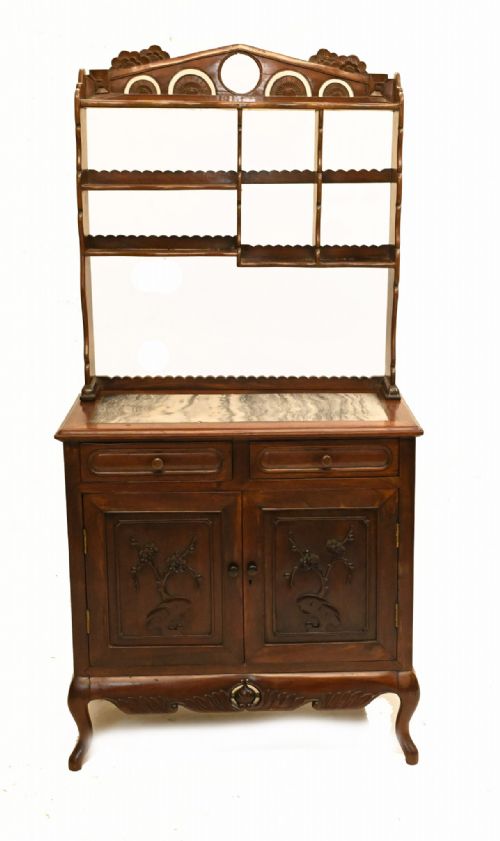
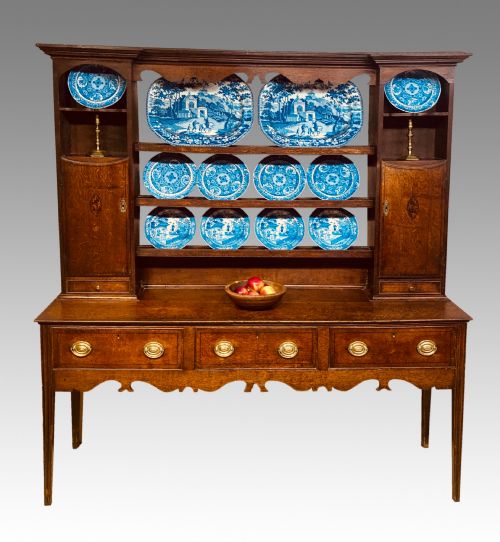
When you search for a brown wood kitchen rack, you encounter a selection of traditional wooden storage furniture spanning multiple centuries. These pieces encompass wall-mounted shelves, hanging racks, and substantial dressers featuring integrated shelving.
The items found here originate from various periods including the eighteenth century, nineteenth century, and early twentieth century. Regional examples range from English country workshops to French provincial kitchens and American colonial settings.
Most pieces on this page utilise durable timbers such as oak, mahogany, and maple, often displaying the natural grain and rich patination developed over decades of domestic use. Formats vary from simple hanging plate racks to large dressers with base cabinets and open top shelves.
How they were made
Cabinetmakers and rural joiners constructed these brown wood kitchen racks using solid timbers such as oak, cherrywood, and walnut, employing traditional jointing methods to ensure structural longevity. Boards were hand-planed and fitted together to withstand the heavy loads of ceramics and kitchenware.
Metal elements including brass and iron appear as hinges, hooks, and hanging brackets, providing necessary functional support for daily use. Surfaces were typically finished with oils, waxes, or shellac to protect the wood while enhancing its natural tone.
Listings feature oak as the predominant timber, accompanied by mahogany, maple, walnut, and cherrywood across eighteenth and nineteenth-century periods.
What varies in quality
The distinction between standard utility items and finer examples lies in the selection of timber and the sophistication of the joinery. Pieces featuring figured timbers like flame mahogany or carefully matched grain patterns demonstrate greater ambition from the maker.
Proportion and decorative detailing also separate pieces within this category, ranging from plain functional boards to items adorned with period mouldings, carved friezes, or shaped aprons.
The Brown Wood Kitchen Rack Glossary
- Dresser
- A piece of furniture comprising storage cupboards or drawers below open shelves designed for displaying plates and kitchenware.
- Hanging rack
- A wall-mounted wooden framework fitted with pegs or shelves specifically for holding culinary items in a kitchen.
- Patina
- The surface sheen and darkening developed on wood over long periods through handling, polishing, and exposure to light.
- Hardwood
- Timber derived from broad-leaved deciduous trees, noted for density and durability in furniture construction.
- Cornice
- The decorative mouldings running around the top edge of a cabinet or dresser superstructure.
Brown Wood Kitchen Rack: Frequently Asked Questions
How were brown wood kitchen racks used originally?
These racks served primarily to store and air-dry ceramic plates, platters, and mugs within busy domestic kitchens. The open shelving allowed everyday tableware to remain accessible while drying after washing.
In larger country houses and farmhouses, plate racks formed an essential part of the kitchen infrastructure. They kept heavy earthenware secure and visible during daily culinary preparation.
Where should I place a kitchen rack at home?
A wall-mounted rack works effectively above a kitchen counter, dining table, or sideboard to display crockery and glassware. Ensure the wall structure can support the weight of both the timber frame and the items placed upon it.
Free-standing dressers with integrated racks suit larger kitchens or dining rooms where they function as focal storage units. Position them away from direct heat sources to protect the historic timber.
How do I care for antique wooden kitchen furniture?
Maintain the timber by dusting regularly with a soft, dry cloth and applying natural beeswax periodically to nourish the surface. Avoid using silicone-based sprays or harsh chemical cleaners that can degrade the finish.
Keep wooden furniture away from damp environments and extreme temperature fluctuations to prevent warping or splitting. Stable indoor conditions preserve the integrity of the antique wood.
How can I tell the age of a wooden rack?
Examine the construction methods, tool marks on the timber, and the type of fixings used in the assembly. Hand-cut joints and irregular board widths often indicate older craftsmanship.
The overall patina and wear patterns around peg holes and plate grooves also provide clues regarding the period of use. Comparing the timber species and style to known historical periods helps narrow down the date.