



Brown Wood Inlaid Mirror
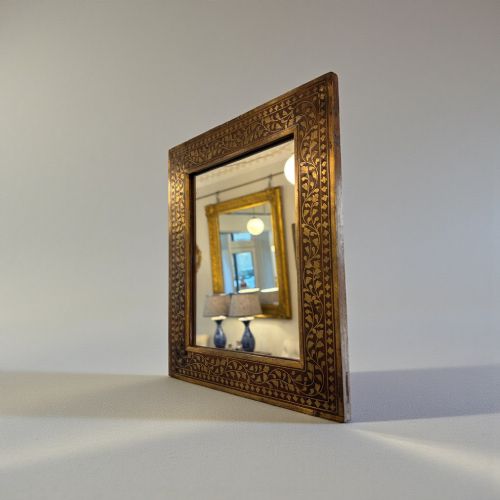
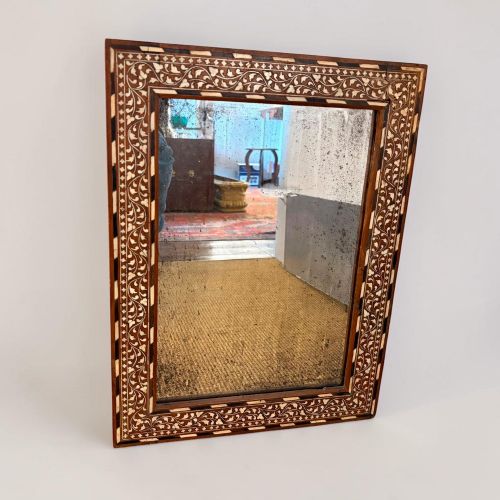
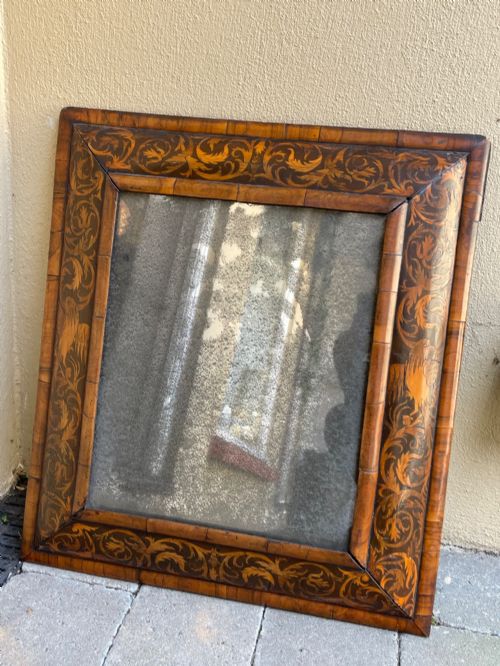
A brown wood inlaid mirror brings warmth and reflective depth to a room through centuries-old cabinet-making traditions.
Brown Wood Inlaid Mirror
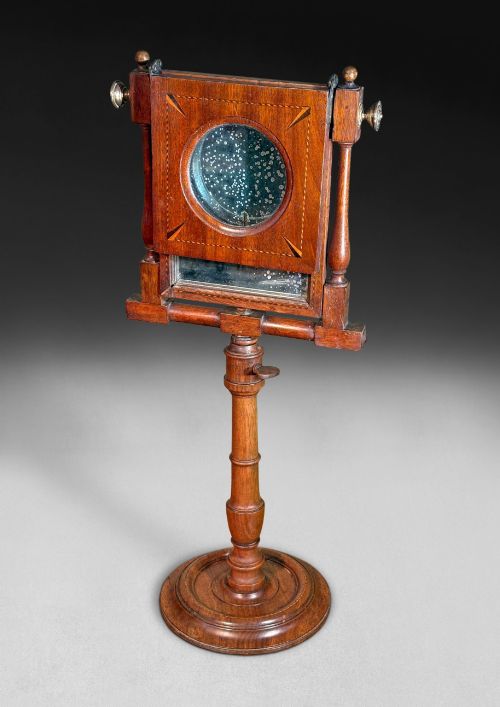
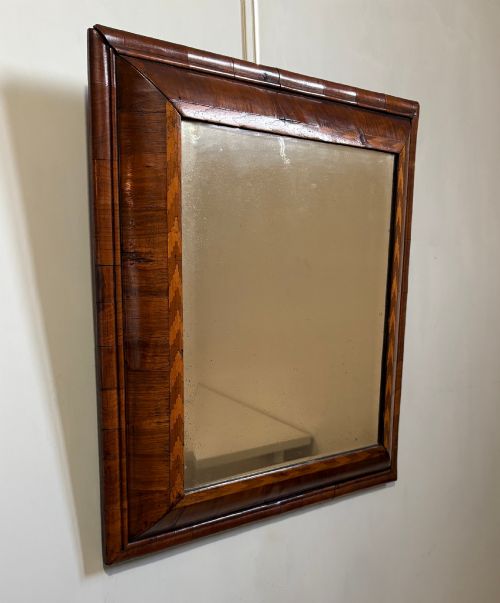
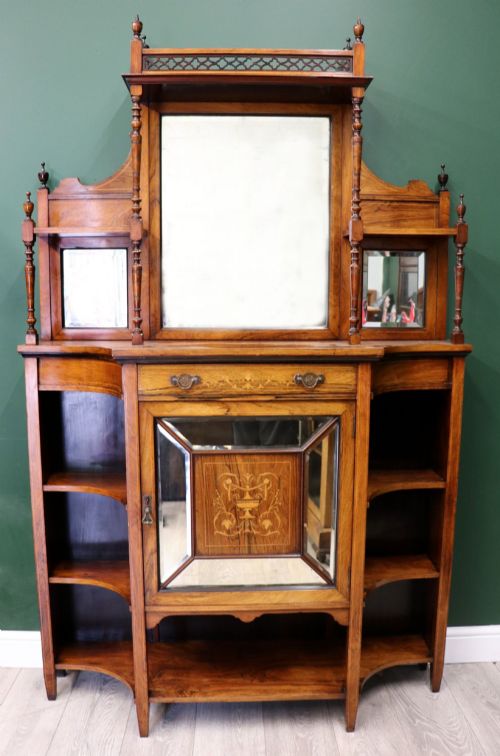
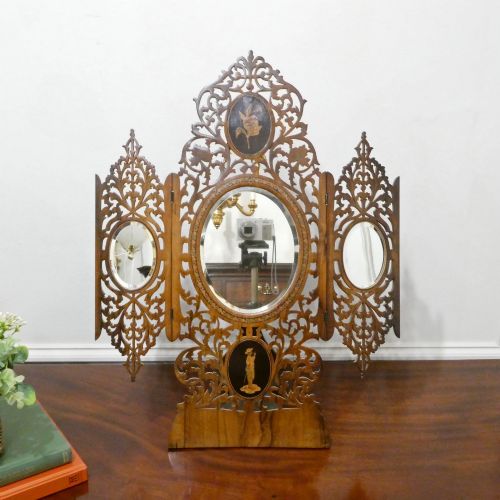
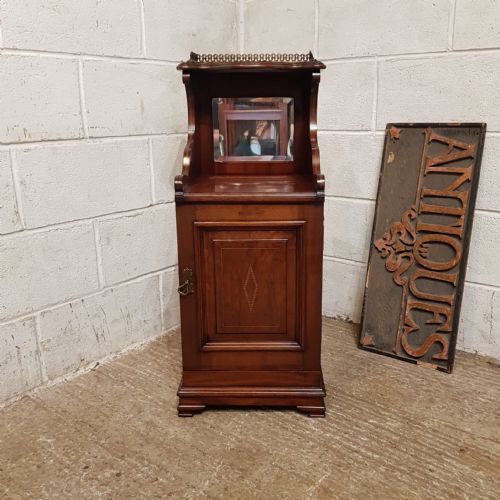
A brown wood inlaid mirror appears in various utilitarian and decorative forms across the centuries, spanning wall mirrors, dressing mirrors, and overmantel mirrors.
The selections on this page draw from the Victorian, Edwardian, and Regency periods, alongside earlier examples reaching back to the seventeen-hundreds.
Makers utilised dense timbers and intricate marquetry to create functional pieces that doubled as ornamental focal points within period interiors.
Assessing Craftsmanship
The standard of a brown wood inlaid mirror rests upon the precision of the joinery and the complexity of the wood inlay or marquetry patterns embedded in the timber.
Superior examples display balanced proportions, rich natural grain variations within woods like burr yew or pollard oak, and well-preserved original mirror glass plates.
Brown Wood Inlaid Mirror Retail Price Guide 2026
Typical asking prices for brown wood inlaid mirror among the pieces listed under this phrase on Sellingantiques today, from the lower quarter to the upper quarter. They describe what is for sale here now, not the wider market.
The listings span multiple centuries, ranging from early seventeen-hundreds William and Mary pieces up to Edwardian and nineteen-hundreds designs.
Collinson & Lock·Edwards & Roberts·Maples & Co
The Brown Wood Inlaid Mirror Glossary
- Marquetry
- Decorative veneer work arranged in pictorial or geometric patterns across the wooden surface. This technique requires precise cutting of various coloured woods to fit flush within the ground timber.
- Overmantel mirror
- A large mirror designed to hang specifically above a fireplace mantelpiece. These pieces often feature extended frames and elaborate crests suited to principal reception rooms.
- Swing mirror
- A tabletop or dressing glass mounted on pivots between two upright supports. This allows the user to tilt the angle of the reflection.
- Cheval mirror
- A freestanding full-length mirror hung in a frame that permits it to swing entirely. The name derives from the French word for horse.
- Satinwood
- A durable, yellowish timber prized for its smooth sheen and used extensively for contrasting inlay work. It provides a bright visual counterpoint to darker woods like mahogany and walnut.
Brown Wood Inlaid Mirror: Frequently Asked Questions
How do I date a brown wood inlaid mirror?
Dating relies upon examining the timber species, the style of the wood inlay, and the construction methods used in the frame. Secondary woods at the back often provide reliable clues to the period.
Mirror glass thickness and bevelling techniques also assist in distinguishing Victorian and Edwardian pieces from older Georgian or seventeen-hundreds examples.
Where should I hang an overmantel mirror?
An overmantel mirror traditionally hangs directly above a fireplace mantelpiece to reflect light and anchor the decorative scheme of a room. Secure fixings are essential given the substantial weight of these timber frames.
Positioning them opposite a window maximises natural illumination across the interior space.
Are dressing mirrors and wall mirrors constructed differently?
Dressing mirrors typically feature pivoting swing mechanisms mounted on a tabletop base or a small chest of drawers. Wall mirrors incorporate fixed hanging brackets attached directly to the main wooden frame.
Both types utilise similar marquetry and inlay techniques on the surrounding timber borders.
What is the difference between mahogany and walnut frames?
Mahogany offers a dense, reddish-brown grain that accepts crisp carving and sharp inlay lines. Walnut presents a darker, highly figured surface often enhanced by burr patterns.
Both timbers tolerate intricate woodworking, though walnut frequently appears in earlier decorative contexts.