
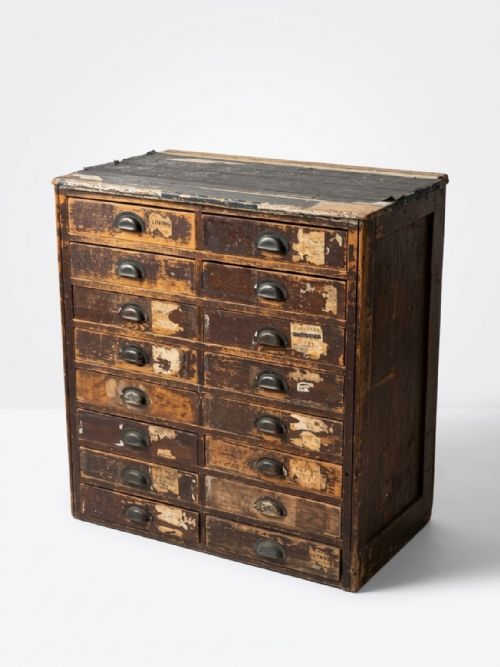
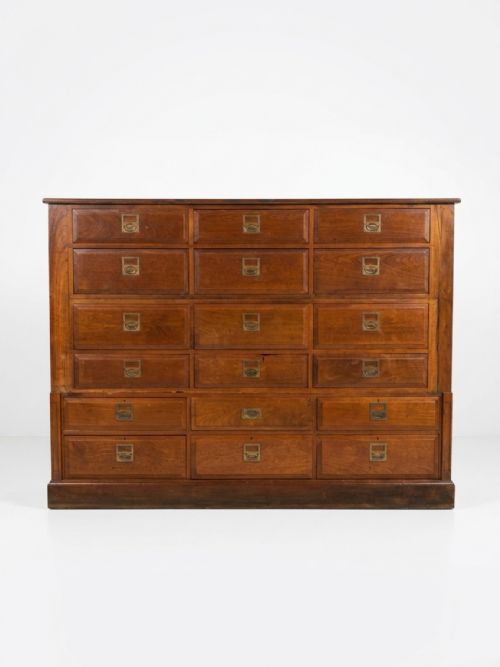
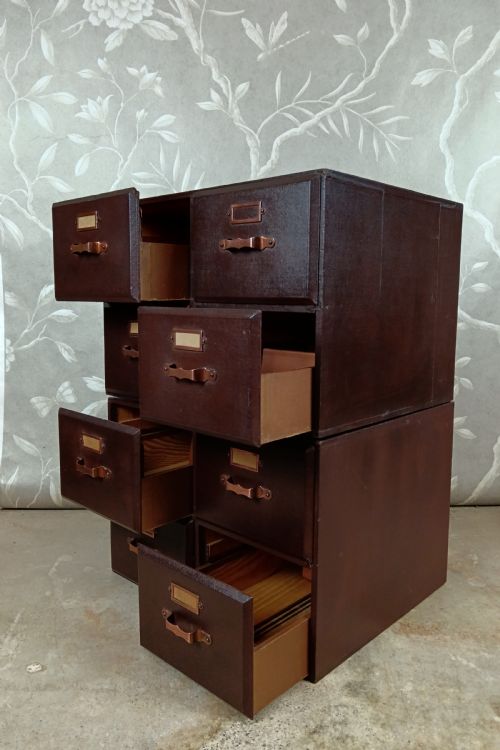


Brown Wood Haberdashery Cabinet
These brown wood haberdashery cabinet examples are sturdy shop fittings and multi-drawer chests that bring practical storage and period character to a modern interior.
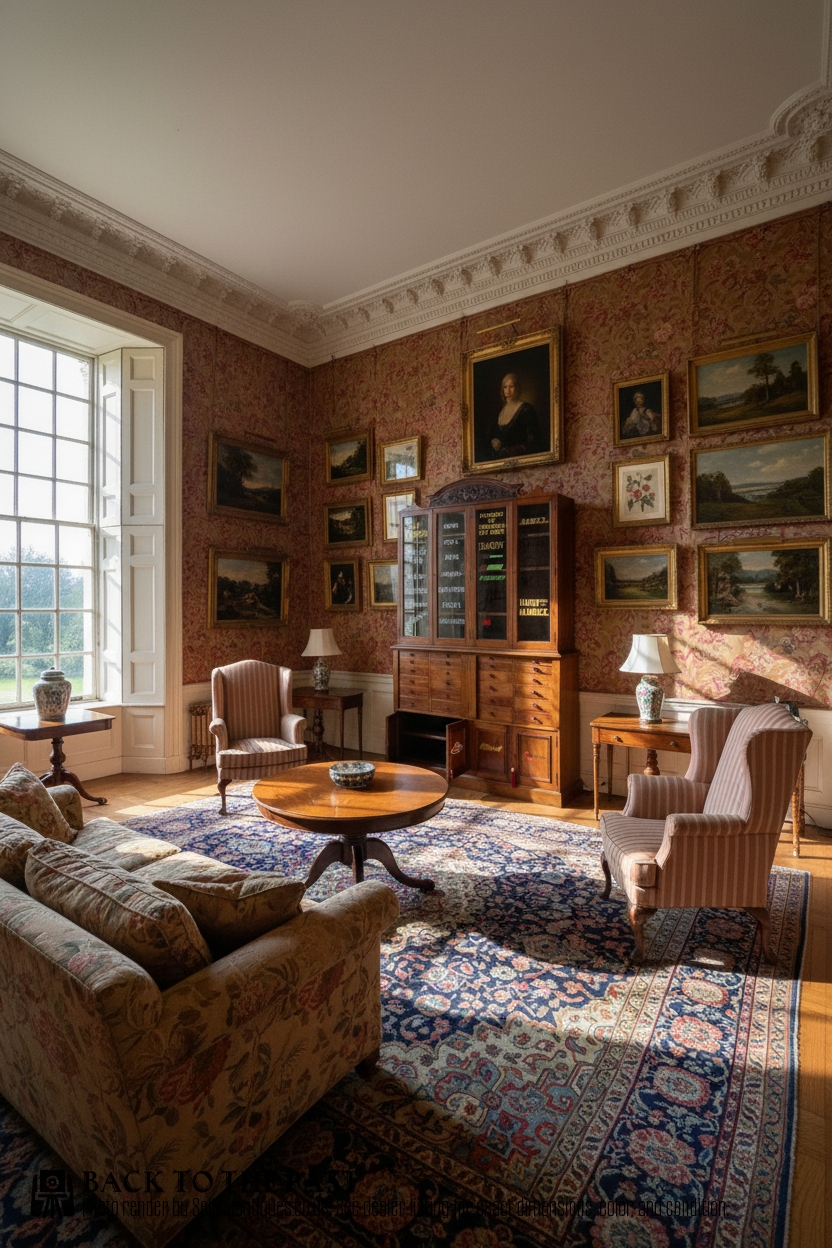
Brown Wood Haberdashery Cabinet
A brown wood haberdashery cabinet encompasses multi-drawer storage pieces and shop display cases originating from the nineteenth and early twentieth centuries. Buyers seeking these items encounter utilitarian shop counters, bank chests of drawers, and glazed display fixtures designed for commercial and trade use.
The selections span distinct historical eras, ranging from Victorian and Edwardian examples to 1920s industrial pieces. Forms include apothecary chests, library card filing sets, and specialised collectors cabinets constructed from various hardwoods.
Origins stretch across British, American, and Anglo-Indian traditions, reflecting the diverse global trade and commercial needs of the period. These brown wood haberdashery cabinet forms served chemists, drapers, and watchmakers before finding new life in domestic spaces.
Materials and construction methods
Construction relies heavily on durable timbers such as mahogany, walnut, oak, cedar, and stained deal. These sturdy woods provided the structural integrity required for heavy commercial use and frequent drawer operation.
Glass panels and brass hardware appear frequently on display variations, allowing visibility of contents while securing trade goods. Internal framing utilises hardwood and softer deal timbers joined to withstand daily retail handling.
Several cabinets retain signs for fishing supplies, cocoa, and sewing cottons, hinting at busy nineteenth-century shop floors.
Factors of construction and finish
Quality differences emerge in the selection of timber and the precision of the drawer joinery. Finer pieces display carefully figured walnut or mahogany, whereas utilitarian versions utilise stained deal or cedar.
The presence of original hardware, brass fittings, and intact glass panels elevates the integrity of a piece. Subsequent alterations, such as later sign-written decoration or modified drawer configurations, alter the historical composition.
Chadwick·Amberg·Jenners of Edinburgh
The Brown Wood Haberdashery Cabinet Glossary
- Haberdashery cabinet
- A multi-drawer storage unit originally utilised in retail drapery shops for organising small sewing goods and accessories. These pieces typically feature numerous shallow drawers.
- Bank chest
- A substantial multi-drawer chest of drawers designed for commercial sorting and filing tasks. Such units offer deep storage capacity across multiple tiers.
- Collectors cabinet
- A specialised small cabinet fitted with shallow drawers intended for housing botanical, geological, or horological specimens. They often incorporate glass doors for viewing.
- Deal
- A traditional term for softwood timber, specifically fir or pine, commonly used in secondary furniture framing. It provides a pale, workable base for staining.
- Graduated drawers
- A series of drawers arranged vertically in order of increasing depth. This layout accommodates items of varying sizes within a single chest.
Brown Wood Haberdashery Cabinet: Frequently Asked Questions
What were brown wood haberdashery cabinet pieces used for?
These cabinets served primarily in late nineteenth and early twentieth-century retail shops to store and display small goods like sewing cottons, tobacco, and confectionary. Merchants relied on the multi-drawer format to keep inventory organised behind counters.
Over time, many commercial fittings migrated into domestic environments as versatile storage for collectibles, documents, and everyday items.
How do I date a brown wood haberdashery cabinet?
Dating relies on observing construction techniques, timber choices, and style markers associated with periods like the Victorian era, Edwardian period, and the 1920s. Patent marks, maker plaques, and specific hardware styles also help anchor a piece to a decade.
Commercial pieces often carry painted advertising or trade lettering that corresponds to known operational eras of specific manufacturers or shopkeepers.
Where should I place a brown wood haberdashery cabinet at home?
These cabinets function well in studies, kitchens, and living spaces where multi-drawer storage assists with organisation. Their glazed display sections suit the exhibition of small collections or glassware.
Placing them away from direct heat sources protects the timber and historical finishes from drying and cracking over time.
How do I care for the wood and glass?
Maintenance involves dusting with a soft cloth and occasionally applying traditional wax to nourish the antique timber surfaces. Avoid using harsh chemical sprays that can strip older polished finishes.
Glass panels benefit from gentle cleaning with standard glass cleaner applied to a cloth rather than sprayed directly near wooden frames.