
Brown Wood Frame
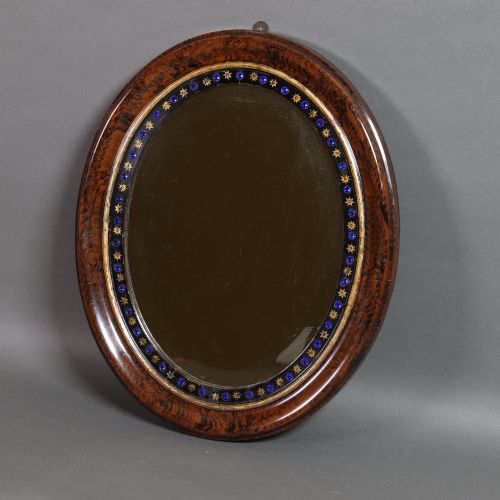
These brown wood frame pieces bring historic character to interiors, spanning centuries of cabinet-making and picture framing.
Brown Wood Frame
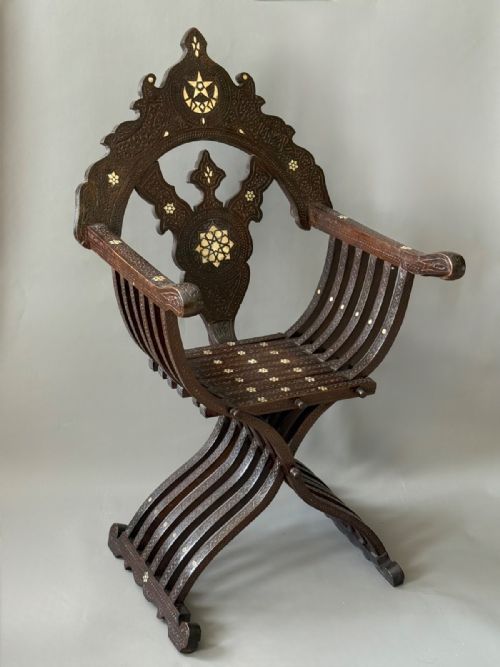
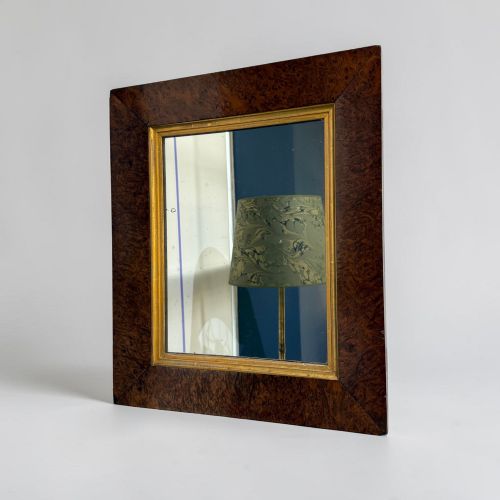
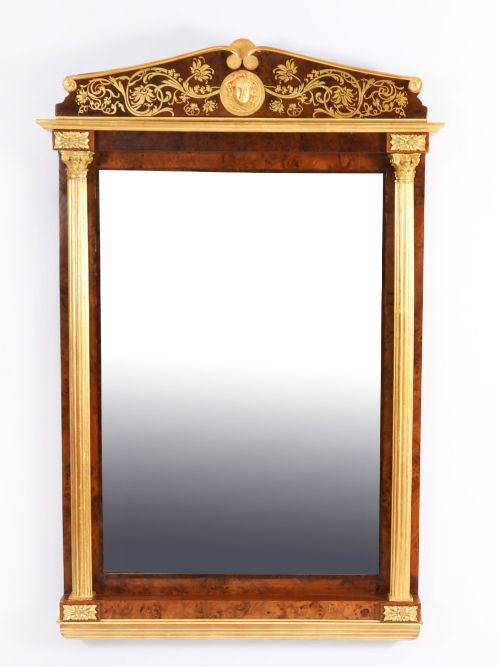
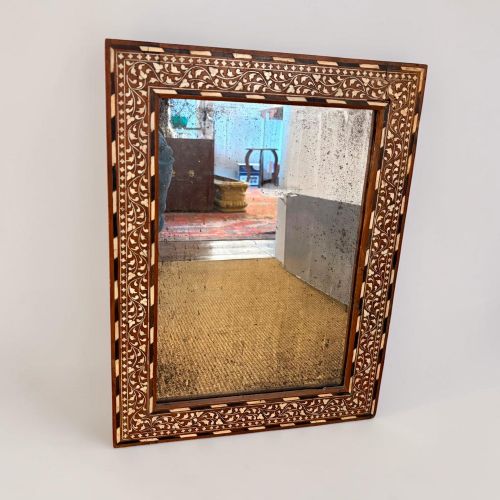
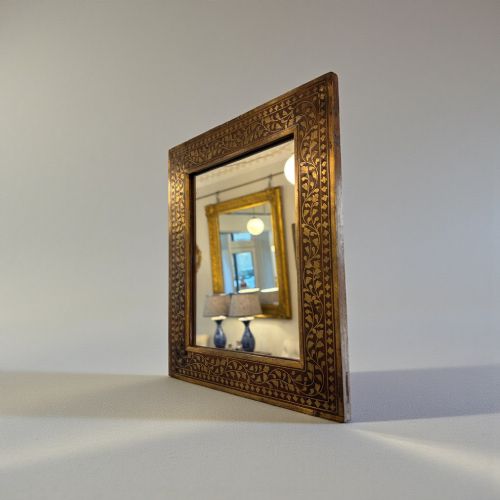
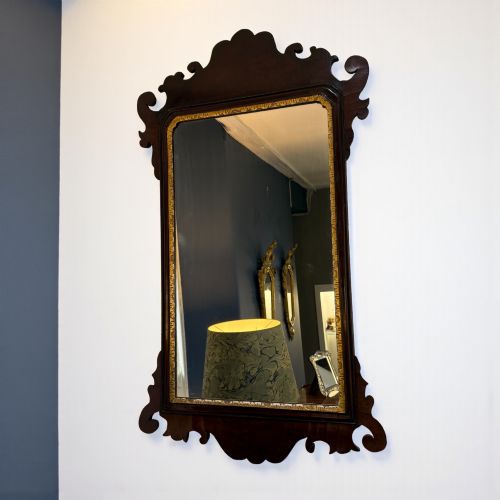
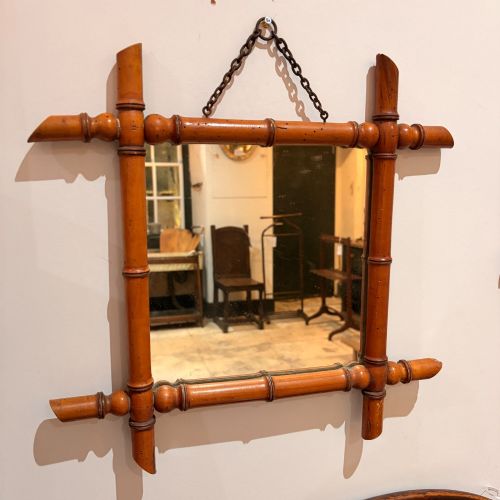
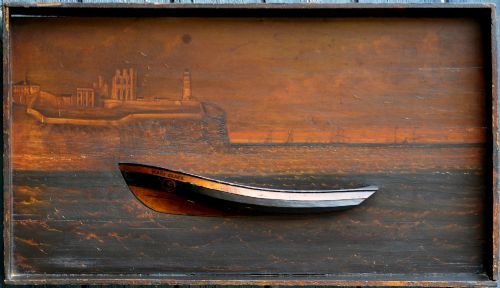
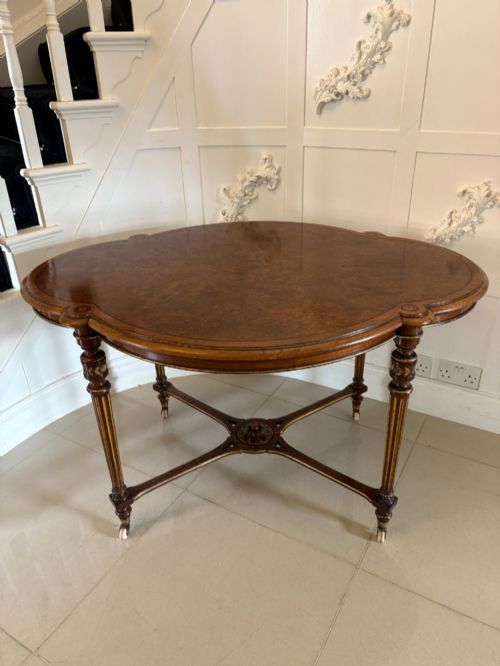
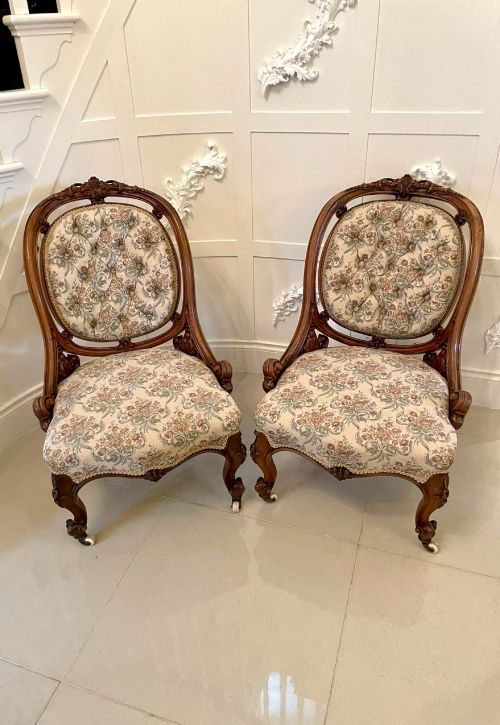
When searching for a brown wood frame, buyers encounter a diverse selection of items ranging from mirrors and paintings to beds, armchairs, and small furniture. The listings here predominantly feature mirrors and oil paintings alongside wooden bedsteads and seating, drawing from Georgian, Victorian, and Edwardian periods.
The objects stem from various regional traditions and stylistic revivals, including French Country, Queen Anne, and George III aesthetics. Walnut, mahogany, oak, and yew wood predominate across the items, providing the characteristic brown tones desired by collectors.
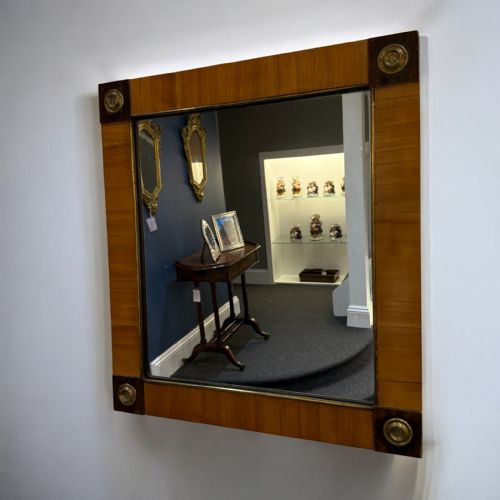
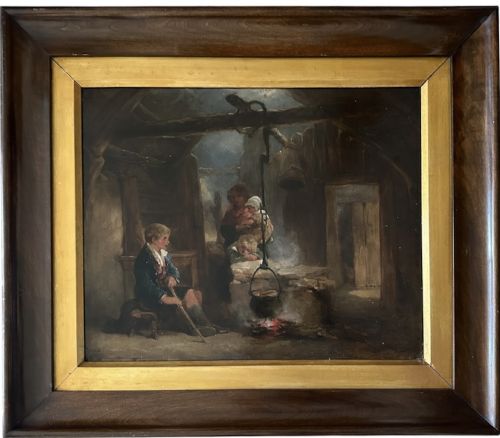
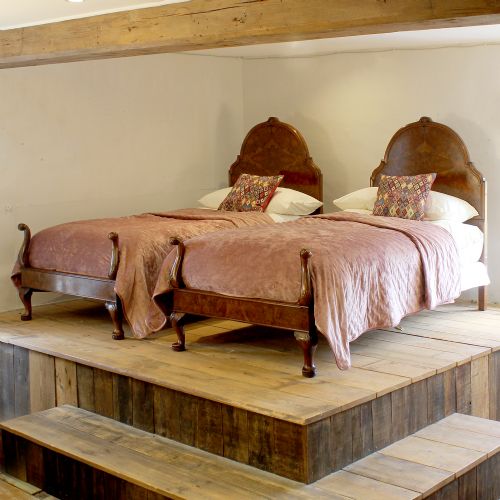
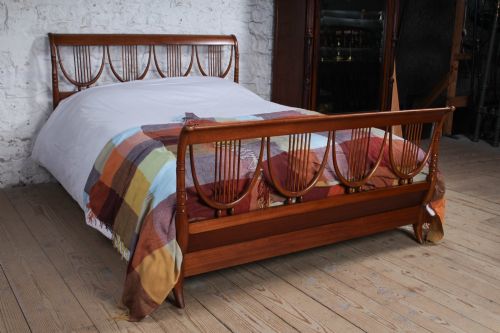
Wall mirrors and framed artworks represent the largest portion of these listings, often utilising bevelled glass or canvas supported by timber mouldings. Larger pieces like four-poster beds and high-back armchairs integrate exposed wooden framing into their core structural design.
Materials and construction methods
Cabinet-makers and framers relied on dense hardwoods such as mahogany, walnut, and oak to construct durable mountings and furniture carcasses. These timbers were frequently polished or parcel gilded to enhance the natural grain of the wood.
Joinery techniques varied by period, employing traditional mortise and tenon joints for structural frames and detailed hand-carved mouldings for decorative mirrors and wall art. Glass plates were secured within rebated wooden channels, often featuring hand-bevelled edges.
Canvas and paper works utilise timber battens or stretcher frames to maintain tension, occasionally supplemented by brass fixings or paper backing to protect the interior structure.
Racing pigeons make an unexpected appearance in the painted records alongside formal portraits and marine scenes.
Distinctions in construction and material grade
The standard of a piece depends on the selection of timber, such as figured walnut or Cuban mahogany, and the precision of the joinery. Superior examples display crisp hand-carving and well-preserved original finishes rather than heavy modern restoration.
Construction integrity separates finer items from simpler utilitarian objects, particularly in how frames join at the corners and how securely glass or canvas is housed. Period accuracy in gilding, brass hardware, and timber selection further defines the upper tier of the range.
Waring and Gillow·Stanley Webb Davies·Holley Bros
The Brown Wood Frame Glossary
- Bevelled glass
- A mirror plate with an angled edge ground down to a thinner profile around the perimeter. This technique adds depth and catches light differently than flat plate glass.
- Parcel gilt
- Woodwork embellished with thin applications of gold leaf on specific carved details while leaving the surrounding brown timber exposed. It appears frequently on Georgian and Edwardian mirrors.
- Trumeau
- A tall decorative wall mirror or panel, frequently incorporating an oil painting or carved motif in the upper section. These originate largely from French interior design traditions of the nineteenth century.
- Bergere
- An enclosed armchair featuring woven cane panels on the back and sides within a wooden frame. They are common across eighteenth and nineteenth-century seating designs.
- Fusee dial clock
- A timepiece mechanism driven by a fusee cone and chain, ensuring consistent power delivery as the mainspring unwinds. These clocks are typically housed in round wooden wall frames.
Brown Wood Frame: Frequently Asked Questions
How do I date a wooden frame?
Dating relies on examining the timber species, joinery methods, and backboards used in construction. Older pieces often employ hand-sawn boards and traditional fixings specific to Georgian or Victorian cabinet-making.
Stylistic cues like gilding techniques and glass bevelling style also help narrow down the decade of production.
Are these frames suitable for modern art?
Historic frames can house contemporary works provided the rebate depth and internal dimensions match the new canvas or panel. Many buyers pair modern paintings with older wooden mouldings to create visual contrast.
Careful measurement of the opening is essential before attempting to re-frame any artwork.
What is a trumeau mirror?
A trumeau is a large wall mirror integrated with an oil painting or decorative wooden carving above the glass plate. Originating in French interiors, they were designed to fill wall spaces between windows.
The wooden frames often feature painted finishes or parcel gilding.
How should I clean antique wood frames?
Maintenance requires gentle dusting with a soft, dry cloth to prevent dirt accumulation on carved details. Avoid commercial liquid polishes, which can damage historic finishes and nineteenth-century gilt surfaces.
Professional conservation is recommended for deep cleaning or repairing loose mouldings.