



Brown Wood Eagle
Brown wood eagle carvings span centuries of master woodworking, offering character and commanding presence to traditional interiors.
Brown Wood Eagle
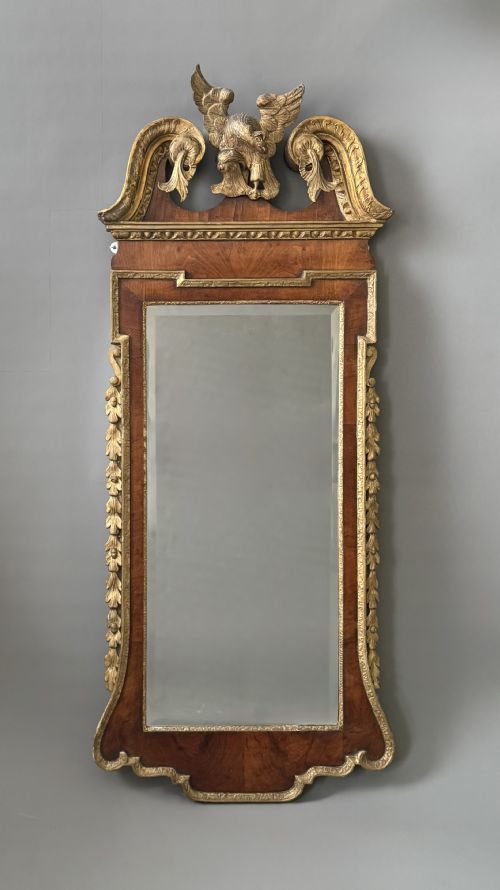
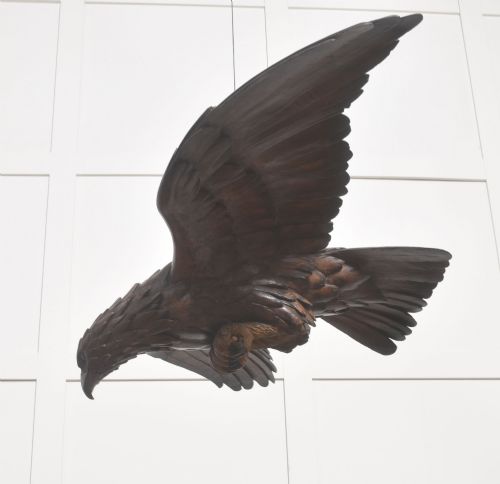
A brown wood eagle search brings together a striking variety of carved timber sculptures, wall mirrors, and furnishings produced across the eighteenth, nineteenth, and early twentieth centuries. These objects range from naturalistic Black Forest bird carvings and Italian ecclesiastical lecterns to substantial American armchairs and walnut fretwork mirrors.
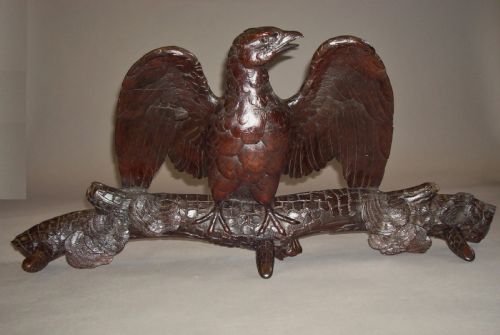
The version most commonly met on this page is the nineteenth-century Black Forest carving, typically depicting hawks or eagles in solid walnut, oak, or mixed hardwoods. Alongside these, buyers encounter Georgian and revival mirrors incorporating parcel gilding, as well as specialised items like inkstands, stick stands, and coat racks.
Origins stretch across European and international workshops, including English Chippendale revival pieces, Italian ecclesiastical works, and Japanese Meiji period bronzes mounted on root wood bases. Each item utilises the striking imagery of the bird of prey to create functional art or decorative focal points for domestic spaces.
Materials and construction methods
Carvers utilised dense timbers such as walnut, mahogany, oak, and general hardwoods to achieve the intricate feather detailing and robust anatomical forms seen in these birds. Timber selection directly influenced the crispness of the carving, allowing artisans to render sharp talons and sweeping wings without fracturing the grain.
Surface treatments frequently combined traditional polishing with parcel gilding, accentuating specific architectural elements or mirror frames. Certain items incorporated penwork decoration in the chinoiserie style or rested upon specialised root wood bases sourced to complement the organic nature of the sculpture.
Construction techniques varied according to function, spanning solid wood sculptural blocks for freestanding statues and architectural mounts for wall mirrors, armchairs, and coat racks. Joinery methods relied on period-appropriate dowelling and pegged framing to support the weight of outstretched wings and heavy timber plinths.
Brown Wood Eagle Retail Price Guide 2026
Typical asking prices for brown wood eagle among the pieces listed under this phrase on Sellingantiques today, from the lower quarter to the upper quarter. They describe what is for sale here now, not the wider market.
Listings feature items spanning the 18th century, 19th century, and early 20th century, utilising walnut, mahogany, oak, giltwood, and bronze.
Distinctions in craftsmanship and design
Quality separates pieces through the depth of anatomical observation and the vitality captured in the carving of the feathers, beak, and talons. Superior examples display a lifelike tension and muscular energy, whereas lesser items rely on formulaic repetition and flat surface texturing.
The integrity of the timber and the subtlety of the finishing distinguish workshop output, with master carvers achieving clean undercuts and expressive postures that maintain visual balance. Secondary elements, such as fretwork backplates on mirrors or the structural joinery of armchairs, reveal the overall care invested during production.
Luigi Frullini·Gyoko
The Brown Wood Eagle Glossary
- Black Forest carving
- A style of wood carving originating from the Swiss and German mountain regions, characterised by naturalistic depictions of animals and foliage, most frequently rendered in walnut or lime wood.
- Parcel gilt
- A decorative technique where specific portions of a wooden object are highlighted with thin applications of gold leaf, contrasting against the dark brown ground of the timber.
- Fretwork
- Openwork ornamentation carved or pierced from a thin board of wood, commonly utilised on the crests and borders of eighteenth-century and revival mirrors.
- Chinoiserie
- European decorative style inspired by Chinese artistic traditions, incorporating intricate penwork and motifs into furniture and panels.
- Ecclesiastical
- Pertaining to Christian churches and clergy, describing items such as lecterns and religious statuary produced for sacred spaces.
Brown Wood Eagle: Frequently Asked Questions
How do I identify a Black Forest eagle carving?
Look for deep, naturalistic carving in dark walnut or hardwood, often showing the bird with outstretched wings perched on rocks or branches. These nineteenth-century pieces emphasise textured feather work and dynamic posture.
Check for regional characteristics such as glass eyes and untreated or waxed timber surfaces typical of Swiss and German mountain workshops.
Where were brown wood eagle mirrors placed historically?
These mirrors typically hung in prominent reception rooms, hallways, or above mantelpieces in grand townhouses and country homes. The commanding presence of the eagle served to project status and authority.
They functioned both as functional looking glasses and as significant decorative art pieces that anchored the interior design scheme.
What is the difference between Georgian and revival styles?
Georgian pieces date directly from the eighteenth century and display the proportion, restraint, and specific construction methods of that era. Revival pieces date from the nineteenth century onwards and copy earlier aesthetic movements.
Revival furniture often exhibits heavier carving and denser timber stock compared to the lighter, more refined proportions of original Georgian work.
How should I care for antique carved wood sculptures?
Keep carved wooden items away from direct sunlight and fluctuating heat sources to prevent the timber from drying out and splitting. Dust gently with a soft, dry brush to reach into the intricate recesses of the feathers.
Avoid liquid furniture polishes and instead consult a specialist conservator if the timber requires cleaning or feeding over time.