
Brown Wood Drop Table
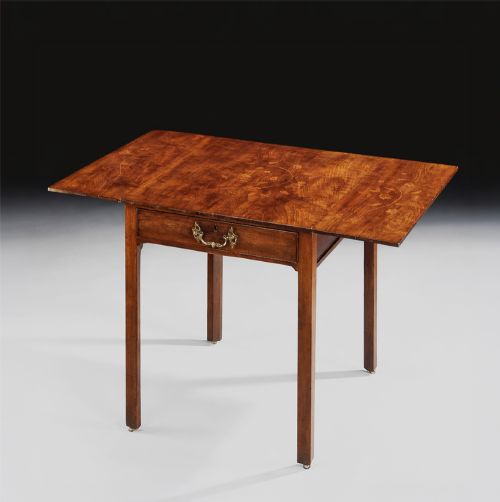
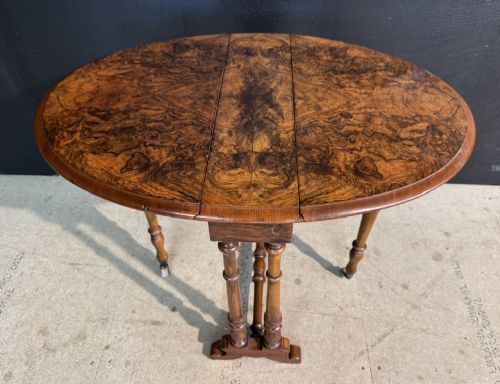
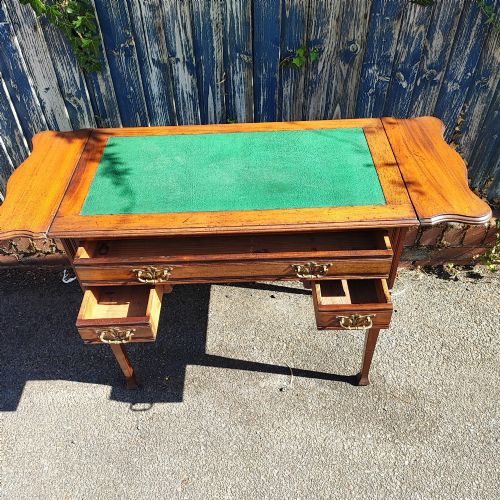
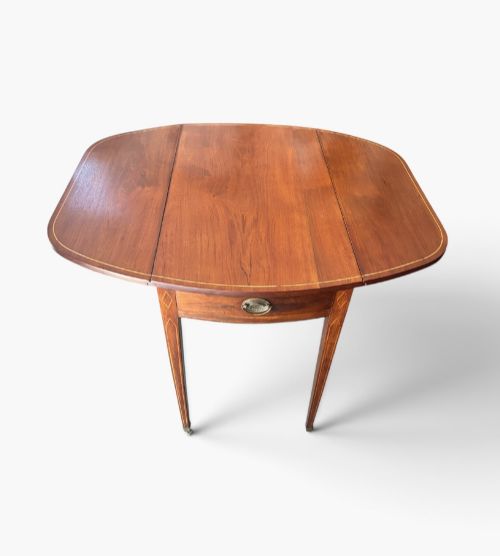
These brown wood drop tables span the Georgian, Regency and Victorian periods, offering folding leaves and versatile timber surfaces for daily use.
Brown Wood Drop Table
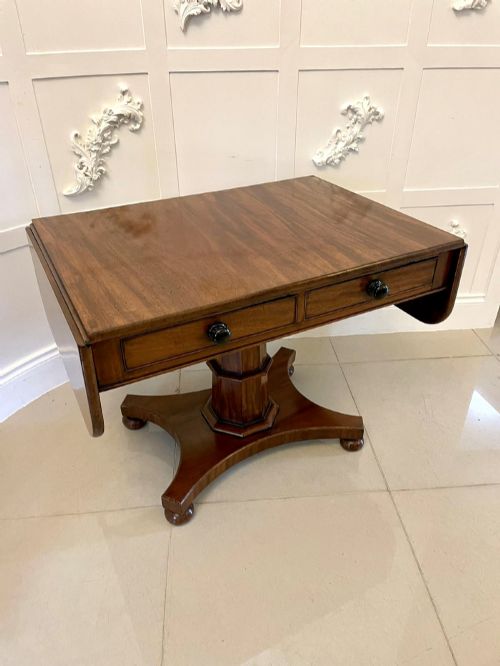
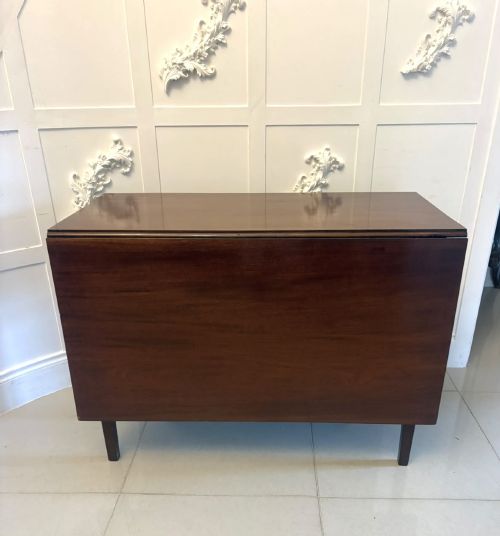
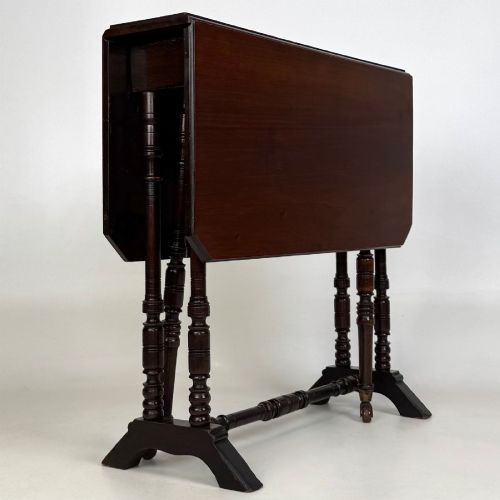
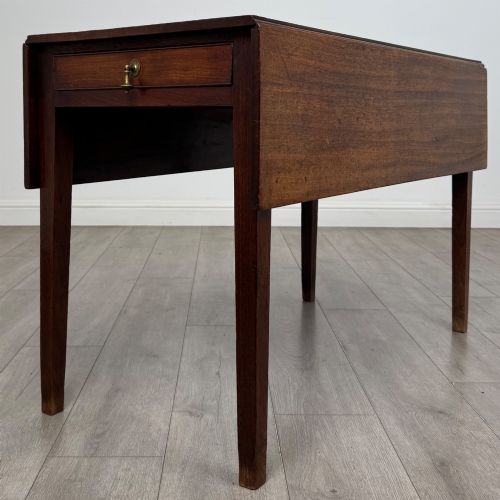
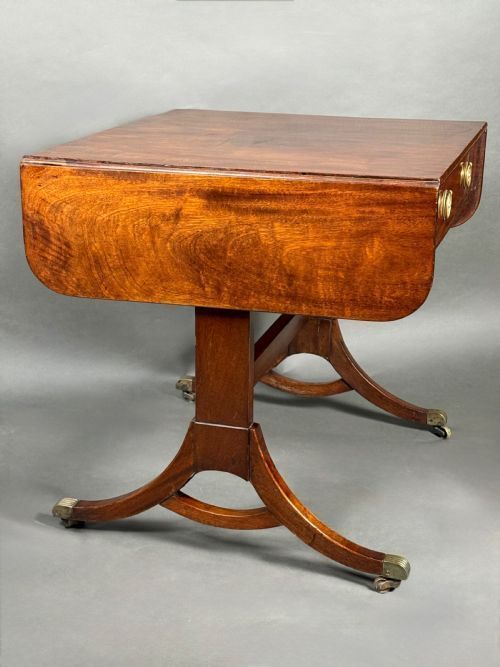
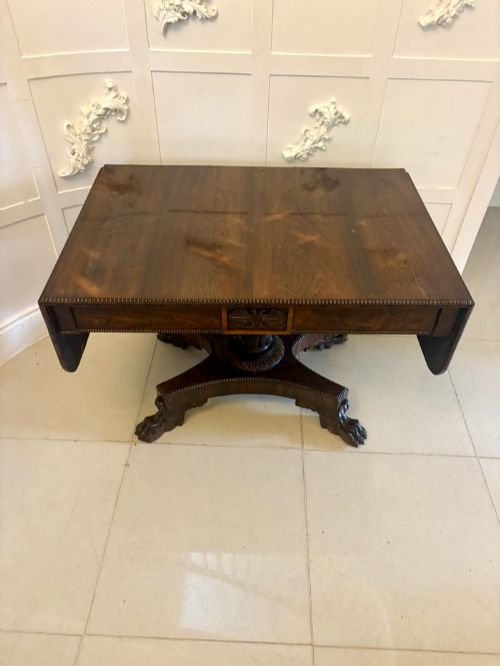
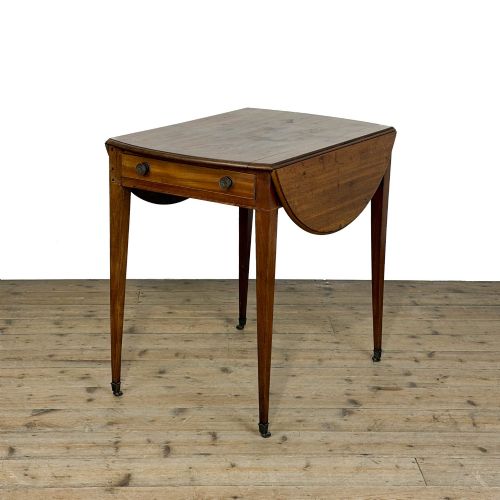
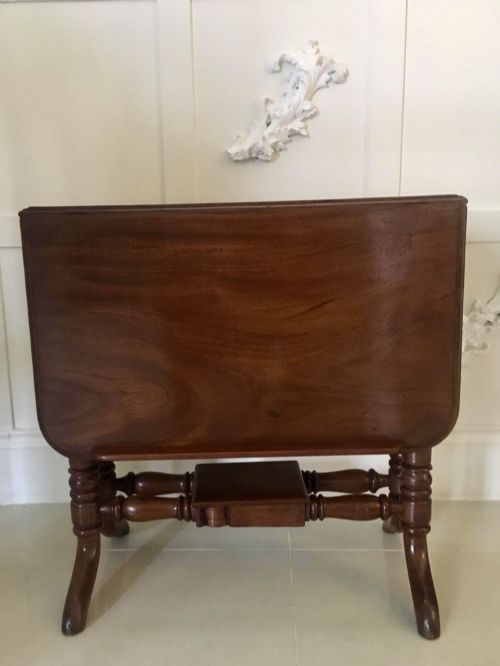
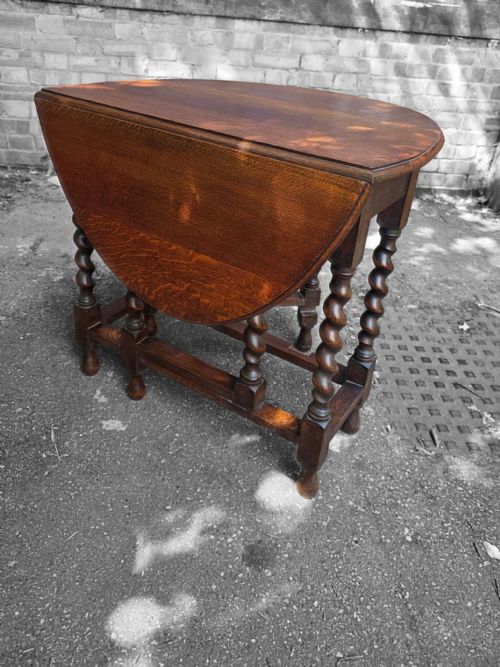
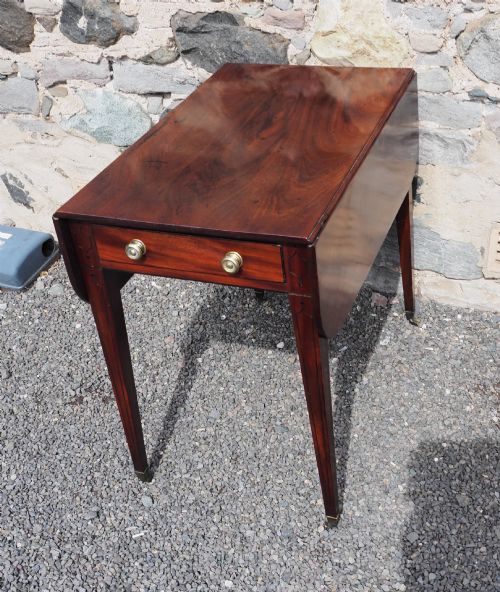
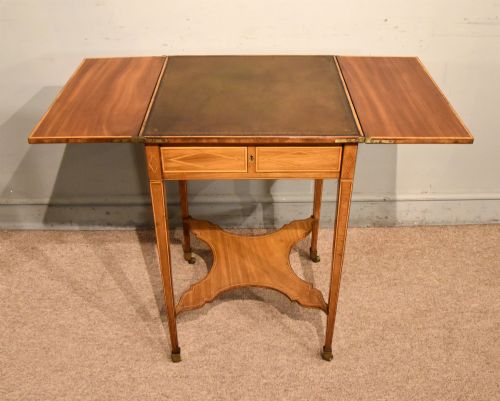
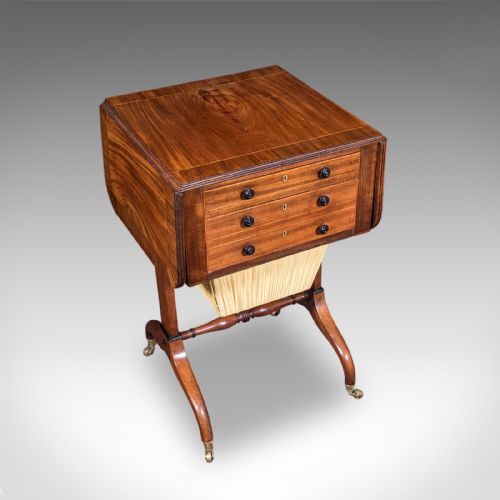
A brown wood drop table provides an adaptable surface through hinged flaps that lift to extend the top or drop down to save space when not in use. These pieces appear primarily as Pembroke tables, sofa tables, gateleg tables and occasional tables across the listings.
The selection ranges from compact oak and walnut designs of the seventeenth and eighteenth centuries to larger mahogany dining tables and refined Regency writing tables. Buyers most frequently encounter nineteenth-century mahogany Pembroke and sofa tables equipped with drop leaves and drawers.
Originating largely from British cabinet-making traditions, these tables utilise timbers such as mahogany, oak, rosewood and walnut, styled according to Georgian, Regency, Victorian and Edwardian aesthetics.
How they were made
Cabinet-makers constructed these brown wood drop tables predominantly from solid or veneered mahogany, oak, rosewood and walnut, often accentuating the surfaces with satinwood, boxwood or harewood inlay and marquetry.
Structural support relies on turned baluster legs, barley twist legs, or pedestal bases fitted with brass castors, while hinges and drop handles provide the mechanical movement for the folding leaves and integrated drawers.
Periods represented span from late seventeenth-century oak gateleg tables up to early twentieth-century Edwardian designs.
What varies in quality
Quality rests in the selection of timber figures, such as flame mahogany or burr walnut, and the precision of inlaid details like boxwood and satinwood stringing.
Construction integrity distinguishes standard utilitarian pieces from finer examples, seen in the seamless operation of drop leaves, the careful jointing of drawers, and the integration of brass castors and fittings.
The Brown Wood Drop Table Glossary
- Pembroke table
- A small occasional table with two hinged drop leaves on opposite sides, typically fitted with one or more drawers.
- Sofa table
- A low, elongated table designed to stand in front of a sofa, featuring drop leaves at either end and often twin pedestals.
- Gateleg table
- A table with hinged leaves supported by legs that swing outward like a gate to hold the flaps in place.
- Marquetry
- Decorative patterns formed by inserting pieces of contrasting wood veneer into a solid wood background.
- Flame mahogany
- A figured mahogany veneer showing a distinctive flame-like pattern produced by cutting across the branch junction.
Brown Wood Drop Table: Frequently Asked Questions
How were drop tables used historically?
These tables offered flexible space management in period homes, functioning as compact units against walls that expanded when guests arrived. Pembroke and sofa tables placed in parlours provided surfaces for writing, reading or holding lamps.
Larger gateleg and dining variants accommodated meals before folding down to clear floor space in smaller rooms.
How do I identify a Georgian drop table?
Georgian drop tables generally display architectural restraint, solid mahogany or inlaid satinwood surfaces, and characteristic leg forms such as tapered or square supports. Look for period proportions and traditional joinery methods.
Earlier eighteenth-century examples often utilise oak with turned baluster legs, while later Georgian and Regency pieces favour refined mahogany veneers.
Where should I place a drop table?
Drop tables fit well in hallways, living rooms and studies where surface area requirements change throughout the day. With one or both leaves dropped, they occupy minimal depth against a wall.
Raising the flaps creates an immediate workspace or occasional table surface beside seating arrangements.