


Brown Wood Coat Rack
A brown wood coat rack organises hallway clutter while bringing period warmth and practical utility to an entrance.
Brown Wood Coat Rack
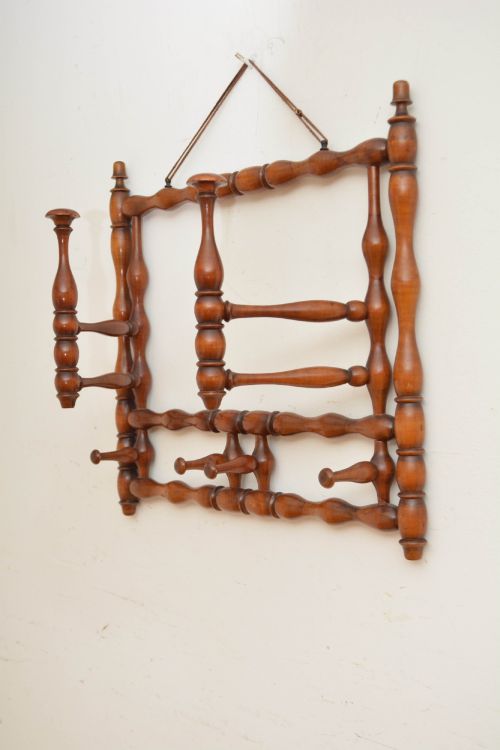
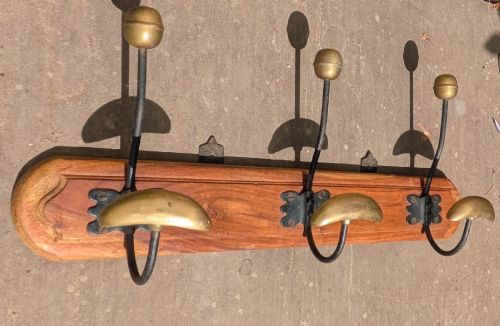
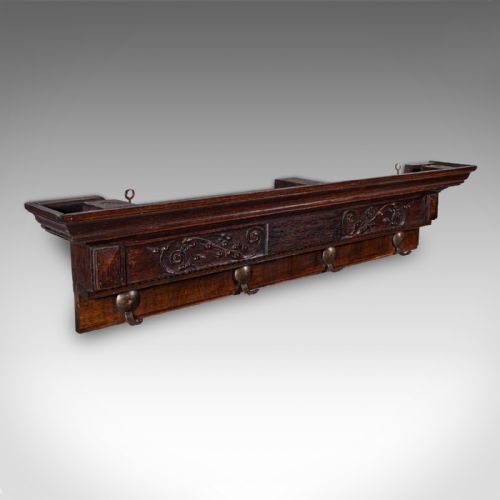
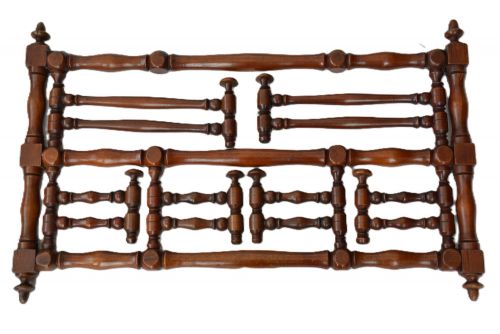
A brown wood coat rack encompasses wall-mounted hooks, expansive hall stands and towering hat trees designed for entranceways and reception rooms. Pieces range from modest timber boards set with metal hooks to grand hall stands combining mirrors, umbrella wells and carved animal motifs.
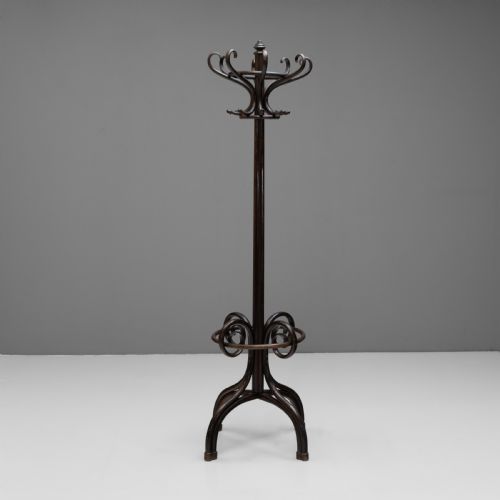
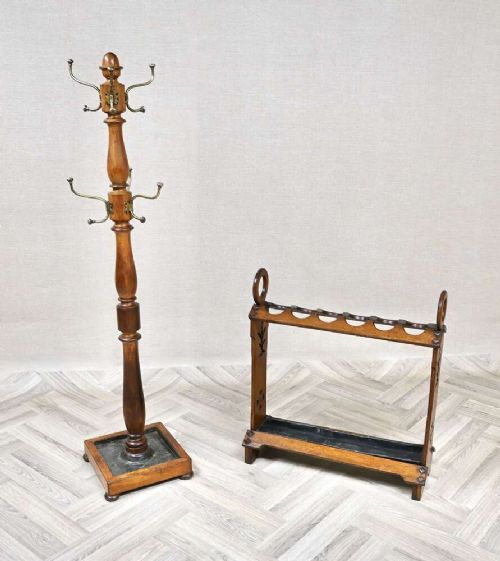
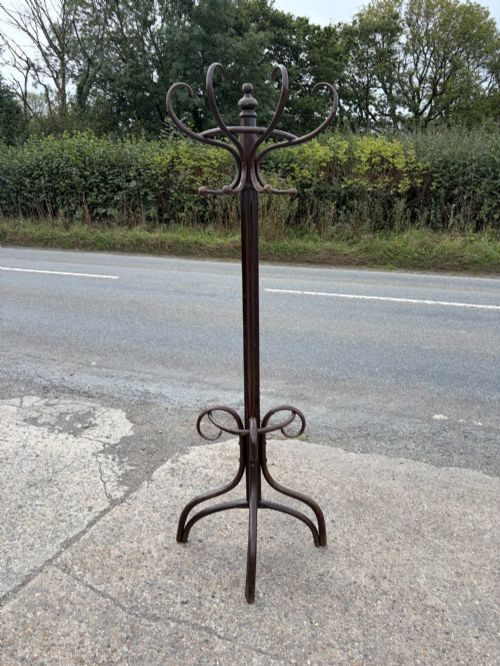
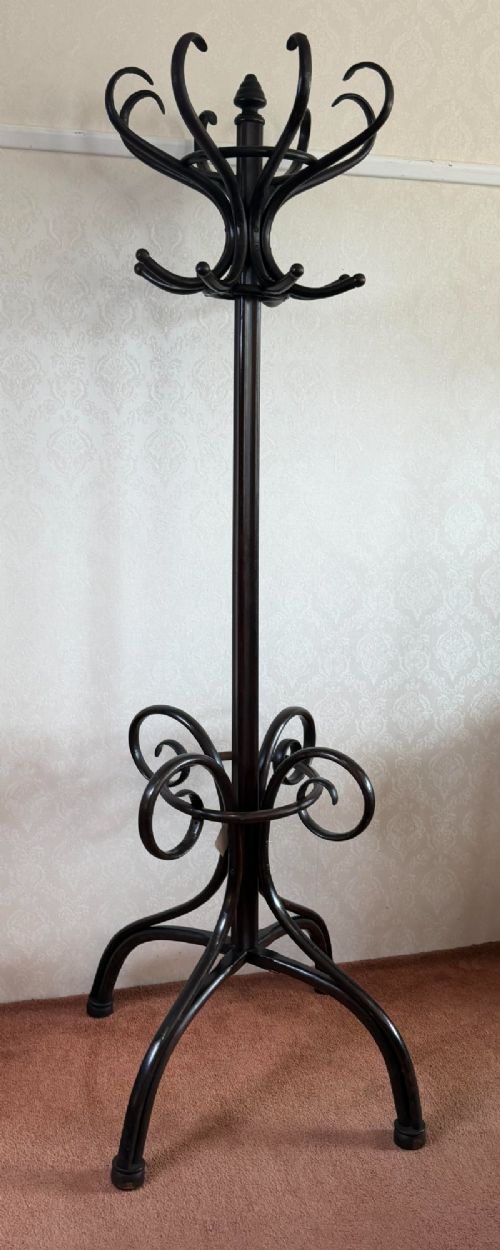
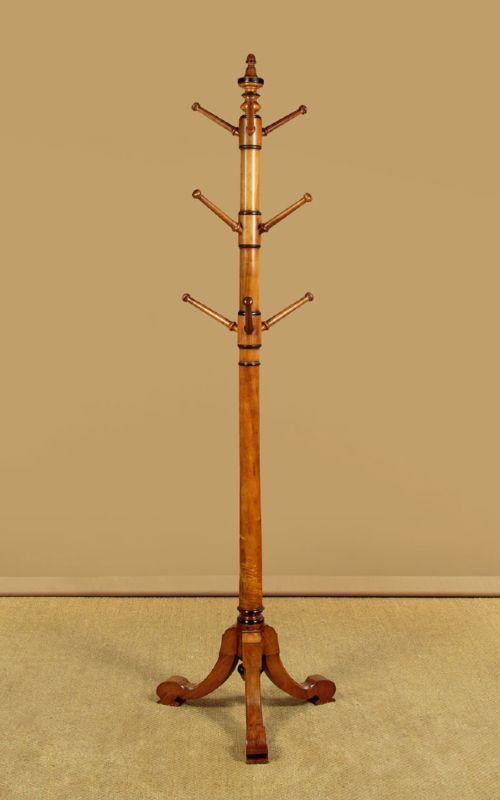
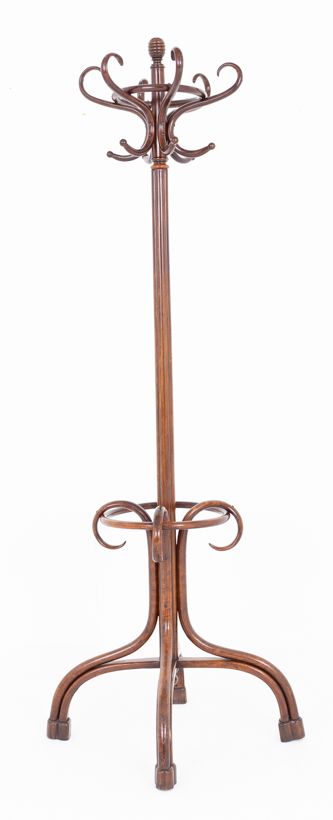
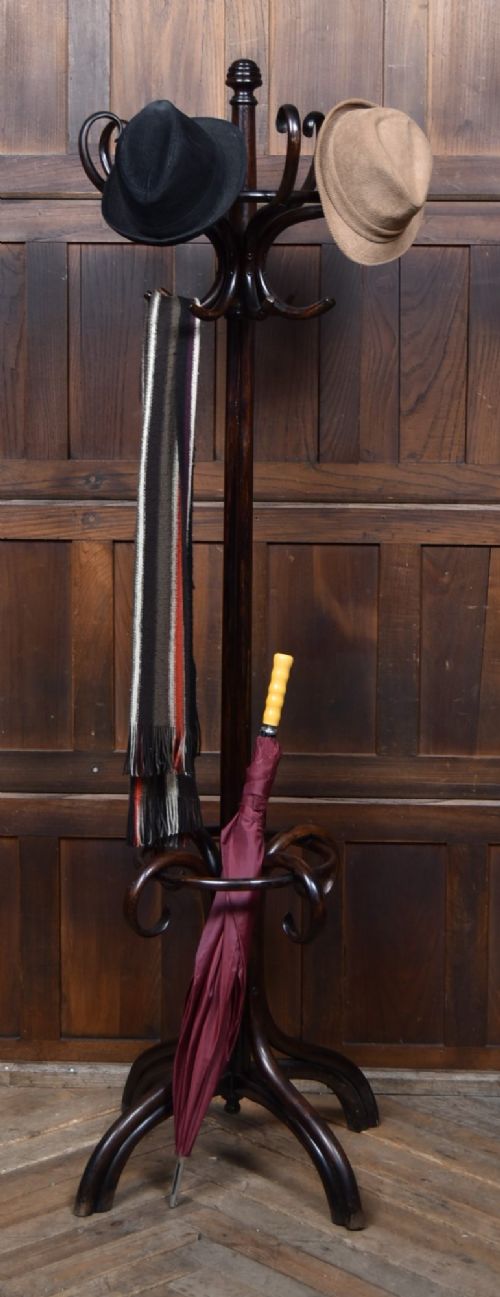
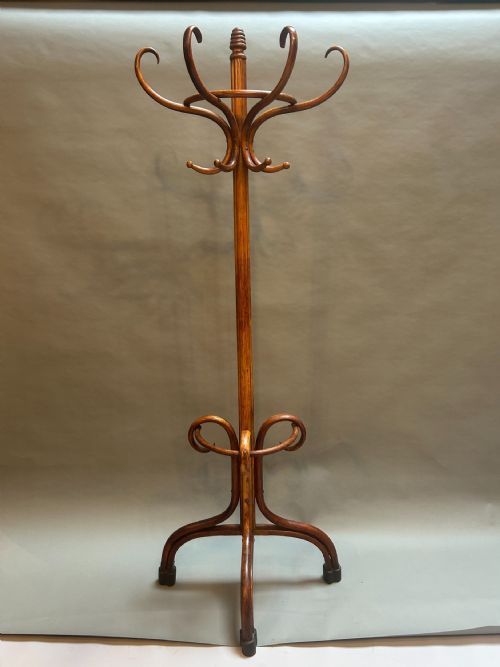
The version most commonly met on this page is the bentwood hat and coat stand, often produced in beech and originating from the late nineteenth or early twentieth century. Alongside these stand robust oak and walnut hall stands bearing Victorian and Edwardian characteristics.
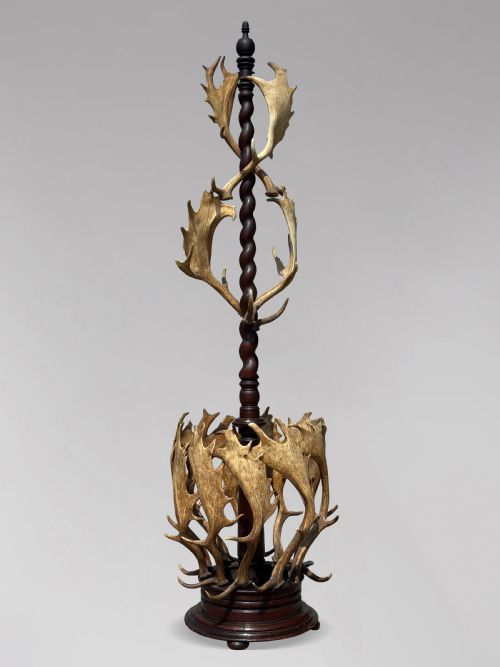
Origins stretch across English country houses, French provinces and Austrian workshops, reflecting diverse domestic habits of past centuries. Domestic utility meets ornamental carving, whether through simple peg rails or elaborate Black Forest bear sculptures.
How they were made
Construction relies heavily upon solid timbers such as oak, beech, walnut and mahogany, chosen for strength and grain. Beech lends itself particularly well to the steaming and bending processes required for circular hat stands and curved uprights.
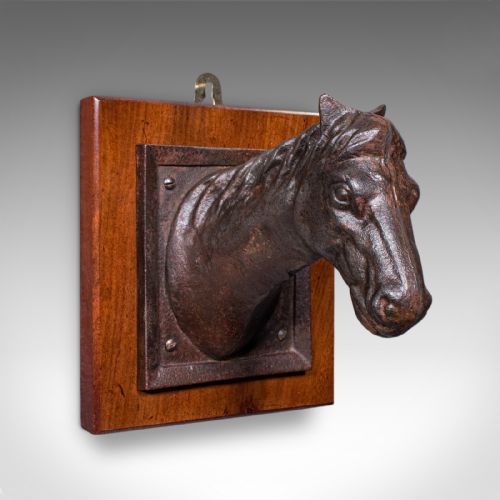
Metal components including brass, iron and glass frequently supplement the woodwork to form robust hooks, hanging rails and drip pans. Carved pieces display detailed hand-workmanship, utilising Linden wood and oak to render animal busts, foliage and anthropomorphic figures.
Brown Wood Coat Rack Retail Price Guide 2026
Typical asking prices for brown wood coat rack among the pieces listed under this phrase on Sellingantiques today, from the lower quarter to the upper quarter. They describe what is for sale here now, not the wider market.
A carved wooden bear keeps a permanent, unblinking watch over hallway keys and winter scarves.
What varies in quality
Quality reveals itself through the crispness of hand-carving and the integrity of steam-bent timber joints. Superior examples maintain structural stability without relying on modern fasteners, keeping original hooks and mirrors intact.
Materials dictate distinction, moving from utilitarian pine or basic metal fittings up to exhibition-grade carved oak, figured walnut and stamped Austrian bentwood components. Patina on the wood surface and original brass plating separate exceptional survivors from standard utility items.
Thonet·J. Parker of Woodstock
The Brown Wood Coat Rack Glossary
- Bentwood
- Timber shaped by exposure to steam, allowing craftsmen to create smooth, sweeping curves without joints. This technique defined the output of prominent nineteenth-century Austrian makers.
- Hall Stand
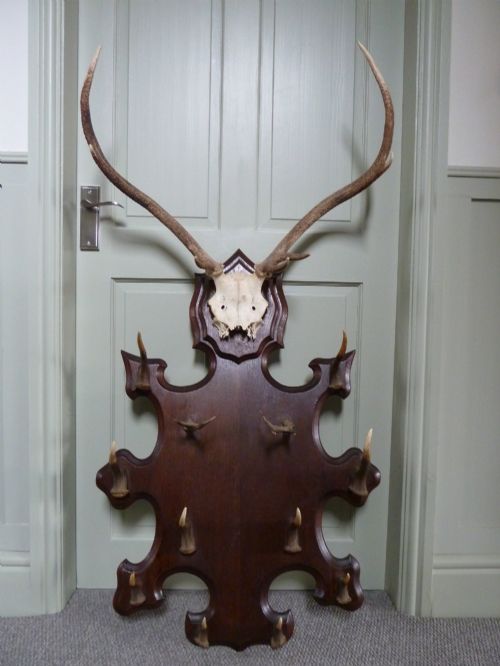
- A substantial piece of entranceway furniture combining coat hooks, a central mirror and frequently umbrella storage. Victorian and Edwardian examples often incorporate carved panels and umbrella troughs.
- Black Forest
- A nineteenth-century carving style originating in Switzerland and Germany, characterised by realistic depictions of bears, chamois and forest foliage. These pieces often take the form of wall racks or hall stands.
- Hat Tree
- A freestanding vertical pole fitted with multiple tiers of curving wooden arms for hats and coats. Also known as a coat stand, it relies on a weighted base or splayed legs for stability.
- Valet
- A compact furnishing designed for holding garments temporarily in a reception room or cloakroom. These range from simple multi-hook wall boards to freestanding stands.
Brown Wood Coat Rack: Frequently Asked Questions
Where should a hall stand go?
A hall stand belongs in an entrance hall or boot room where coats, hats and umbrellas accumulate. Freestanding designs require adequate floor space and clearance for garments, while wall-mounted racks suit narrower corridors.
Positioning them near the main entrance ensures daily practicality, turning an everyday passage into an orderly transition space.
How do I care for antique wood?
Maintain antique timber by dusting with a dry cloth and occasionally applying a traditional beeswax to nourish the grain. Avoid placing pieces near direct heat sources or damp walls to prevent wood movement and splitting.
Gentle care preserves the original patina and protects delicate hand-carved details on Black Forest or Victorian surfaces.
Are bentwood stands stable?
Bentwood stands achieve stability through splayed legs and balanced double-top frameworks designed to distribute weight evenly. Distributing coats across all sides prevents tipping.
Heavier items like carved oak hall stands rely on their own mass and wider footprints to remain upright under heavy garments.