

Brown Wingback Chair
A brown wingback chair brings deep leather and protective sides to a room, offering a seat designed to keep out drafts and hold heat.
Brown Wingback Chair
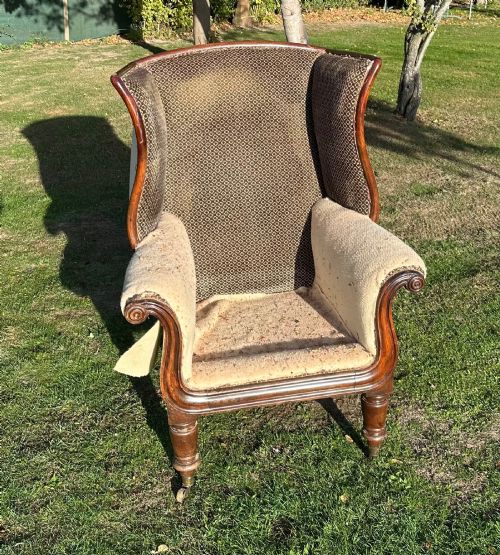
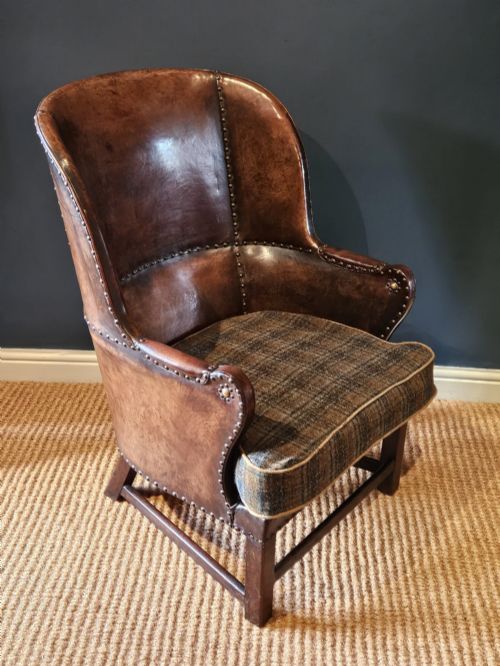
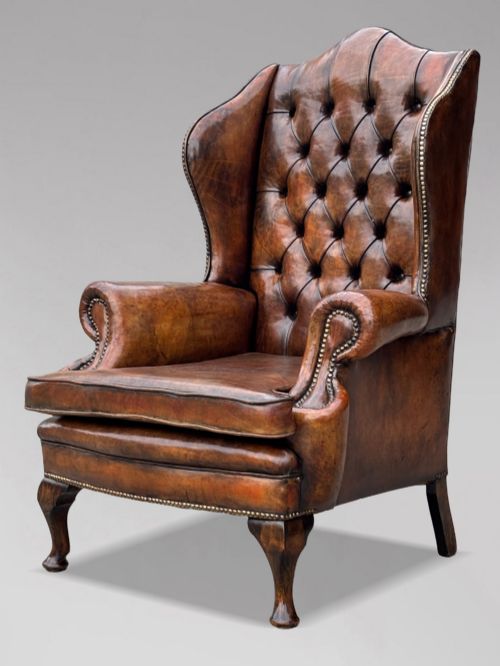
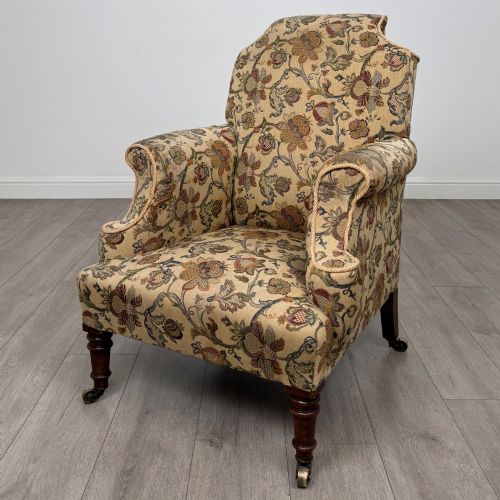
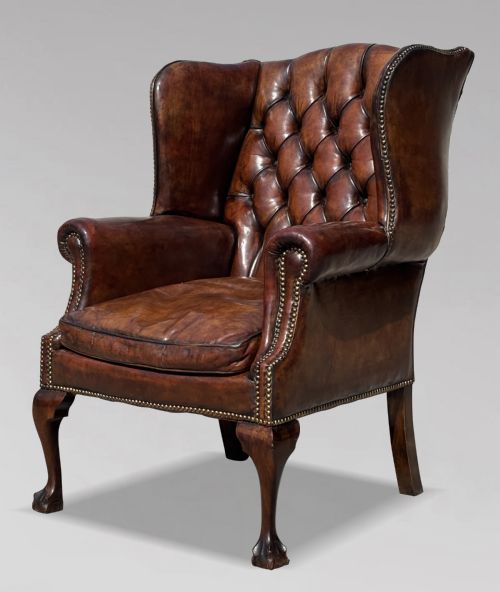
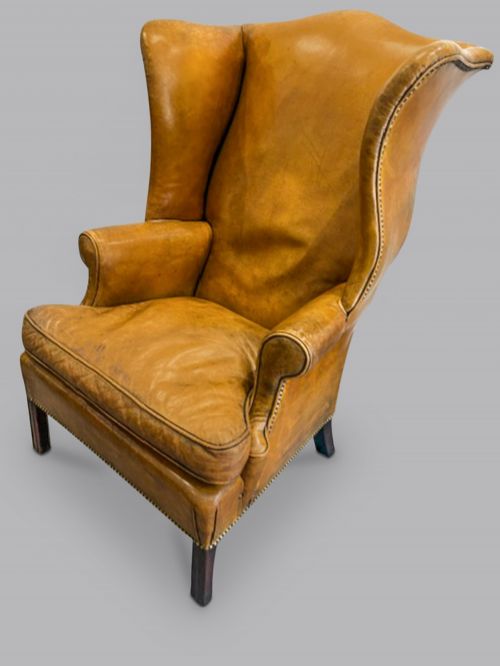
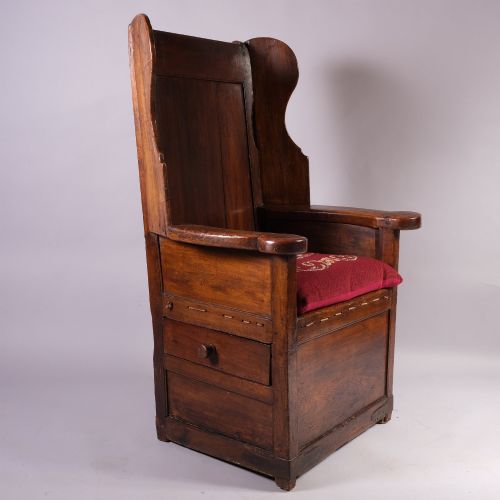
A brown wingback chair is a traditional upholstered seat defined by its high back and protruding side panels, or wings, originally designed to shield the sitter from hearth drafts. These seating forms span several centuries, with examples appearing across Georgian, Victorian, and later revival periods.
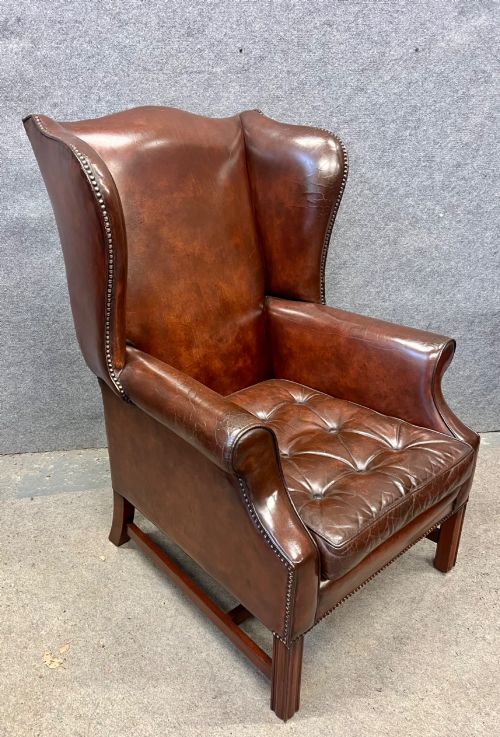
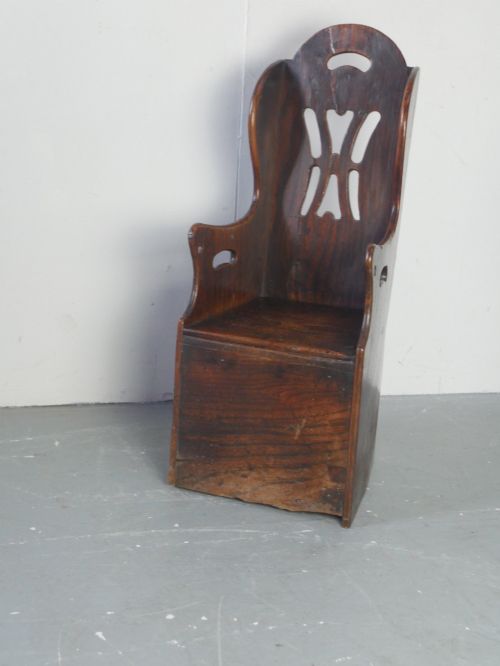
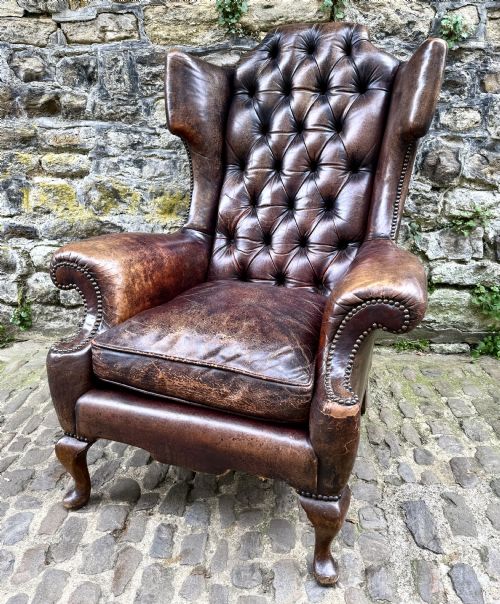
The versions most commonly met on this page combine leather or textile upholstery with wooden frames, ranging from early eighteenth-century walnut examples to later nineteenth-century buttoned interpretations. Armchairs dominate the selections, alongside occasional child-sized variants and library chairs.
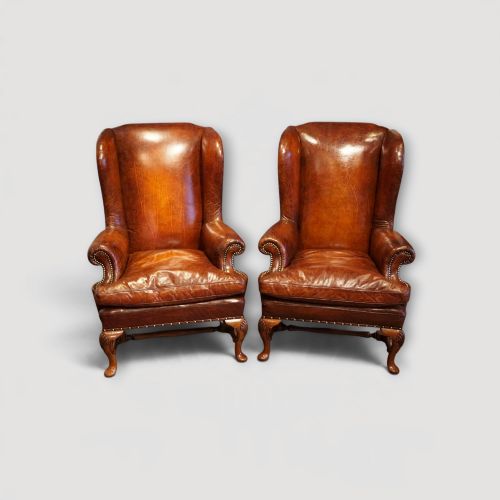
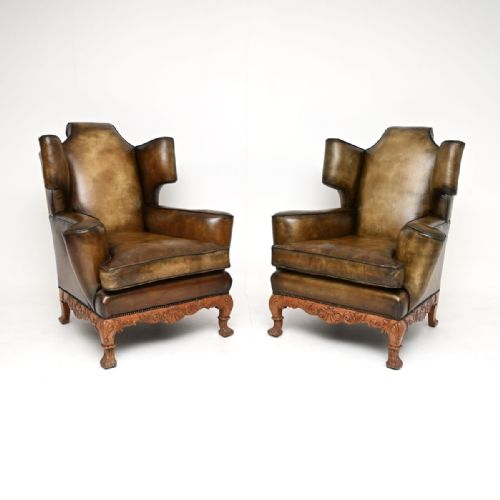
Construction origins vary from formal English cabinet-makers' output to later twentieth-century revival pieces built in earlier styles. Buyers encounter everything from plain oak and mahogany frames to elaborate walnut cabriole legs supporting hand-dyed hides.
Materials and construction
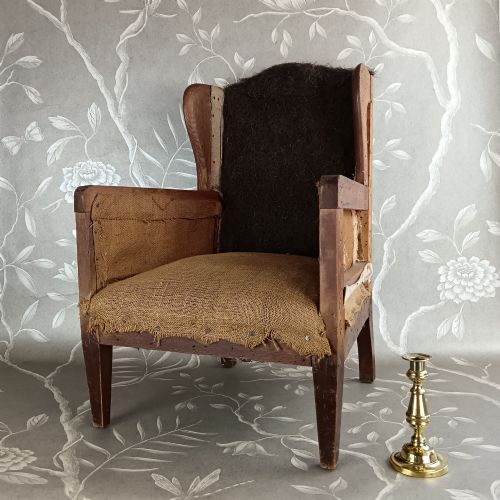
Frames rely on sturdy timbers such as mahogany, oak, and walnut to support the substantial weight of the upholstered body and seated occupant. Joinery methods reflect the period of manufacture, utilising traditional tenons and corner blocks within the wooden chassis.
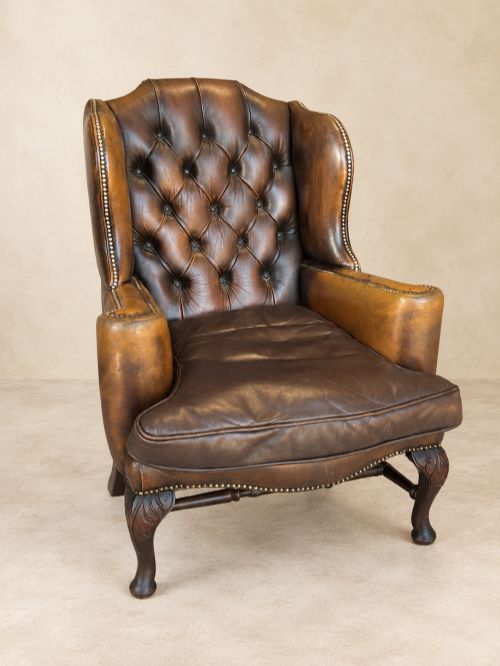
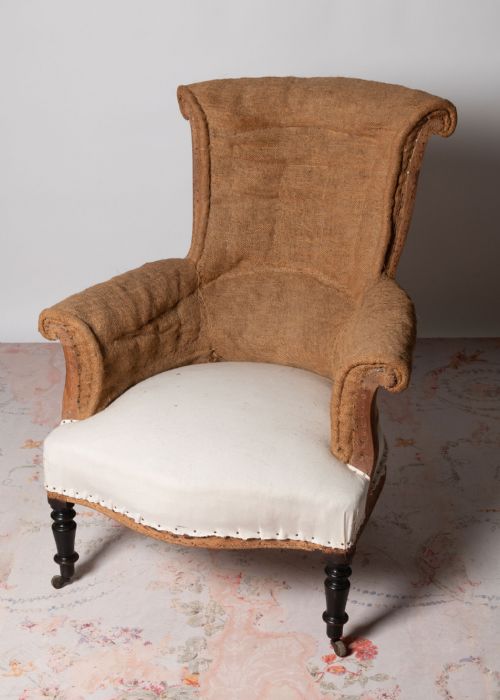
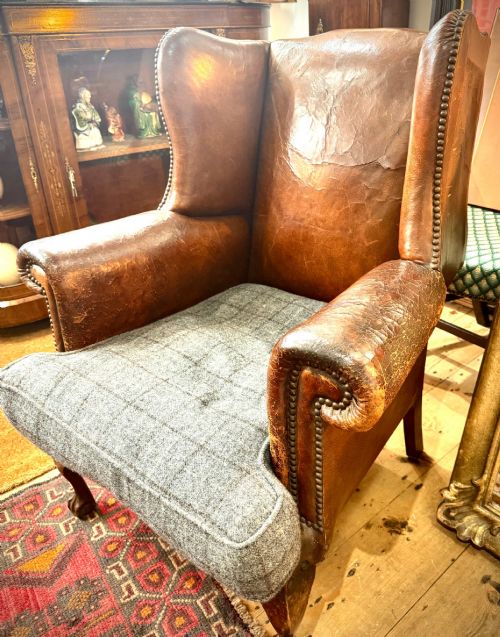
Upholstery relies on leather, sheep's hide, hessian, and various cotton fabrics stretched over internal padding. Leather surfaces frequently receive hand-dyed or hand-coloured finishes, while buttoning secures the padding to maintain shape and structure over decades of use.
Brown Wingback Chair Retail Price Guide 2026
Typical asking prices for brown wingback chair among the pieces listed under this phrase on Sellingantiques today, from the lower quarter to the upper quarter. They describe what is for sale here now, not the wider market.
Upholstery options across available pieces include traditional leather, sheep's hide, hessian, and cotton fabric.
Distinctions in quality
The integrity of the underlying timber frame establishes the baseline of quality, where solid walnut or mahogany construction outlasts softer woods or heavy modern replacements. Hand-carved details on legs, such as cabriole shapes, demonstrate superior craftsmanship compared to cast or machine-routed substitutes.
Upholstery depth and leather selection define the tactile standard, with vegetable-tanned hides ageing gracefully through natural patina rather than artificial surface treatments. The precision of buttoning and the firmness of the internal stuffing determine whether a seat maintains its architectural silhouette or sags under use.
J Foot And Son
The Brown Wingback Chair Glossary
- Wingback
- An armchair featuring protective side panels attached to the arms and rising to the back. This design originally trapped heat from a fireplace and blocked cold air currents.
- Cabriole leg
- A furniture leg featuring a double curve, curving outward at the knee and inward at the ankle. This form draws inspiration from animal legs and appears frequently on eighteenth-century pieces.
- Buttoning
- An upholstery technique where deep buttons are pulled through the padding and secured to the frame. This method creates a patterned grid that holds internal stuffing firmly in place.
- Hessian
- A coarse woven fabric typically utilised as a hidden under-layer for webbing and interior padding. It provides a stable foundation for outer coverings.
- Patina
- The surface sheen and softening of colour developed by wood and leather through age and handling. This quality indicates authenticity and prolonged use.
Brown Wingback Chair: Frequently Asked Questions
What is the purpose of the wings?
The wings were originally designed to shield the sitter's head and torso from cold drafts in unheated rooms. They also helped trap warmth generated by a nearby fireplace.
Over time, the form evolved from a purely functional barrier into a formal seating design that offered privacy and acoustic dampening in busy households.
How do I date an antique wing chair?
Dating relies on examining the timber frame, stretcher arrangement, and leg style underneath the upholstery. Eighteenth-century examples often feature walnut or early mahogany with simpler joinery, while Victorian pieces introduce heavier buttoning and distinct mechanical adjustments.
Secondary woods used inside the frame and the wear patterns on the leather also offer clues to the approximate decade of manufacture.
Are these chairs comfortable for daily use?
Most antique examples provide a firm, upright sit rather than the deep slouch of modern lounge furniture. The supportive back and high arms encourage an alert posture suited for reading or working.
Seat comfort depends on the condition of the internal webbing and padding, which can be restored or retensioned by a professional upholsterer if necessary.
How do I maintain leather upholstery?
Leather surfaces benefit from regular dusting with a dry cloth and occasional treatment with a suitable leather conditioner to prevent drying out. Avoiding direct sunlight and intense heat sources protects the hide from cracking.
Patina develops naturally through gentle handling, so aggressive cleaning products should be avoided to preserve the original surface character.