





Brown Windsor Chairs
Brown windsor chairs are traditional wooden seating forms that bring warmth and sturdy vernacular character to any room.
Brown Windsor Chairs
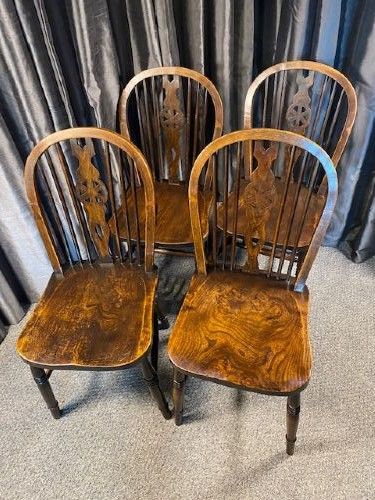
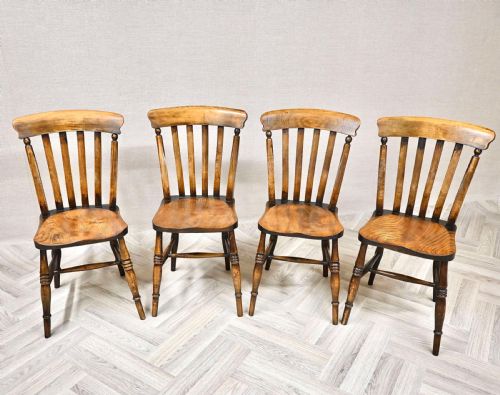
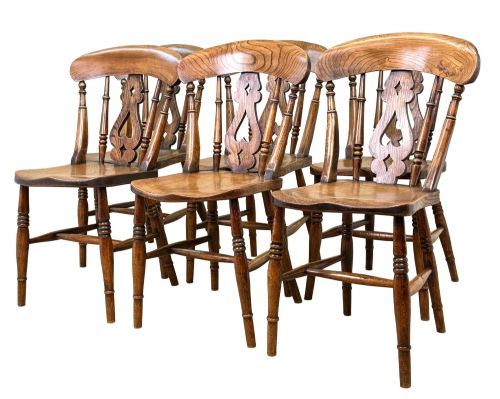
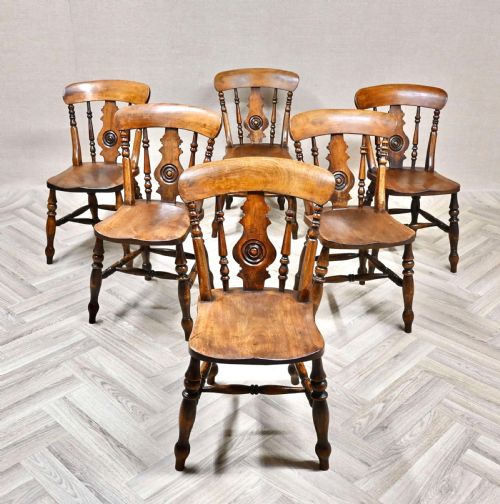
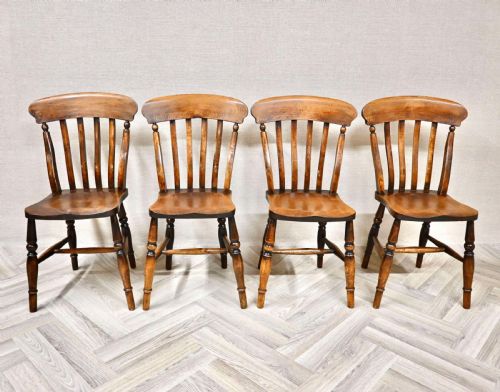
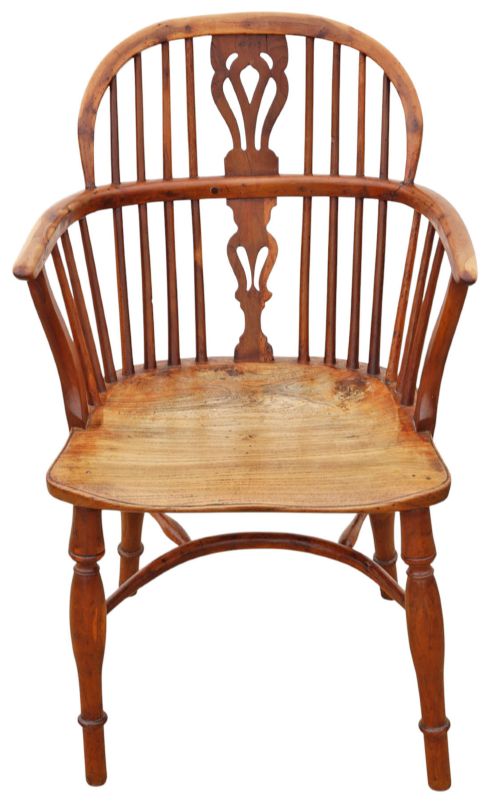
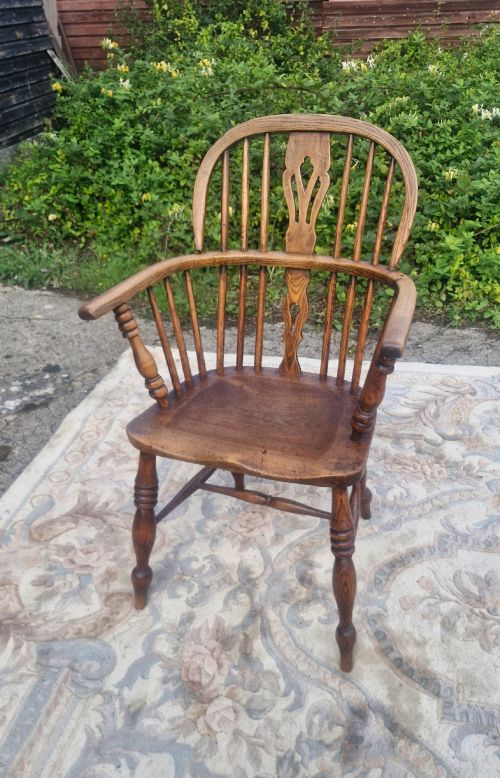
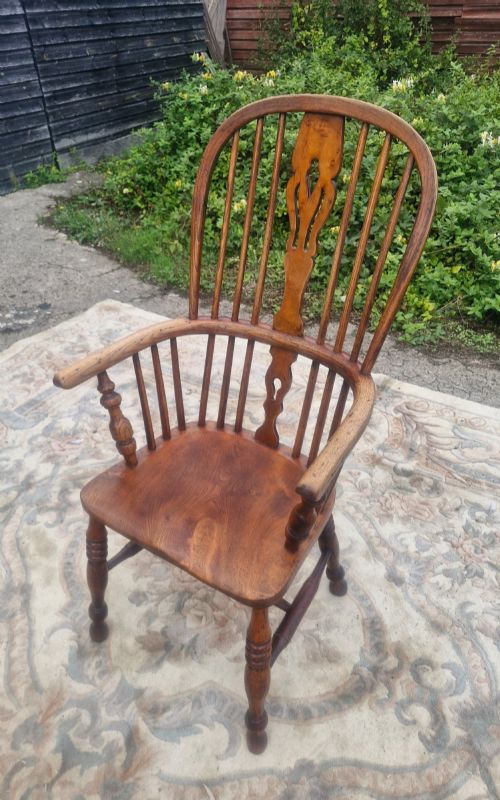
Brown windsor chairs encompass a diverse range of vernacular seating forms, including low back, high back, wheel back, lathback, and comb back variants. Buyers searching this phrase look for solid timber construction originating from periods such as the 18th century, Georgian era, 19th century, Victorian period, and Edwardian times.
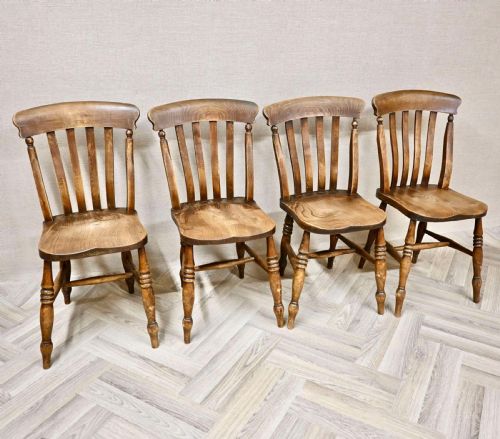
The most common examples encountered on this page are dining chairs, kitchen chairs, armchairs, and desk chairs designed for practical domestic use. These pieces often arrive in sets or pairs, alongside individual carvers, smokers bows, and rocking chairs.
Origins span English country and regional workshops, featuring distinct regional variations such as Scottish and West Country examples. Their enduring appeal lies in their combination of rustic utility and time-worn wooden surfaces.
How they were made
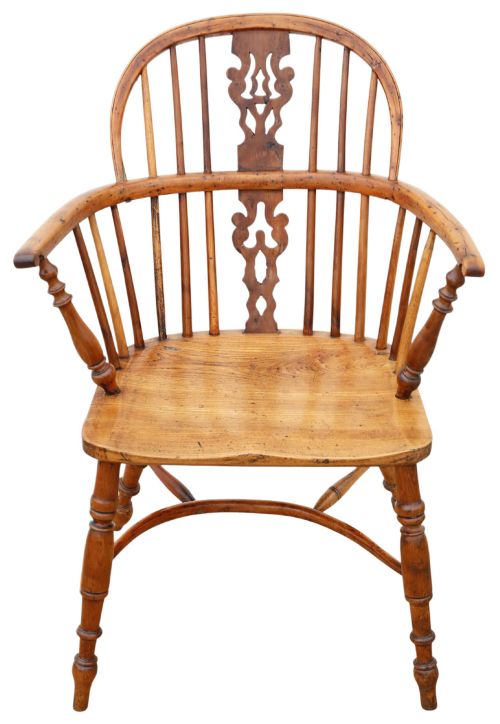
Makers utilised a combination of native timbers, frequently pairing elm for solid sculpted seats with ash, beech, or birch for the turned spindles, legs, and bow frames. Yew wood also appears in finer examples, valued for its rich grain and warm tone.
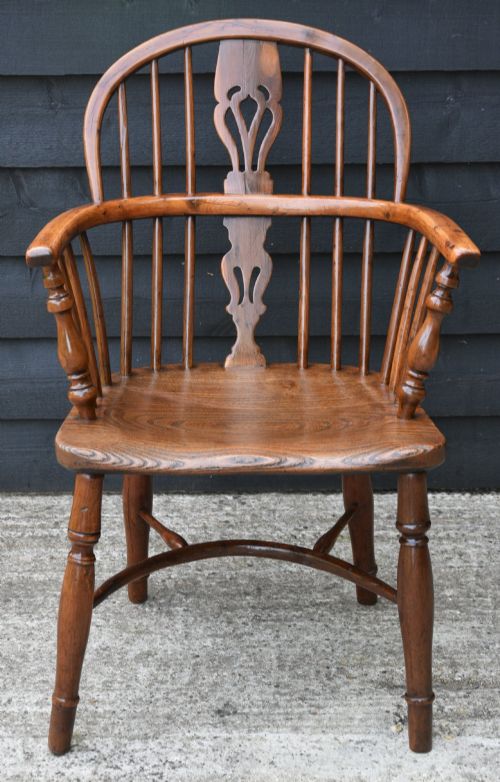
Construction relied on traditional stick-back and hoop-back joinery where turned components and steam-bent rails were wedged directly into the thick wooden seat. Additional structural stability often came through the use of crinoline stretchers connecting the legs.
Several examples are affectionately termed smoker's bows, ready for long evenings by the hearth.
What varies in quality
Quality differences rest largely in the choice of wood and the depth of the timber's patina, with rich yew and deeply grained elm sitting at the upper end of the scale. The crispness of the turning on the spindles and legs also distinguishes finer regional work from standard utility seating.
Proportion and comfort dictate value, seen in the generous sculpting of the solid elm seat and the graceful sweep of the bentwood arm bows. Chairs retaining original stretchers and minimal structural replacement maintain higher integrity.
J SPENCER
The Brown Windsor Chairs Glossary
- Comb back
- A windsor chair variation featuring a high backrest topped by a horizontal headboard resembling the teeth of a comb, supported by vertical spindles.
- Crinoline stretcher
- An arched underframe connecting the legs of a chair for added rigidity, commonly found on 18th-century and early 19th-century windsor forms.
- Smoker's bow
- A low-backed armchair, also known as a captain's chair, featuring a continuous curved arm rail atop turned spindles and a solid wooden seat.
- Wheel back
- A chair back design incorporating an openwork splat carved in the shape of a spoked wagon wheel.
- Vernacular
- Regional furniture built by local craftsmen using traditional methods and native materials rather than adhering to formal metropolitan design styles.
Brown Windsor Chairs: Frequently Asked Questions
What is a windsor chair?
A windsor chair is a wooden seat constructed with a thick solid timber saddle seat into which the legs and back spindles are independently jointed.
Unlike upholstered furniture, the structural frame relies on turned and bent wood components to provide support.
How do I identify an 18th-century windsor chair?
Eighteenth-century examples often display comb backs, heavy ash and elm construction, and continuous arm bows shaped from a single bent timber.
They frequently incorporate crinoline stretchers beneath the seat to brace the turned legs.
Are windsor chairs comfortable for daily dining?
Their seats are deeply saddled and carved from solid elm to fit the contours of the body, offering natural ergonomic support.
Adding loose cushions can further increase comfort for extended seating at a dining table.
What woods were used to make these chairs?
Elm is the primary timber used for carving the solid seats because of its resistance to splitting.
Ash, beech, birch, and yew are commonly selected for the spindles, legs, and bentwood bows due to their flexibility and grain.