

Brown Watercolour
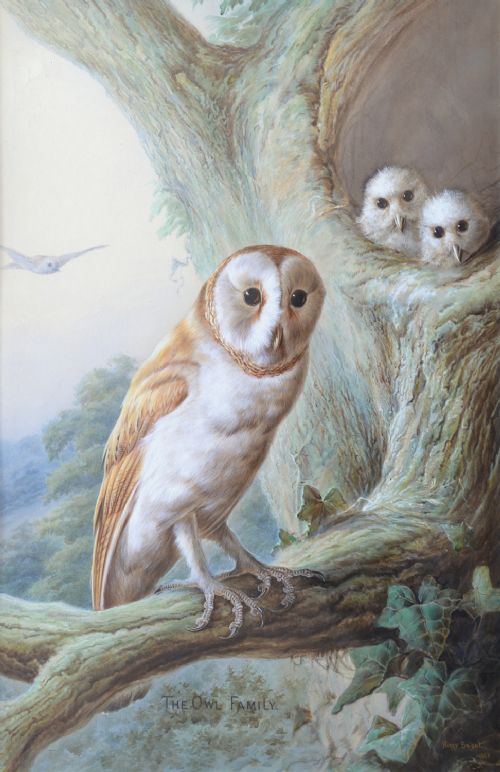
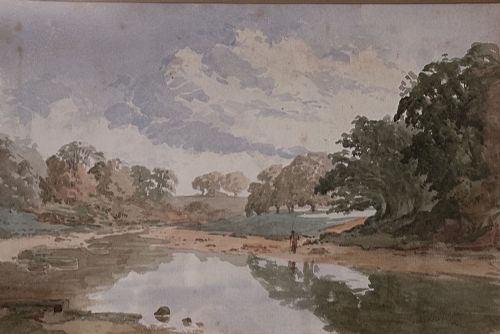
Brown watercolour brings together fine works on paper, capturing scenes from quiet village streets to dramatic maritime coastlines.
Brown Watercolour
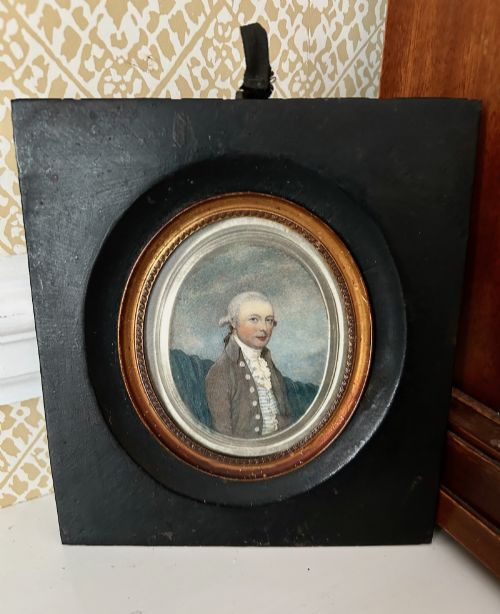
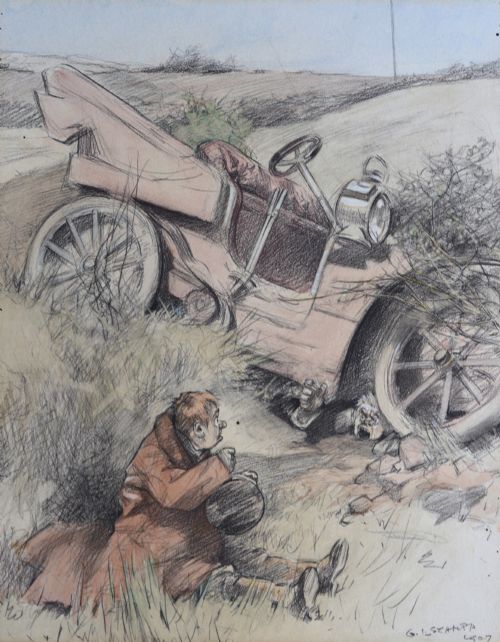
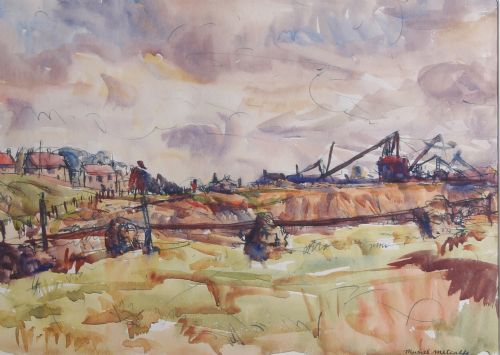
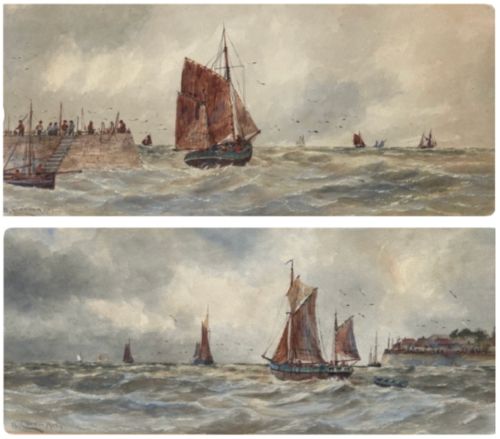
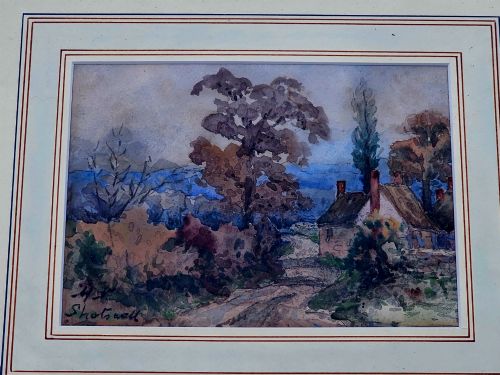
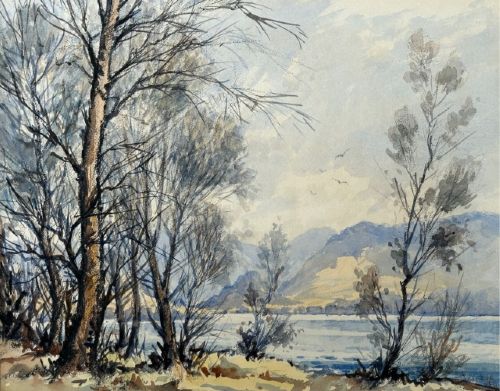
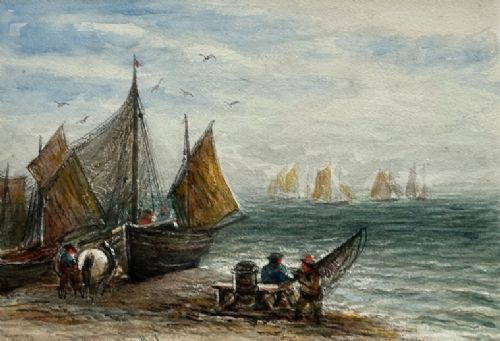
When you search for brown watercolour, you encounter a focused selection of paintings and works on paper created across the nineteenth and twentieth centuries. These pieces encompass framed art, portrait miniatures, and landscape scenes rendered in subdued earth tones.
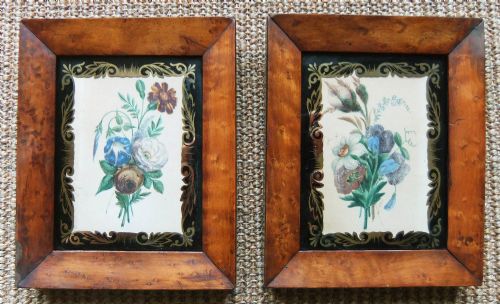
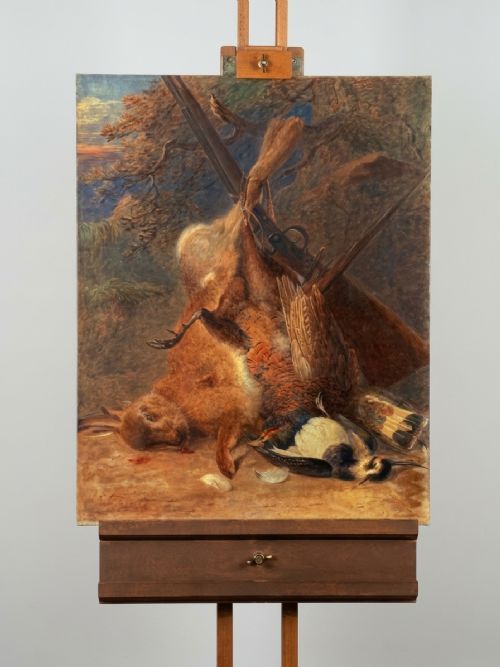
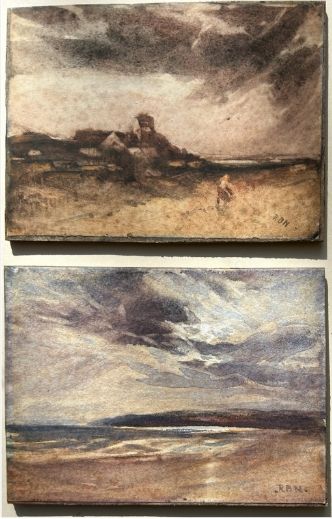
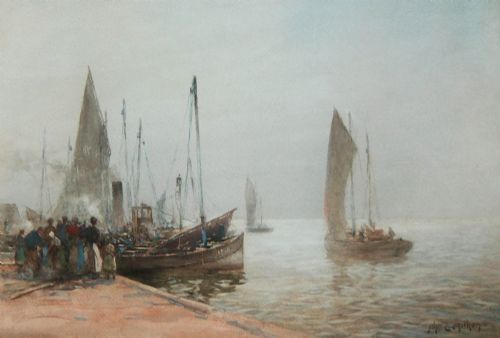
The selections on this page feature British and international subjects, ranging from Victorian seascapes and flower studies to early twentieth-century impressionist sketches and detailed animal portraits.
Materials and technique
Artists relied primarily on watercolour pigment, ink, gouache, and bodycolour applied to paper surfaces, occasionally complemented by wooden frames and glass glazing.
Paintings were created using fine brushes and wash techniques, capturing subtle tonal shifts in sepia and earth pigments to define form and shadow.
Brown Watercolour Retail Price Guide 2026
Typical asking prices for brown watercolour among the pieces listed under this phrase on Sellingantiques today, from the lower quarter to the upper quarter. They describe what is for sale here now, not the wider market.
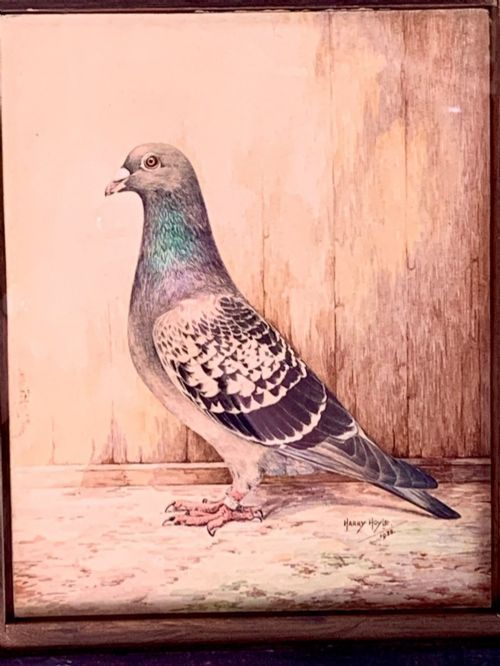
A royal messenger pigeon earned a spot in the watercolour record, commemorating a King George V Silver Jubilee winner from 1935.
Factors of quality
The strength of a composition rests on the artist's handling of pigment density and the preservation of the paper support over time.
Works that exhibit confident brushwork, clear signatures, and strong provenance stand apart from anonymous student exercises.
Robert Buchan Nisbet·Harry Bright·George Sydney Shepherd·George Lorain Stampa·James Orrock·William Cannon·John R Prentice·Henry Stacy Marks·John Hassall·John McDougal·James E Aitken·Robert Leslie Howey·Henry Silkstone Hopwood·Muriel Metcalfe·John Smith Atherton·Hector Caffieri·Henry Travis·Carl Haag·TB Hardy·Hendrik Valkenberg·Frederick Tatham·Herman S Melville·George Blackman·Ralston Gudgeon·James Hayllar
The Brown Watercolour Glossary
- Gouache
- An opaque watercolour paint mixed with a white pigment binder to create a heavier, matte finish. This medium allows artists to build bright highlights over darker brown washes.
- Bodycolour
- Watercolour paint rendered opaque by the addition of a white pigment, giving areas of the painting a solid, gouache-like opacity. It was frequently used to add depth to nineteenth-century watercolours.
- Wash
- A thin, fluid application of diluted watercolour pigment across the paper to create smooth background tones or skies. Mastering this technique prevents harsh lines in monochromatic brown studies.
- Portrait Miniature
- A small, highly detailed painting executed on paper, vellum, or ivory, often featuring a specific individual. These works frequently date from the early nineteenth century.
- Provenance
- The documented history of ownership surrounding a work of art, establishing its authenticity and origin. A clear record adds significant context to signed landscape and portrait watercolours.
Brown Watercolour: Frequently Asked Questions
What is a brown watercolour?
A brown watercolour is a work on paper executed predominantly in earth tones, sepia, or monochrome brown pigments. These paintings capture landscapes, portraits, and maritime scenes across various historical periods.
Artists utilised these restricted palettes to achieve dramatic tonal depth and subtle shadow work without relying on a full spectrum of colour.
How should I frame and display these watercolours?
Watercolours require careful framing behind glass with acid-free mounts to prevent the paper from touching the glazing. This protects the delicate pigments from moisture and physical damage.
Position your artwork away from direct sunlight to preserve the integrity of the paper and prevent the brown washes from fading over time.
How do I identify the period of a watercolour?
Dating a watercolour often relies on the style of the mounting, framing materials, and the paper stock itself. Signatures, inscriptions on the reverse, and artist records also provide reliable chronological markers.
Victorian and Edwardian pieces frequently feature distinct subject matter, costume details, and framing techniques characteristic of their respective decades.
Were these paintings created outdoors?
Many nineteenth-century watercolours were initiated as quick en plein air sketches before being completed in the studio. Artists carried portable paintboxes containing pigments and washes to capture fleeting weather and landscape effects.
Larger exhibition pieces were typically developed in the studio using these preliminary field studies as direct reference material.