




Brown Watercolour Landscape
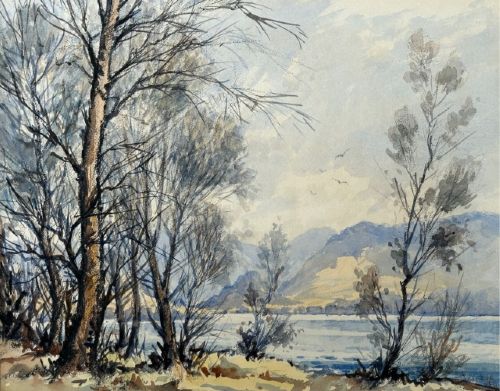
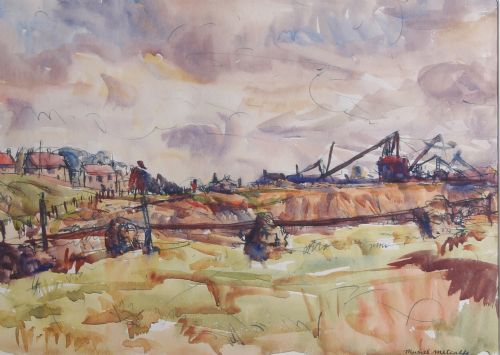
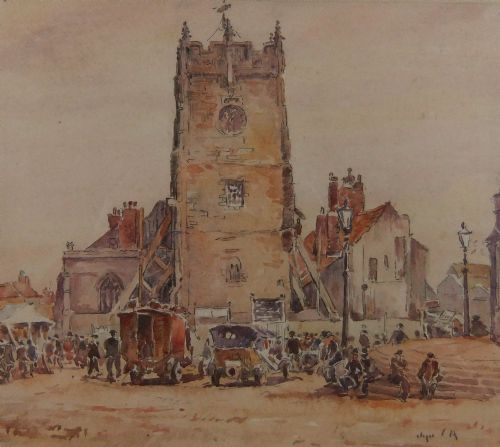
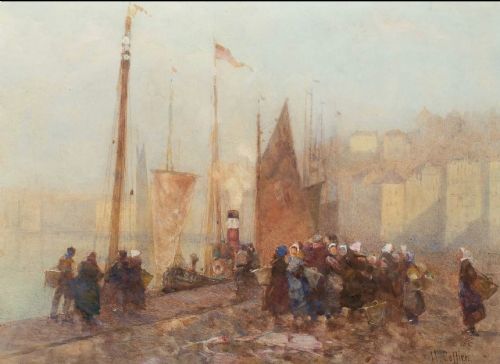
A brown watercolour landscape offers a quiet, tonal view of British rivers and towns, prized for its atmospheric washes and monochrome discipline.
Understanding the Pieces
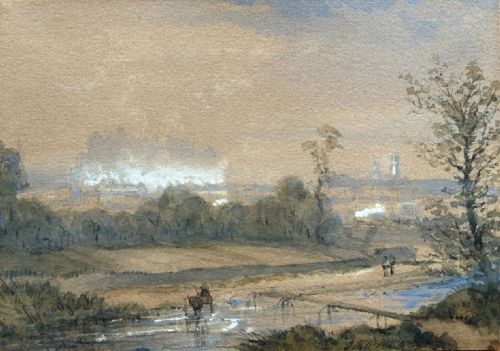
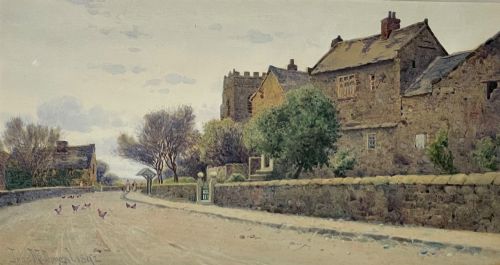
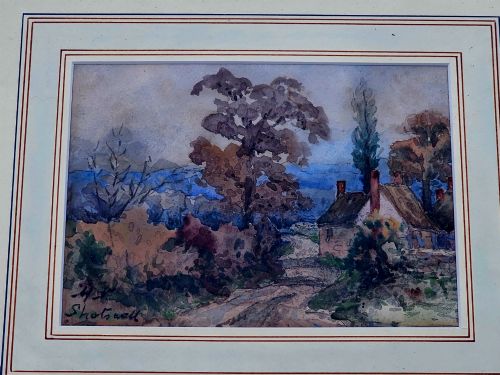
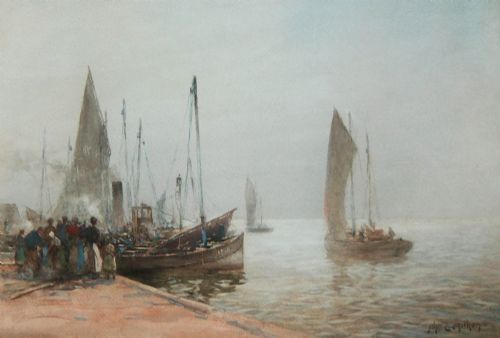
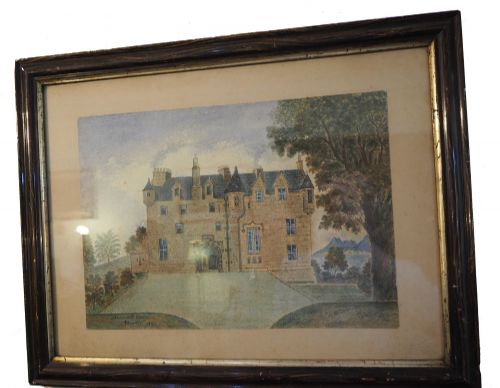
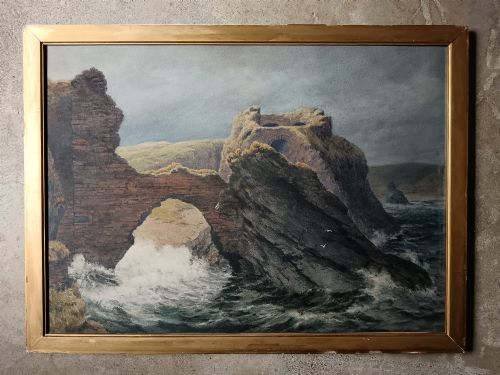
A brown watercolour landscape centres on tonal earth pigments, capturing rivers, harbours, and architectural scenes across Britain. These works record regional views from Yorkshire to London, reflecting topographical interest and rural settings.
The pieces on this page span the nineteenth and early twentieth centuries, moving from late Victorian traditions into early twentieth-century British school movements. Collectors encounter atmospheric river scenes, mountain vistas, and historic street views rendered in monochromatic or restrained palettes.
Represented styles include British Impressionism, Victorian academic work, and Edwardian approaches to outdoor subjects. The focus remains on natural light, water, and earth tones applied directly to paper.
Materials and Technique
Watercolour pigment and paint are applied directly to paper supports, utilising the white of the sheet to create highlights and luminous distance. Artists build depth through translucent washes rather than heavy opaque layers.
Surviving examples are protected behind glass and housed within wood frames, preserving the water-soluble pigments from moisture and atmospheric degradation over the decades.
Retail Price Guide 2026
Typical UK retail prices for brown watercolour landscape, calculated from the Sellingantiques database of over a million retail prices indexed since 2003. This retail price guide relies exclusively on Sellingantiques data; no external sources or auction records are used, so the figures do not describe the wider market.
Listings feature works spanning the nineteenth and early twentieth centuries, executed on paper using watercolour pigment.
Assessing Quality
Superior works demonstrate confident brushwork and controlled washes that convey atmospheric depth without muddying the paper. The best examples capture the specific light of a location, whether a Yorkshire river or a Scottish loch, with economy and precision.
Compositional strength and the artist's ability to render architectural detail or flowing water distinguish accomplished professional pieces from simpler amateur topographical sketches.
Alfred George Morgan·Walter Follen Bishop·George Graham·William A Macdonald·Fred Lawson
The Brown Watercolour Landscape Glossary
- Watercolour
- A painting method where paint is made from pigments suspended in a water-based solution. It relies on transparent washes applied to paper.
- Wash
- A thin, fluid layer of diluted watercolour paint spread across the paper to create smooth areas of tone or colour. It forms the basis of sky and water effects in landscape painting.
- Topography
- The detailed mapping and artistic representation of specific real-world locations. Many early landscape works served to record historic buildings and regional scenery.
- Support
- The physical material upon which the painting is created. In these works, the support is invariably paper.
Frequently Asked Questions
What is a brown watercolour landscape?
A brown watercolour landscape is a painting executed in water-based pigments on paper, dominated by earth tones and sepia washes. These works typically depict British rivers, historic towns, and rural scenery.
Artists utilised this restricted palette to emphasise light, shadow, and atmospheric conditions rather than vibrant local colours.
How should I hang watercolour paintings?
Watercolours require careful placement away from direct sunlight, which causes fading in delicate pigments over time. Glazing with protective glass and framing with acid-free mounts helps preserve the paper.
menjaga stable humidity levels in the room prevents foxing and paper degradation.
How do I identify the period?
Dating relies on stylistic markers such as brush technique, framing, and signature styles typical of British Impressionism or Victorian art. Subject matter and paper watermarks also offer clues to the era of creation.
Many works include artist signatures and period inscriptions that help confirm the decade.
Were these painted outdoors?
Many early twentieth-century artists painted landscape studies directly on site, capturing transient weather and light conditions. These plein air sketches often informed larger studio watercolours.
Others were composed in the studio using initial pencil drawings made during travels.