


Brown Watercolour Art
When you search for brown watercolour art, you are looking at works on paper defined by earth pigments, sepia tones, and tonal washes.
Brown Watercolour Art
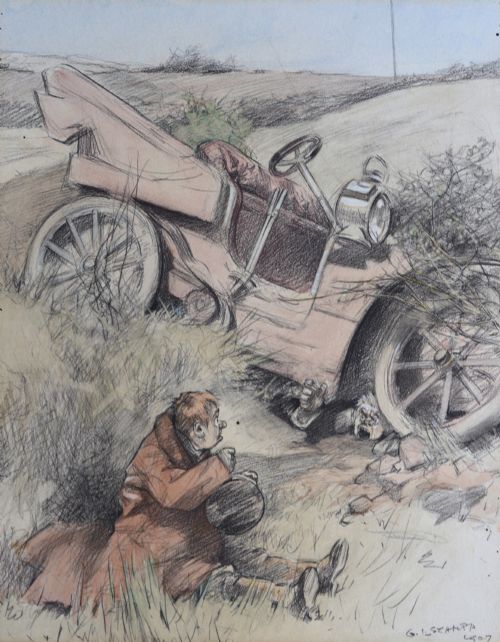
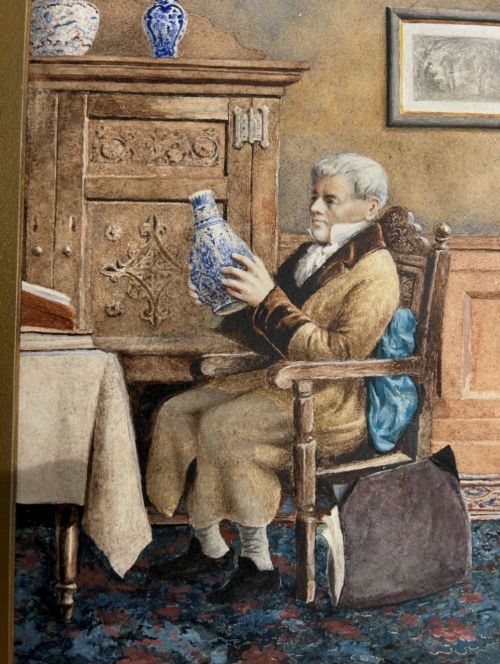
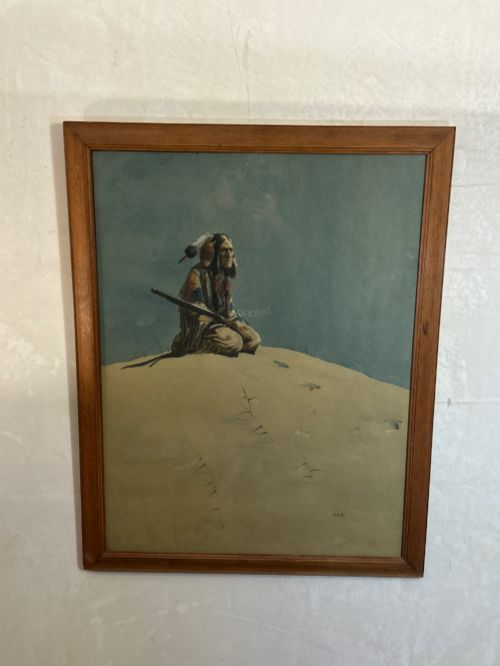
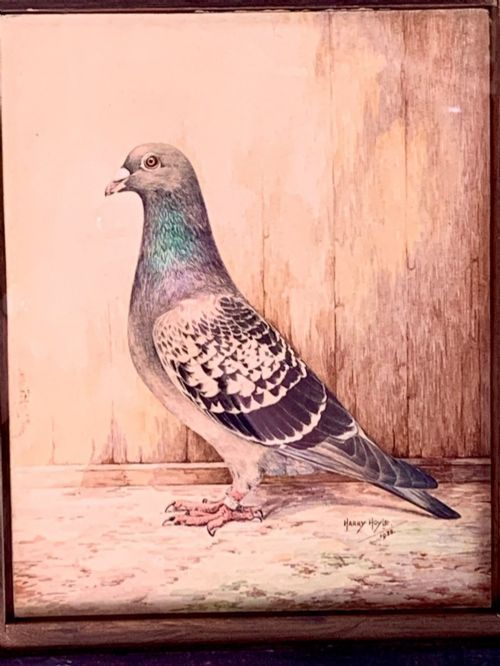
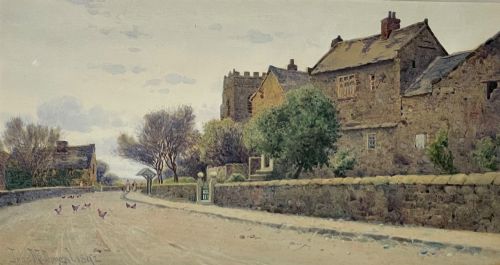
Brown watercolour art encompasses original paintings executed on paper using water-soluble pigments, ink, gouache, and bodycolour in monochromatic or earth-driven palettes. These works span the nineteenth century, the Edwardian era, and mid-century modern periods, reflecting shifts in British and European landscape, marine, and portrait subjects.
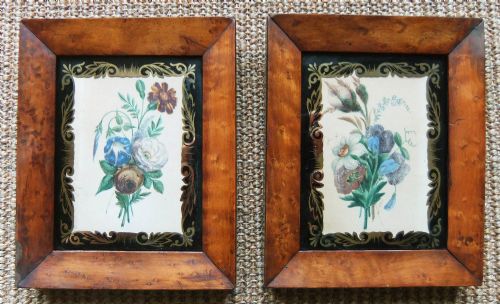
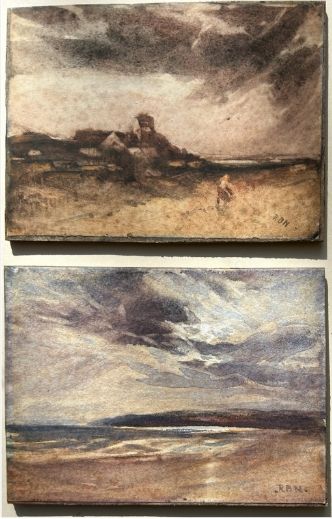
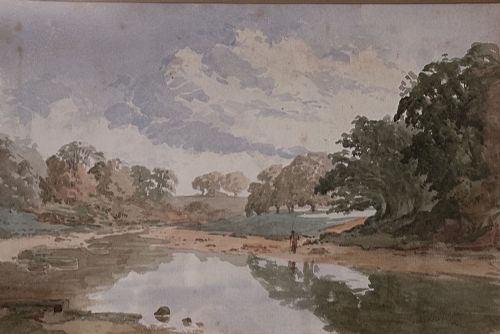
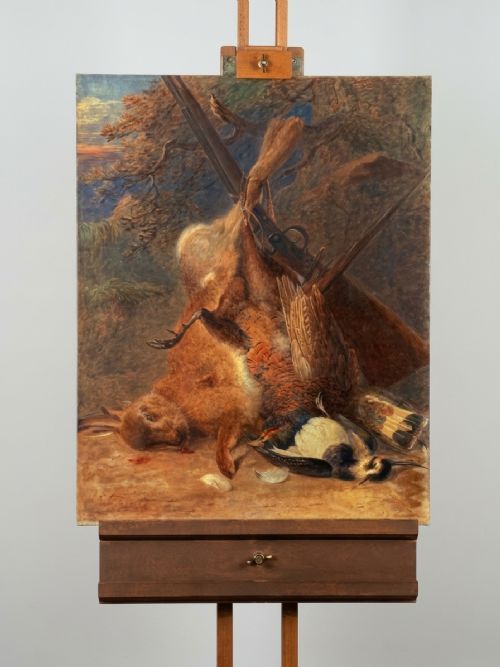
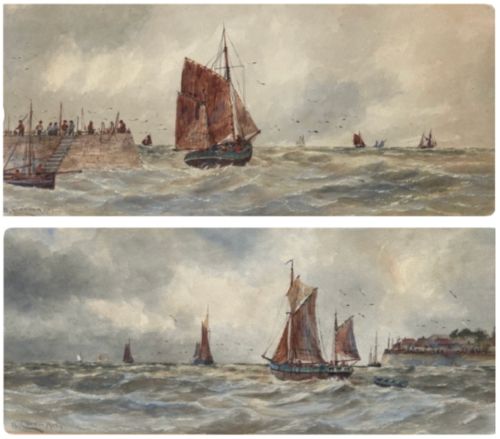
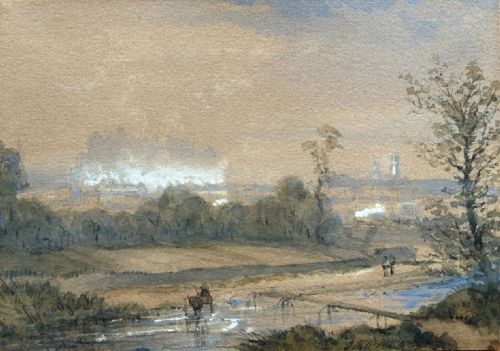
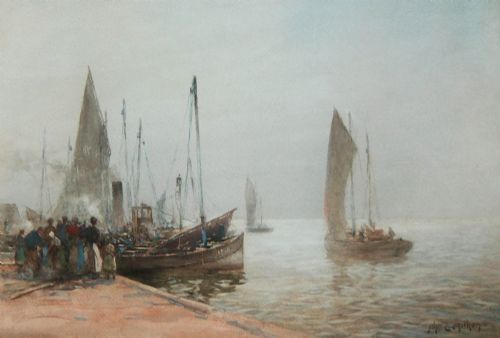
The most common examples on this page are nineteenth-century British landscapes, seascapes showing fishing boats and harbours, and architectural or botanical studies. Painters utilised varied brown washes to build depth and shadow before photography altered how artists recorded light.
Framed examples frequently retain their period wood frames and glass protection, preserving the fragile paper beneath. Buyers encounter both intimate sketches and exhibition-scale works bearing signatures from named artists or attributed schools.
How They Were Made
These works rely on paper supports treated with watercolour pigment, ink, and gouache applied through fluid washes and fine brushwork. Artists layered transparent watercolours to create luminous shadows, occasionally introducing bodycolour or chalk to lift highlights against darker sepia tones.
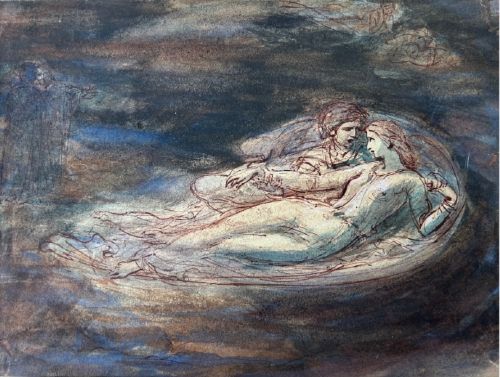
Pencil or ink underdrawings often remain visible beneath the pigment, mapping composition before the application of brown washes. Finished sheets were secured behind glass within timber frames to guard against moisture and light degradation.
The archive includes works associated with British Impressionism, Victorian Maritime, Modern British, and Mid-Century Modern styles.
What Varies in Quality
Quality rests upon the confidence of the brushwork and the artist's command of tonal gradation within a restricted brown palette. Skilled hands create atmosphere and distance through subtle shifts in wash density rather than heavy pigment.
The condition of the paper surface and the stability of the original framing dictate the longevity of each piece. Strong provenance, legible signatures, and distinct subject matter elevate individual works above standard decorative examples.
Robert Buchan Nisbet·Harry Bright·George Sydney Shepherd·George Lorain Stampa·James Orrock·William Cannon·John R Prentice·Henry Stacy Marks·John Hassall·John McDougal·James E Aitken·Robert Leslie Howey·Henry Silkstone Hopwood·Muriel Metcalfe·John Smith Atherton·Hector Caffieri·Henry Travis·Carl Haag·Frederick Tatham·Herman S Melville·George Stanfield Walters·Ralston Gudgeon·James Hayllar·John Moxon·F J Snell
The Brown Watercolour Art Glossary
- Bodycolour
- Watercolour mixed with a white pigment to render it opaque rather than transparent. This technique adds solid highlights to darker areas.
- Gouache
- An opaque water-based paint consisting of pigment and other inert materials designed to be used in a similar manner to watercolour.
- Wash
- A thin, fluid layer of watercolour pigment spread evenly across paper to create smooth backgrounds, skies, or tonal shadows.
- Seascape
- A painting depicting the sea, ships, or coastal views. These marine subjects form a significant portion of nineteenth-century watercolours.
- Provenance
- The documented history of a work's ownership and origin. Clear attribution adds context to unsigned or school pieces.
Brown Watercolour Art: Frequently Asked Questions
What is brown watercolour art?
Brown watercolour art consists of original paintings on paper utilising sepia, umber, and earth-toned pigments, inks, and washes.
These works range from intimate botanical studies to large nineteenth-century British landscapes and maritime scenes.
How should I hang watercolours?
Watercolours require placement away from direct sunlight to prevent the paper from yellowing and the pigments from fading.
Protective glass and stable indoor humidity levels ensure these delicate works survive without sustaining environmental damage.
Are all pieces signed by the artist?
Many works bear legible signatures, dates, or studio inscriptions, while others represent the output of established British schools.
Attributions rely on stylistic evidence, contemporaneous framing, and recorded exhibition histories where available.
What periods do these paintings cover?
The selection spans the nineteenth century through the Edwardian period, extending into mid-century modern examples.
Victorian and early twentieth-century pieces form the core of the available artistic styles.