



Brown Walnut Pier Glass
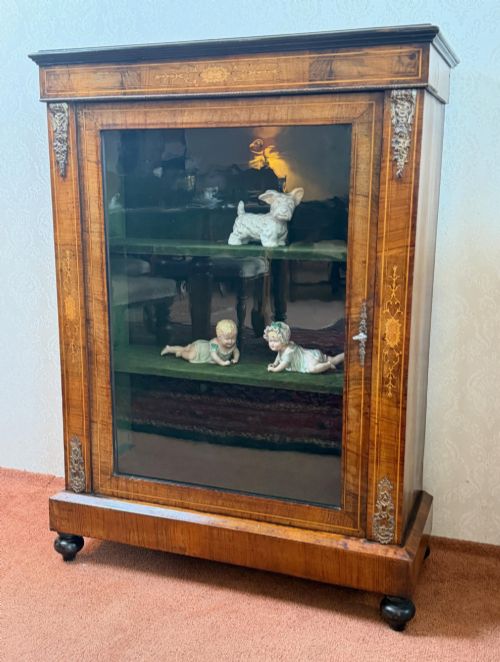
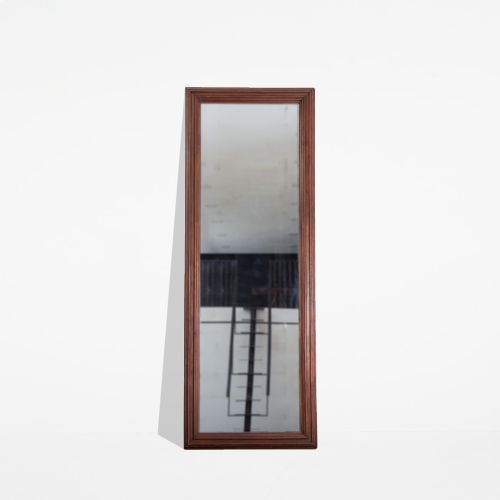
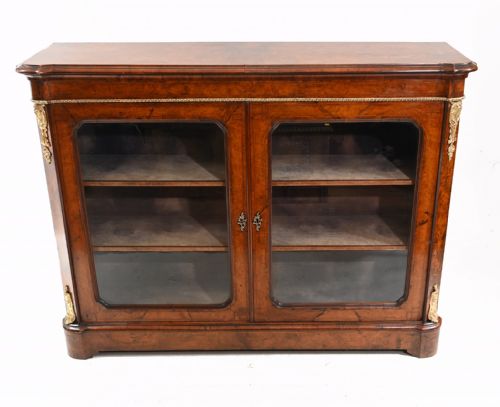
These brown walnut pier glass pieces are classic mirrors and cabinets designed to catch the light between windows.
Brown Walnut Pier Glass
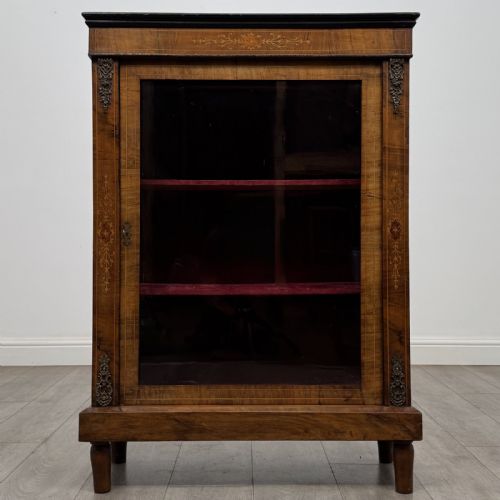
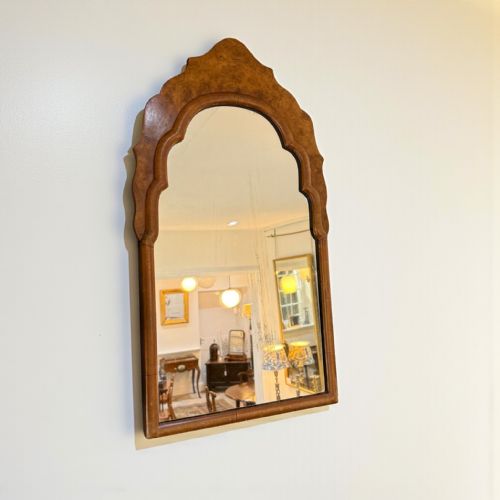
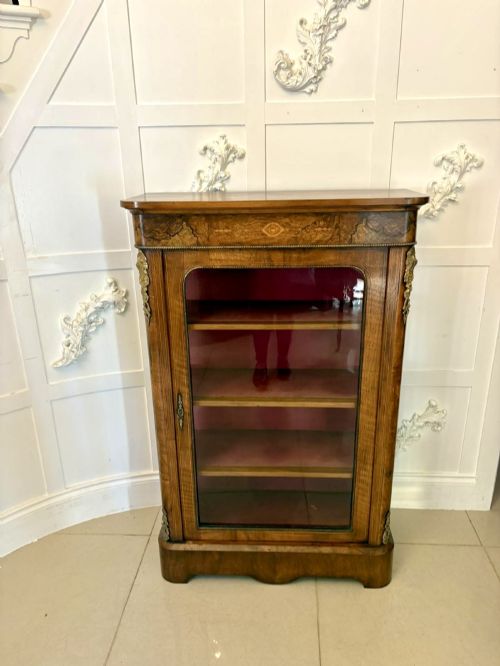
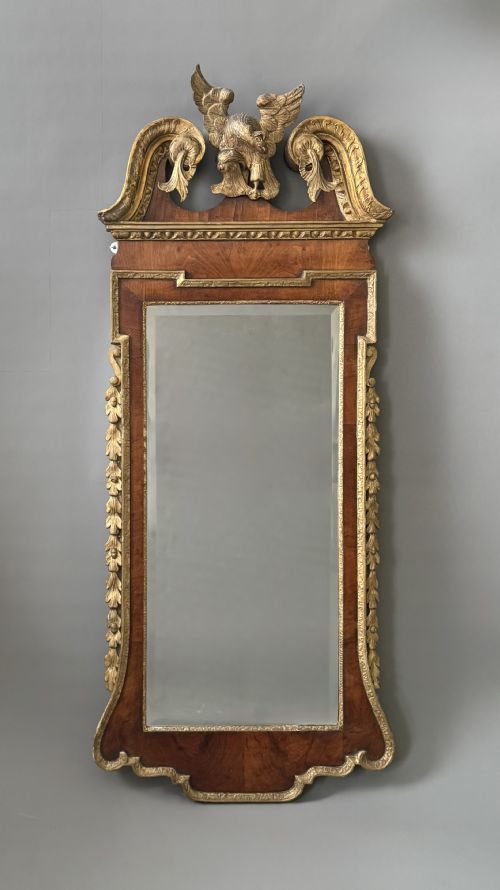
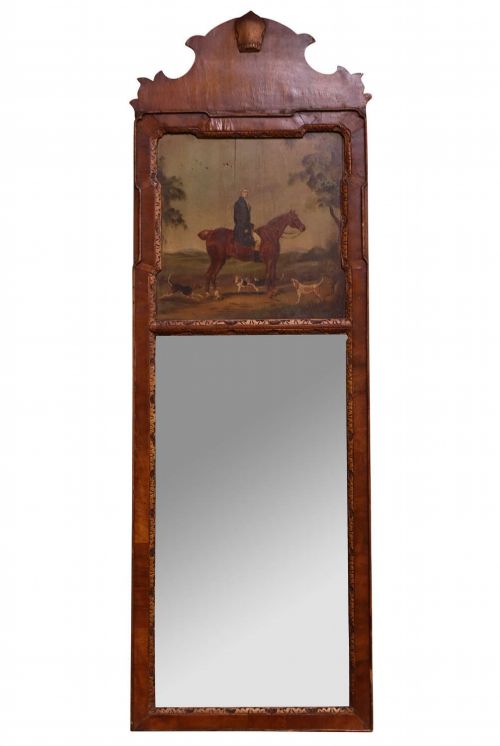
When you search for a brown walnut pier glass, you encounter tall wall mirrors and companion cabinets originating from periods spanning the eighteenth century through to the Edwardian era. The pieces listed combine rich walnut timbers, burr veneers, and glass plates designed to hang between windows or stand against narrow wall piers.
How they were made
Cabinet makers and mirror frame constructors utilised solid walnut and decorative burr walnut veneers applied to secondary timbers, often enhanced with boxwood marquetry, cross-banding, and fine stringing. Many pieces incorporate parcel gilt accents, giltwood mouldings, and ormolu mounts to highlight the grain and structure.
Glass plates in the earlier Georgian and Vauxhall tradition sit within rebated frames, whilst nineteenth-century examples feature bevelled mirror glass and occasionally inset hand-painted panels or oil paintings.
Brown Walnut Pier Glass Retail Price Guide 2026
Typical asking prices for brown walnut pier glass among the pieces listed under this phrase on Sellingantiques today, from the lower quarter to the upper quarter. They describe what is for sale here now, not the wider market.
Listings feature walnut, burr walnut, ormolu, and giltwood materials across Victorian, Georgian, and Queen Anne revival periods.
What varies in quality
The standard of craftsmanship shows in the selection of timber, particularly the symmetry and depth of the burr walnut veneers and the precision of the boxwood inlay and marquetry. Finer examples display meticulous carving on parcel gilt details and fretwork, maintaining crisp edges and balanced proportions.
The retention of original glass plates and hardware, such as brass fittings and internal velvet linings in the display cabinets, separates superior survivals from pieces that have undergone later alterations.
Druce & Co
The Brown Walnut Pier Glass Glossary
- Pier glass
- A tall mirror designed to hang on the wall space between two windows. These mirrors frequently stood above matching console tables or pier cabinets.
- Burr walnut
- A prized timber harvested from the wart-like growths on walnut trees, yielding complex swirling grain patterns. Cabinet makers sliced this wood into thin veneers for decorative surfaces.
- Marquetry
- The art of forming decorative patterns using thin veneers of different coloured woods and materials. Boxwood is frequently utilised for contrasting inlay on dark walnut grounds.
- Parcel gilt
- A finishing technique where portions of an object are highlighted with thin layers of gold leaf. This method accentuates carved mouldings and architectural details on walnut frames.
Brown Walnut Pier Glass: Frequently Asked Questions
Where should I place a pier glass?
These mirrors suit narrow wall spaces, particularly the wall section between two windows where they reflect natural light.
Pairing them with a low console table or a slender pier cabinet creates a balanced historical arrangement.
How do I identify a Georgian mirror?
Georgian mirrors often feature fretwork frames, parcel gilt decoration, and original Vauxhall mirror plates with bevelled edges.
Construction details and timber patination help distinguish eighteenth-century pieces from later revival items.
What is burr walnut?
Burr walnut comes from irregular growths on the tree, producing dense, swirling patterns within the timber.
Cabinet makers applied these figured veneers to the primary display surfaces of high-status furniture.
How were pier cabinets used?
Victorian pier cabinets served to display porcelain, glass, and curiosities behind glazed doors in formal reception rooms.
Their shallow depth allowed them to fit neatly against walls without obstructing pathways.