
Brown Walnut Pedestals
Brown walnut pedestals bring strong timber and steady vertical form into a room, holding lamps, writing surfaces, or display pieces with calm authority.
Brown Walnut Pedestals
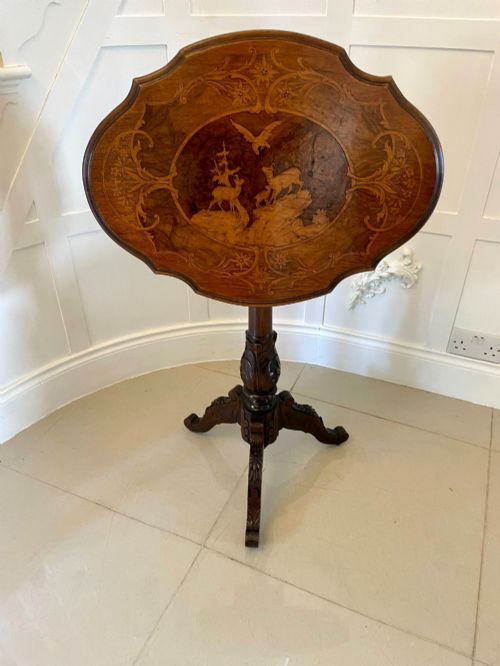
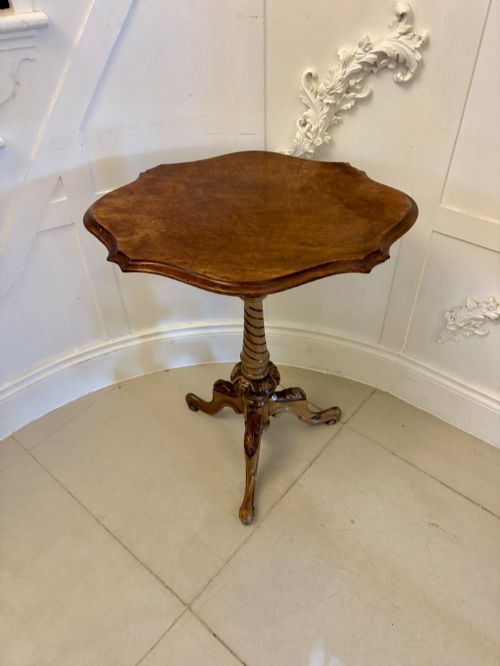
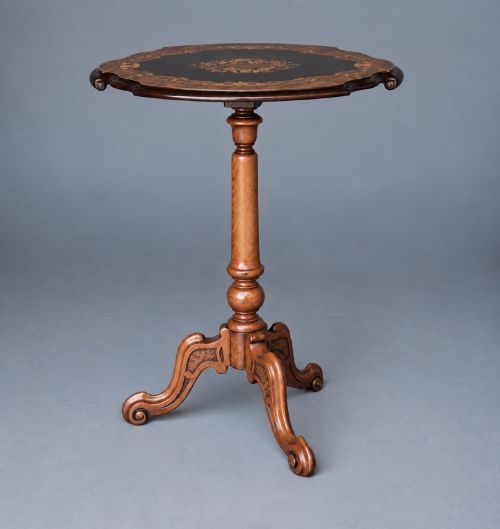
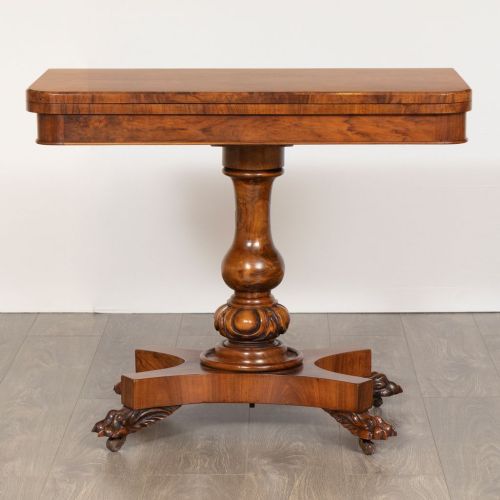
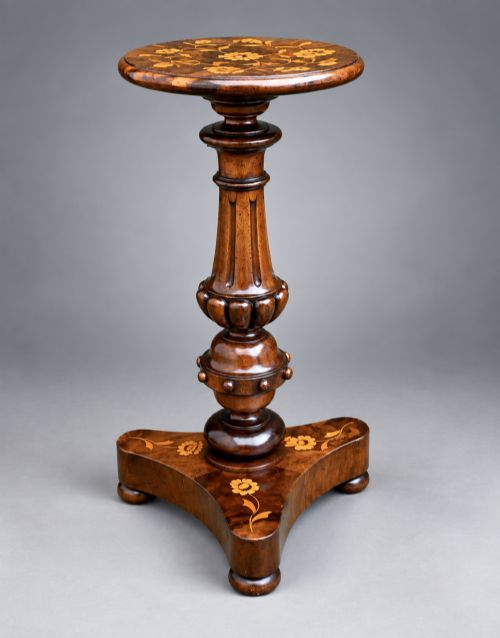
When buyers search for brown walnut pedestals, they look for sturdy, single-support timber furniture designed to elevate objects or provide a compact writing surface. The evidence shows these forms appearing across the Victorian, Edwardian, and Art Deco periods, alongside 18th-century examples.
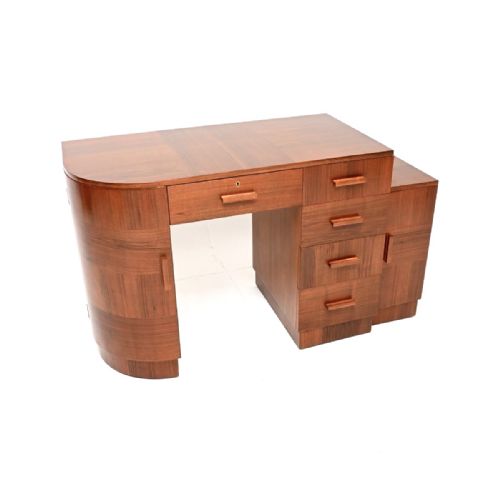
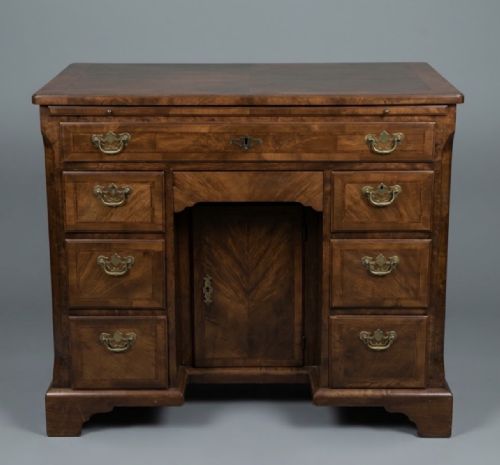
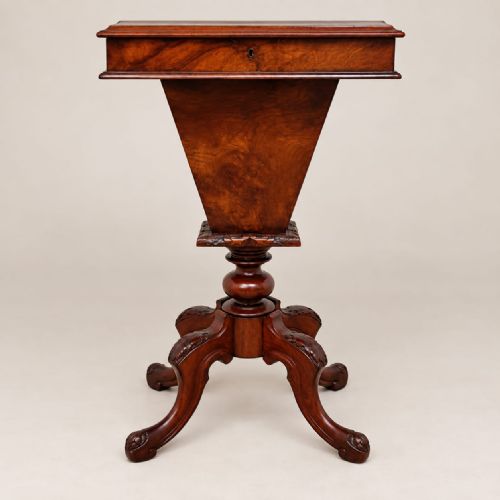
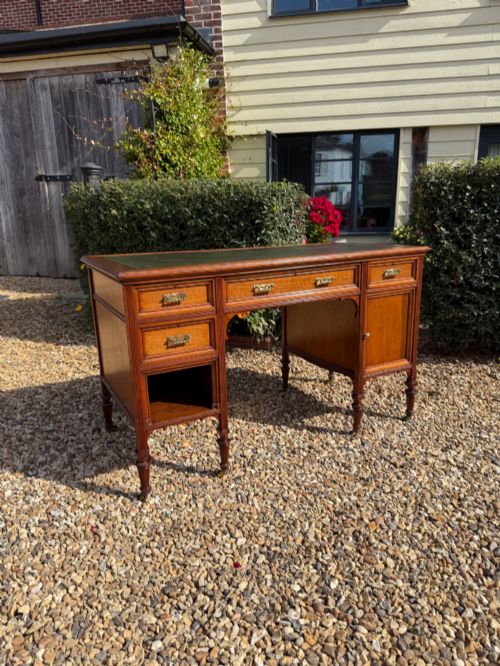
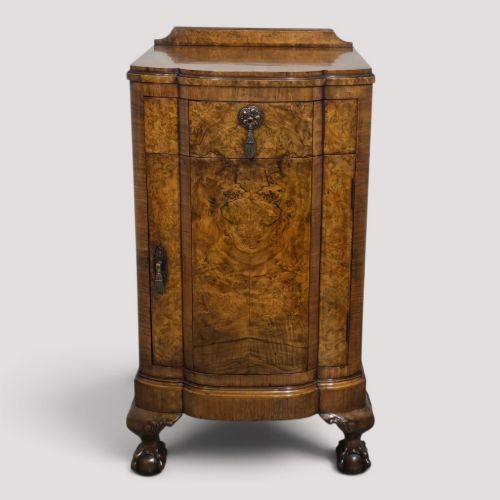
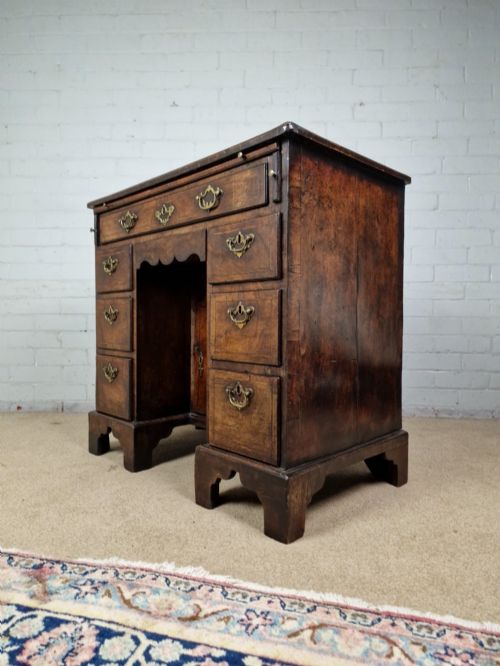
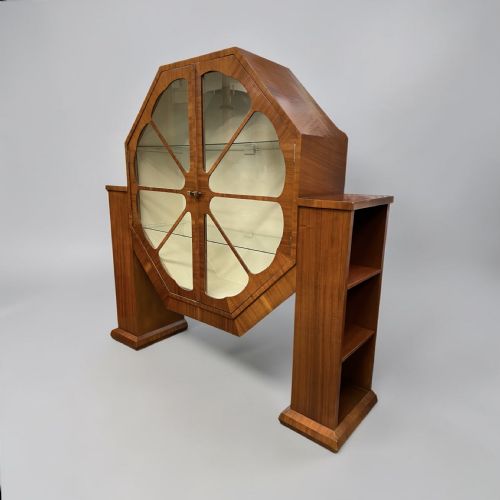
The most common examples on this page are Victorian and Art Deco tables, desks, and cabinets that utilise walnut timbers. These pieces range from lamp and sewing tables to pedestal desks fitted with leather tops and multiple drawers.
Origins stretch from English workshops to continental makers, employing styles that span Queen Anne revivals, Georgian designs, and clean-lined Art Deco geometry. Each piece relies on a central pillar or pedestal base to anchor its design.
Factors That Determine Quality
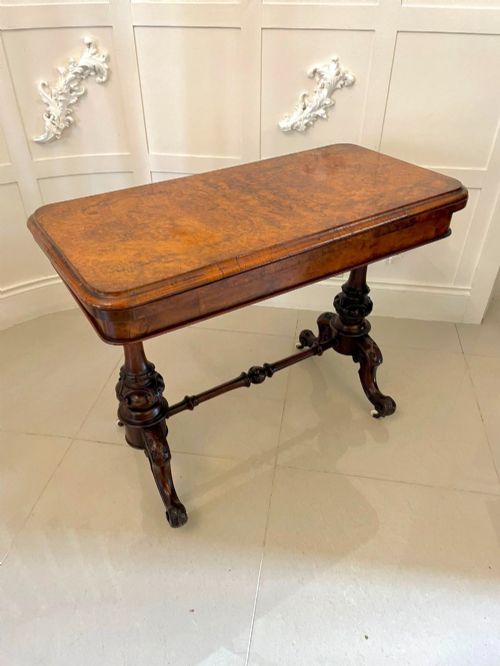
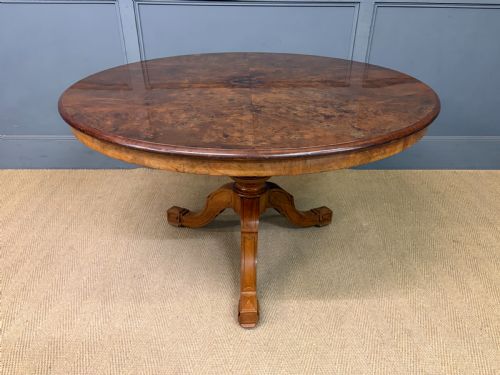
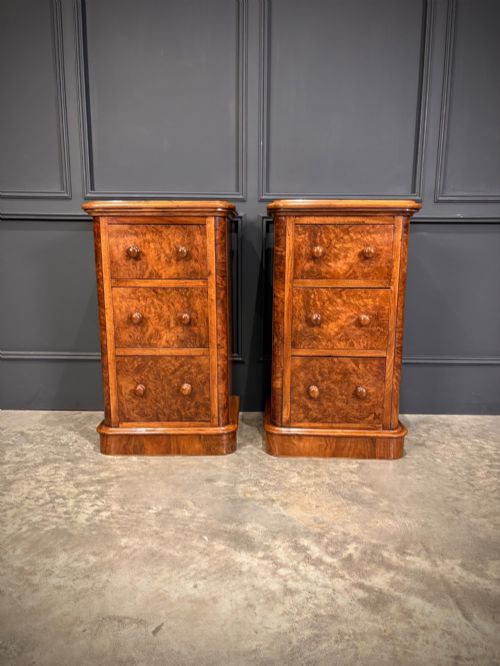
Quality rests on the selection and matching of the walnut veneer, where symmetrical figuring elevates a plain carcase into a striking focal point. Master craftsmen ensured that burr patterns flowed naturally across drawers and top surfaces without awkward breaks.
Carved details on the central pedestals and tripod bases separate standard production from exceptional pieces. Crisp hand-carving on pillar mounts and sturdy, wobble-free pillar construction indicate superior workshop standards.
Listings feature walnut furniture across the 18th, 19th, and 20th centuries, including Art Deco cabinets and Victorian card tables.
Maple and Co
The Brown Walnut Pedestals Glossary
- Burr Walnut
- A veneer taken from the knotted growth of a walnut tree, prized for its swirling, highly decorative grain pattern. It appears frequently on tabletops and desk facades from the Victorian period onwards.
- Pedestal Desk
- A freestanding desk comprising two independent drawer pedestals that support a wide writing top. These often feature inset tooled leather writing surfaces.
- Marquetry
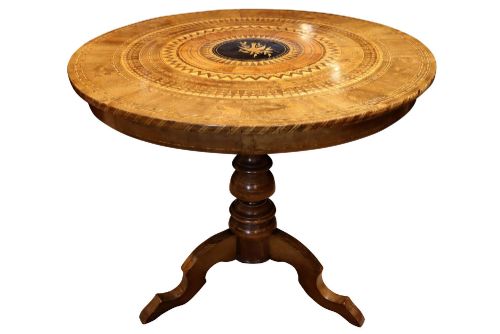
- The art of applying pieces of veneer to a structure to form decorative patterns and pictures. Makers utilised contrasting woods to create floral or geometric motifs on table surfaces.
- Tilt Top
- A tabletop hinged to its central pedestal, allowing the surface to fold vertically when not in use. This mechanism saved space in smaller historic rooms.
- Torchere
- A tall, slender stand designed to hold a lamp, candle, or decorative object. These pieces rely on a stable pedestal base to support the elevated weight.
Brown Walnut Pedestals: Frequently Asked Questions
What periods do these pieces come from?
The selection spans from the eighteenth century through the Victorian and Edwardian eras, extending into Art Deco designs of the 1930s.
Victorian and Art Deco examples dominate the available forms, reflecting shifting domestic tastes in timber furniture.
How do I care for walnut furniture?
Keep walnut pieces away from direct sunlight and strong heat sources to prevent the wood and delicate veneers from drying out. Regular dusting with a soft, dry cloth maintains the natural lustre of the finish.
Avoid using silicone-based polishes, as they build up residue on historic surfaces over time.
What is the difference between a centre table and a pedestal table?
A centre table is finished on all sides to stand freely in the middle of a room, often featuring four legs or a central pillar. A pedestal table specifically relies on a central column base to support the top.
Many pedestal tables in this selection function as lamp stands, sewing tables, or occasional surfaces.
Are these desks suitable for daily work?
Pedestal desks from the Victorian and Art Deco eras offer generous surface areas and numerous drawers for modern workspace needs. Many feature original or replacement leather writing inserts that provide a durable surface for writing.
Kneehole configurations provide adequate legroom for comfortable daily seating.