



Brown Walnut Breakfast Table
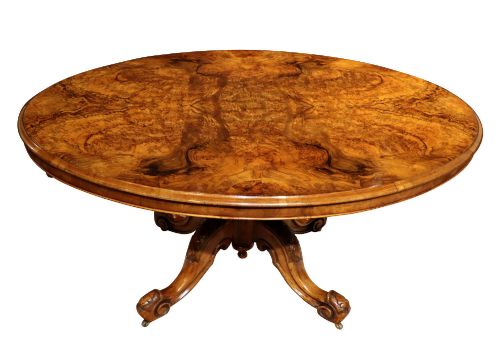
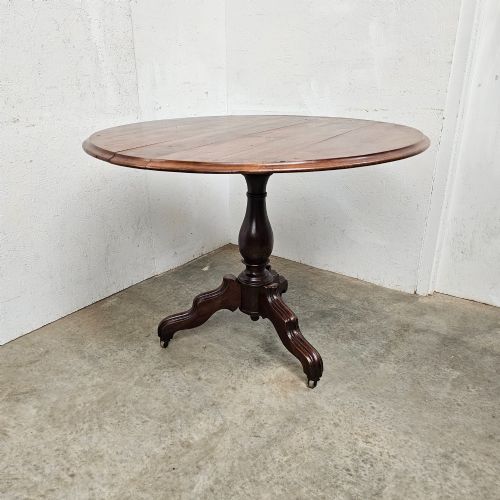
A brown walnut breakfast table brings rich timber grain and practical versatility to an interior, most frequently appearing here as a Victorian tilt-top or pedestal form.
Brown Walnut Breakfast Table
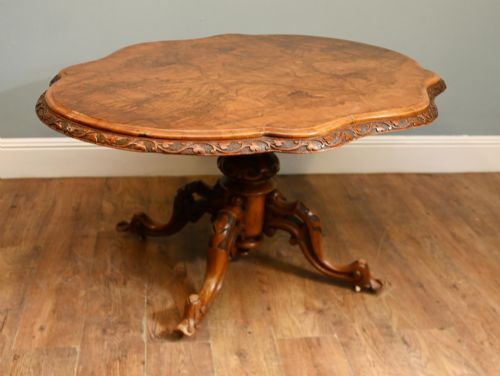
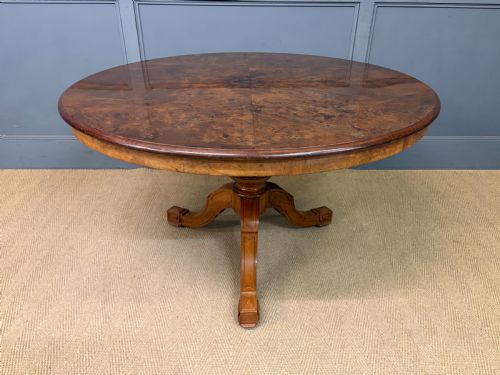
A brown walnut breakfast table is typically encountered as a Victorian piece from the mid to late nineteenth century, spanning decades such as eighteen-fifty, eighteen-sixty, and eighteen-seventy. These brown walnut breakfast table examples take various structural formats, predominantly appearing as oval centre tables, loo tables, and tilt-top breakfast tables designed for intimate dining or central display.
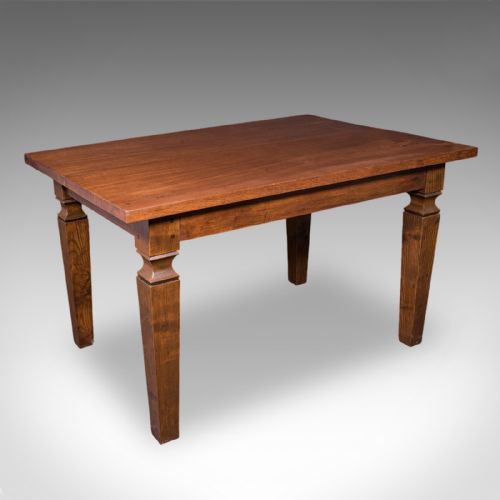
The selection includes specific variants such as six-seater dining tables, four-seat display tables, occasional tables, and scissor action pieces. Alongside Victorian production, Edwardian examples from eighteen-ninety and later interpretations from nineteen-twenty also emerge within this category.
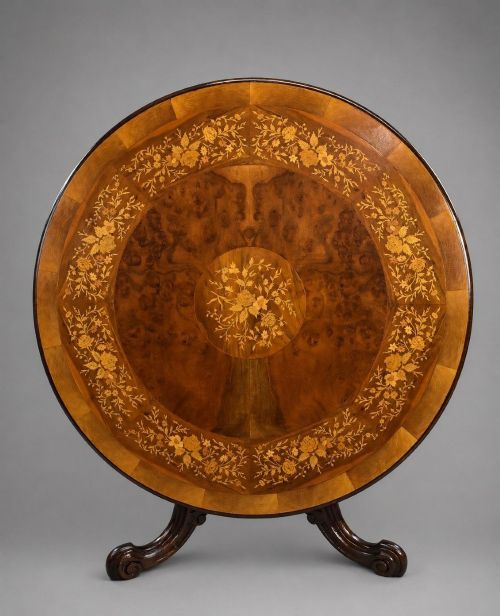
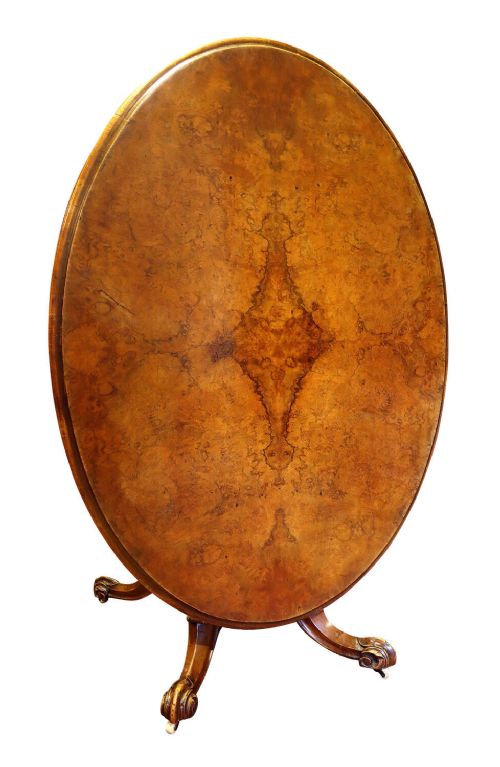
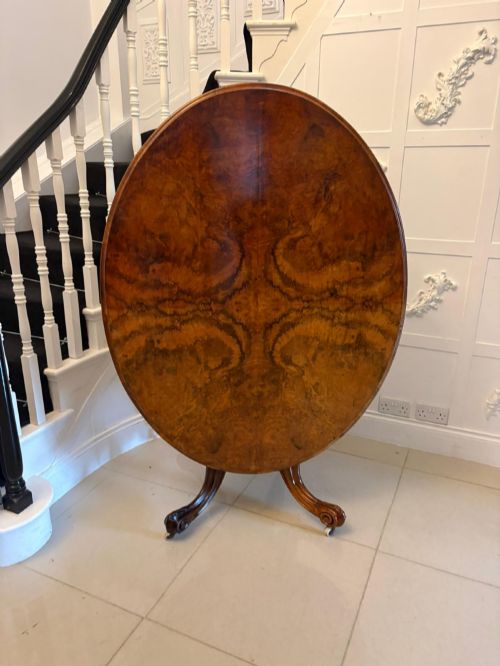
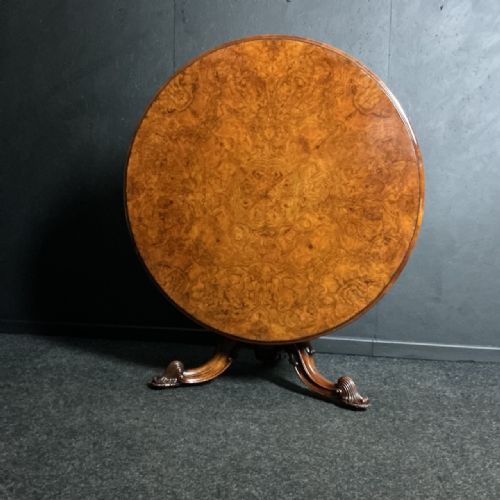
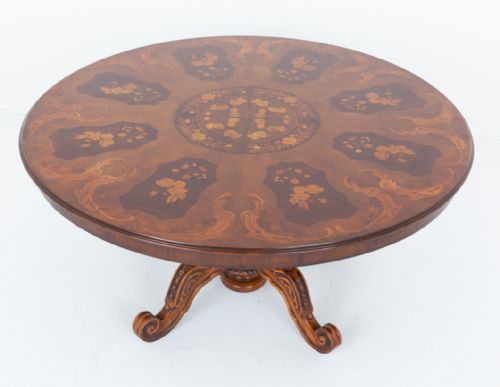
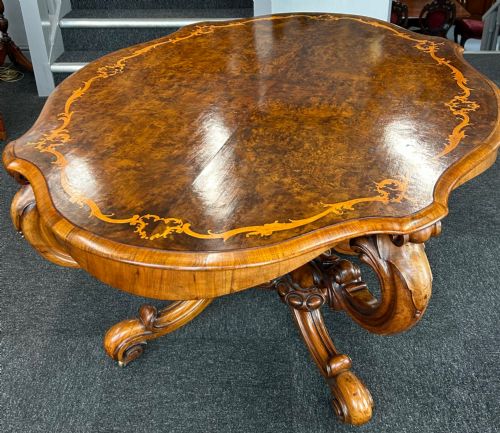
Most pieces utilise an oval format supported by carved quadrapod bases or central pedestals, allowing the top to tilt when not in use. The presence of marquetry inlay, boxwood, fruitwood, and wood inlay further defines the decorative scope of these tables.
How they were made
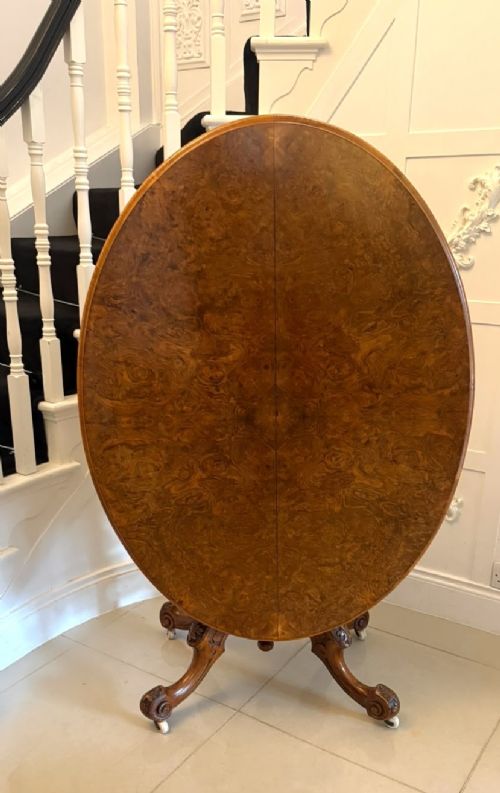
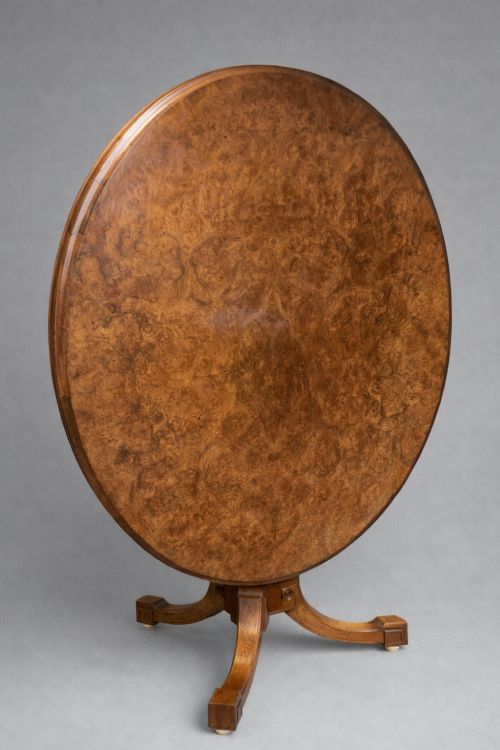
Construction relies heavily on walnut and burr walnut timbers selected for their distinctive swirling grain patterns, occasionally paired with mahogany and supported by brass fittings. Craftsmen utilised solid timber and veneer techniques to cover structural carcases, creating smooth expanses on oval table tops.
Decorative surface work frequently incorporates marquetry inlay alongside boxwood and fruitwood details, set directly into the walnut veneer. Bases and pedestals display hand-carved elements, particularly on quadrapod supports and pillar structures associated with Victorian cabinet-making.
Brown Walnut Breakfast Table Retail Price Guide 2026
Typical asking prices for brown walnut breakfast table among the pieces listed under this phrase on Sellingantiques today, from the lower quarter to the upper quarter. They describe what is for sale here now, not the wider market.
Scissor action mechanisms occasionally pop up, proving our ancestors loved a clever folding trick as much as we do.
What varies in quality
The refinement of the timber selection dictates the visual impact, with densely figured burr walnut commanding greater presence than plain walnut surfaces. Superior examples exhibit precise matching of veneer grains across the entire table top rather than haphazard piecing.
Carving depth and execution on the pedestal or quadrapod base separate standard production from master craftsmanship. Crisp, deeply hand-carved details and tightly integrated inlay work indicate higher workshop standards.
The Brown Walnut Breakfast Table Glossary
- Burr walnut
- A veneer taken from the growth excrescences of a walnut tree, prized for its swirling, knotted grain patterns. It provides a highly decorative surface on Victorian table tops.
- Tilt top
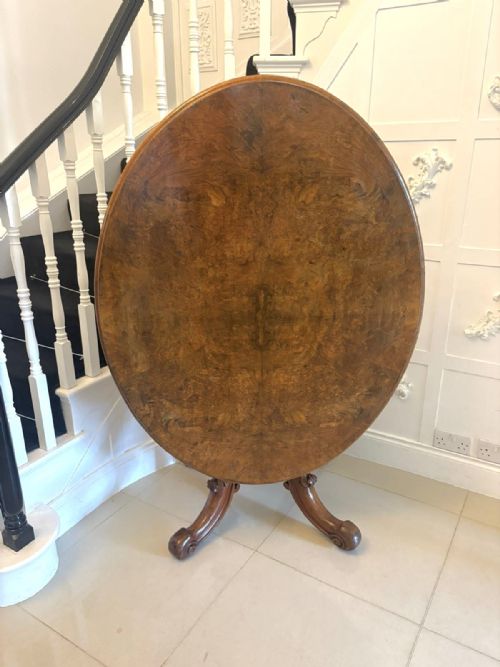
- A hinged mechanism allowing the table top to rotate into a vertical position for storage against a wall. This configuration was common in nineteenth-century domestic spaces.
- Marquetry inlay
- Decorative patterns formed by fitting contrasting pieces of wood veneer into a prepared ground. Boxwood and fruitwood are frequently used for this detailed work.
- Quadrapod base
- A heavy central pillar supported by four radiating carved feet or legs. This structure provides stability for large oval breakfast and loo tables.
- Loo table
- A nineteenth-century round or oval table designed for card games and conversation after dining. They almost invariably feature tilt mechanisms and pillar supports.
Brown Walnut Breakfast Table: Frequently Asked Questions
What is a brown walnut breakfast table used for?
These tables served multiple functions in nineteenth-century homes, acting as breakfast tables, intimate dining surfaces, and central display pieces in parlours. Their tilt-top mechanism allowed them to be pushed aside against a wall when floor space was needed.
Today, they function well as occasional tables, small dining surfaces, or statement centrepieces in a room. Their rich timber tones complement both traditional and contemporary interiors.
How do I identify a Victorian walnut table?
Victorian walnut tables are characterised by the extensive use of walnut and burr walnut timbers, often enriched with marquetry inlay or boxwood details. Construction methods from this era typically involve heavy pedestals, carved quadrapod bases, and functional tilt-top mechanisms.
Date attribution relies on stylistic cues such as Victorian Rococo Revival carving, the specific configuration of the pedestal, and documented production periods spanning the nineteenth century.
What does tilt top mean on these tables?
A tilt top refers to a hinged mechanism beneath the table surface that allows the top to pivot from horizontal to vertical. This clever engineering enabled large tables to be stored flat against the perimeter of a room when not in active use.
When lowered, a brass catch or wooden wedge secures the top firmly back into position for dining or display.
Are these tables suitable for modern dining?
Many of these pieces accommodate two to six guests, making them practical for intimate meals or smaller dining spaces. Oval formats and pedestal bases provide comfortable legroom without corner legs obstructing chairs.
Their robust construction ensures they remain fully functional for daily use, provided proper care is taken to protect the polished wood surface.