




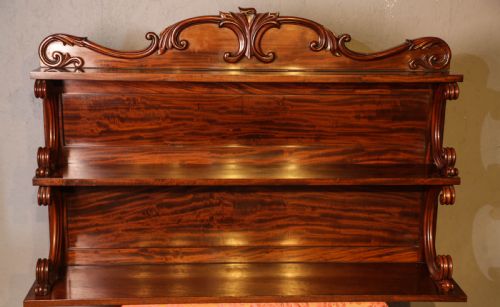
Brown Wall Shelving
Brown wall shelving brings together centuries of timber craftsmanship in hanging cabinets, brackets and bookcases designed to clear the floor.
Brown Wall Shelving
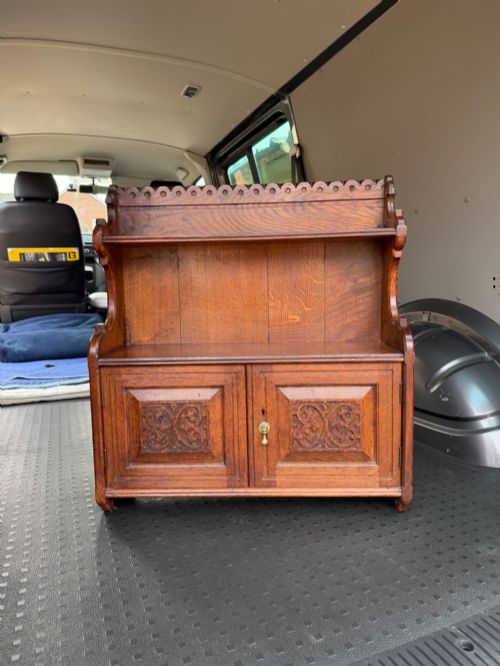
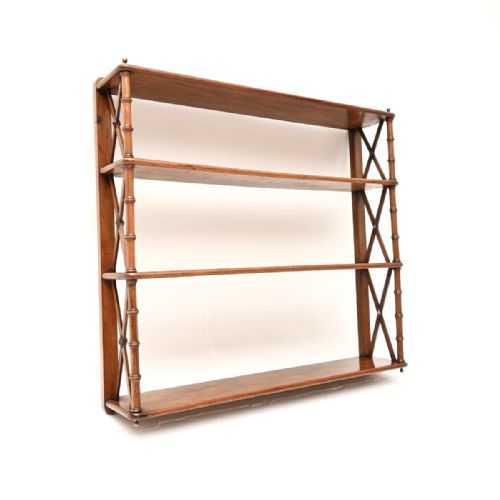
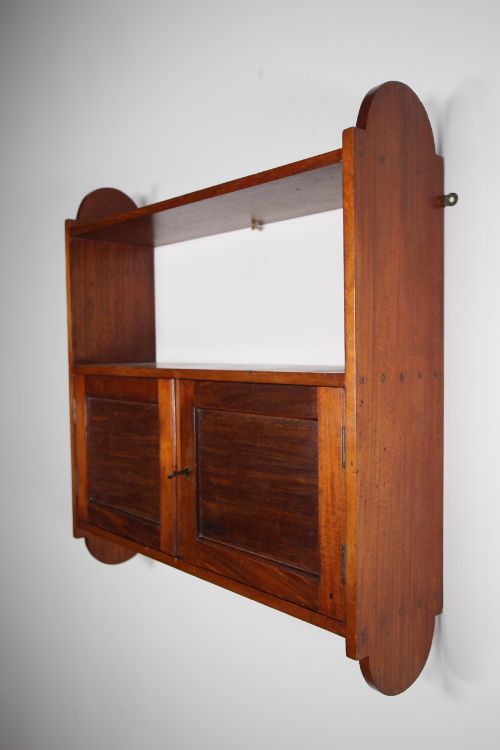
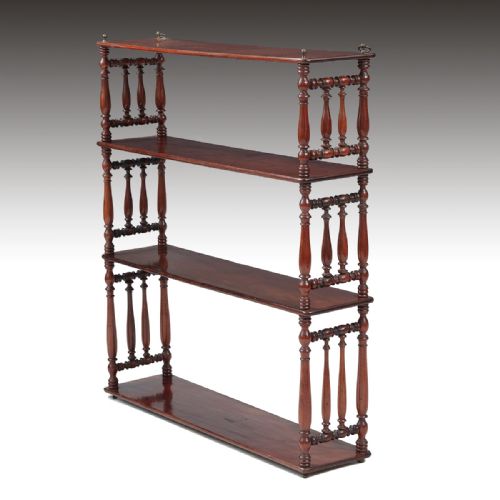
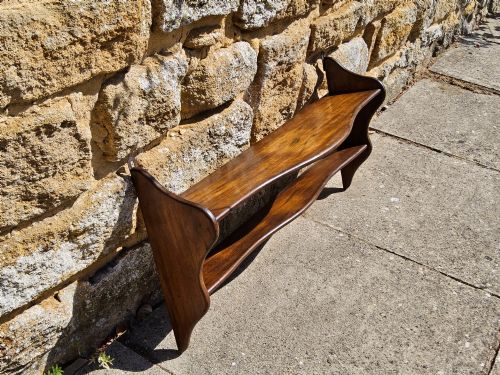
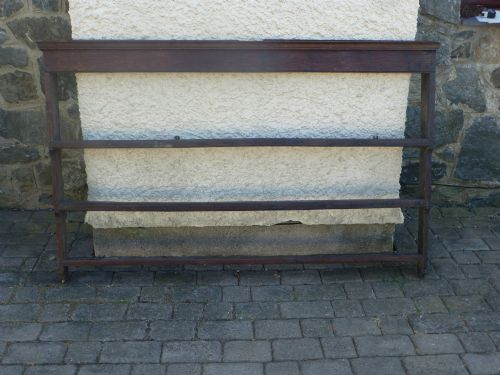
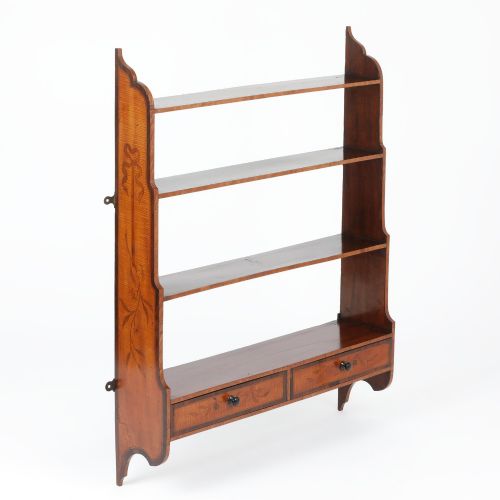
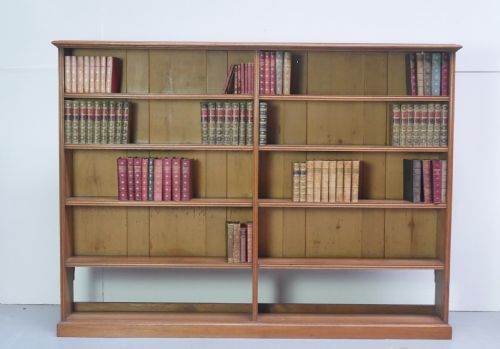
When you search for brown wall shelving, you encounter timber hanging units spanning from the Georgian and Victorian eras through to the early twentieth century. The selection ranges from simple open plate racks and waterfall bookshelves to enclosed wall cabinets and carved wooden brackets.
You are most likely to meet mahogany, oak and walnut examples designed to mount directly onto a wall. These pieces served practical domestic storage needs in kitchens, libraries and hallways before evolving into display furniture for china and books.
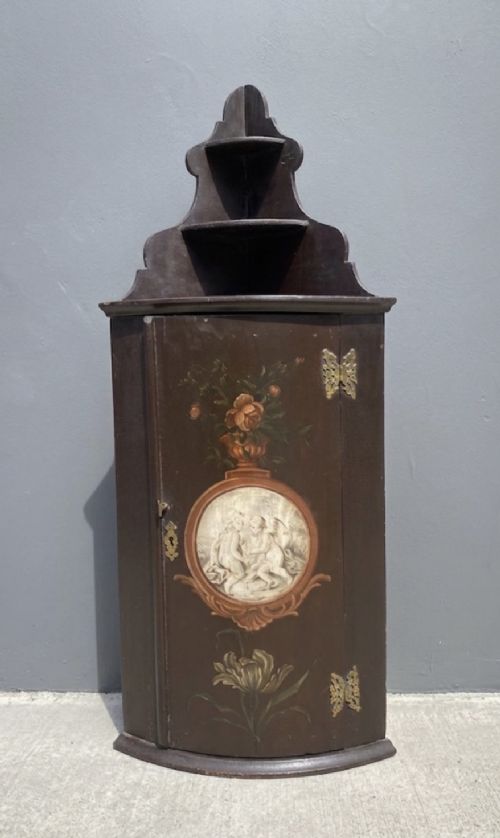
The forms encompass corner cupboards with shaped shelves, aesthetic movement display cabinets and folding walnut compartments. Each variation reflects the interior demands of its specific period, from rustic eighteenth century dresser racks to refined Edwardian whatnots.
Materials and construction methods
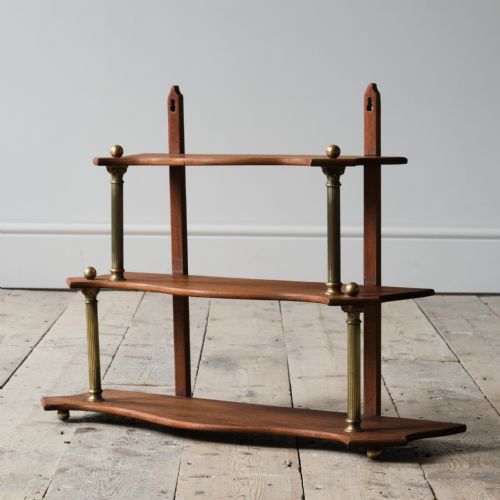
Cabinetmakers utilised dense hardwoods such as mahogany, walnut and oak as the structural foundation for these wall units. These timbers were selected for their strength in supporting weight while suspended, often enhanced with satinwood inlay or brass fittings.
Joinery techniques relied on traditional hand-cut joints, whilst decorative elements incorporated carved wood, cast iron and lime wood mouldings. Surfaces were finished with polishes that highlighted the natural grain and deep brown colour of the timber.
Brown Wall Shelving Retail Price Guide 2026
Typical asking prices for brown wall shelving among the pieces listed under this phrase on Sellingantiques today, from the lower quarter to the upper quarter. They describe what is for sale here now, not the wider market.
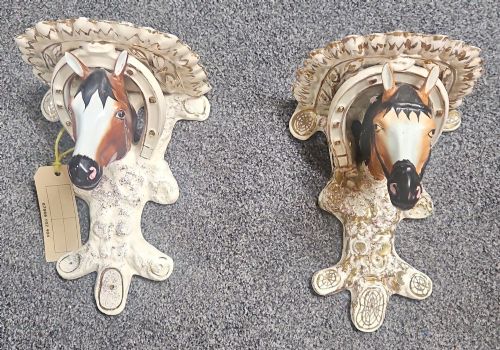
Several wall brackets take the form of cast iron and pottery horse heads, proving that Victorians enjoyed equine companionship in the hallway.
Factors of quality and execution
Quality reveals itself in the selection of timber figures and the precision of the joinery used to construct the framework. Superior pieces display thoughtful grain matching across panels and robust hanging points integrated seamlessly into the design.
Carved details and applied mouldings distinguish finer examples from standard utility items. The crispness of hand-carved brackets or the delicacy of turned gallery spindles separates workshop production from mass manufacturing.
Heals·Arthur Simpson
The Brown Wall Shelving Glossary
- Whatnot
- An open shelving unit designed for displaying small objects or books. These pieces typically feature multiple tiers supported by slender uprights.
- Plate rack
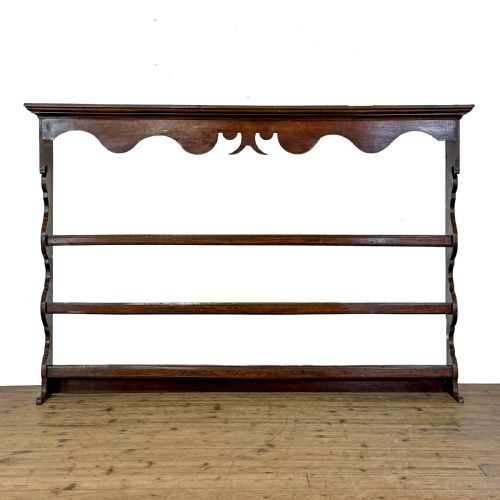
- A wall-mounted rack featuring wooden slats or grooves designed to hold plates upright. They originate primarily from eighteenth and nineteenth century kitchens and dining rooms.
- Wall bracket
- A projecting architectural support attached to a wall to hold a shelf or decorative object. They frequently feature carved wood or cast iron detailing.
- Hanging shelves
- Shelving units constructed with integrated hanging brackets or plates for wall mounting. This term encompasses both open bookcase formats and enclosed cabinet variants.
Brown Wall Shelving: Frequently Asked Questions
How do I hang antique wall shelves safely?
Antique wall units require secure fixings matched to the weight of the timber and the type of wall construction. Original hanging points should be assessed for strength before installation.
Modern concealed brackets or reinforced wall plugs provide additional security for heavier mahogany and oak bookcases.
How do I date brown wall shelving?
Dating relies on timber choice, construction marks and stylistic indicators. Georgian pieces display different moulding profiles and joinery compared to Victorian or Edwardian equivalents.
Hardware such as brass hinges and screws also offer clues to the period of manufacture, alongside stamps or labels from makers like Heals.
Where were these shelves used historically?
These units served functional roles across domestic spaces. Plate racks populated country kitchens, while walnut and mahogany bookcases outfitted libraries and parlours.
Smaller brackets and corner cabinets maximised vertical space in tight hallways and reception rooms before floor-standing furniture took over.