



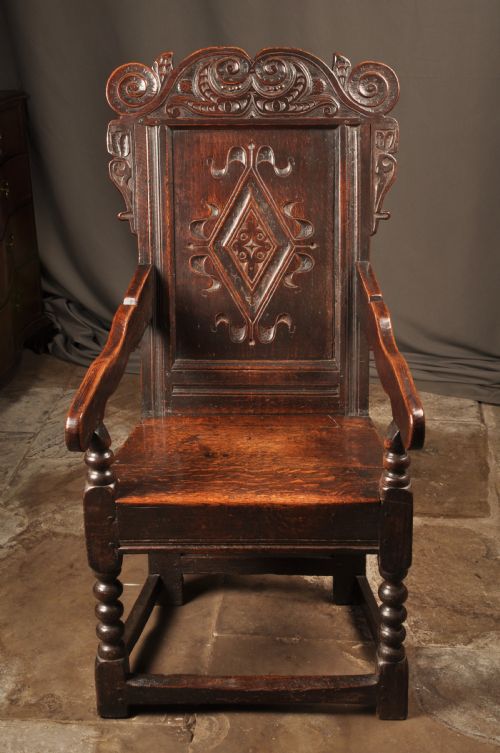

Brown Wainscot Chair
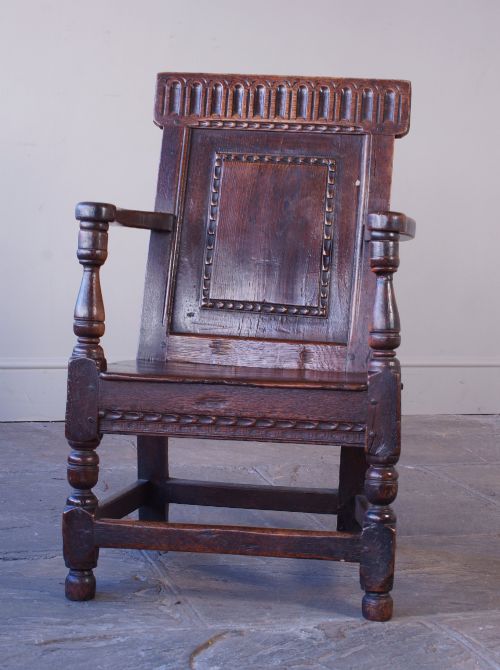
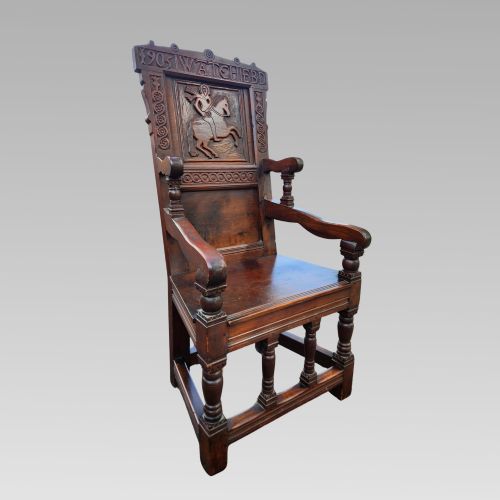
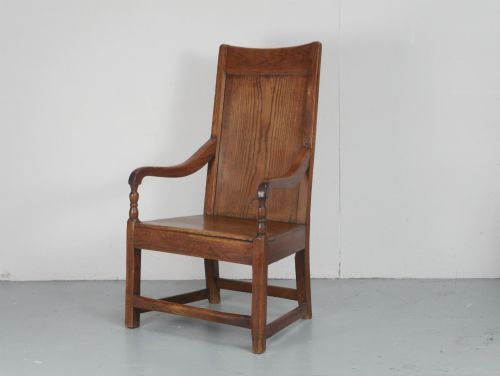
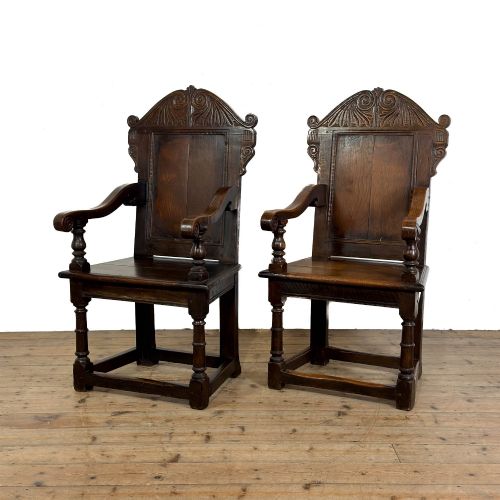
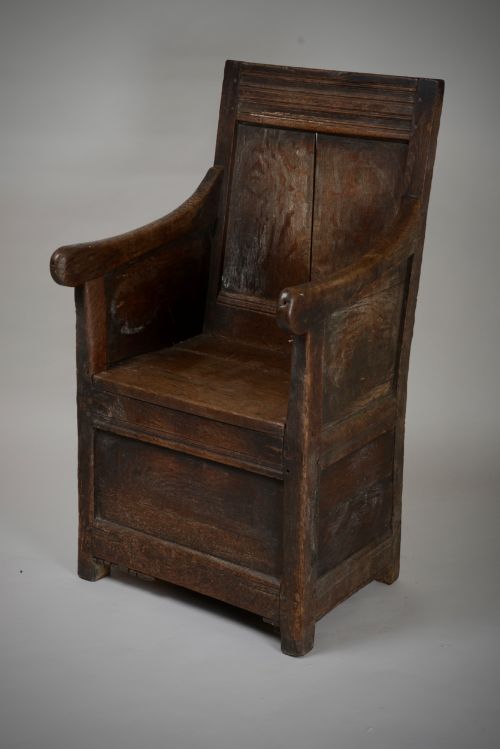
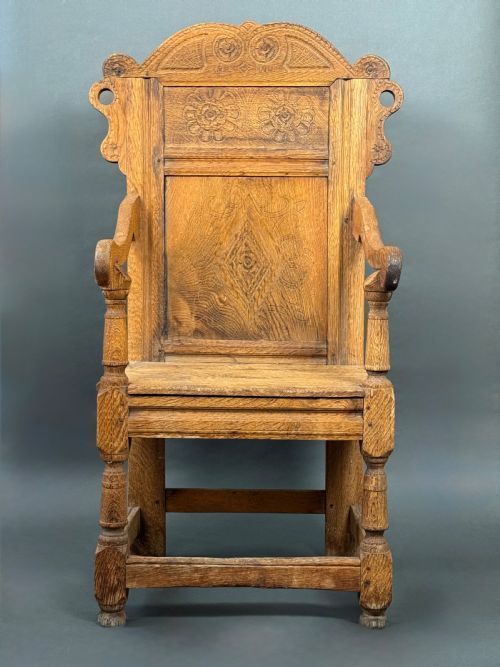
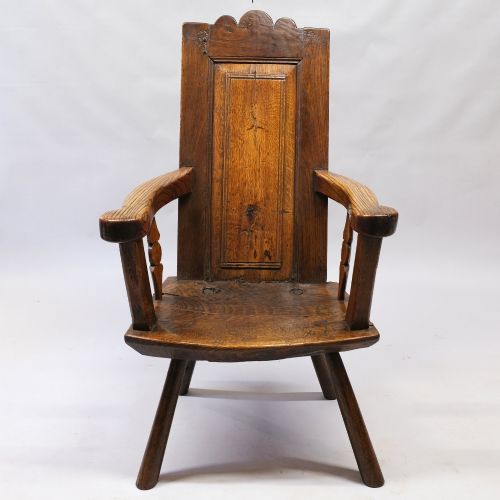
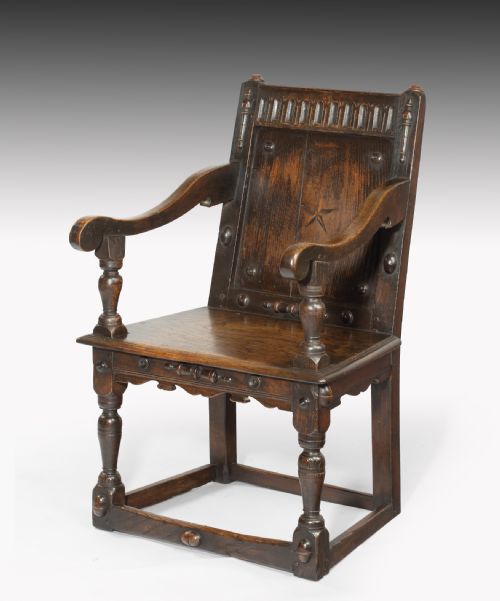
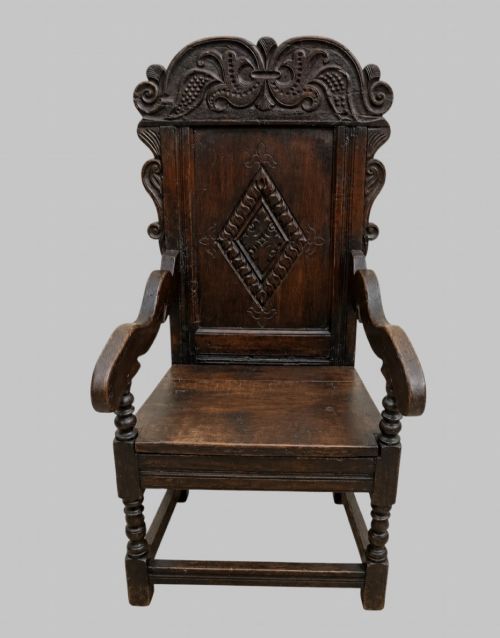
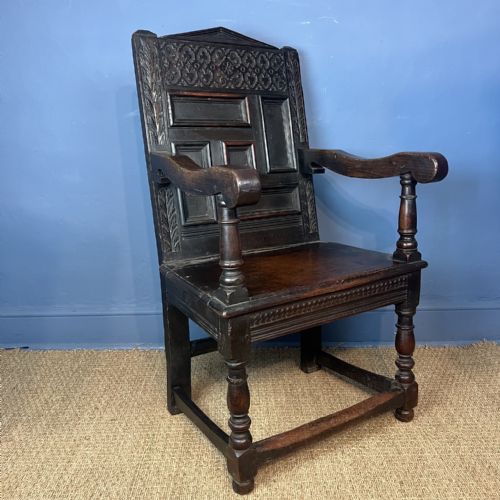
A brown wainscot chair is a heavy wooden seat built to last generations, offering a solid panelled back and sturdy arms.
Brown Wainscot Chair
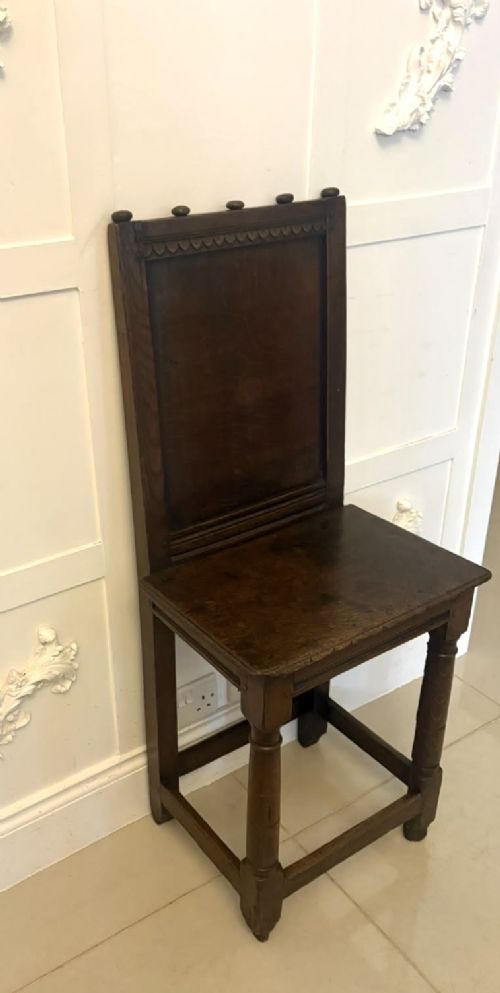
When you search for a brown wainscot chair, you encounter rigid wooden seating rooted primarily in the seventeenth century, alongside later revivals from the nineteenth century. These armchairs and side chairs often feature panelled backs, solid timber construction and regional variations from Yorkshire, Lancashire, Cheshire and Wales.
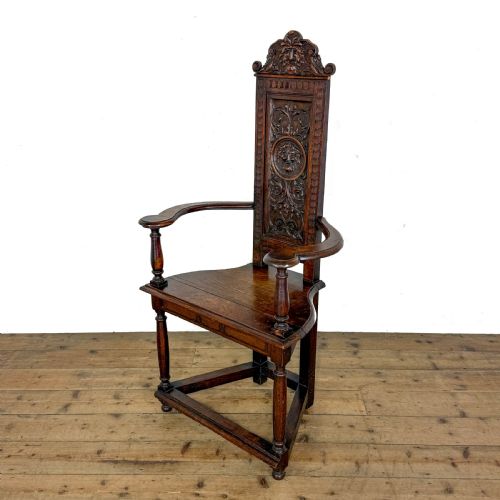
The version you meet most frequently on this page spans the sixteenth, seventeenth and eighteenth centuries, constructed as heavy armchairs with panel backs. Pieces range from early formats like box chairs and correction chairs to later vernacular interpretations in oak and elm.
How they were made
Construction relies heavily on joined oak and elm timber, shaped using traditional framing techniques suited to heavy domestic seating. Woodworkers built these chairs with solid panels and thick legs, sometimes incorporating fruitwood elements for detail.
Surfaces often display carved decoration, reflecting Jacobean and Elizabethan styles. Certain examples integrate leather, velvet, or metal studs, though the core structure remains exposed timber.
Brown Wainscot Chair Retail Price Guide 2026
Typical asking prices for brown wainscot chair among the pieces listed under this phrase on Sellingantiques today, from the lower quarter to the upper quarter. They describe what is for sale here now, not the wider market.
Among the seating forms sits a correction chair, designed to keep posture rigidly upright during bygone lessons.
What varies in quality
Quality rests upon the crispness of the original carved details and the integrity of the joined timber construction. Early pieces retaining their original structural thickness and regional characteristics command greater attention from collectors.
The extent of later timber replacement and the proportion of the panelled back determine how closely a piece matches its period origin. Finer examples display harmonious grain patterns across the solid oak components without excessive modern intervention.
The Brown Wainscot Chair Glossary
- Wainscot chair
- A heavy wooden armchair characterised by a panelled wooden back and solid seat, common in the sixteenth and seventeenth centuries. These seats were costly to produce and denoted status.
- Joined oak
- Timber construction held together by mortise and tenon joints secured with wooden pegs rather than metal nails. This method defines seventeenth century cabinet making.
- Jacobean
- The style of design spanning the reign of James I, marked by solid proportions and strapwork carving. It appears frequently in early oak furniture.
- Box chair
- An early form of seating where the base encloses a storage compartment beneath the seat. These represent some of the earliest surviving domestic chairs.
Brown Wainscot Chair: Frequently Asked Questions
How do I identify a seventeenth century wainscot chair?
Look for joined oak construction using wooden pegs, heavy panelled backs, and period carving styles such as strapwork or guilloche.
Examine the underside and joints for hand tool marks and timber shrinkage consistent with early craftsmanship.
Where were these chairs used in a historic home?
These seats were positioned in the principal rooms of wealthy households, such as the hall or parlour, reserved for the head of the house.
Their substantial weight meant they stayed in one place rather than moving around the room.
Can I use a wainscot chair daily?
Solid oak construction makes these chairs sturdy enough for regular seating, provided the joints remain stable and secure.
Adding a loose cushion helps protect the wooden seat from wear during everyday use.
What is the difference between an original and a revival piece?
Seventeenth century examples exhibit period tool marks, timber oxidation, and structural wear appropriate for their age.
Nineteenth century revival pieces replicate these styles using cleaner machine cuts and different internal framing methods.