

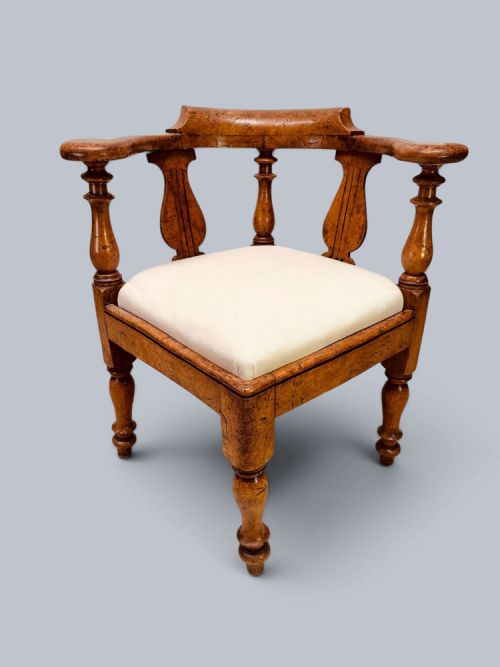
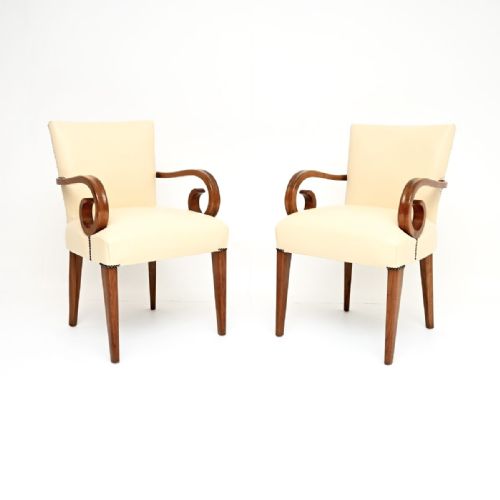
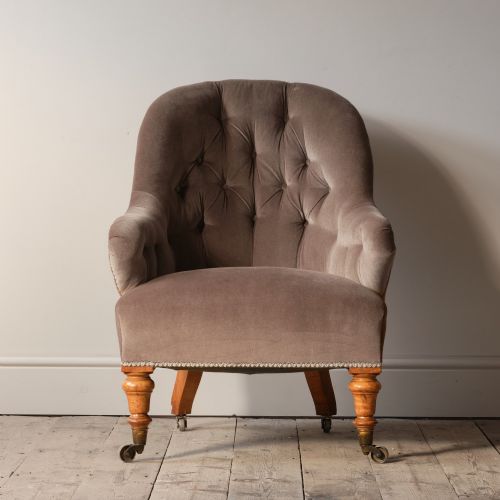
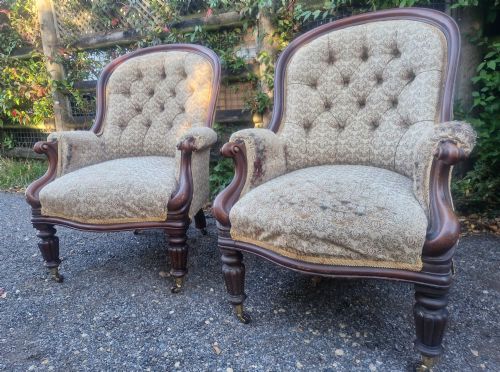
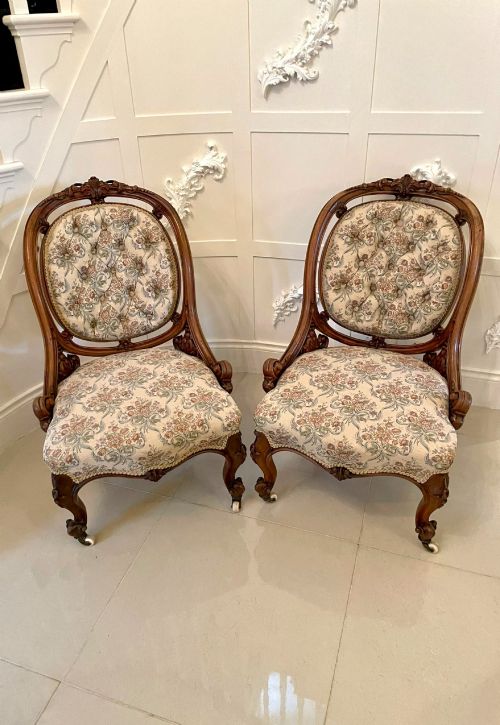
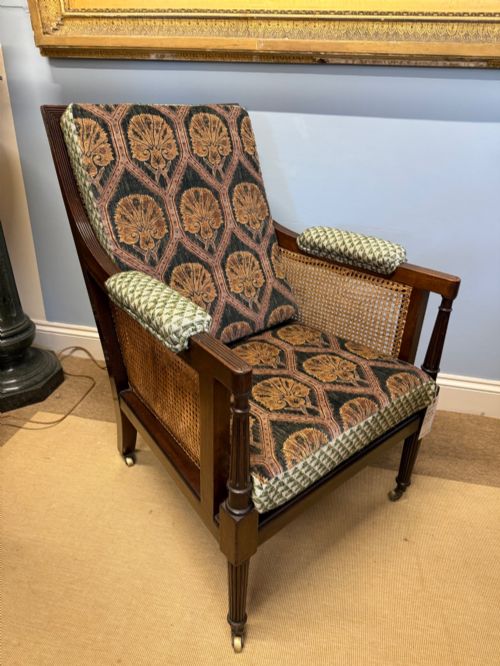
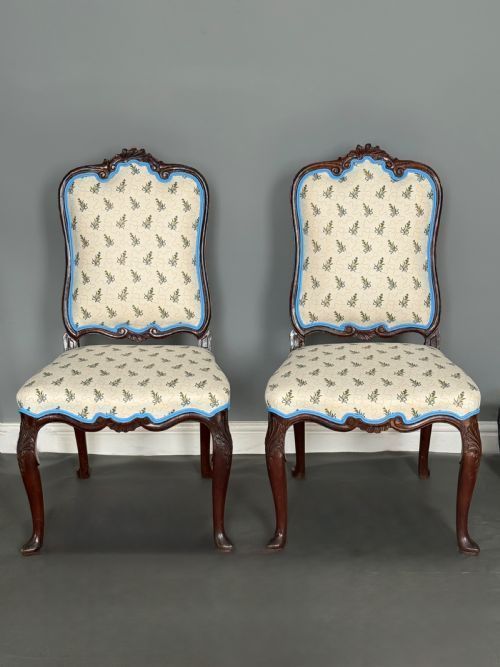
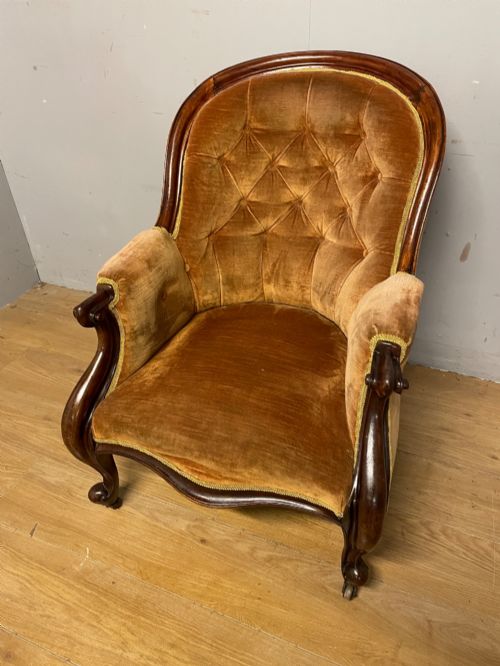
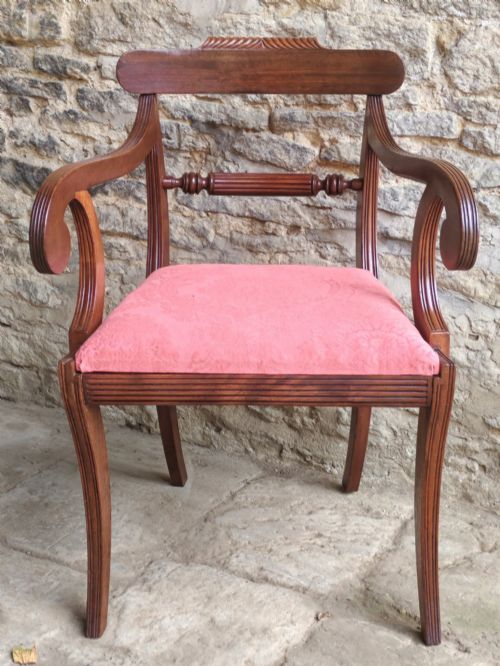
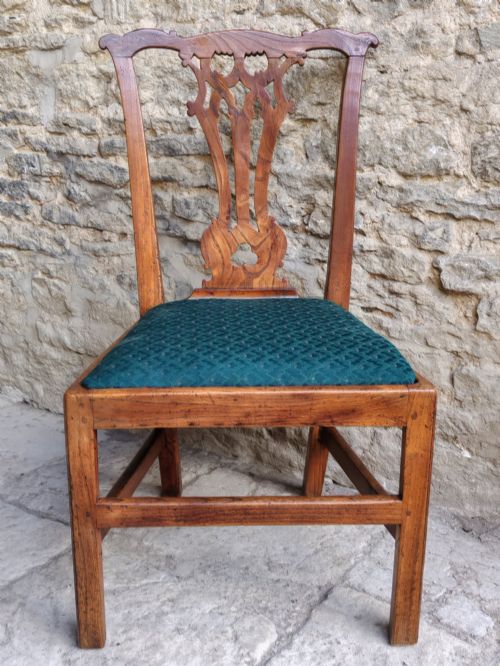
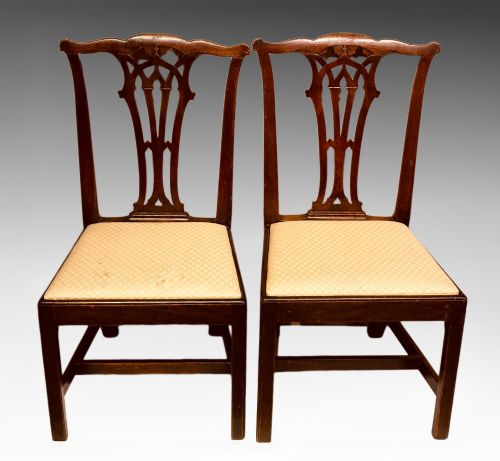
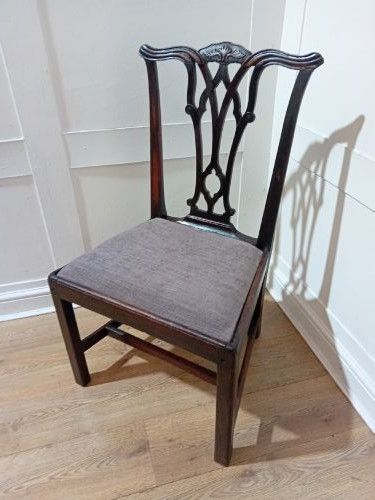
Brown Upholstered Accent Chair
A brown upholstered accent chair brings rich timber frames and tactile textiles together, offering a practical seat with distinctive period character.
Brown Upholstered Accent Chair
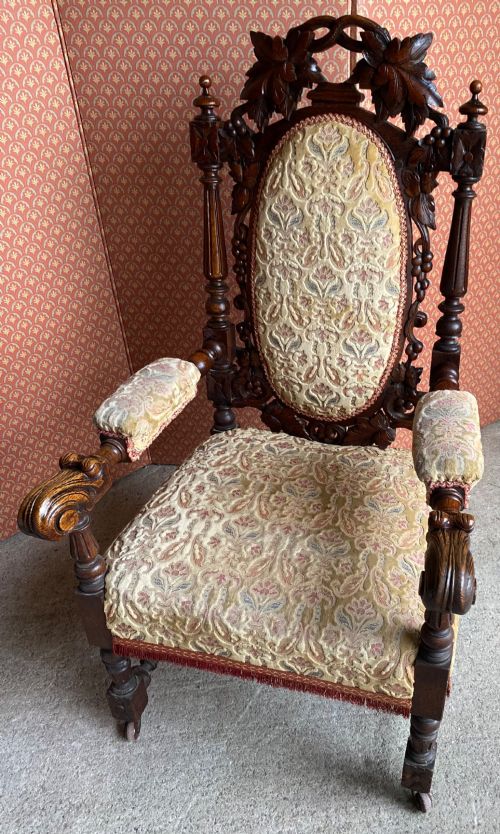
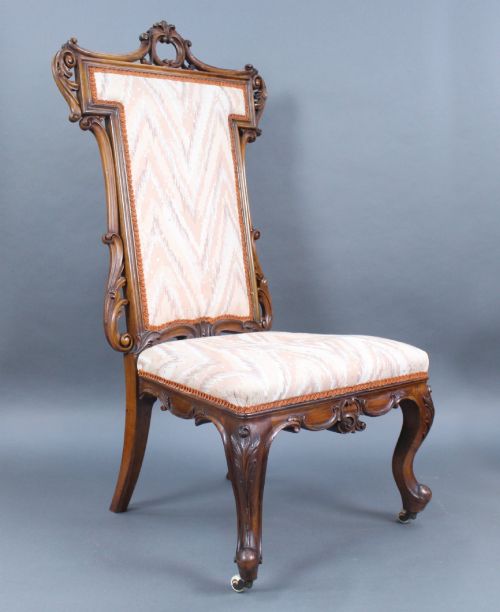
A brown upholstered accent chair encompasses a diverse range of seating forms designed for occasional use throughout the home. Buyers browsing this selection encounter everything from sturdy library armchairs and nursing chairs to refined side chairs and occasional seating.
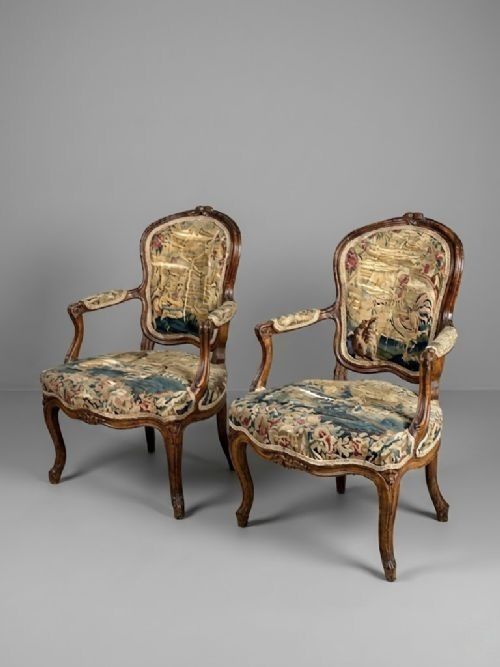
The objects span multiple centuries of craftsmanship, drawing upon Georgian, Victorian, Regency, and Art Deco design vocabularies. Common manifestations include mahogany tub chairs, walnut frames with tapestry covers, and carved oak armchairs.
Origins vary widely, bringing together English regional pieces, French Louis XV styles, and Swedish Neoclassical works. Each piece functions as a focal point within a room, combining timber structures with upholstery fabrics, leather, or calf suede.
How they were made
Construction relies primarily on dense hardwoods such as mahogany, walnut, and oak, occasionally supplemented by elm, fruitwood, and other timbers. Artisans shaped these woods through turning, baronial carving, and marquetry to create robust structural frames.
Upholstery techniques involve traditional textile applications using hessian, chintz, tapestry, and modern upholstery fabrics fixed to supporting frameworks. Brass elements and leather details frequently accent the timber frames to complete the construction.
Brown Upholstered Accent Chair Retail Price Guide 2026
Typical asking prices for brown upholstered accent chair among the pieces listed under this phrase on Sellingantiques today, from the lower quarter to the upper quarter. They describe what is for sale here now, not the wider market.
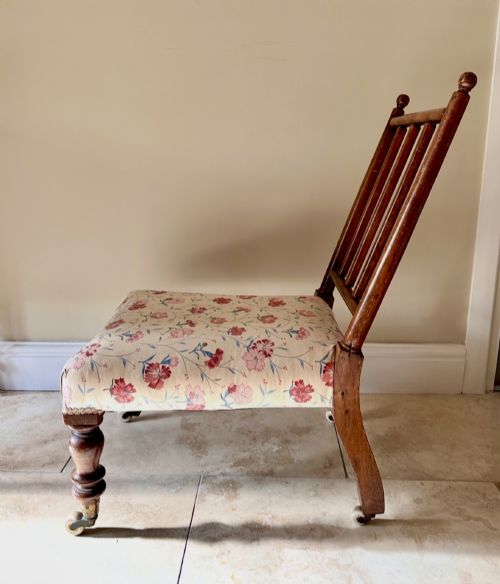
Spinning chairs designed for Victorian domestic leisure offer diminutive, low-slung seating tailored for fireside textile work.
What varies in quality
Distinctions in quality rest upon the crispness of the timber carving and the architectural proportion of the frame. Superior examples demonstrate fluid lines in elements like rope backs and tub curves, whereas lesser pieces display coarser joinery and heavy-handed carving.
The integrity of the materials also dictates standing, with dense Cuban mahogany or figured walnut outlasting softer fruitwoods. Furthermore, the fidelity of period details, such as authentic Chippendale or Regency styling, elevates an example above generic utility chairs.
The Brown Upholstered Accent Chair Glossary
- Carver
- An armchair, usually designed with arms to match a set of dining or side chairs. These pieces often sat at the head of a table or served as standalone accent seating.
- Bergere
- An enclosed upholstered armchair with wooden frames and woven cane or upholstered sides. This form gained popularity during the eighteenth century and persisted through later revival periods.
- Tub chair
- A comfortable seating form featuring a continuous curved back and arms that form a rounded enclosure. The design envelopes the sitter and appears frequently in nineteenth-century walnut and mahogany iterations.
- Slipper chair
- A low-seated bedroom chair traditionally utilised for putting on shoes or garments. These pieces typically lack arms and stand low to the floor.
- Marquetry
- The decorative craft of applying thin pieces of wood veneer to a structure to form intricate patterns. This technique appears on select regional and period side chairs.
Brown Upholstered Accent Chair: Frequently Asked Questions
Where should I place a brown upholstered accent chair?
These chairs suit living rooms, studies, and bedrooms where extra seating is required without dominating the floor plan. Smaller forms like tub chairs and occasional chairs fit comfortably into reading corners or beside desks.
Larger library armchairs or carved oak frames function effectively as statement pieces near fireplaces or anchor points in open seating arrangements.
How do I identify a Victorian accent chair?
Victorian examples often feature substantial walnut or mahogany frames with deep button upholstery and heavy carved ornamentation. Look for darker timber tones and robust proportions associated with nineteenth-century revival styles.
Details such as tapestry covers, Gothic tracery, or tub configurations commonly point towards this manufacturing era.
Can I mix different wood tones in a room?
Mixing timbers like mahogany, walnut, and oak creates a layered interior rather than a uniform set. Period pieces share warm brown hues that naturally complement one another across different centuries.
Focus on matching the scale and formality of the chairs rather than insisting on identical wood species.