



Brown Treen Snuff Box
These brown treen snuff box items are historic wooden pocket containers that collectors prize for their tactile folk art craftsmanship.
Brown Treen Snuff Box
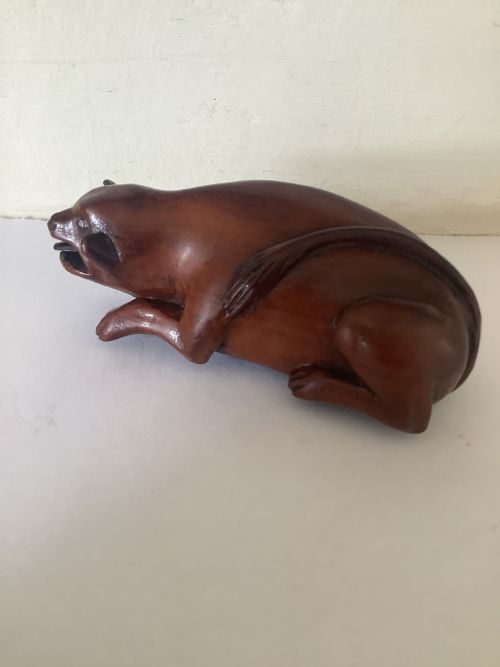
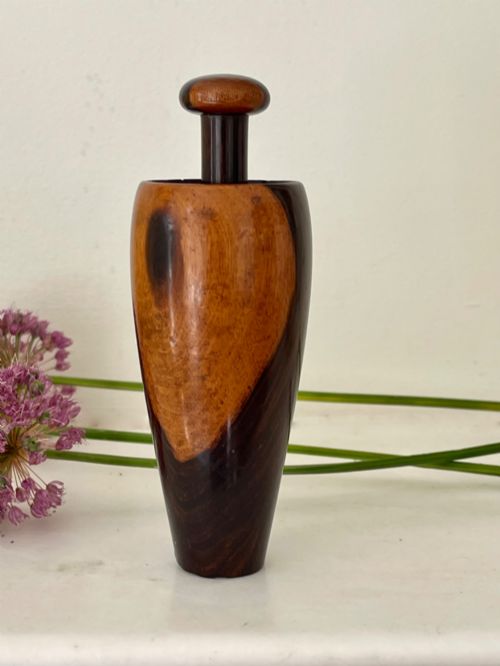
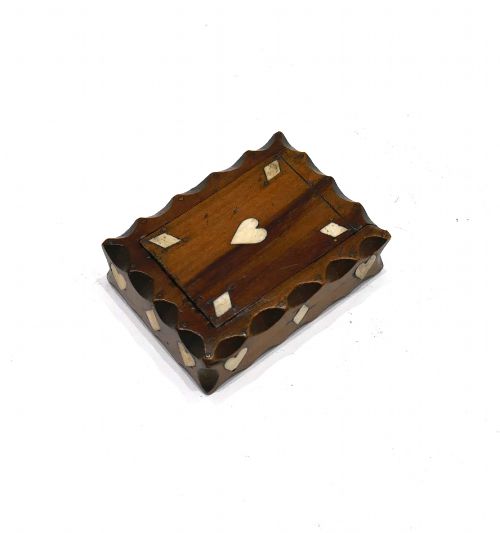
You are most likely to meet nineteenth-century fruitwood and hardwood examples on this page, often decorated with bone and diamond or heart inlay. Pieces range from simple turned mortar and pestle designs to intricate folk art carvings originating from English and Welsh workshops.
Materials and technique
Maker-carpenters shaped these objects using dense timbers like fruitwood, mahogany, burr walnut, amboyna, and coquilla nut. These woods were chosen for their stable grain and capability to take fine detail during turning and carving.
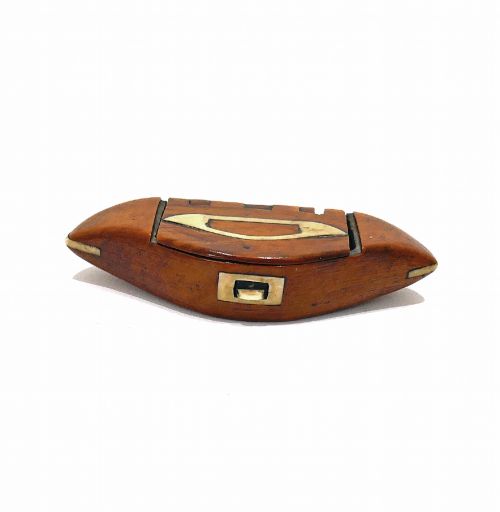
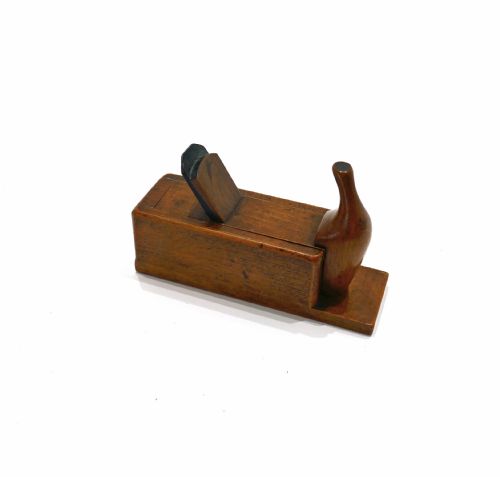
Decoration relied heavily on contrasting inlays, utilising bone, tortoiseshell, and glass elements embedded directly into the wooden surfaces. Chip carving and naïve sculpting created the distinct novelty silhouettes that define the group.
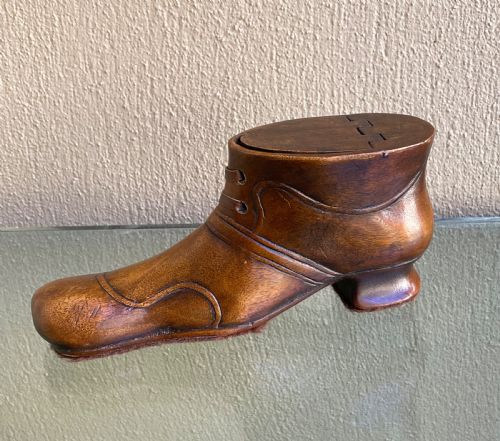
Several boxes take the form of miniature footwear, including a double shoe complete with an inserted portrait photograph of a lady.
The spectrum of quality
Quality rests upon the ambition of the form and the crispness of the carving, distinguishing simple utilitarian boxes from elaborate novelty sculptures. A piece shaped as a hand or a double shoe requires significantly greater skill from the maker than a basic rectangular lid.
The integrity and preservation of the contrasting bone or tortoiseshell inlay dictate the higher tier of examples. Intricate chip carving and well-preserved natural patination across the fruitwood and hardwood bodies elevate individual pieces.
The Brown Treen Snuff Box Glossary
- Treen
- Small handmade wooden objects for domestic use. The term derives from the old English word for tree.
- Snuff
- A fine powdered tobacco popular for ingestion by inhalation through the nose. Containers were specifically proportioned for carrying small quantities.
- Chip carving
- A woodworking technique where chips are removed from a single piece of wood with gouges and knives to create geometric patterns. This method appears on Welsh folk art pieces.
- Coquilla nut
- The hard, mottled seed of a South American palm tree used widely for small turned boxes. It polishes to a rich brown finish.
- Fruitwood
- Timber sourced from fruit-bearing trees such as pear, apple, or plum. It provides a tight grain favoured for detailed turning.
Brown Treen Snuff Box: Frequently Asked Questions
What is treen?
Treen refers to small, functional wooden objects created before the era of mass production. These items include domestic wares, small containers, and personal accessories shaped by turners and woodworkers.
In the context of snuff containers, treen encompasses everything from plain pocket boxes to highly inventive carved animal and shoe shapes.
How do I date a wooden snuff box?
Dating relies on examining the timber species, construction joints, and decorative inlays such as bone or tortoiseshell. Stylistic clues, like chip carving patterns or novelty shapes, help place pieces within Georgian, Victorian, or Edwardian periods.
Documentation or regional traits, such as Welsh folk art characteristics, also assist in narrowing the decade of manufacture.
Were these boxes only for tobacco?
While primarily designed for snuff, smaller versions sometimes functioned as patch boxes for cosmetic beauty spots. The internal compartments were proportioned strictly for dry, pocket-sized personal goods.
Novelty shapes mirrored popular cultural motifs of the eighteenth and nineteenth centuries rather than changing the fundamental storage purpose.
How should I care for antique wood?
Keep wooden containers away from direct sunlight and extreme temperature fluctuations to prevent the timber from splitting. Maintaining a stable indoor humidity protects both the wood and any delicate bone inlay.
Avoid using modern liquid polishes, relying instead on dry dusting with a soft cloth to preserve the historic surface patination.