




Brown Treen Box
These small turned and carved receptacles offer a tactile glimpse into domestic history, making a brown treen box a satisfying addition to any tabletop.
Brown Treen Box
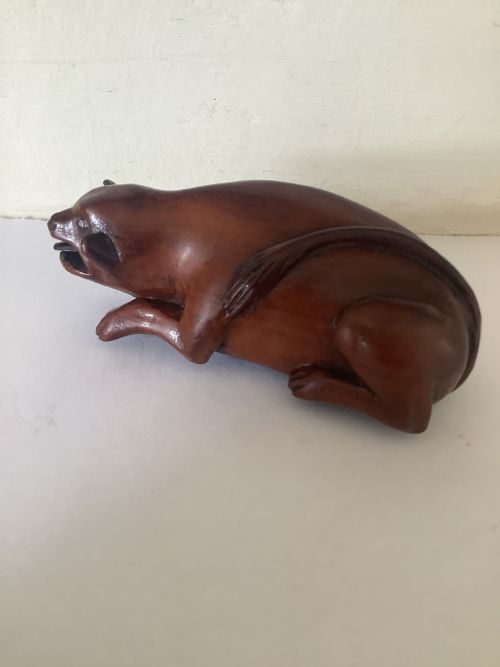
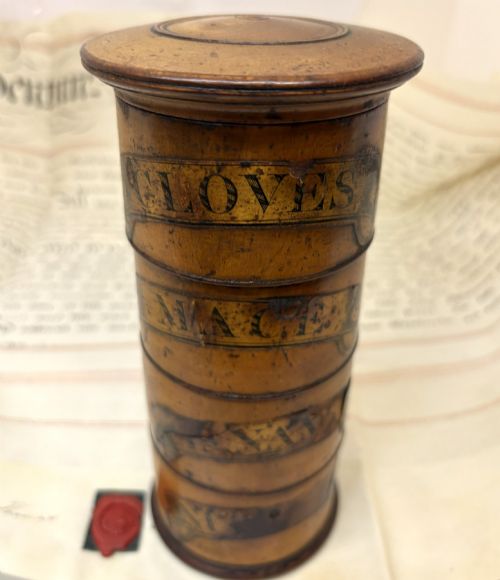
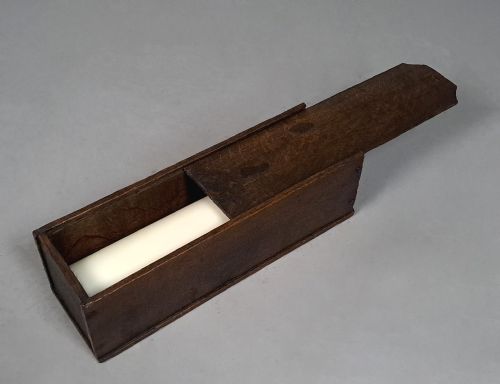
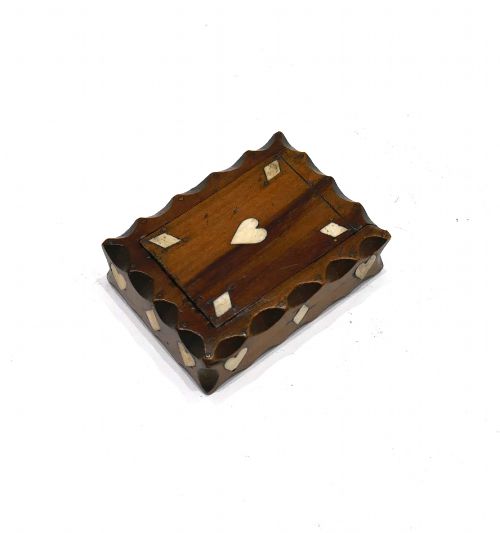
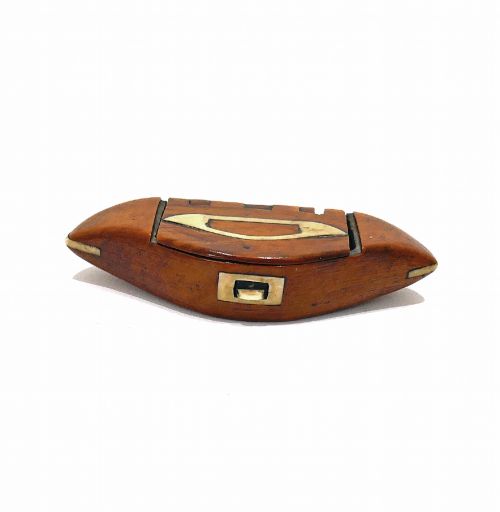
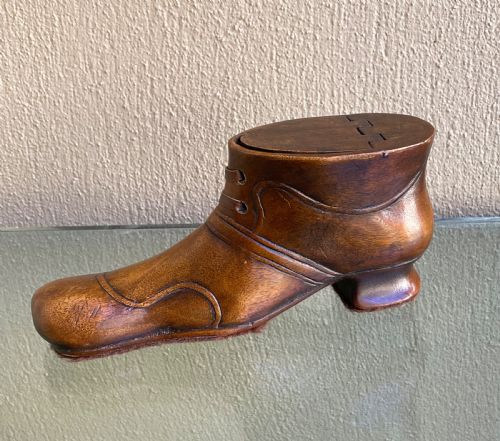
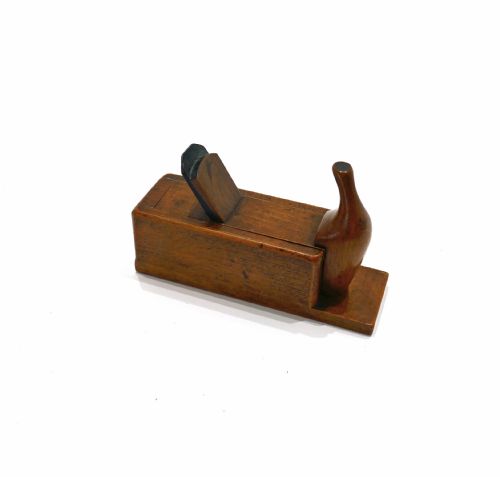
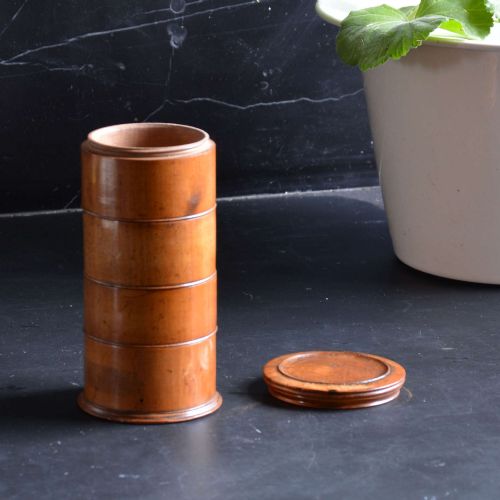
A brown treen box encompasses a wide variety of small wooden containers fashioned for daily domestic and personal use across the eighteenth and nineteenth centuries. Buyers browsing this selection frequently encounter snuff boxes, spice towers, candle boxes, and novelty containers shaped like shoes, birds, hands, or books.
The objects originate from vernacular and folk art traditions, reflecting both utilitarian household needs and playful domestic creativity. Pieces span periods from the early eighteenth century through the Edwardian era, showing how woodworkers turned humble materials into enduring functional art.
How they were made
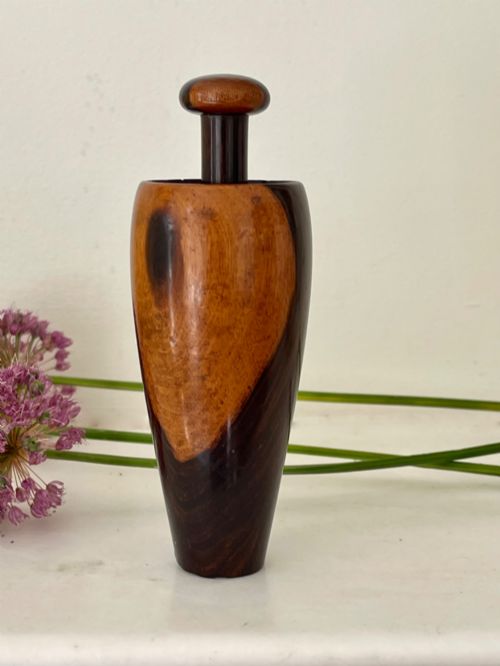
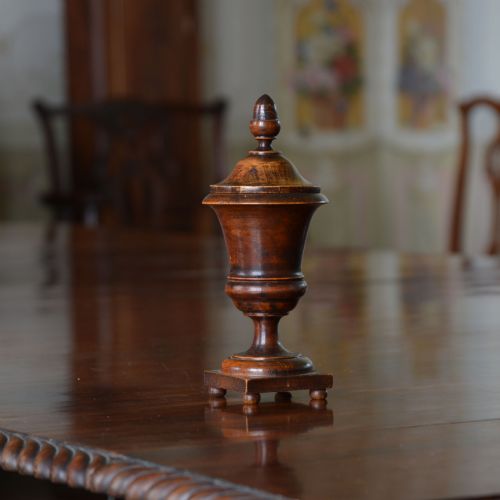
Craftsmen shaped these items from native and exotic timbers including fruitwood, boxwood, oak, yew-wood, mahogany, and burr walnut. Turning on a lathe created symmetrical vessels like spice towers and urns, while hand carving produced figurative snuff boxes in the form of shoes, hands, and birds.
Many containers feature decorative embellishments such as chip carving, contrasting specimen woods, and bone inlay in geometric heart or diamond shapes. Joinery methods relied on precision fitting, dovetailed corners, and secure lids designed to preserve aromatic contents like snuff and spices.
Some makers carved sturdy wood into delightfully specific shapes, including a human hand pinching snuff and birds with hinged wings.
What varies in quality
Quality rests primarily in the crispness of the carving, the finesse of the turning, and the cleverness of novelty forms. Sculptural pieces that depict recognisable shapes with expressive detail stand well apart from simpler, utilitarian vessels.
The choice and preservation of timber also define the grade of a piece, especially where contrasting specimen woods or delicate bone inlays remain intact. Rich natural patination acquired through decades of handling elevates the appeal of the woodwork.
The Brown Treen Box Glossary
- Treen
- Small handmade wooden items for domestic use. The term covers everything from kitchen implements to personal snuff containers.
- Snuff box
- A small pocket-sized container for holding powdered tobacco. These range from simple sliding-lid boxes to intricate figural carvings.
- Spice tower
- A multi-tiered cylindrical container used for storing various culinary spices. Sections typically screw or stack together securely.
- Coquilla nut
- The hard, mottled seed of an exotic palm tree used for small turned boxes. It polishes to a smooth, dark brown finish resembling tortoiseshell.
- Chip carving
- A style of ornamentation created by chipping small triangles out of a wooden surface. This technique produces geometric patterns and textured designs.
Brown Treen Box: Frequently Asked Questions
What were brown treen boxes used for?
These wooden containers held everyday personal items like tobacco, snuff, spices, and sewing accessories in past centuries.
People kept them close at hand in domestic rooms, dining spaces, and pocket travel kits for daily convenience.
How do I date a wooden box?
Dating relies on observing the tool marks, timber species, hinge types, and the prevailing style of the period.
Earlier eighteenth-century pieces often display heavier oak construction, while Victorian examples embrace imaginative novelty shapes and bone inlay.
How should I clean my treen box?
Maintain the surface simply by dusting gently with a dry, soft cloth to protect the historic patina.
Avoid using water, liquid polishes, or modern chemical cleaners, as moisture penetrates old wood and damages delicate inlays.
Are these boxes English in origin?
Many pieces originate from English and Welsh workshops, reflecting local vernacular craft traditions and available regional timber.
Makers utilised whatever dense hardwoods grew nearby, resulting in distinctive variations across different geographical areas.