



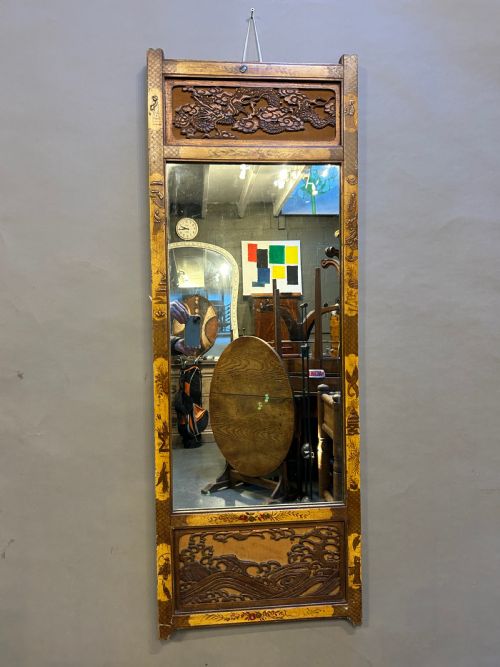


Brown Timber Frame Mirror
A brown timber frame mirror brings warmth and depth to a room, offering functional reflection through centuries of cabinetmaking traditions.
Brown Timber Frame Mirror
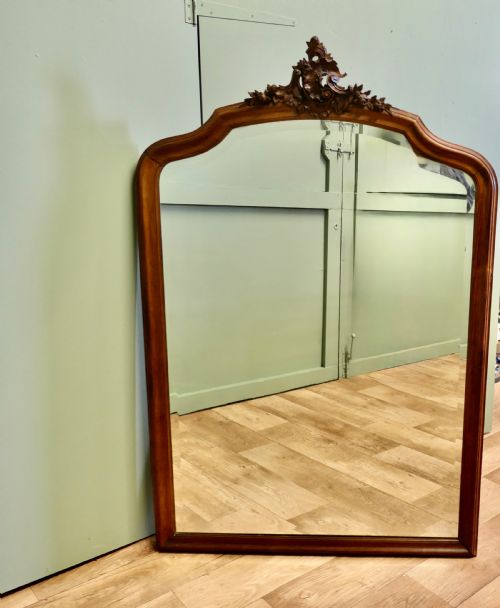
Makers utilised native and exotic timbers to construct hanging or standing looking glasses that suit bedrooms, hallways, and living spaces. The assortment relies heavily on nineteenth-century examples alongside earlier Georgian and seventeenth-century forms.
Materials and Construction
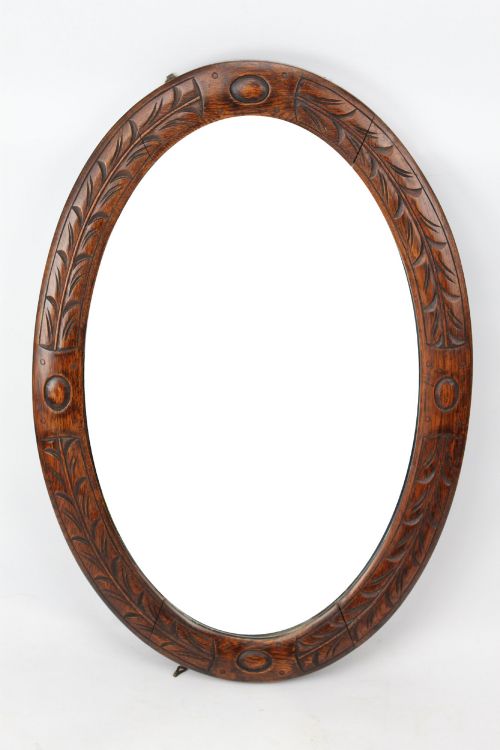
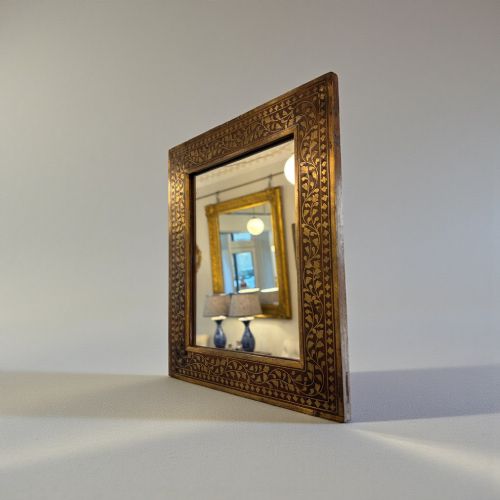
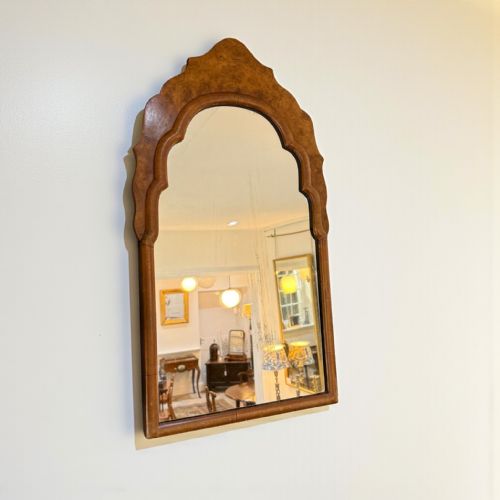
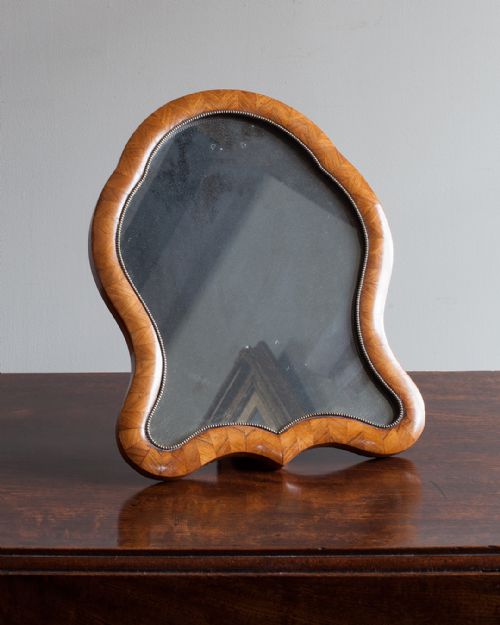
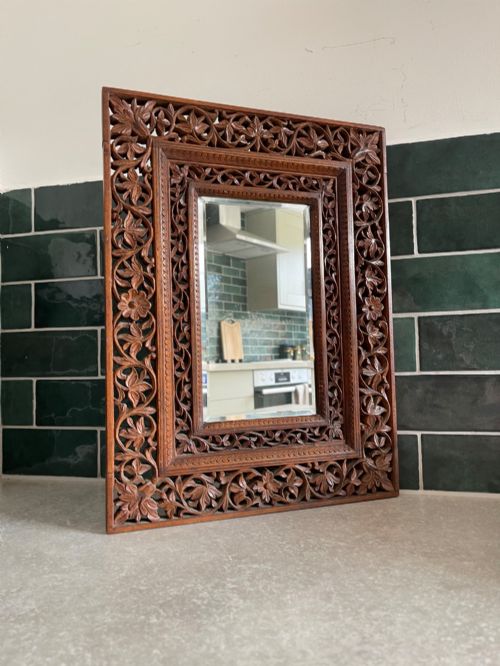
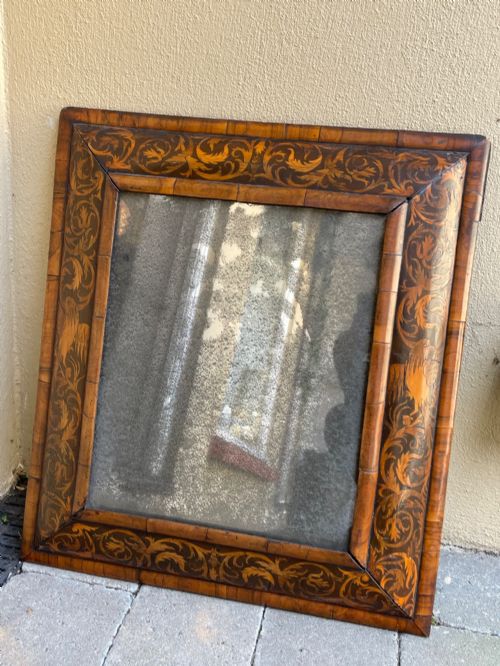
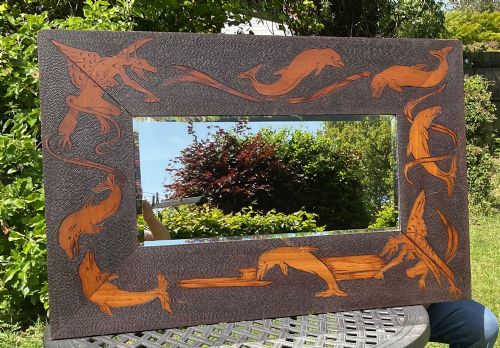
Makers constructed these frames using solid woods and decorative veneers such as walnut, oak, mahogany, kingwood, and rosewood. Craftsmen applied techniques including oyster veneering, marquetry inlay, and detailed hand carving to shape the timber surrounds.
Many items incorporate bevelled or flat glass mirror plates fitted securely within timber rebates, sometimes supported by secondary pine or hardwood backing structures. Giltwood accents and faux bamboo turnings occasionally complement the exposed wood grain.
Brown Timber Frame Mirror Retail Price Guide 2026
Typical asking prices for brown timber frame mirror among the pieces listed under this phrase on Sellingantiques today, from the lower quarter to the upper quarter. They describe what is for sale here now, not the wider market.
Assessing Quality and Execution
Quality rests upon the crispness of the hand carving, the selection of figured wood veneers, and the integrity of the joinery at the frame corners. Superior examples display thoughtful proportions and harmonious grain alignment that enhance the natural character of the timber.
Finer pieces demonstrate meticulous attention to detail in marquetry work, inlay precision, and the preservation of original surface patination. Lesser examples show simpler construction methods and less articulate carving execution.
The Brown Timber Frame Mirror Glossary
- Marquetry
- Decorative inlay work using various coloured woods to form geometric or pictorial patterns on the frame surface.
- Oyster veneer
- Slices cut transversely from small branches to create circular or ovoid grain patterns resembling oyster shells.
- Overmantel mirror
- A large looking glass specifically designed to hang above a fireplace mantelpiece.
- Kingwood
- A dense, richly figured tropical hardwood valued for high-end cabinetmaking and decorative veneering.
- Giltwood
- Wood that has been coated with gold leaf or metallic gilt paint to provide a bright reflective finish.
Brown Timber Frame Mirror: Frequently Asked Questions
How do I hang a heavy wooden mirror safely?
Heavy framed mirrors require appropriate wall fixings matched to the weight of the timber and glass plate. Secure brackets or mirror plates screwed directly into wall studs provide the necessary support.
Professional hanging ensures the weight distributes evenly without straining the original antique frame joints or backing boards.
Can I place these mirrors in a bathroom?
High humidity and fluctuating bathroom temperatures can damage historic wood finishes and cause moisture to infiltrate the silvering behind the glass plate. Dry living spaces, hallways, and bedrooms remain the best environments for preserving antique frames.
Keeping timber mirrors away from direct steam prevents warping of the wood and deterioration of the original mirror plate.
How do I clean an antique wood frame?
Dust the timber gently with a dry, soft cloth to remove surface particles without disturbing the underlying polish or wax finish. Avoid modern liquid cleaners or harsh chemicals that strip historical patination from the wood.
Occasional application of appropriate furniture wax helps nourish older timber and maintains the natural lustre of the grain.
What indicates an earlier frame period?
Earlier periods often feature hand-cut joinery, pegged corners, and denser timbers like oak or walnut with distinct hand-applied finishes. Secondary woods at the back of the frame also offer clues regarding the likely date of manufacture.
Construction methods evolved over time, shifting from pegged mortise and tenon joints to later machine-assisted production techniques.