



Brown Timber Country Chair
A brown timber country chair brings honest domestic utility and rustic warmth to a modern interior.
Brown Timber Country Chair
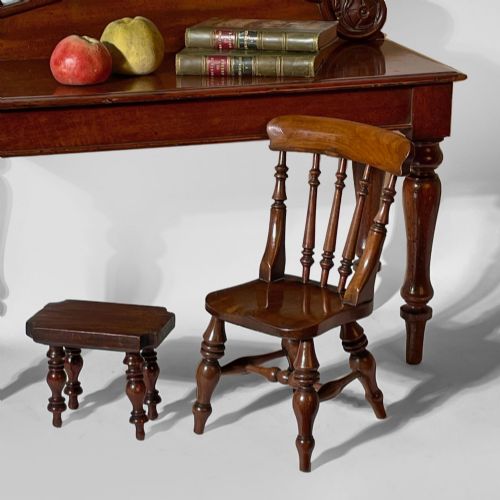
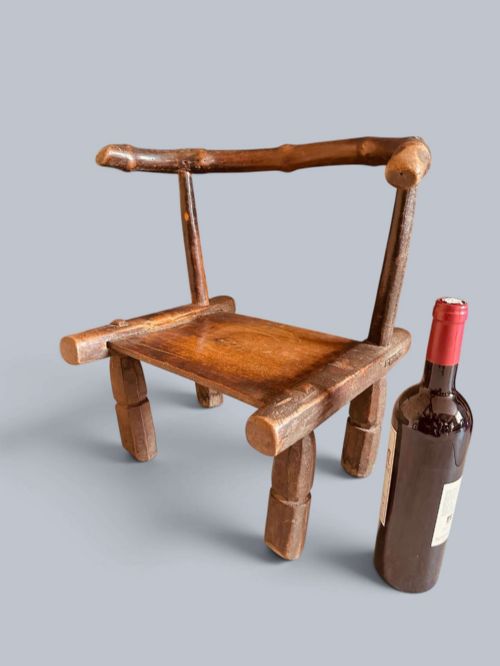
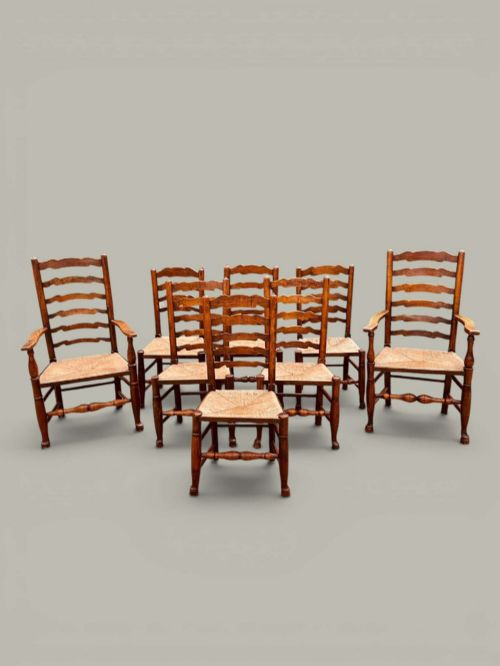
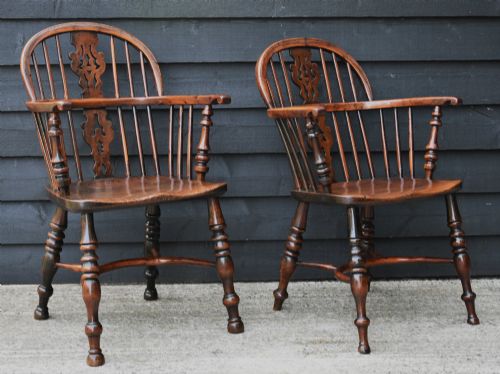
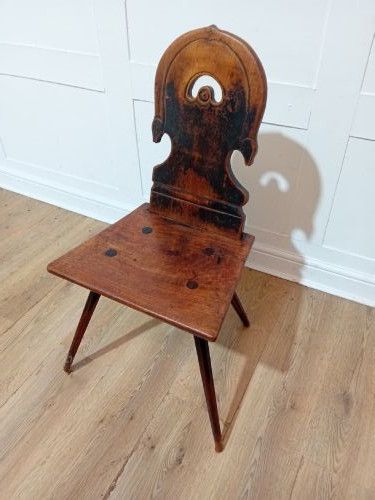
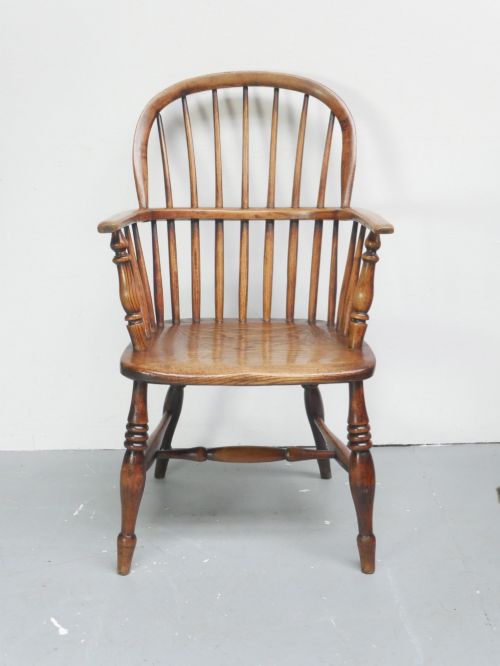
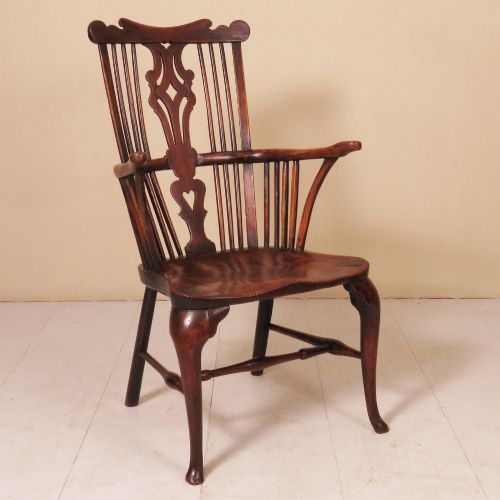
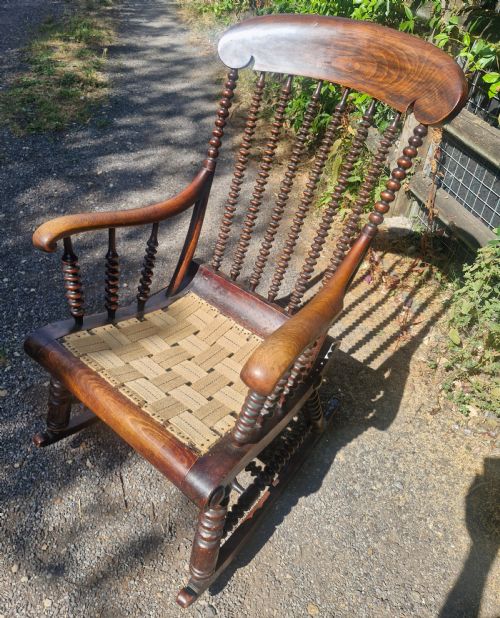
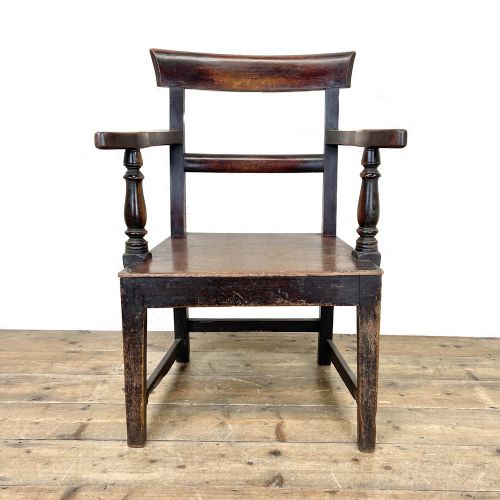
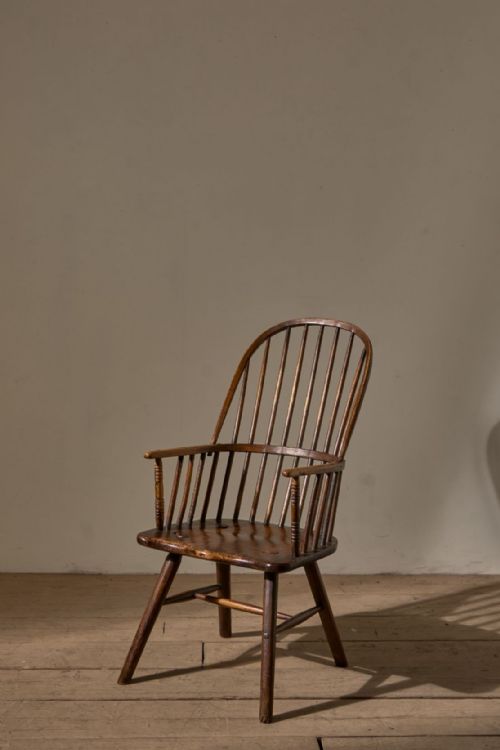
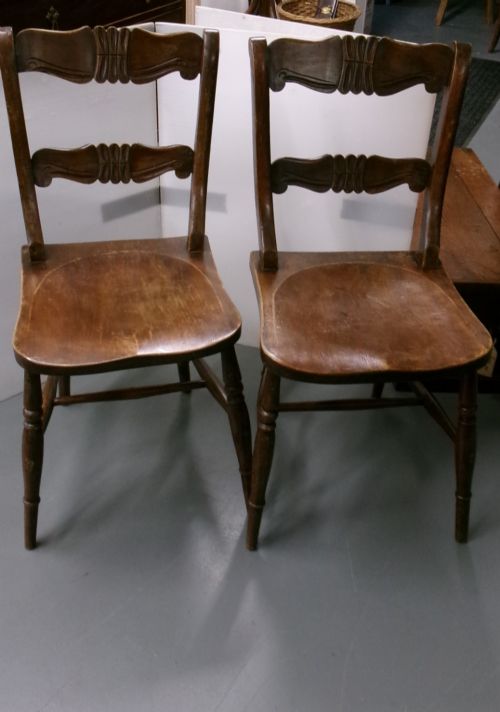
A brown timber country chair encompasses utilitarian seating created for domestic life during the eighteenth and nineteenth centuries, crossing English Country, Georgian, and Victorian periods. These pieces include Windsor armchairs, ladderbacks, and kitchen dining chairs shaped by regional vernacular traditions.
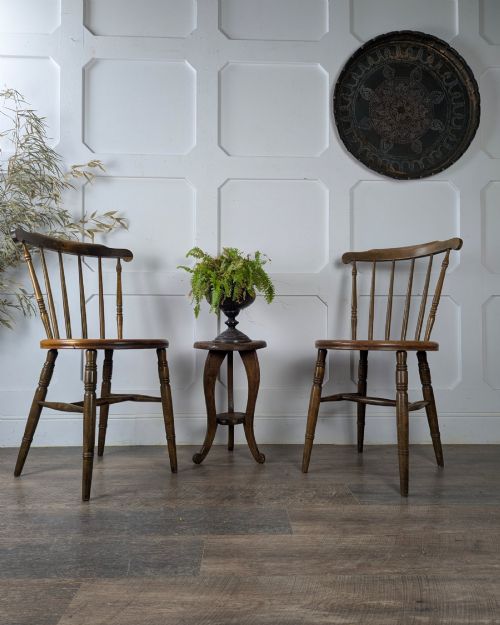
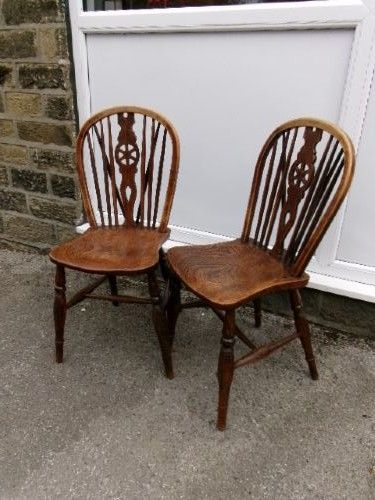
The version most likely to meet on this page is the nineteenth-century kitchen or Windsor chair, fashioned from solid woods with shaped timber seats. They served daily household functions rather than formal reception rooms.
Makers ranged from local village joiners to regional workshops producing sturdy seating in elm, ash, and beech. Their modest origins ensure a direct connection to everyday historical use.
How they were made
Construction relies on combining contrasting timbers to suit different stresses within a single frame, pairing elm seats with ash or beech spindles and legs. Turnery and steam-bending shaped the components before traditional wedged joints locked the framework together.
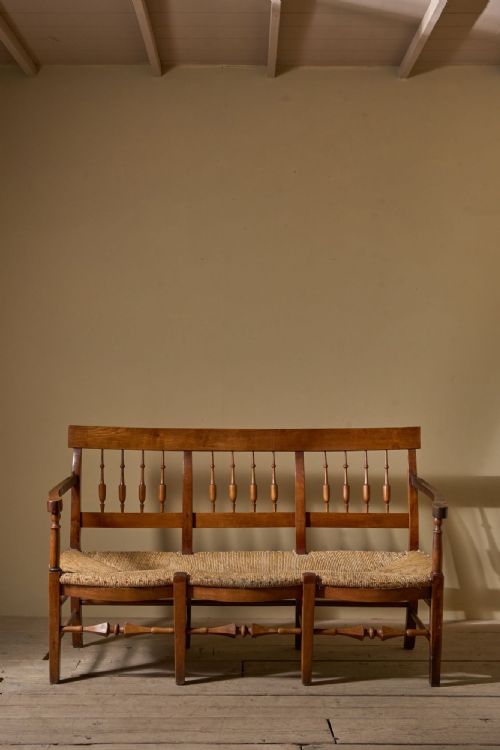
Seats were typically carved from solid blocks of timber into comfortable saddles, whilst rush was utilised for plaited seating surfaces in specific regional ladderbacks and stools.
Brown Timber Country Chair Retail Price Guide 2026
Typical asking prices for brown timber country chair among the pieces listed under this phrase on Sellingantiques today, from the lower quarter to the upper quarter. They describe what is for sale here now, not the wider market.
Some nineteenth-century Windsor chairs retain small ink stains or notched armrests from generations of domestic letter-writing and handcrafts.
What varies in quality
The distinction between ordinary utility seating and superior examples lies in the fluidity of the spindle turning, the depth of the saddle seat carving, and the balanced proportions of the overall frame. Better workshops invested greater care in selecting characterful timber grains and ensuring structural harmony.
Original surface patination and untouched construction details elevate certain regional forms, whereas heavy alterations or replaced components diminish the integrity of a piece.
The Brown Timber Country Chair Glossary
- Windsor chair
- A wooden chair featuring a solid timber seat into which the legs and back spindles are separately inserted. This structural method creates a light yet rigid frame.
- Comb back
- A Windsor chair variation where the top rail resembles the spine of a comb, supporting a row of vertical spindles. It offers a distinct profile associated with eighteenth-century vernacular seating.
- Splats and lathe backs
- Central wooden uprights fitted into the backrest of a chair for added lumbar support. They provide decorative variety within domestic kitchen seating.
- Súgán seat
- A traditional woven seat made from straw or twisted hay rope. It appears frequently on regional Irish and provincial ladderback chairs.
- Box settle
- A high-backed wooden bench incorporating a enclosed storage compartment beneath the seat. These served to block drafts in farmhouse kitchens.
Brown Timber Country Chair: Frequently Asked Questions
Are brown timber country chairs sturdy enough for daily dining?
Most of these chairs were built for heavy domestic service and remain robust. Solid timber construction and pegged joints give them remarkable durability for regular use.
However, centuries of use can loosen traditional joints. Checking the stability of the seat and undercarriage ensures safe seating at a modern table.
How do I identify a Windsor chair?
A true Windsor chair is defined by its thick solid wood seat, which acts as the central anchor for both the legs below and the back spindles above. This clever design distributes weight evenly.
They appear in various regional styles, including hoop backs, wheelbacks, and comb backs, each reflecting the local traditions of the maker.
What woods were commonly used?
Elm was the preferred choice for solid chair seats because its interlocking grain resisted splitting under pressure. Ash and beech were frequently turned for the slender spindles and legs due to their flexibility and strength.
Pine, oak, and fruitwoods also appear depending on the regional availability of timber during the Georgian and Victorian eras.
Where should I place a country chair in my home?
These versatile pieces suit dining tables, firesides, and hallways alike. Their earthy tones and simple silhouettes soften contemporary interiors.
A Windsor armchair works well as a reading seat, while a set of kitchen chairs brings character to an everyday dining space.