

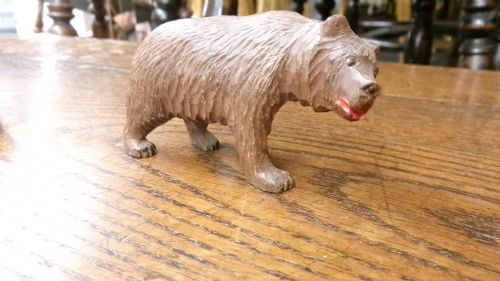


Brown Timber Bear Carving
These brown timber bear carving pieces bring expressive animal forms into the home through traditional craft.
Brown Timber Bear Carving
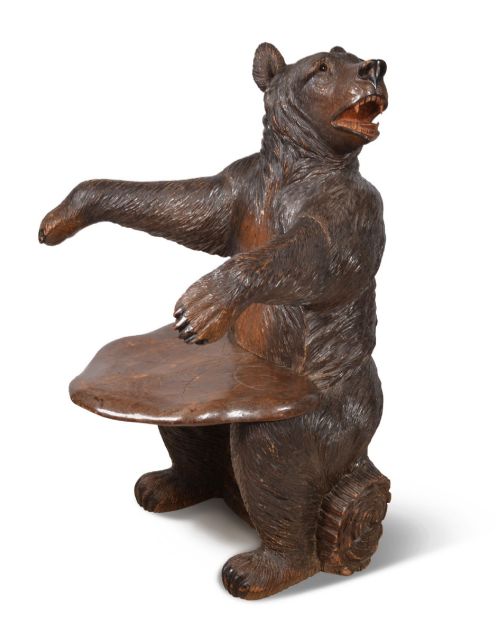
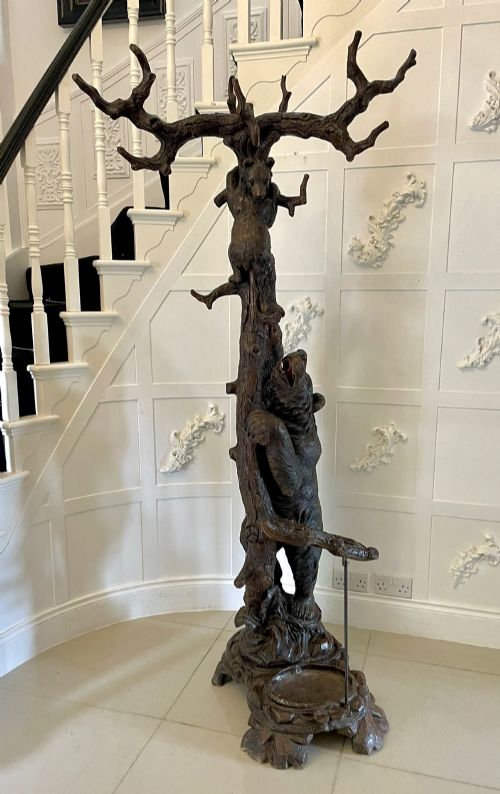
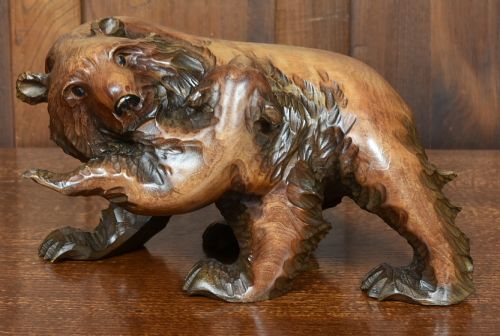
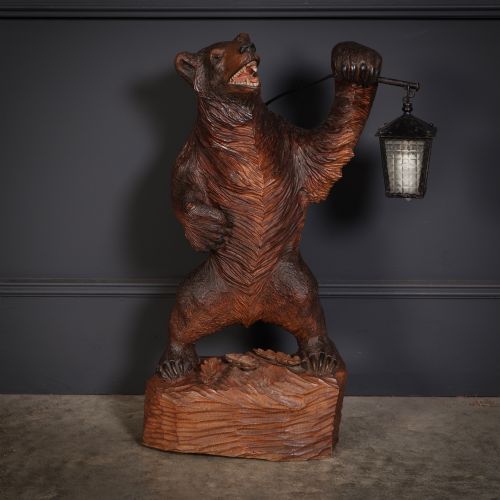
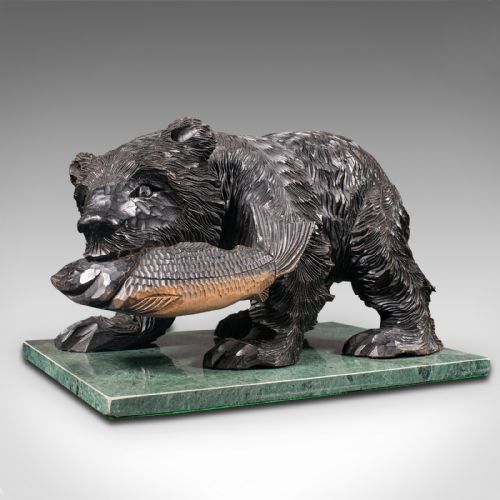
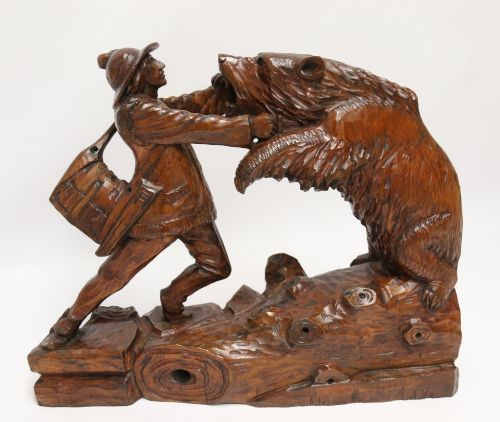
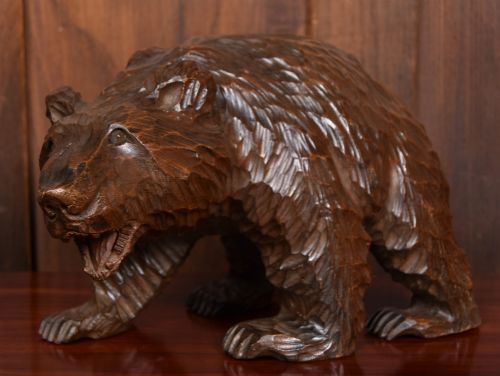
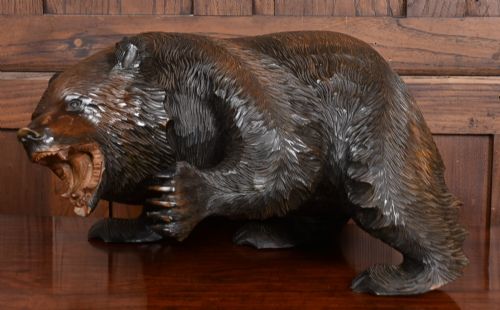
A brown timber bear carving captures the animal in various forms, ranging from miniature figures to large hall stands and furniture. These brown timber bear carving examples frequently emerge from the Black Forest tradition or Japanese folk art, spanning the Georgian period through the early twentieth century.
Buyers encounter distinct utilitarian objects alongside pure sculptures, including inkwells, bookends, lamps, and seats incorporating carved bears. The brown timber bear carving ranges from small desk accessories to substantial furniture pieces designed for hallways and living spaces.
How they were made
Carvers shaped these figures using native timbers such as linden wood, walnut, and general hardwoods. Artisans utilised hand-carving techniques to texture the fur and define the posture of each animal.
Makers occasionally added details like glass or metal stud eyes to the wooden figures, enhancing the lifelike appearance of the carved animal. The wood remained untreated or polished to highlight the natural grain and colour of the timber.
Brown Timber Bear Carving Retail Price Guide 2026
Typical asking prices for brown timber bear carving among the pieces listed under this phrase on Sellingantiques today, from the lower quarter to the upper quarter. They describe what is for sale here now, not the wider market.
Listings feature items from the Georgian period, nineteenth century, 1860, 1880, 1890, 1900, Edwardian era, and 1920.
What varies in quality
The precision and depth of the hand-carving define the artistic merit of each piece, distinguishing simple decorative items from finely detailed figure groups. Anatomical proportion and the rendering of texture in the timber set the standard across different workshops and periods.
Functional integration also affects the character of the object, as seen in how seamlessly a bear sculpture incorporates into a lamp, inkwell, or hall stand. The choice of timber, whether dense walnut or softer linden wood, influences the sharpness of the preserved detail.
The Brown Timber Bear Carving Glossary
- Black Forest
- A regional style of wood carving originating from the mountain region of Central Europe, known for realistic animal and nature motifs. This tradition produced many of the bears found on hall stands and desk items.
- Kibori Kuma
- A traditional style of Japanese wood-carved bear originating from Hokkaido. These pieces represent a distinct folk art aesthetic separate from European workshops.
- Linden Wood
- A pale timber favoured by carvers for its fine, even grain and softness. This material allows for intricate detail work without splitting.
- Figure Group
- A composition featuring multiple carved subjects interacting or presented together. These pieces often show greater complexity than single figures.
Brown Timber Bear Carving: Frequently Asked Questions
What periods do these carvings come from?
The listings span from the Georgian period through the nineteenth century and into the early twentieth century, including Edwardian examples.
Craftsmanship styles range from European Black Forest workshops to nineteenth-century Japanese folk art traditions.
How were carved bears used originally?
Many pieces served practical functions in domestic interiors, operating as hall stands, seats, bookends, and inkwells.
Other examples functioned purely as decorative sculptures, figurines, or miniature display objects.
How do Black Forest and Japanese bears differ?
Black Forest carvings typically emerge from European traditions and often integrate utility into furniture like hall stands and inkwells.
Japanese pieces, known as Kibori Kuma, represent distinct regional folk art traditions focusing on the bear form.