

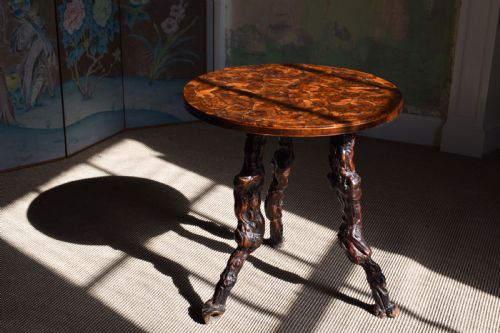


Brown Timber Accent Table
A brown timber accent table brings character and a surface for daily use into a room.
Brown Timber Accent Table
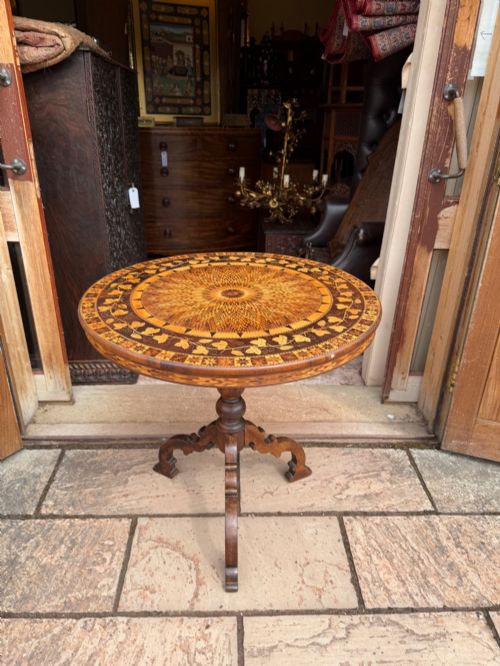
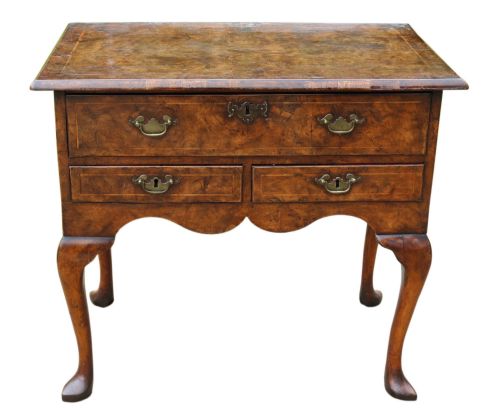
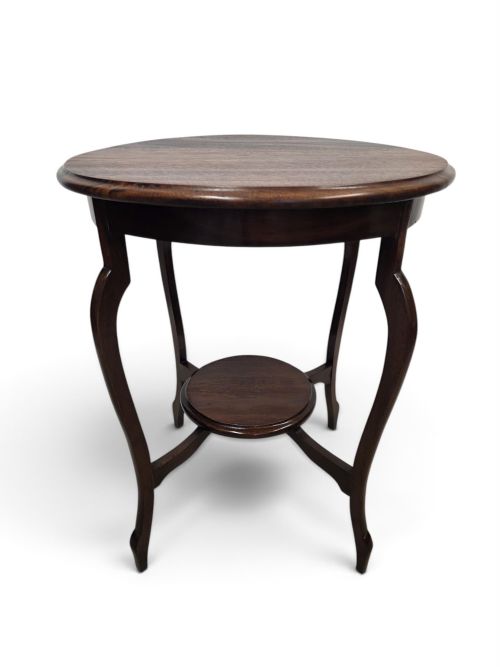
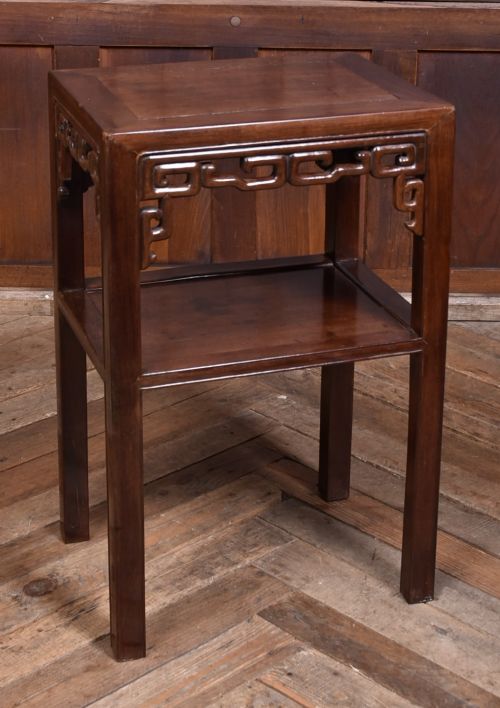
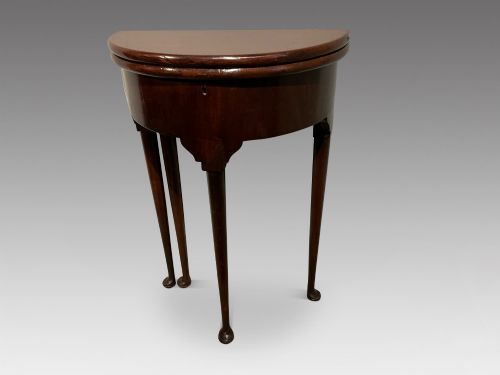
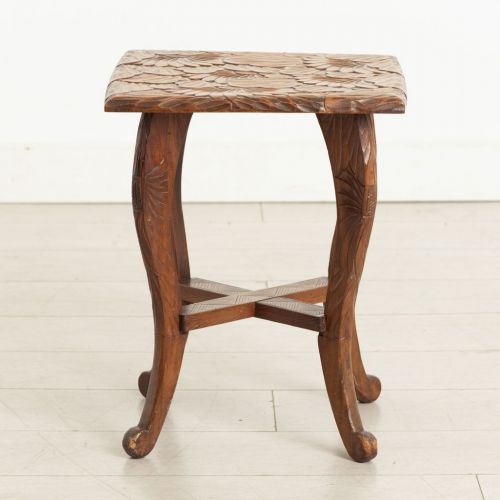
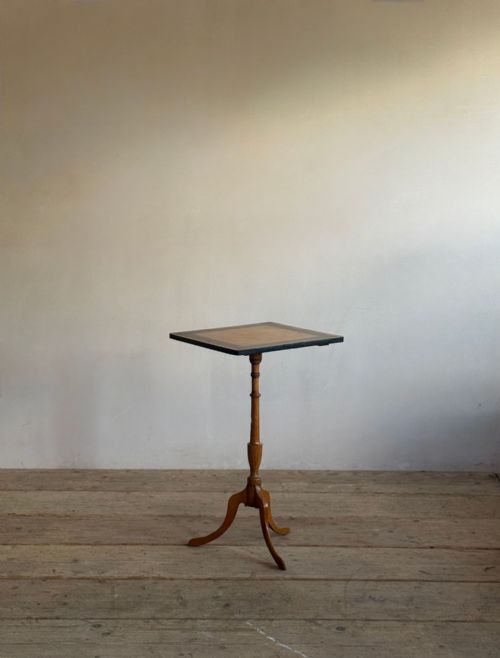
A brown timber accent table serves as a small, movable surface designed to sit beside seating or in corners. The selection spans compact side tables, tripod wine tables, lowboys, and occasional tables.
Most pieces date from the eighteenth century through the early twentieth century, taking forms typical of the Victorian, Georgian, and Edwardian periods. Makers from various global origins contribute regional woods and carving traditions to the selection.
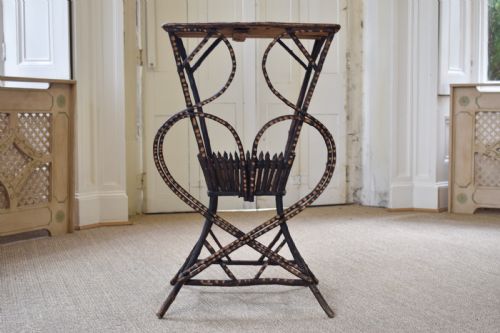
Buyers encounter forms intended for specific domestic tasks, such as Pembroke worktables, console tables, and plant stands. Each type provides a functional timber surface shaped by its original period of manufacture.
How they were made
Cabinetmakers utilised dense hardwoods including mahogany, walnut, oak, elm, and rosewood for structural stability and rich grain patterns. Inlaid decoration incorporates contrasting timbers, brass details, and hand-carved motifs.
Construction methods range from traditional joinery in Georgian examples to steam-bent elements and turned pedestals in later pieces. Surfaces receive polish, wax, or penwork decoration to accentuate the natural figure of the wood.
Materials across the selection range from familiar oak and mahogany to exotic specimen woods, teak, and palm wood.
What varies in quality
The distinction between tiers rests in the selection of timber and the precision of the joinery. Figured veneers, intricate inlay work, and robust structural framing elevate specific examples above standard utility pieces.
Hand-carved detailing and well-balanced proportions indicate superior craftsmanship by the workshop or maker. Original surface patination and intact hardware further distinguish exceptional items from later altered pieces.
Liberty of London
The Brown Timber Accent Table Glossary
- Lowboy
- A small oak, walnut, or mahogany table with one or more drawers, originating in the eighteenth century. It typically stands on slender cabriole or straight legs.
- Tripod table
- A small occasional table supported by a pillar above three spreading feet. Many feature a tilt-top mechanism for convenient storage.
- Pembroke table
- A drop-leaf table with hinged flaps on either side, introduced during the eighteenth century. It often includes a single drawer and slender legs on castors.
- Pie crust table
- A small round table featuring a raised, carved edge shaped in undulating curves resembling pastry work. This decorative top sits upon a turned pillar and tripod base.
- Cricket table
- A small, three-legged occasional table with a round wooden top, traditionally braced with lower stretchers for stability. The three-legged design prevents rocking on uneven floors.
Brown Timber Accent Table: Frequently Asked Questions
What defines a brown timber accent table?
These pieces comprise small movable tables constructed from various woods designed to hold objects or serve specific domestic functions in a room.
They appear in diverse forms such as tripod stands, lowboys, and drop-leaf tables spanning multiple historic periods.
Where should I place an occasional table?
An occasional table suits placement beside a sofa, armchair, or in an empty corner requiring a small surface for lamps or drinks.
Their compact dimensions allow them to move easily between rooms as functional household items.
How do I identify the period of a timber table?
Period identification relies on examining construction techniques, timber choices, leg styles, and overall design characteristics.
Georgian pieces often display simpler lines or fine mahogany, whereas Victorian examples frequently incorporate heavier carving and rosewood.
How do I care for antique wooden tables?
Maintenance involves keeping timber surfaces away from direct sunlight and extreme temperature shifts to prevent wood splitting.
Regular application of appropriate wax preserves the polish and protects the natural grain of the material.