




Brown Taxidermy Specimen
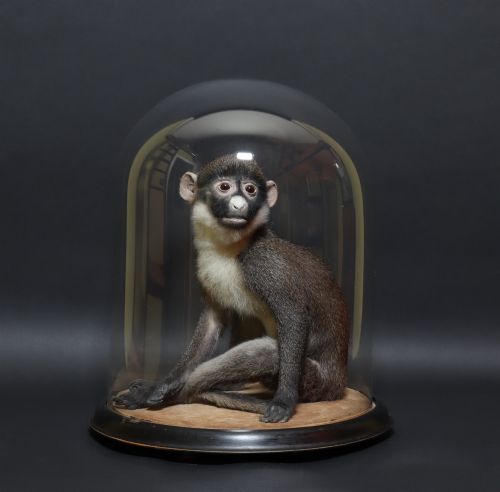
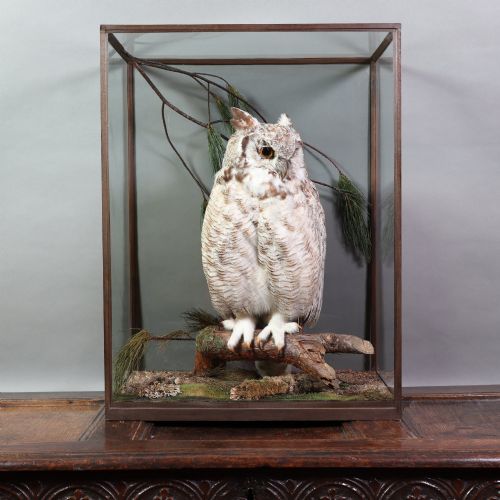
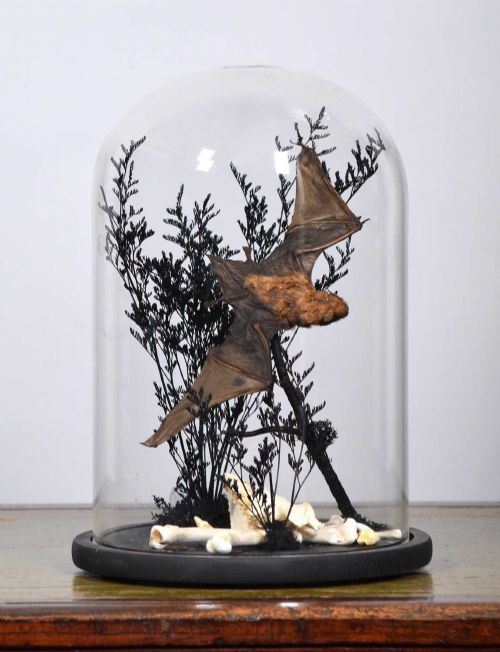
A brown taxidermy specimen brings nineteenth-century natural history directly into the modern interior through preserved birds and mammals.
Brown Taxidermy Specimen
A brown taxidermy specimen encompasses preserved birds, mammals, and horns originating from the Victorian period through to the early twentieth century. These pieces reflect historical natural history collecting and sporting traditions.
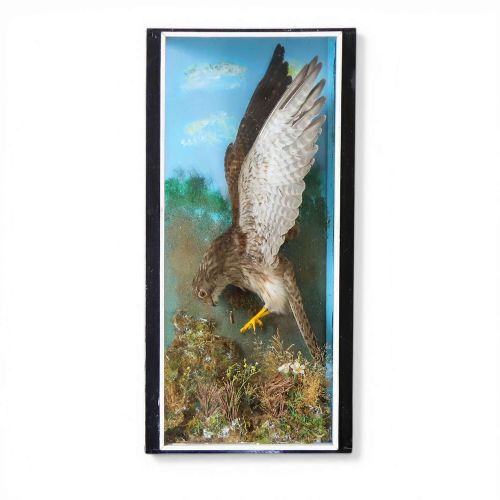
The most common examples on this page include cased dioramas of birds like kestrels and jays, alongside larger mammalian trophy heads and wall mounts mounted on wood shields.
Origins range from nineteenth-century Victorian workshops to early twentieth-century Edwardian displays, preserving natural forms with glass and oak components.
Materials and construction
Specimens combine biological material such as feathers, bone, hair, and horn with structural elements like wood, moss, and glass cases. Taxidermists mounted animals over carved or modeled forms to recreate lifelike postures.
Display cases frequently utilise timber frames with glazed fronts to protect fragile feathers and mounts from dust. Wooden shields support larger mammalian heads and horns for wall hanging.
Brown Taxidermy Specimen Retail Price Guide 2026
Typical asking prices for brown taxidermy specimen among the pieces listed under this phrase on Sellingantiques today, from the lower quarter to the upper quarter. They describe what is for sale here now, not the wider market.
Listings feature natural history specimens from the nineteenth century, the Victorian era, and the early twentieth century up to 1930.
Assessing quality and condition
Quality rests upon the anatomical accuracy and expression achieved by the taxidermist, alongside the preservation of the feathers, fur, and horn. Superior examples retain natural colouration and convincing posture.
The craftsmanship of the housing also matters, distinguishing simple wall mounts from elaborate painted dioramas enclosed in original glass cases with painted backgrounds.
J Griffiths of Burford·Rowland Ward Ltd·Edward Gerrard & Sons·J Dobson
The Brown Taxidermy Specimen Glossary
- Diorama
- A three-dimensional scene enclosing taxidermy specimens within a painted or naturalistic setting inside a glass-fronted case.
- Shield
- A carved wooden board, often made of oak, designed to support and display mammalian trophy heads and horns on a wall.
- Specimen
- An individual animal or part of an animal prepared and preserved for scientific study or display.
- Mount
- A prepared animal skin fitted over an artificial form to recreate its living shape and posture.
Brown Taxidermy Specimen: Frequently Asked Questions
How do I date a taxidermy specimen?
Dating relies on stylistic clues from the housing, such as the construction of the wooden case, the type of glass, and any maker's labels pasted on the back or inside.
Written inscriptions on the reverse or paper trade cards left by the taxidermist offer the most precise dates for these antique pieces.
Where were these specimens displayed originally?
Victorian and Edwardian homes frequently housed these specimens in studies, libraries, and hallways as part of natural history collections or sporting displays.
Highland lodges and country houses also utilised large mammalian trophies and cased birds to decorate interior spaces.
How should I care for antique taxidermy?
Protect specimens from direct sunlight to prevent the fading of feathers, fur, and painted backgrounds inside dioramas.
Keep pieces away from damp environments and extreme temperature fluctuations to preserve the natural materials and wooden mounts.
What is the difference between a cased mount and a wall mount?
Cased mounts are protected behind glass within a wooden box, often featuring painted scenery and moss to mimic the animal's natural habitat.
Wall mounts and trophy heads are fixed directly onto wooden shields designed to hang flat against a room's wall.