





Brown Steel Weapon
These pieces of brown steel weapon span military and civilian carry, bringing historic edged items and firearms into a collection.
Brown Steel Weapon
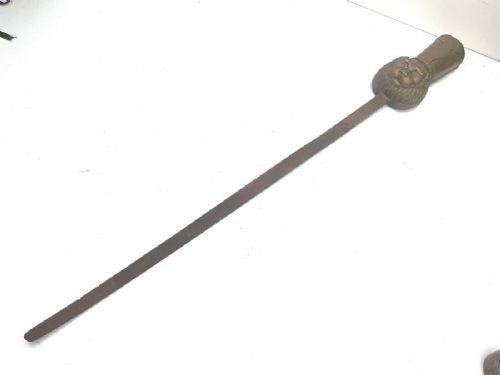
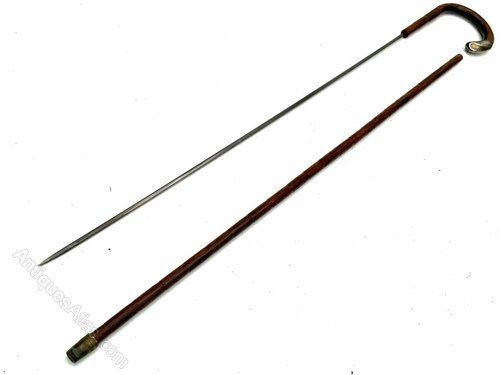
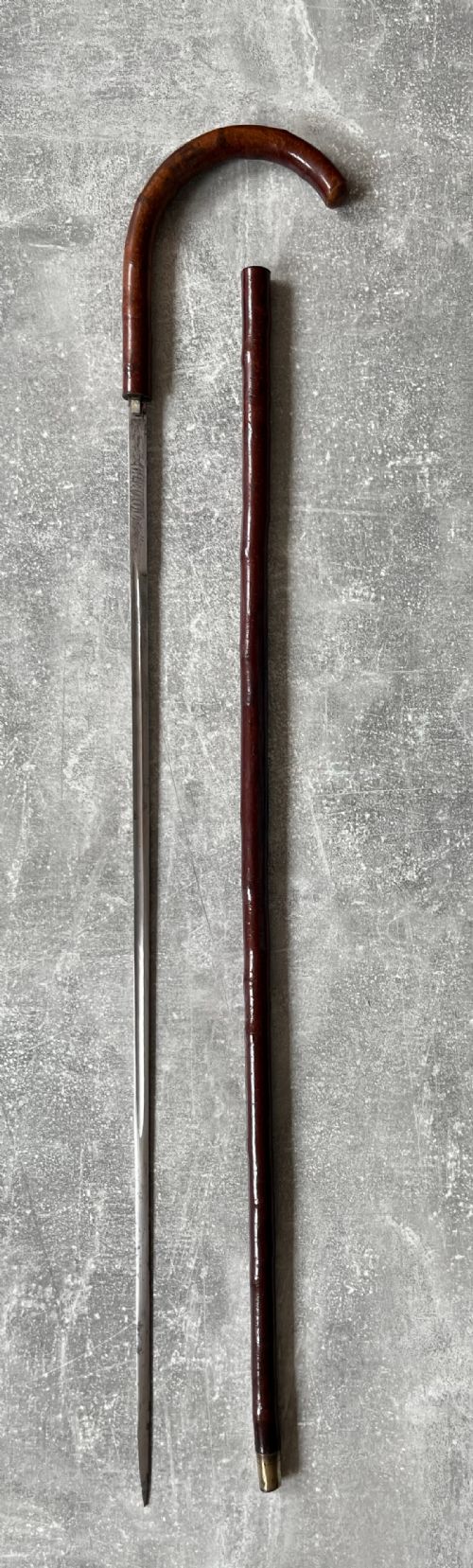
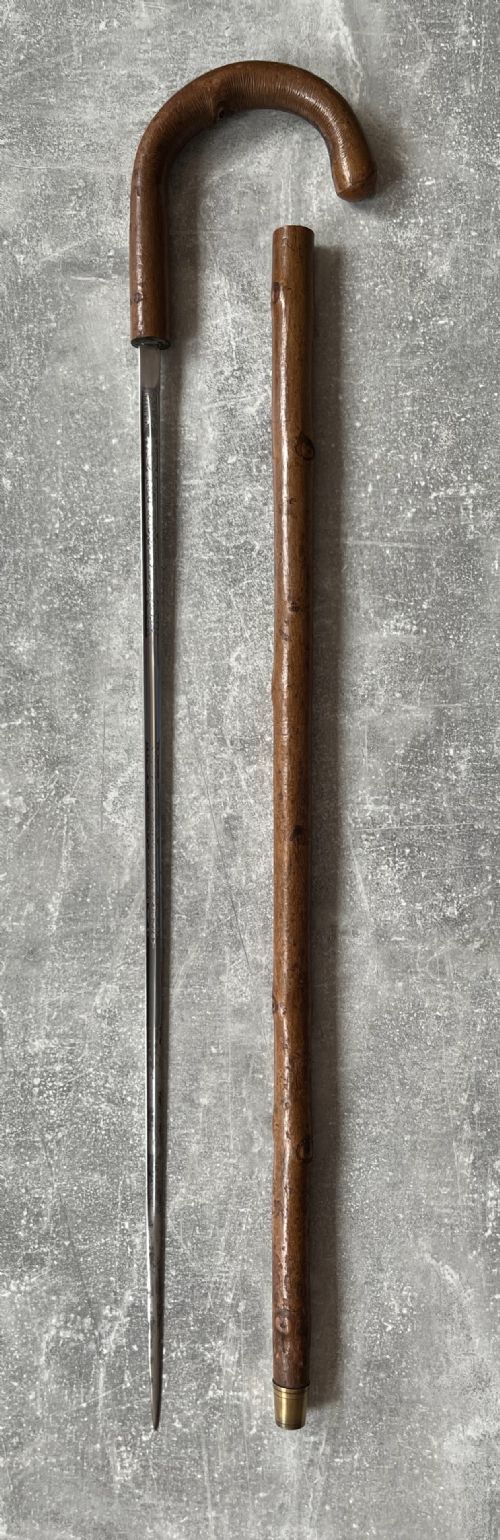
A brown steel weapon covers a diverse range of historic items including walking sticks, swords, daggers, firearms, and militaria. Buyers searching for a brown steel weapon encounter nineteenth-century pieces alongside older items, moving from Georgian and Victorian examples into the twentieth century.
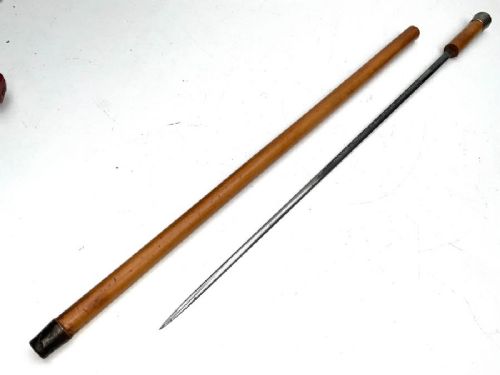
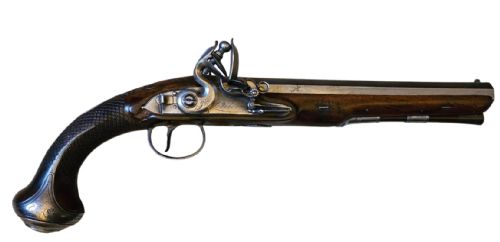
The selection encompasses civilian concealable items like sword sticks housed in cherrywood, partridge wood, hazel wood, malacca, and leather-covered shafts. Alongside these, military gear appears, including British army percussion pistols, flintlock pistols, matchlock muskets, and Indian swords.
How they were made
Construction relies heavily on metals such as steel, brass, iron, and silver paired with organic materials like walnut, hardwood, horn, and various woods. Blades often originate from notable makers or locations, utilising specialised steel techniques for Toledo blades and Wilkinson blades.
Wooden shafts and handles utilise natural root ends, crook handles, and leather coverings, whilst firearms incorporate mechanical components for smoothbore percussion, pinfire systems, and flintlock ignition.
Brown Steel Weapon Retail Price Guide 2026
Typical asking prices for brown steel weapon among the pieces listed under this phrase on Sellingantiques today, from the lower quarter to the upper quarter. They describe what is for sale here now, not the wider market.
Some gentlemen preferred their blades concealed inside roots so convincing that even a stroll in the park required serious caution.
What varies in quality
Quality differentiates through the provenance of the maker, evident in signed blades from Wilkinson or Toledo, and firearm makers such as Barber of Newark. The refinement of the materials alters the piece, distinguishing standard utility shafts from fine silver knop decorations and gold-coloured collars.
The sophistication of the mechanism and blade execution marks the distinction between standard military issue and bespoke civilian pieces fitted with concealed folding bayonets or intricate horn and root wood handles.
The Brown Steel Weapon Glossary
- Sword stick
- A walking cane or stick containing a concealed blade within its shaft. It became popular for personal defence among gentlemen during the nineteenth century.
- Percussion pistol
- A firearm using a percussion cap ignition system that replaced flintlocks in the nineteenth century. It offered greater reliability in damp weather.
- Matchlock
- An early type of firearm ignition where a lit match was lowered into a pan of gunpowder to fire the weapon. This mechanism appears on traditional muskets.
- Flintlock
- A firearm mechanism that uses a flint striking against a steel pan to create sparks for ignition. It dominated military and civilian arms for centuries before percussion caps.
- Militaria
- Artefacts and equipment collected for their association with military history and armed forces. This encompasses uniforms, edged weapons, and service firearms.
Brown Steel Weapon: Frequently Asked Questions
What is a brown steel weapon?
A brown steel weapon refers to historic edged items, concealed sword sticks, and antique firearms featuring metal components. These pieces date from the eighteenth century through to the early twentieth century.
They reflect both civilian fashion, such as gentleman's walking sticks with hidden blades, and military service through pistols and muskets.
How do I date a sword stick?
Dating relies on the style of the handle, the wood used, and any maker marks stamped onto the steel blade. Victorian and Edwardian examples often feature specific woods like malacca or partridge wood.
Checking for blade signatures from known makers or specific nineteenth-century construction methods helps narrow down the period of manufacture.
Were sword sticks used for defence?
Sword sticks served as fashionable accessories for gentlemen navigating city streets who desired personal protection. They disguised a functional steel blade inside an ordinary-looking wooden walking cane.
Civilian owners carried them as part of daily attire during the Victorian era and the surrounding decades.
What is the difference between flintlock and percussion?
Flintlock mechanisms use a piece of flint striking steel to generate a spark that ignites the gunpowder charge. This technology preceded the percussion system.
Percussion firearms utilise a small cap struck by a hammer to ignite the powder, providing a faster and more dependable lock mechanism.