


Brown Sepia Wall Art
Brown sepia wall art brings tonal depth and historical character to interiors through monochrome drawings, watercolours, and photographs.
Brown Sepia Wall Art
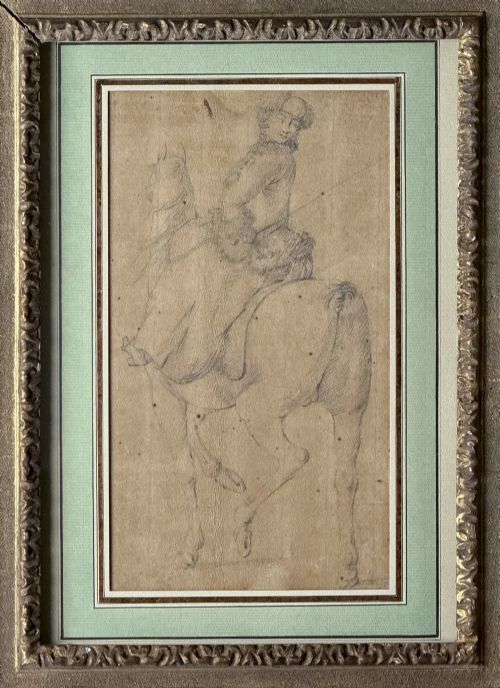
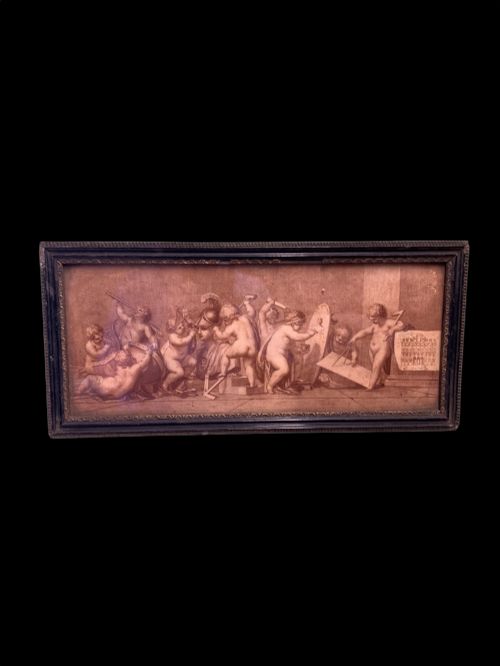
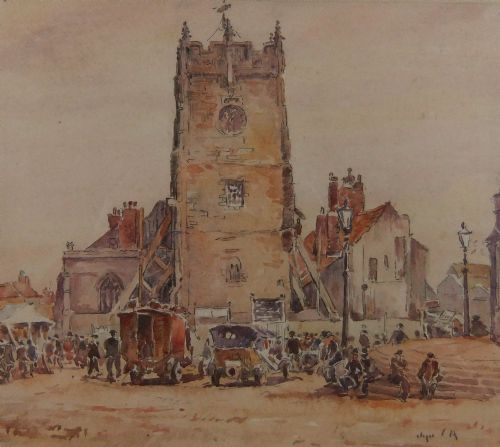
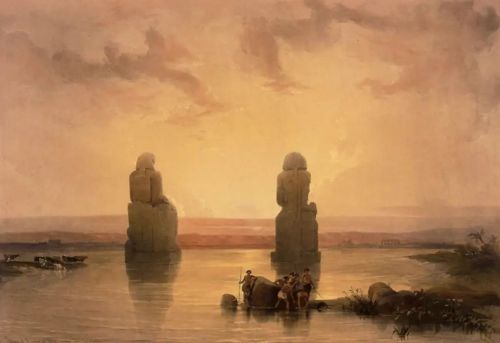
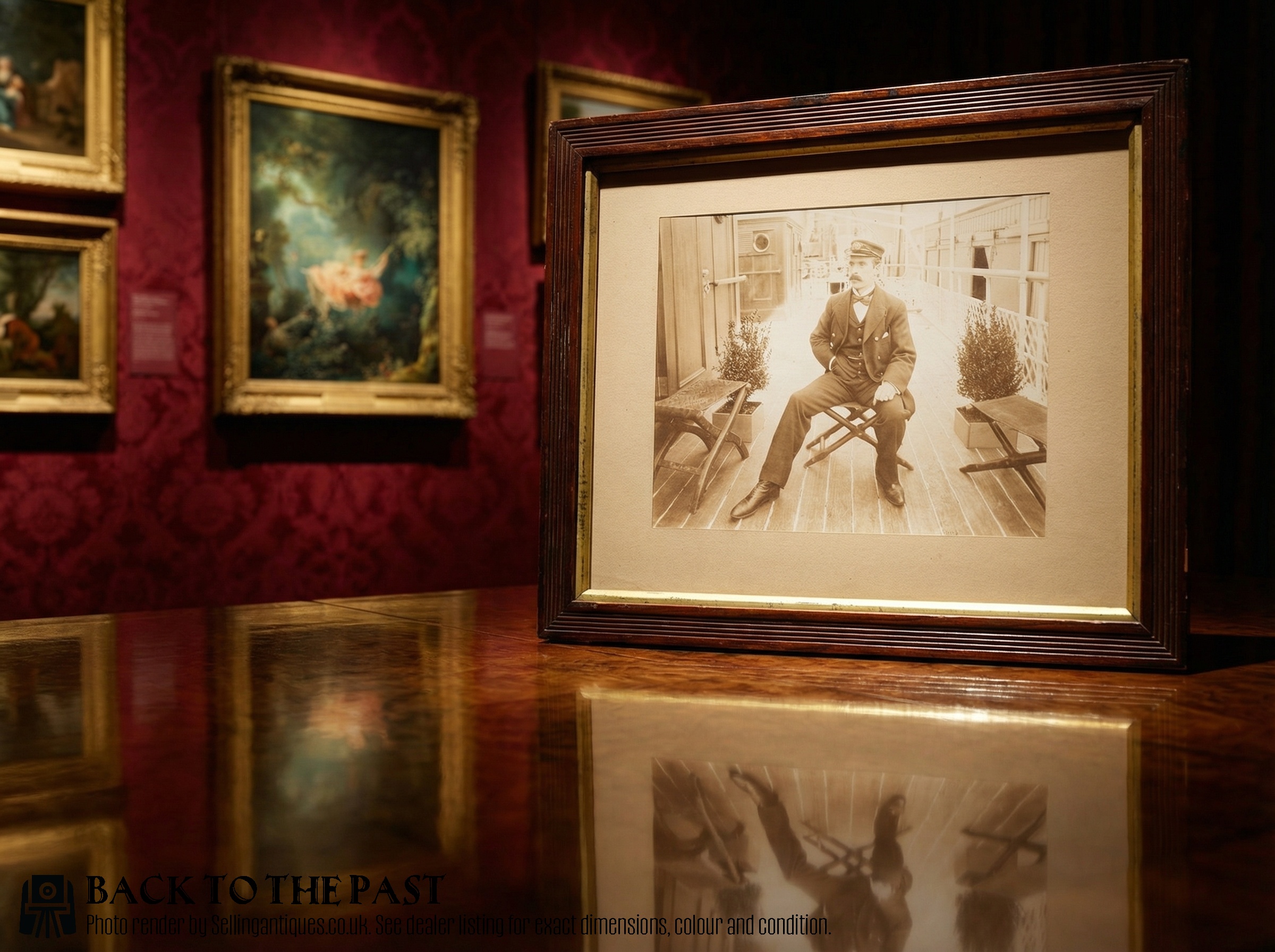
Brown sepia wall art encompasses framed historical works executed in monochromatic tones, ranging from delicate pencil and ink drawings to rich watercolours and early photographs. When searching for brown sepia wall art, buyers encounter diverse subjects including maritime scenes, architectural studies, portraits, and pastoral landscapes. These pieces span multiple eras, notably the eighteenth and nineteenth centuries, alongside early twentieth-century examples.
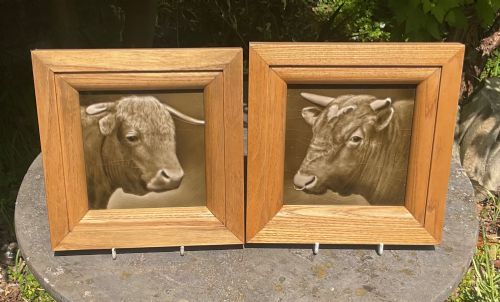
The selections available here frequently comprise framed watercolours, fine line drawings on paper, and ceramic tiles mounted for display. Maritime watercolours, regional landscapes, and theatrical figures demonstrate the wide scope of monochrome imagery preserved in period frames. Each work relies on tonal gradation rather than polychrome pigment to define form and atmosphere.
Materials and technique
Artisans and artists employed paper, ink, watercolour, and charcoal to build subtle monochromatic compositions. Pigments derived from sepia cuttlefish ink or iron gall provided the characteristic warm brown hues seen across drawings and washes.
Support materials varied from fine laid paper to canvas and ceramic tiles, often housed within period wood frames featuring glass protection. Lithographs and early photographs utilised chemical and printing processes of the nineteenth and twentieth centuries to capture tonal nuances.
One determined steamship named Queen braves rough Victorian waters in a spirited Edwardian maritime watercolour.
Assessing quality and preservation
Quality in these works rests upon the precision of the draughtsmanship and the preservation of the paper support against foxing and fading. Masterful handling of line and wash creates depth and luminosity that lesser, mechanical reproductions lack.
The integrity of the original framing, such as burr wood or period moulding, contributes significantly to the standing of a piece. Well-documented provenance and discernible artistic attribution elevate specific works above anonymous decorative examples.
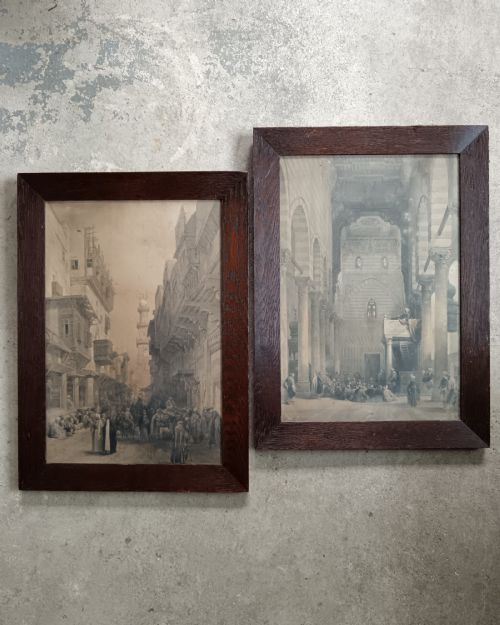
John Smith Atherton·David Roberts·Sherwin and Cotton·Richard Harry Carter·Leslie Rackham·William Wyld·Julius Caesar Ibbetson
The Brown Sepia Wall Art Glossary
- Sepia
- A dark brown pigment traditionally obtained from the ink sac of the common cuttlefish. It was widely utilised by artists for monochrome wash drawings and sketches.
- Lithograph
- A printmaking process based on the immiscibility of oil and water, enabling detailed reproduction of original drawings. Artists used limestone blocks to transfer fine tonal lines onto paper.
- Foxing
- Small brownish spots caused by chemical reactions in ageing paper. Its presence affects the visual clarity of historical drawings and prints.
- Laid paper
- Paper featuring a grid of fine parallel lines and wider spacing created during manual manufacture. It serves as a common substrate for eighteenth-century works.
Brown Sepia Wall Art: Frequently Asked Questions
How do I date brown sepia wall art?
Dating relies on examining the paper stock, framing methods, and stylistic conventions characteristic of specific centuries. Handwriting on the reverse or visible signatures also assist in establishing a timeline.
Material analysis of the backing boards and glass types further clarifies whether a piece retains its original presentation.
Where should I hang these artworks?
These monochromatic pieces suit studies, libraries, and hallways where their subtle tones complement traditional interiors. They pair effectively with neutral wall colours that allow the brown ink and wash to stand out.
Direct sunlight should be avoided to prevent fading on antique paper and watercolours.
Are these works original?
The selection includes unique hand-drawn sketches, original watercolours, and period prints or photographs. Each listing specifies the exact medium used by the creator.
Close inspection under magnification reveals hand-applied brushstrokes or ink lines distinguishing unique pieces from mechanical reproductions.
How do I care for antique paper art?
Protection from direct UV light and stable humidity levels are essential for preserving paper and watercolour works. Professional framing using acid-free materials prevents deterioration over time.
Keeping pieces away from damp environments safeguards the paper substrate from mould and foxing.