





Framed Photography
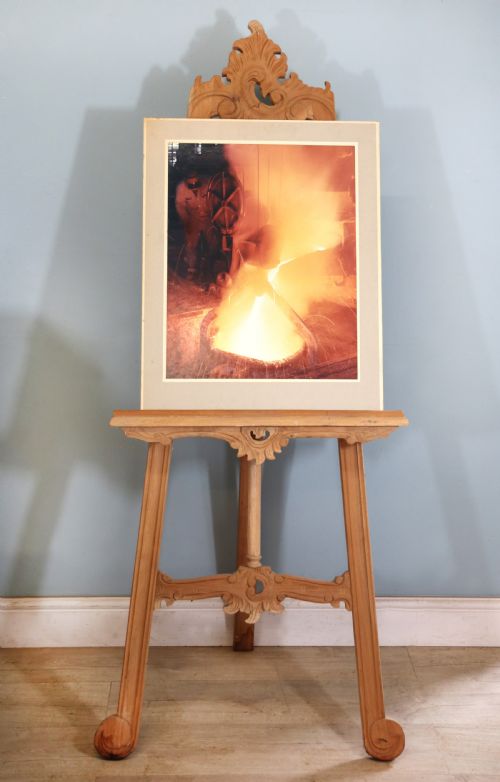
Framed antique photography brings historical moments, landscapes and portraits directly to your walls, preserved behind glass within period surrounds.
Framed Photography
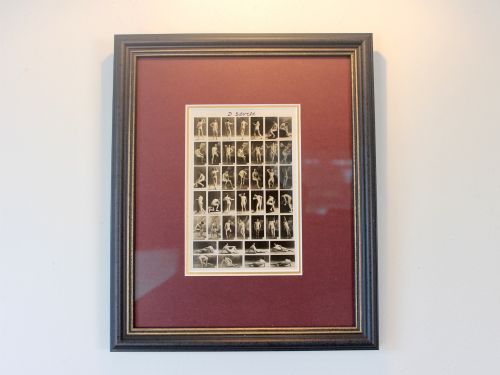
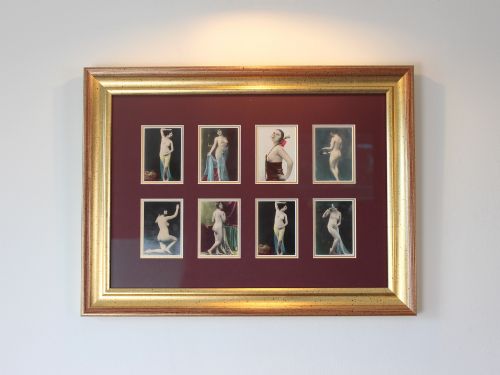
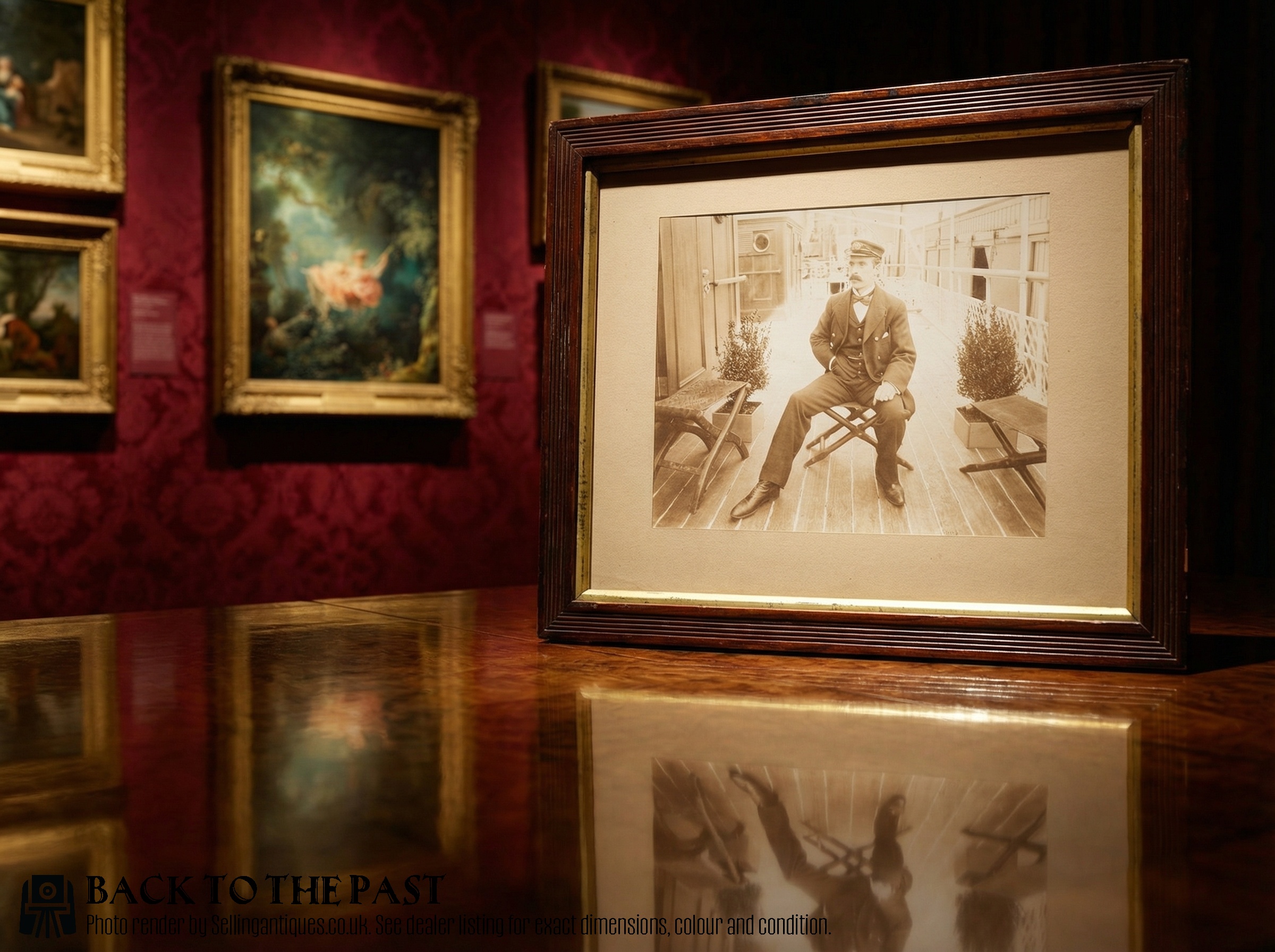
When you search for framed antique photography, you encounter a diverse range of visual records spanning from the Victorian era through the mid-twentieth century. These pieces encompass everything from intimate hand-tinted nudes and topographical Alpine views to large-scale maritime commissions and sporting sets.
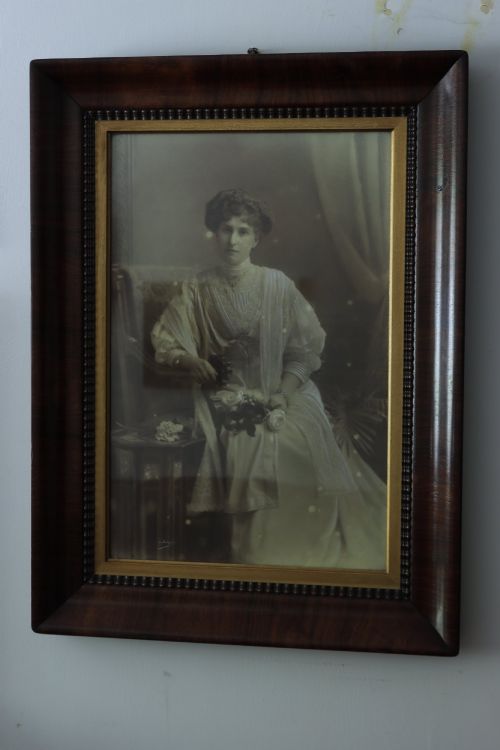
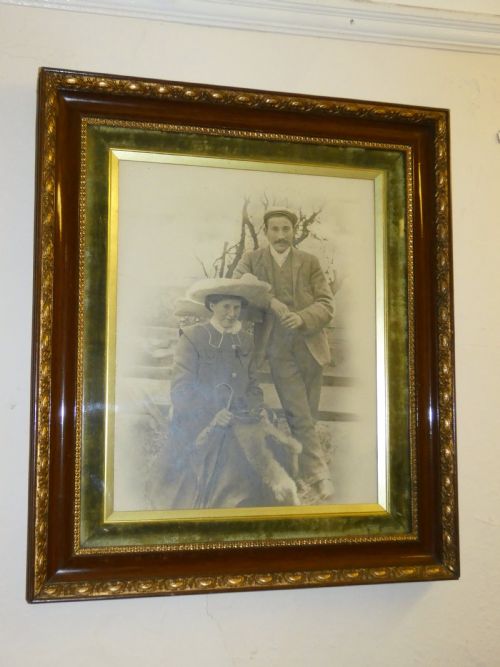
The objects themselves take various forms, including contact sheets, autochromes, sepia portraits and crystoleums. Most items you meet on this page are presented ready to hang, combining early photographic processes with original timber or gilded frames.
Origins stretch across different aesthetic movements, taking in Victorian formality, Edwardian character, Art Deco boldness and mid-century traditionalism. Each piece captures a fragment of social history, whether through professional studio work or personal collections.
Materials and Techniques
The physical build relies on traditional framing materials such as mahogany, oak and gilded wood, often enclosing protective glass. Beneath the glass, the imagery utilises early photographic paper alongside specialised formats like glass autochromes and crystoleums.
Workmanship involves both the photographic capture and the mounting process. Detail is added through techniques such as hand tinting on photographic prints or careful preservation of monochrome tones in sepia and black-and-white formats.
Listings feature paper, glass, mahogany, oak and velvet materials across the Victorian, Edwardian and Art Deco periods.
Factors of Quality
Quality rests upon the clarity of the photographic image and the original integrity of the frame. A strong piece displays well-preserved tonal range or delicate hand colouring without severe fading or moisture damage.
The harmony between the photograph and its surround dictates much of the appeal. Original frames that complement the exact period of the image elevate the piece far above later, mismatched re-framing attempts.
Julian Mandel·W. Edward Grey
The Framed Photography Glossary
- Autochrome
- An early colour photography process invented by the Lumière brothers, utilising dyed potato starch grains on glass plates. These delicate pieces require careful handling behind protective glazing.
- Crystoleum
- A Victorian method of applying a hand-colored photographic print to the inside of concave glass and refining it with oil paints. This creates a luminous, three-dimensional depth.
- Contact sheet
- A photographic print made by placing negatives directly against sensitized paper, capturing a series of images at actual size. They offer direct insight into the photographer's working process.
- Sepia
- A reddish-brown monochrome tone produced by chemically altering silver photographic prints. This warm coloration is characteristic of many portraits from the turn of the twentieth century.
Framed Photography: Frequently Asked Questions
How should I clean the glass?
Use a soft cloth slightly dampened with water or standard glass cleaner, taking care not to let moisture seep beneath the edge of the frame.
Avoid spraying liquid directly onto the glass, as it may penetrate old seals and damage the delicate photographic paper inside.
Are these photographs original prints?
The listings feature original historical prints, contact sheets and unique photographic plates created during their respective periods rather than modern reproductions.
Each piece retains the physical characteristics and ageing appropriate to its specific decade of production.
How do I date an old photograph?
Dating relies on a combination of the photographic technique used, the style of the clothing or subject matter, and the construction of the frame.
Comparing the materials against known historical periods helps narrow down the decade of creation.
Can I hang these in direct sunlight?
Direct sunlight causes fading and chemical breakdown in antique photographic emulsions and paper over time.
Positioning pieces away from bright windows ensures the monochrome tones and hand-tinted colours remain stable.