



Brown Seascape Canvas
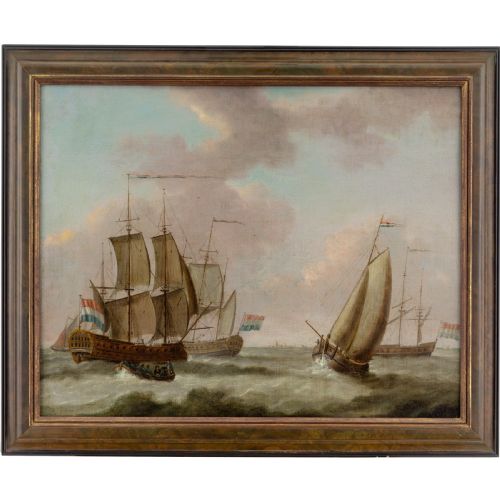
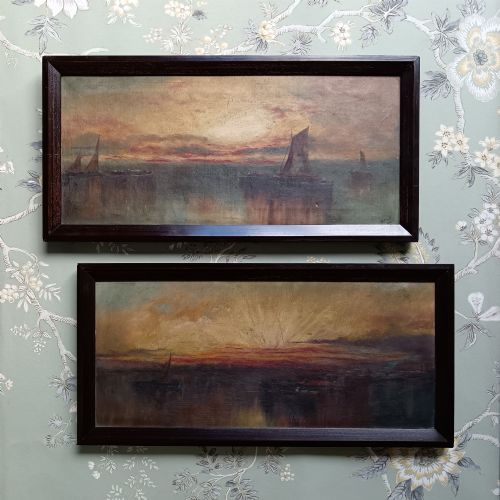
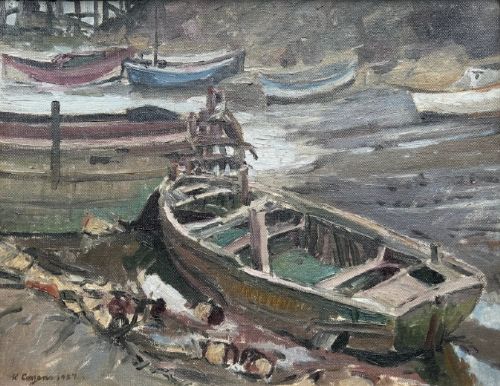
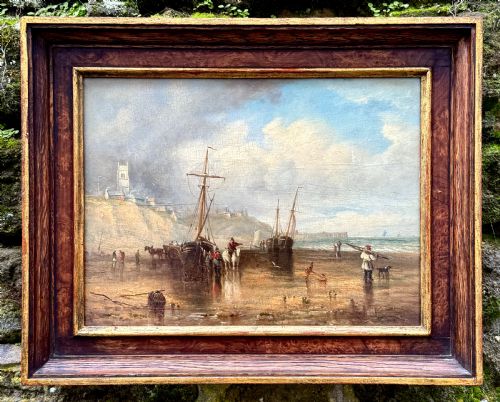
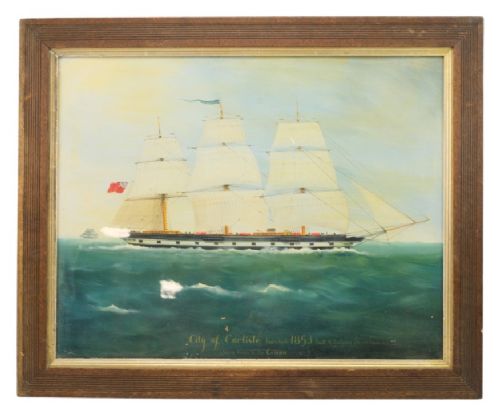
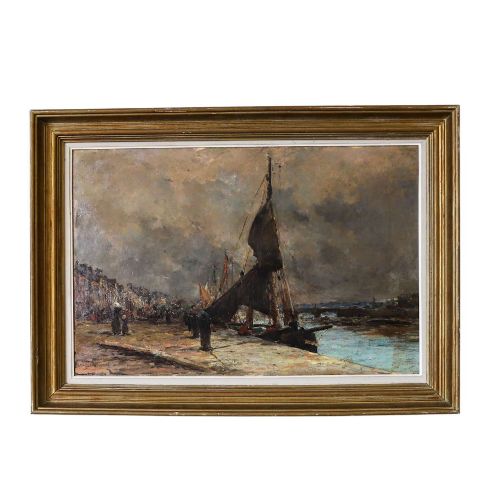
When you search for a brown seascape canvas, you are looking at oil paintings on canvas that capture coastal views, harbours and ships in muted, earthy tones.
Brown Seascape Canvas
A brown seascape canvas brings together maritime subjects and natural earth pigments, showing coastal scenes, harbour views and open water. The works span from the eighteenth century through the Victorian era into the mid-twentieth century, recording shipping, beaches and coastal architecture.
You will encounter works from British, Dutch, Belgian and French schools, ranging from early Dutch shipping scenes to post-impressionist coastal ports. The palette relies on deep browns, ochres and muted greys to render rolling seas, dramatic skies and timber vessels.
Materials and construction
These works are painted in oil paint on woven canvas stretched over wooden frames, occasionally using board for mid-century examples. Artists built the images through layered brushwork, applying darker earth tones and oil paint to create depth in water and heavy skies.
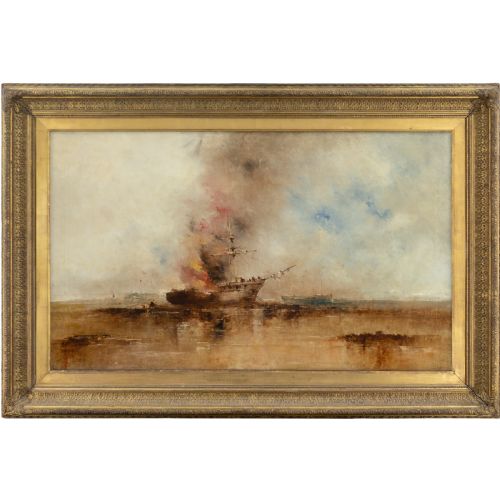
Many canvases remain housed within their original or period gilt wood frames, which complement the darker maritime palettes. The combination of oil paint and linen canvas provided the durability needed for large-scale coastal landscapes.
Brown Seascape Canvas Retail Price Guide 2026
Typical asking prices for brown seascape canvas among the pieces listed under this phrase on Sellingantiques today, from the lower quarter to the upper quarter. They describe what is for sale here now, not the wider market.
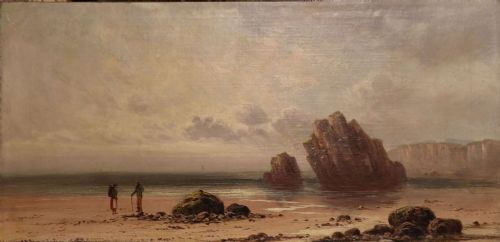
Several Victorian canvases capture turbulent waters where ships battle the swell, watched by tiny spectators painted on distant rocky shores.
Distinctions in quality
Quality rests upon the handling of light and atmospheric depth within a restricted brown palette, distinguishing competent topographical records from accomplished artistic interpretations of water and sky. The brushwork in superior examples captures the movement of waves and the texture of old wooden hulls with precision.
The integrity of the canvas support, the stability of the oil paint layer and the preservation of the original gilt frame influence the standing of a piece. Works by named artists from recognised maritime and impressionist traditions hold greater distinction than anonymous school paintings.
Kenneth Cozens·William McAlpine·B. Nash·Thomas Creswick·Gyrth Russell·Gustave De Bréanski·Edward Henry Eugene Fletcher·T.S. Wallis·George Henry Knight·John Callow·Owen Bowen·Edward M. Elliott·Paul Jean Clays·Hendrik Yan Wolter·J Wilson·Ludwig Hermann·Johan Jens Neumann·Alec Caruthers Gould·Bertram Priestman·Donald McIntyre
The Brown Seascape Canvas Glossary
- Canvas
- A heavy woven fabric, usually linen or cotton, used as a surface for oil painting. It is stretched tightly over a wooden frame before application.
- Gilt frame
- A wooden picture frame coated with a thin layer of gold leaf or metallic gilt paint. These frames often show period moulding styles characteristic of the eighteenth and nineteenth centuries.
- Marine art
- Painting or visual art that depicts or draws its main inspiration from the sea, ships, harbours and coastal views. It encompasses naval engagements, merchant shipping and quiet shorelines.
- Impressionism
- An art style developed in the nineteenth century characterised by relatively small, thin yet visible brush strokes and an emphasis on accurate depiction of light. British and continental practitioners applied this to coastal and harbour scenes.
- Oil paint
- A type of slow-drying paint that consists of particles of pigment suspended in a drying oil, commonly linseed oil. It allows for rich blending and deep tonal gradations.
Brown Seascape Canvas: Frequently Asked Questions
Are these paintings supplied with frames?
Many listings include the original or period gilt wood frame that has housed the canvas for decades.
Check the individual description to confirm whether the artwork is sold with its frame included.
How do I identify the date of a maritime painting?
Dates are often indicated by the clothing of figures, the type of vessel shown, such as three-masted schooners or steamships, and artist signatures.
Stretched canvas types and frame construction styles also offer clues to the period of creation.
Where should I hang a dark oil painting?
Choose a wall with indirect lighting to prevent glare on the oil paint and to protect the canvas from direct sunlight.
Pairing a dark maritime scene with neutral walls allows the earthy browns and ochres to stand out.