

Brown Satinwood Furniture
Brown satinwood furniture combines the luminous grain of West Indian timber with classical inlay, bringing warmth and refined design to period interiors.
Brown Satinwood Furniture
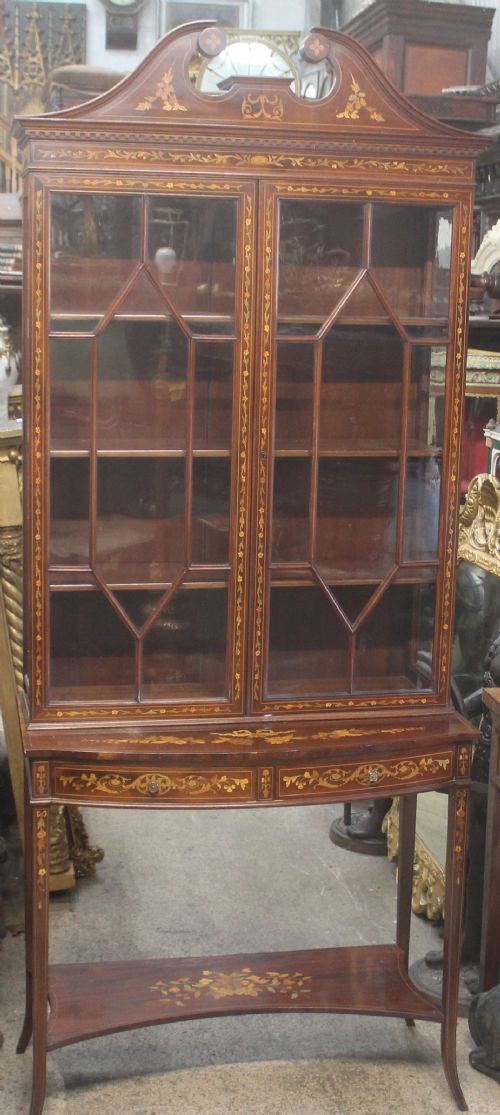
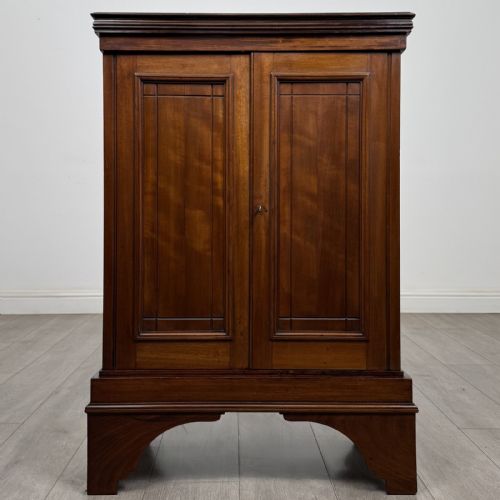
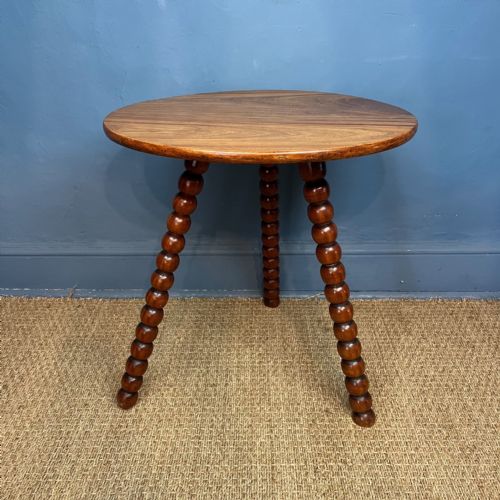
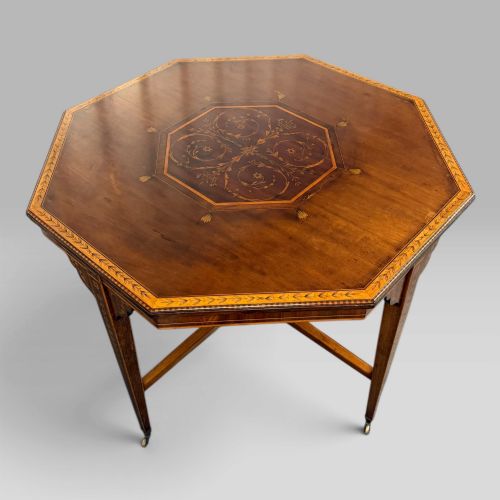
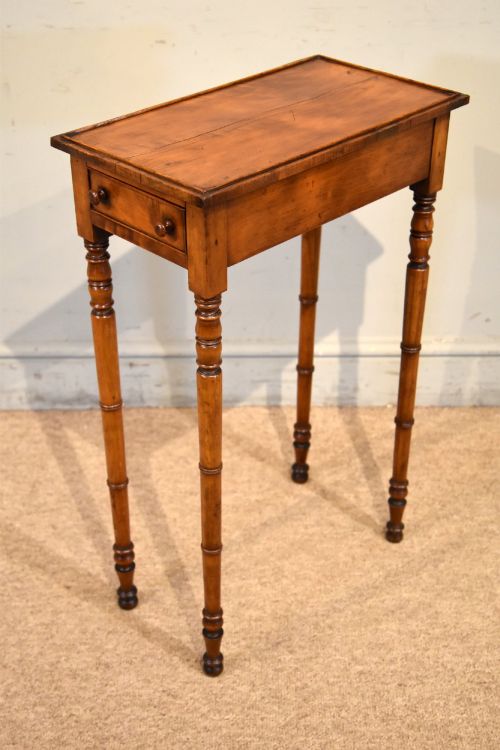
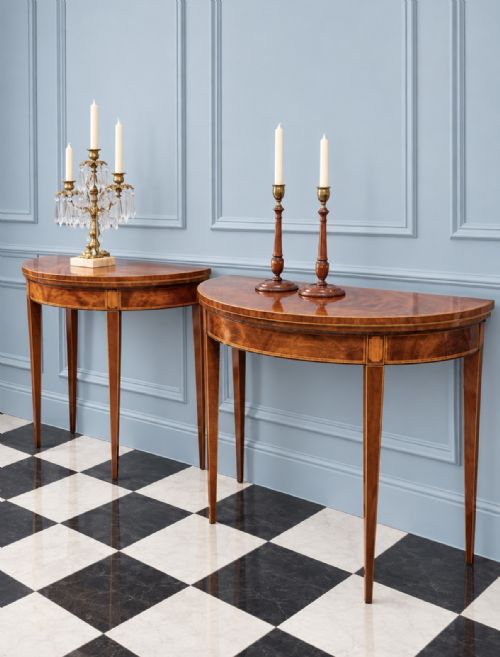
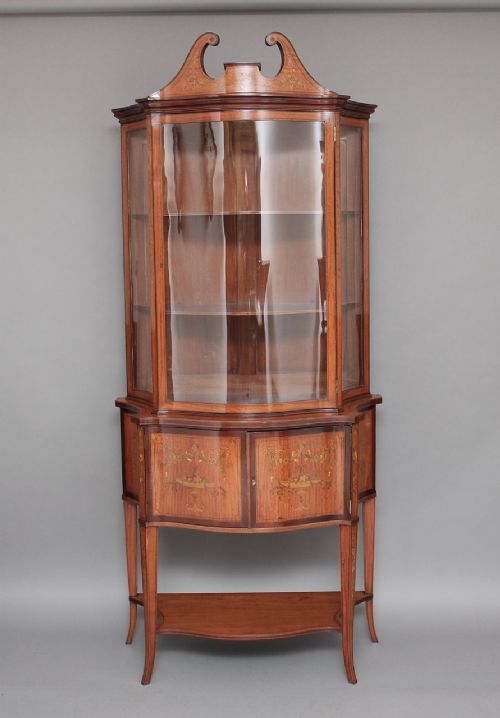
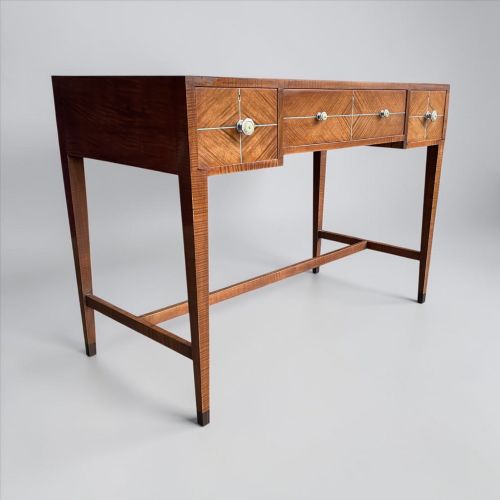
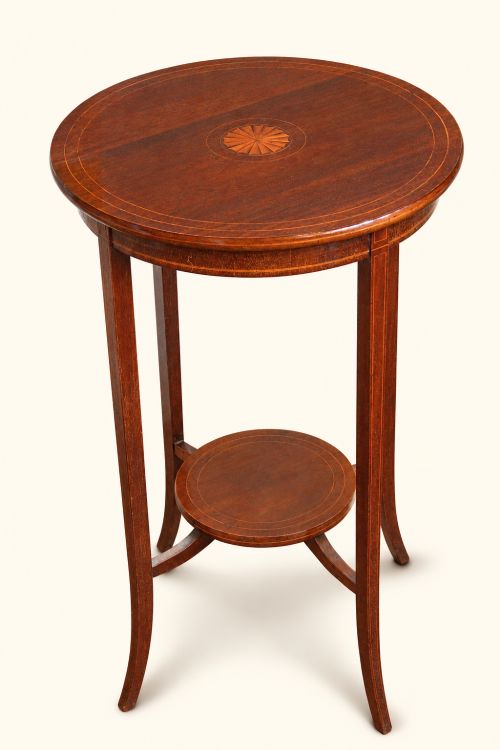
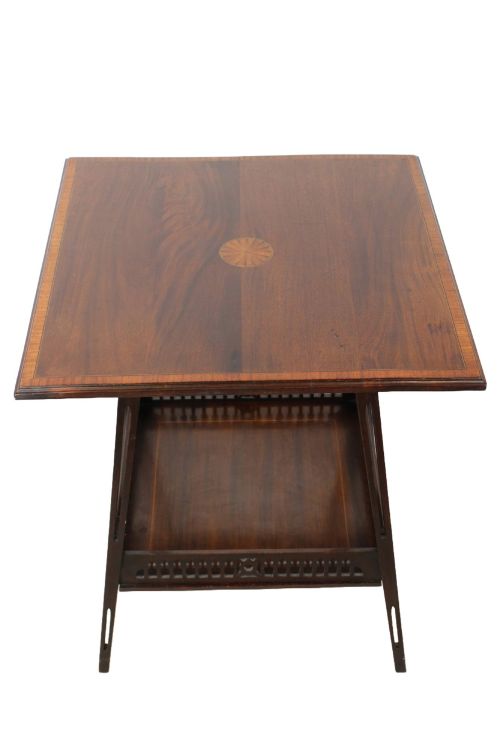
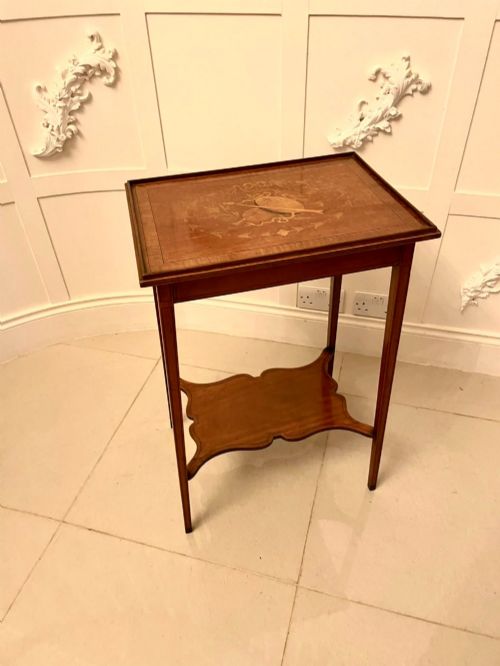
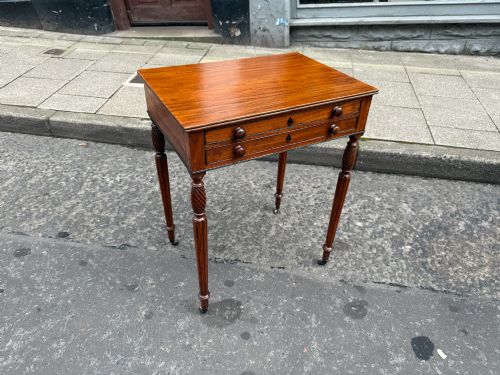
Brown satinwood furniture encompasses a diverse selection of decorative items for the home, originating from periods such as the Georgian, Regency, and Edwardian eras. Pieces on this page span numerous practical forms, including occasional tables, card tables, display cabinets, writing desks, and chests of drawers.
Buyers will most frequently encounter Edwardian interpretations and Sheraton Revival pieces alongside older 18th Century and 19th Century examples. These items often feature contrasting timbers like mahogany or walnut, accentuating the golden and brown tones of the primary satinwood veneer.
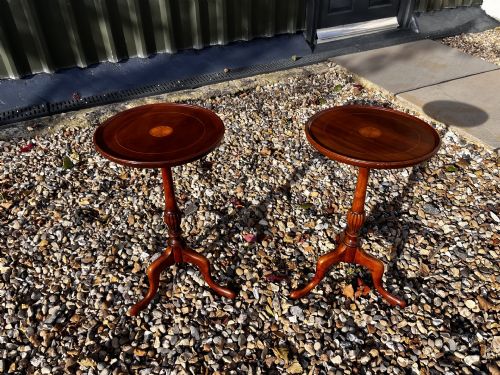
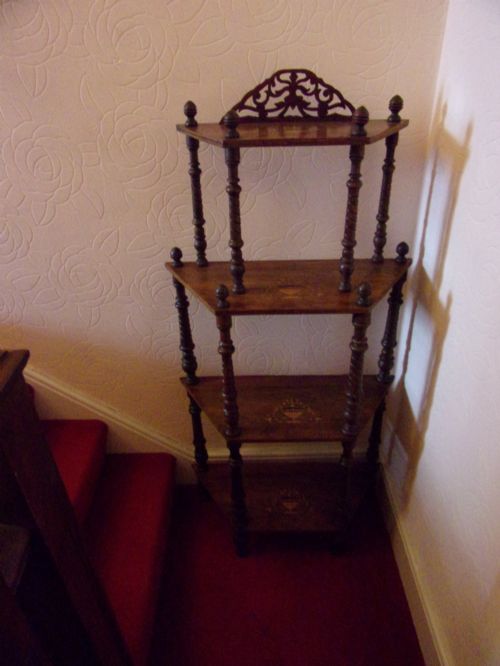
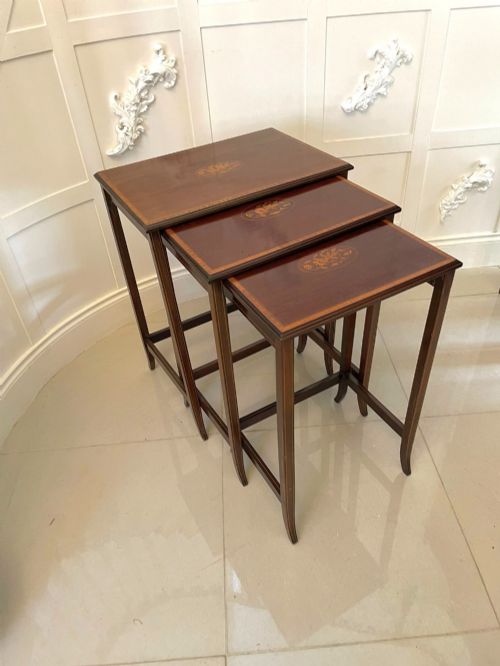
The assortment includes specialised functional items such as nests of tables, revolving bookcases, and plant stands. Each piece demonstrates the enduring appeal of light-coloured woods shaped by classical cabinet-making traditions.
How they were made
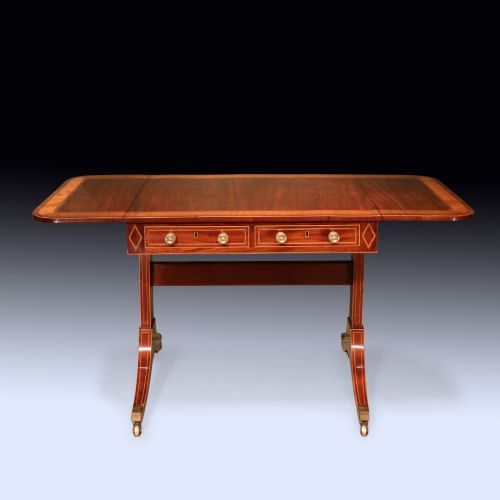
Cabinet-makers utilised smooth satinwood veneers applied over secondary timbers, often framing the rich grain with bandings of boxwood and mahogany. This technique created striking geometric contrasts across table tops, cabinet doors, and drawer fronts.
Many items incorporated delicate hand-painting directly onto the wood surface, displaying floral motifs or neoclassical panels in the Georgian style. Brass fittings, glass panels, and turned supports completed the construction of these refined domestic objects.
Brown Satinwood Furniture Retail Price Guide 2026
Typical asking prices for brown satinwood furniture among the pieces listed under this phrase on Sellingantiques today, from the lower quarter to the upper quarter. They describe what is for sale here now, not the wider market.
Listings feature items spanning the 18th Century through the Edwardian period, utilising materials such as satinwood, mahogany, brass, and glass.
What varies in quality
Quality in these pieces depends heavily on the crispness of the inlay work and the visual depth of the satinwood grain. Superior examples display precise botanical or geometric banding that remains flush with the surrounding timber.
The harmony between structural integrity and decorative restraint defines the upper tier of this furniture. Well-executed painted details and balanced proportions distinguish finer workshop productions from simpler commercial outputs.
Bath Cabinet Makers·Trevor Page And Co·Heal And Son·Waring And Gillows·Maison Giroux
The Brown Satinwood Furniture Glossary
- Satinwood
- A dense, lustrous tropical timber prized for its golden-brown colour and reflective chatoyant grain. It served primarily as a fine veneer on high-status cabinet work.
- Inlay
- A decorative technique where contrasting materials such as boxwood or darker hardwoods are embedded into recesses in the wood surface to form patterns.
- Sheraton Revival
- A late 19th and early 20th century design movement that reinterpreted the light, neoclassical furniture forms of the late 18th century.
- Serpentine
- A curved furniture front or table edge shaped in a continuous wave, featuring a convex centre flanked by concave curves.
Brown Satinwood Furniture: Frequently Asked Questions
What is brown satinwood furniture?
Brown satinwood furniture consists of decorative tables, desks, and cabinets surfaced with the golden-brown tropical timber. These pieces range from Georgian card tables to Edwardian display cabinets.
Craftsmen often combined the timber with mahogany or boxwood inlay to create striking contrasts in colour and texture.
How do I identify a Sheraton Revival piece?
Sheraton Revival items typically date from the late 19th or early 20th century, drawing inspiration from late 18th century neoclassical designs. They feature light satinwood veneers, tapered legs, and delicate painted or inlaid decoration.
These pieces capture the elegance of earlier Georgian forms while utilising the manufacturing techniques of the Victorian and Edwardian periods.
Where was satinwood sourced from?
Much of the finest satinwood used in British cabinet-making originated in the West Indies. This timber became highly sought after for its distinctive sheen and warm brown tones.
Master craftsmen utilised it sparingly as a veneer over sturdier woods like mahogany to decorate high-status furniture.
How should I care for satinwood surfaces?
Satinwood furniture requires gentle maintenance to preserve the delicate veneers and polished finish. Keep pieces away from direct sunlight and excessive heat sources to prevent the wood from drying out.
Regular dusting with a soft, dry cloth is sufficient to maintain the natural lustre of the polished grain.