



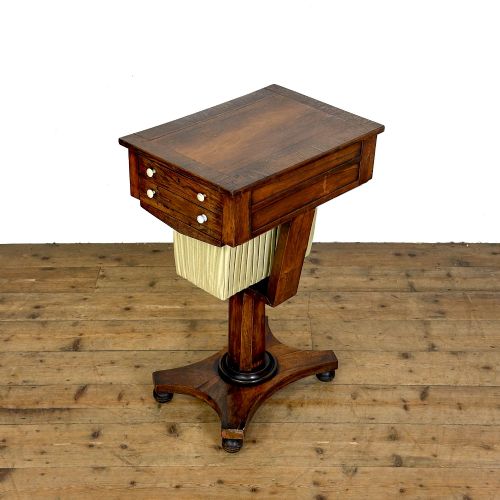
Brown Rosewood Furniture
Brown rosewood furniture comprises dense, richly toned timber tables, chairs and cabinets built to last across centuries of daily use.
Brown Rosewood Furniture
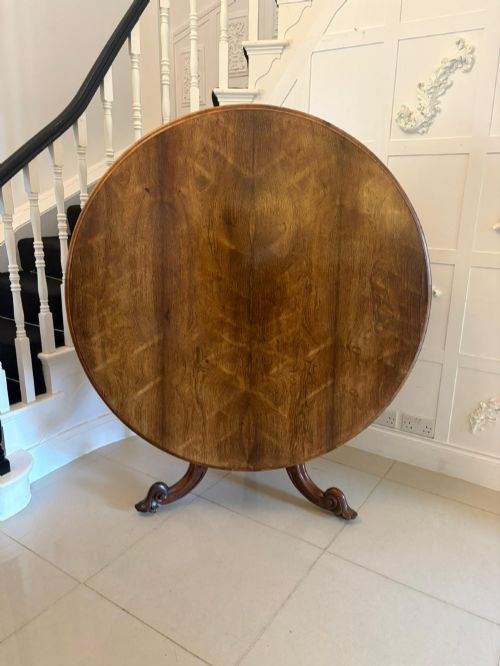
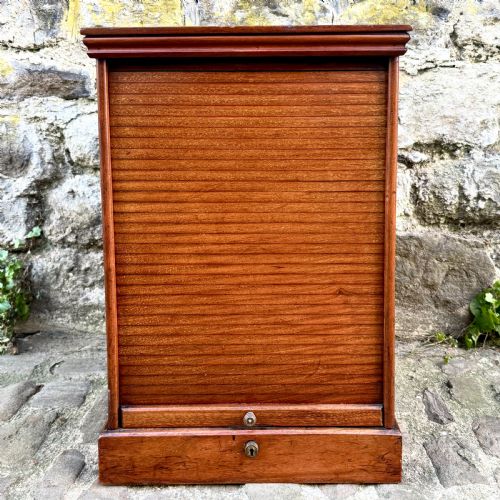
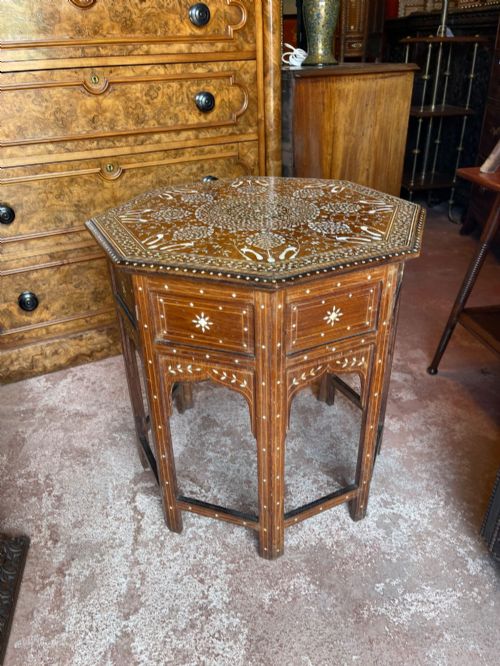
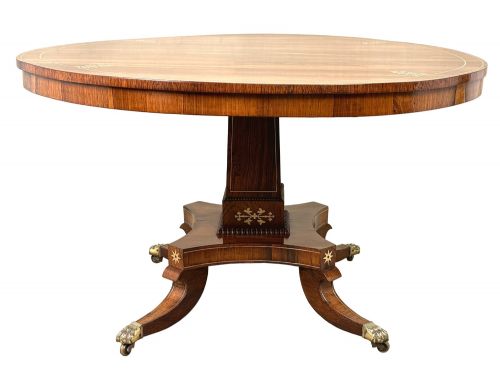
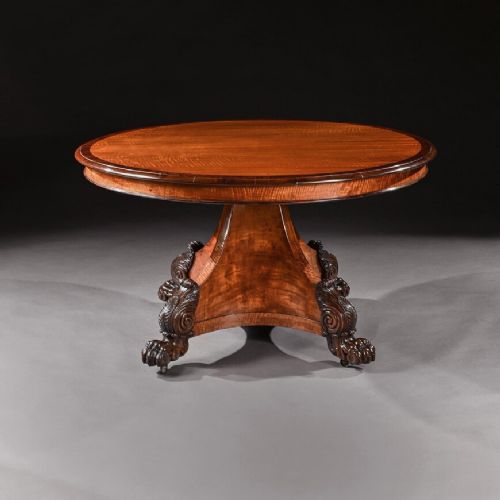
When you examine brown rosewood furniture, you encounter a diverse array of domestic pieces spanning multiple design traditions. The selection includes dining tables, centre tables, writing desks, games tables and side cabinets designed for formal and informal rooms alike.
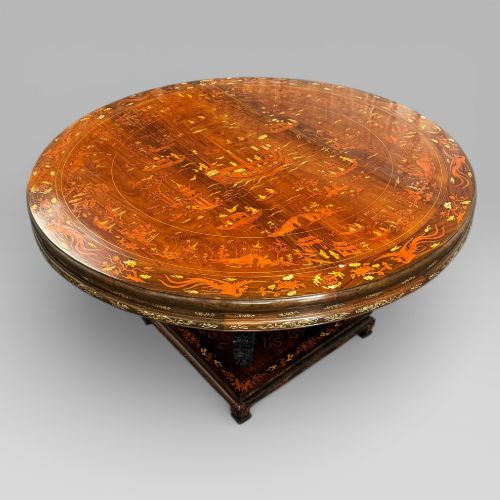
You are most likely to meet 19th-century English Regency and Victorian examples on this page, alongside Georgian pieces and distinct international works. Anglo-Indian and Chinese export items appear frequently, demonstrating global trade in luxury timbers during the period.
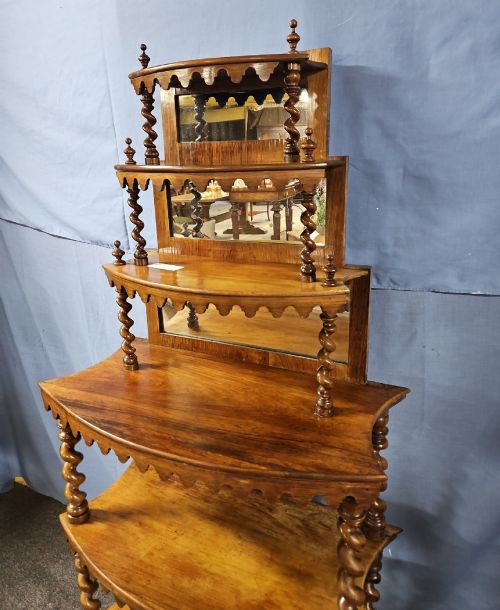
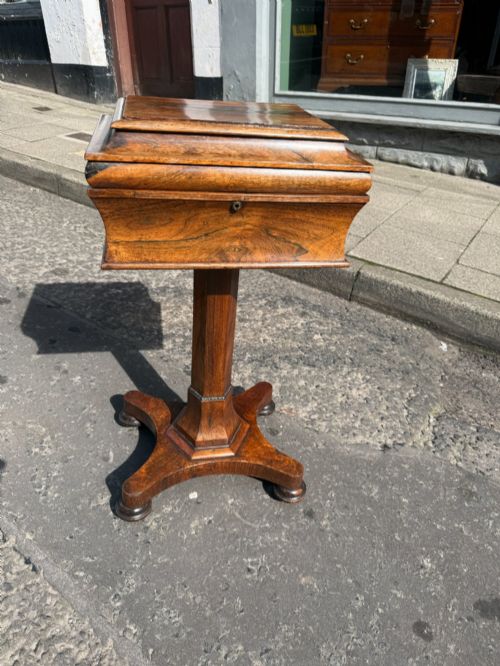
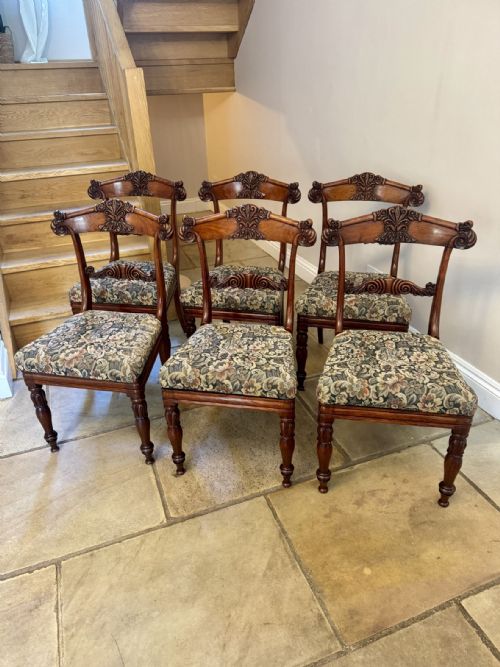
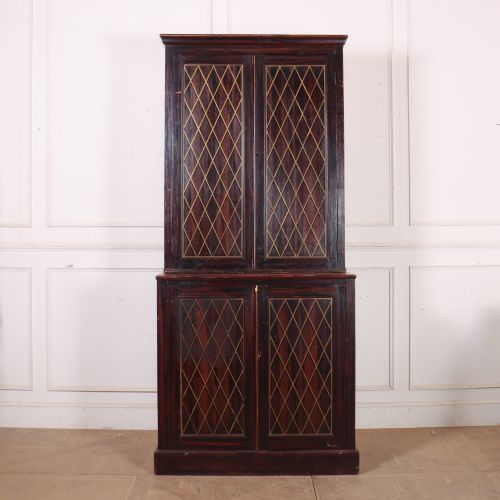
Seating and display items range from armchairs and dining chairs to open display shelves and chiffoniers. Specialised forms such as teapoys, work tables and envelope card tables also feature among the domestic furnishings.
Craftsmanship and Proportion
Quality rests primarily on the crispness of the carving, the precision of brass or mother-of-pearl inlay, and the stability of the timber joints. Superior pieces maintain balanced proportions whether built as a small occasional table or a large breakfront side cabinet.
The selection of the rosewood veneer and the harmony of its grain across multiple panels distinguish finer workshops from standard production. Interior secondary woods and the quality of original fittings such as drawer linings also indicate the standard of construction.
Materials recorded across current items include brass, mother-of-pearl, fabric, leather, glass, teak, and oak alongside primary rosewood.
Edwards & Roberts·Émile Gallé·Maple & Co.·Peters of Genoa·William Trotter
The Brown Rosewood Furniture Glossary
- Teapoy
- A small stand or cabinet designed specifically to hold tea canisters, originating during periods when tea was an expensive commodity stored under lock and key.
- Chiffonier
- A small sideboard or low cabinet featuring shelves or enclosed cupboards, commonly used in nineteenth-century dining rooms and parlours.
- Marquetry
- The art of forming decorative patterns by fitting together small pieces of wood veneer, often incorporating contrasting materials like brass or mother-of-pearl.
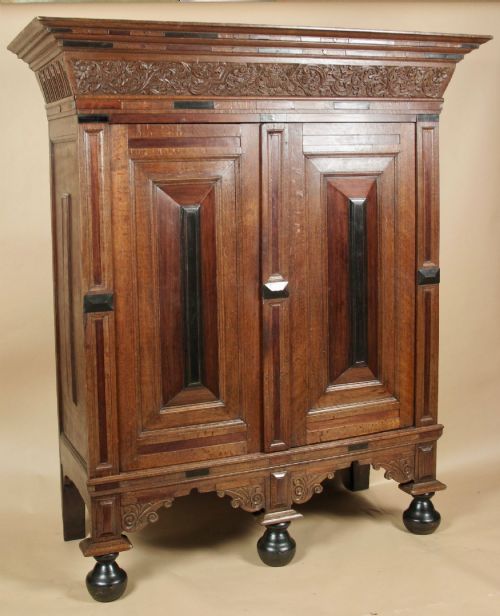
- Kussenkast
- A large Dutch armoire characterised by cushions or padded-looking mouldings on the doors, frequently constructed from exotic and native hardwoods.
- Tilt-topped
- A table mechanism allowing the top to pivot to a vertical position when not in use, saving floor space in smaller domestic interiors.
Brown Rosewood Furniture: Frequently Asked Questions
How do I care for brown rosewood furniture?
Keep these timber pieces away from direct heat sources and strong sunlight to prevent the rich brown rosewood finish from drying out or fading over time.
Apply a traditional wax polish sparingly and buff with a soft cloth to maintain the natural lustre of the hardwood grain.
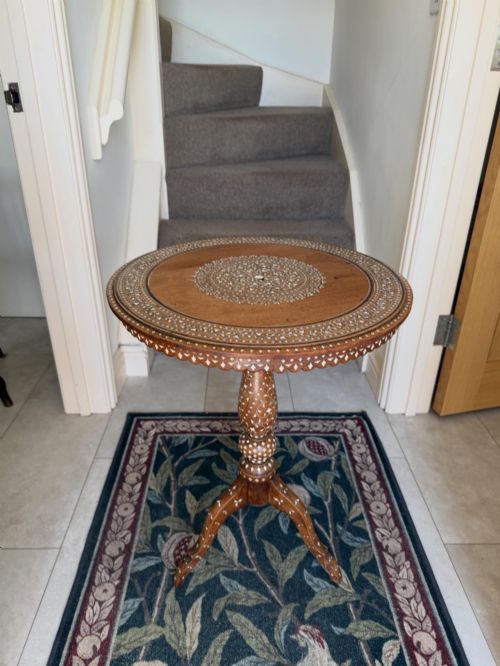
Where were Hoshiarpur tables made?
Hoshiarpur tables originated in the Punjab region of India and gained popularity in Britain during the late nineteenth century through international trade and exhibitions.
These pieces are distinct for their intricate floral and geometric inlay work executed in materials like brass and lighter woods.
How do I distinguish Regency from Victorian rosewood?
Regency pieces often display cleaner classical lines, sometimes incorporating brass inlay, simulated rosewood finishes, or bold mounts reflecting earlier Georgian influences.
Victorian items tend towards heavier carving, more elaborate marquetry, and functional domestic forms like display shelves and kidney-shaped writing tables.