





Brown Prayer Carpet
A brown prayer carpet brings tribal hand-knotted artistry into a room, offering tactile warmth and historical nomadic design.
Brown Prayer Carpet
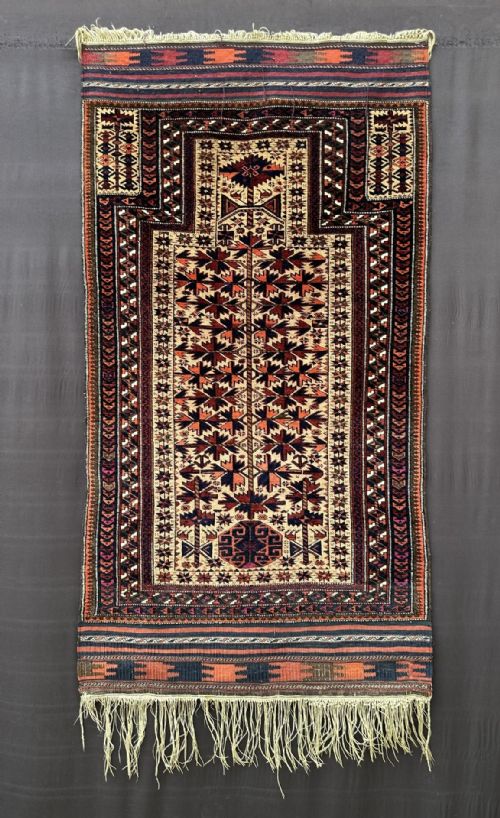
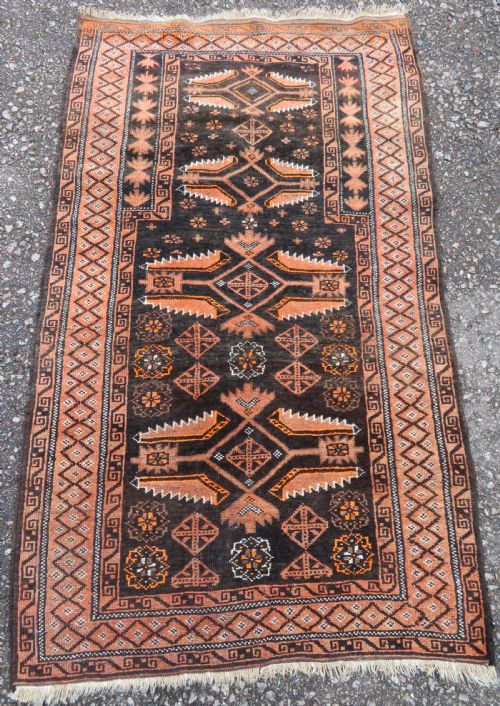
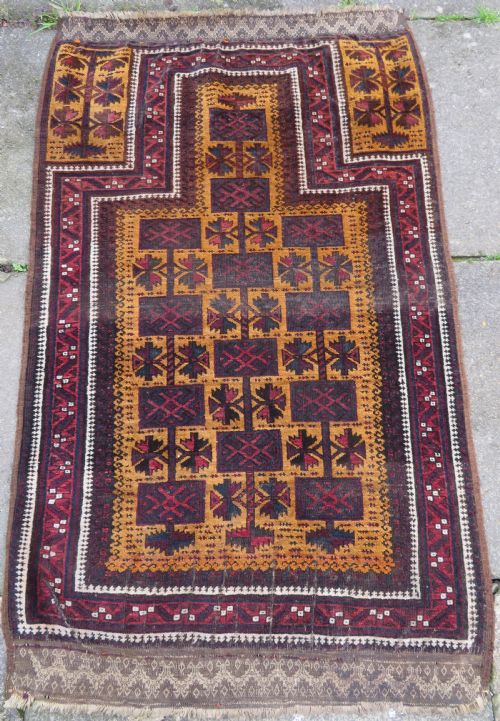
A brown prayer carpet encompasses tribal and village rugs created across Afghanistan, Persia, and Anatolia during the nineteenth and early twentieth centuries. These pieces typically display traditional niche layouts, including single, double, or triple mihrab designs tailored for devotional use.
The version most commonly encountered on this page is the Afghan Baluch or Timuri prayer rug, often dated between eighteen seventy and nineteen thirty. These textiles utilise earthy camel grounds, natural dyes, and distinctive wool or goat hair construction.
How they were made
Weavers constructed these rugs predominantly using hand-spun wool, cotton foundations, and occasionally camel hair or goat hair for added durability in the pile and dark outlines. Natural dyes provided the rich brown, madder, and indigo tones that define the colour palette of these tribal textiles.
Nomadic and village workshops employed mixed techniques, incorporating long kilim ends and flatwoven borders to protect the foundational structure of each carpet from fraying during daily use.
Brown Prayer Carpet Retail Price Guide 2026
Typical asking prices for brown prayer carpet among the pieces listed under this phrase on Sellingantiques today, from the lower quarter to the upper quarter. They describe what is for sale here now, not the wider market.
Several weavers signed their work with camel hair outlines, ensuring the rug’s dark edges outlasted the rest of the pile.
What varies in quality
The fineness of the knotting and the depth of the wool pile determine the structural integrity of individual carpets. Tightly packed knots allow intricate motifs like the lotus leaf or tree of life design to remain sharp and distinct.
The complexity of the regional design, such as multiple mihrab arches or inscribed dates, distinguishes standard village weaving from superior tribal examples. Preservation of original kilim ends and untouched natural dye variations further elevate the character of a piece.
The Brown Prayer Carpet Glossary
- Mihrab
- The arched niche found on prayer rugs, symbolising the direction of prayer towards Mecca. It forms the central visual focus of the carpet.
- Baluch
- A designation for rugs woven by various nomadic and semi-nomadic tribes inhabiting the borderlands of Persia and Afghanistan. These pieces frequently utilise dark wool and camel ground fields.
- Kilim
- A flatwoven textile structure often utilised at the ends of prayer rugs. It prevents the pile from unravelling and adds geometric bands of decoration.
- Camel Hair
- Undyed fibre gathered from camels, utilised in tribal rugs to provide a soft, durable brown background. It develops a characteristic lustrous sheen over time.
- Ensi
- A specific tribal rug format historically used as a tent door hanging rather than a floor covering. They feature structured quartered panel designs.
Brown Prayer Carpet: Frequently Asked Questions
What is a brown prayer carpet?
A brown prayer carpet is a hand-knotted tribal rug featuring a distinct architectural niche, known as a mihrab, designed for daily prayer. These textiles originate primarily from nineteenth and early twentieth-century nomadic groups in Afghanistan and Persia.
Such rugs utilise natural earth-toned dyes, wool, and camel hair to create durable, portable spaces for devotion. Their designs often incorporate local tribal motifs, including trees of life and geometric borders.
How do I tell Baluch and Timuri rugs apart?
Baluch and Timuri tribal rugs share overlapping stylistic regions in the borderlands of Persia and Afghanistan, making them closely related in construction. Distinguishing them often relies on subtle variations in knot density, palette, and secondary structure.
Both groups utilised natural dyes and camel wool grounds during the nineteenth century. Examining the specific border patterns and kilim end finishes provides clues to their exact tribal origin.
Where were these prayer rugs made?
These prayer rugs were woven by tribal and village communities across Central Asia and the Middle East, particularly within Afghanistan, eastern Persia, and West Anatolia. Nomadic groups produced them in pastoral camps using locally sourced materials.
Weavers from specific tribes, such as the Taimani, Kizil Ayak, and Timuri, imparted distinct regional characteristics to their carpets. This local heritage is preserved in the varied motifs and structural techniques found across the pieces.
How do I care for an antique prayer rug?
Care for an antique prayer rug requires gentle treatment, starting with regular low-suction vacuuming without a rotating brush bar. Keeping the textile out of direct sunlight prevents the natural dyes from fading over time.
Professional specialist cleaning is recommended for antique wool and camel hair rugs to preserve the integrity of the fibres. Rotating the carpet periodically ensures even wear across the pile in high-traffic areas.