



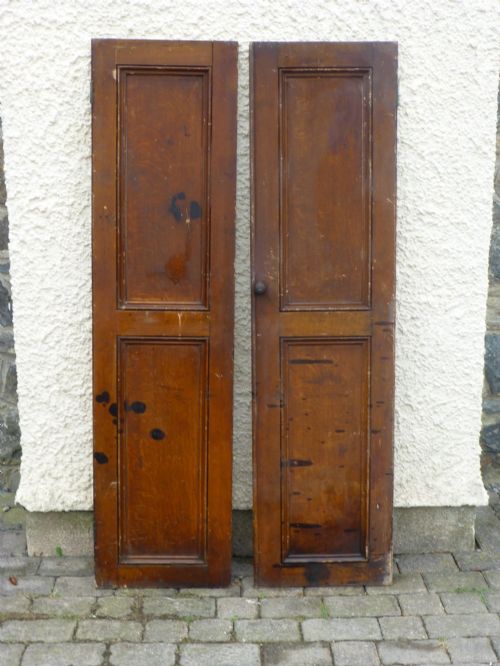
Brown Pine Wardrobe
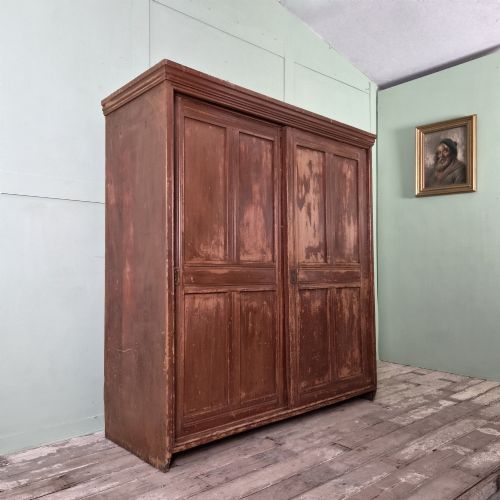
A brown pine wardrobe offers robust storage with a rich, patinated finish, suiting both rustic and traditional interiors.
Brown Pine Wardrobe
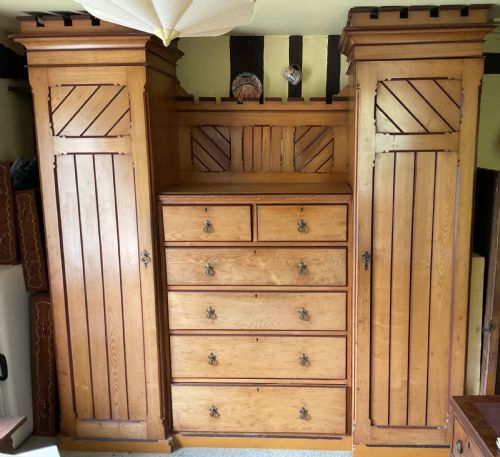
When you search for a brown pine wardrobe, you encounter functional storage pieces spanning several centuries and distinct regional traditions. These items range from domestic bedroom pieces to institutional cupboards and armoires.
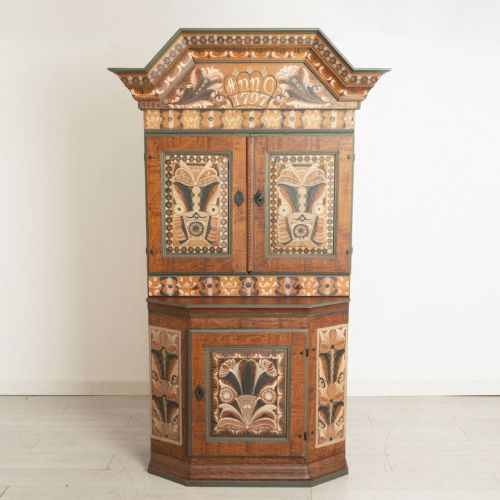
The versions most likely to be met on this page include 19th-century examples, Victorian pieces, and earlier items showcasing regional styles like Scandinavian folk art and Italian provincial design. Their forms vary from single-door skeleton models to multi-door school cupboards.
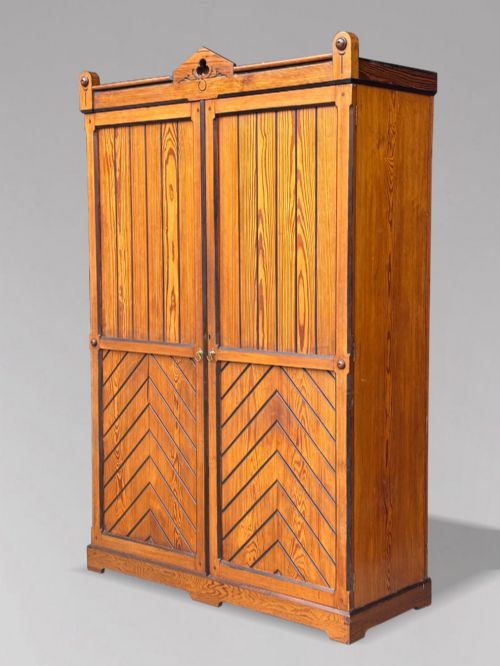
Makers utilised various functional layouts, including two-door cupboards, campaign chests, and architectural pantry doors. Each piece reflects the practical storage needs of its original setting.
How they were made
Construction relies primarily on pine and pitch pine, shaped into robust panels and frames to house clothing and household goods. Iron and brass hardware often secures the doors and drawers.
Many surfaces feature original paint, polychrome decoration, or scumbled finishes designed to imitate oak. These treatments protect the timber while adding distinct visual depth.
Brown Pine Wardrobe Retail Price Guide 2026
Typical asking prices for brown pine wardrobe among the pieces listed under this phrase on Sellingantiques today, from the lower quarter to the upper quarter. They describe what is for sale here now, not the wider market.
The inventory spans British, Scandinavian, Italian, French, and German regional styles and forms.
What varies in quality
The distinction between standard utility items and finer examples lies in the survival of original finishes and decorative paintwork. Pieces retaining untouched surfaces carry greater visual integrity.
Construction details such as the presence of original brass or iron fixtures and regional construction methods elevate certain examples above standard institutional or utilitarian builds.
The Brown Pine Wardrobe Glossary
- Pine
- A softwood commonly used for furniture carcasses and doors due to its workability and availability. It often takes paint and scumbling effectively.
- Scumbled
- A decorative paint technique involving translucent layers dragged over a base coat to simulate more expensive timbers like oak. This finish appears frequently on regional cupboard doors.
- Campaign chest
- A portable storage unit designed for travel, typically featuring recessed brass handles and reinforced corners. These pieces offer compact compartmentalised storage.
- Polychrome
- Painted in several colours, often found on folk art and provincial European pieces. This treatment provides vibrant surface decoration.
- Skeleton cupboard
- A specific functional form, often associated with Victorian institutional use, featuring open or simplified framing. These items served practical storage roles in schools and public buildings.
Brown Pine Wardrobe: Frequently Asked Questions
How do I date a pine wardrobe?
Dating relies on examining construction techniques, hardware, and timber preparation methods. Earlier pieces often display hand-planed surfaces and forged iron fixings.
Later items from the Victorian period or the nineteen-thirties incorporate machine-sawn elements and different styles of brass fittings.
Are painted pine wardrobes original?
Many wardrobes and cupboards retain their original paint or folk art decoration applied during manufacture. Traces of early polychrome or scumbled finishes indicate period authenticity.
Evaluating the wear patterns helps distinguish original decorative schemes from later repaintings.
Where were these wardrobes used?
Pine storage pieces served varied roles across domestic and institutional settings in Britain and Europe. Domestic examples furnished bedrooms and farmhouses.
Other formats originated in schools, administrative buildings, or specialised pantries.
How do I care for pine furniture?
Maintaining pine furniture involves keeping it away from direct heat sources and sudden humidity changes to prevent timber movement. Gentle cleaning preserves fragile painted or scumbled surfaces.
Applying appropriate wax feeds the wood without damaging original finishes.