



Brown Pine Cabinet Doors
These brown pine cabinet doors and related architectural elements offer honest utility and rich provincial character, making them essential for bespoke interiors.
Brown Pine Cabinet Doors
When you search for brown pine cabinet doors, you encounter architectural salvages and components sourced from cupboards, dressers, and wardrobes across various eras. The items listed span periods from the eighteenth century through to the nineteenth century and the 1930s.
You are most likely to meet pieces rooted in diverse regional traditions, including French provincial, Italian country, Scandinavian country, and Victorian country styles. These utilitarian fixtures originate from domestic storage units, school cupboards, and wall cabinets.
The broader category encompasses forms such as pot cupboards, marriage cupboards, and collectors' cabinets, each demonstrating the adaptable nature of softwood joinery. Such elements suit modern architectural reclamation projects seeking genuine historical texture.
Materials and construction
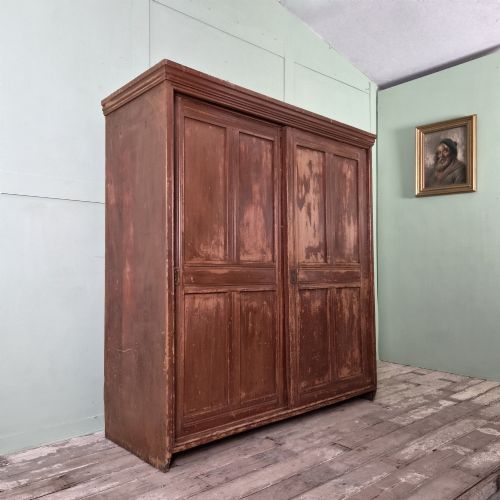
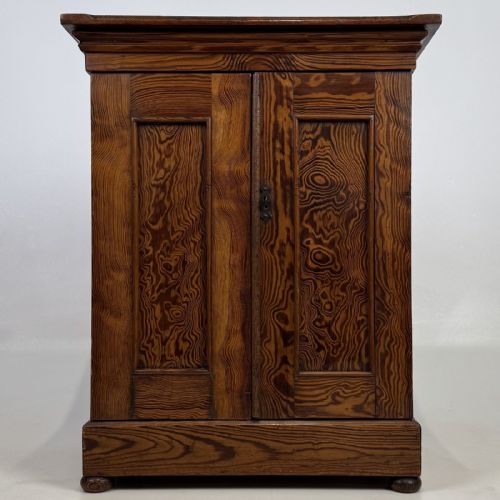
Makers utilised resilient softwoods like pine, Oregon pine, and pitch pine, often framing panels with traditional mortise and tenon joinery. Surfaces frequently display original finishes, ranging from early painted schemes and polychrome decoration to applied graining.
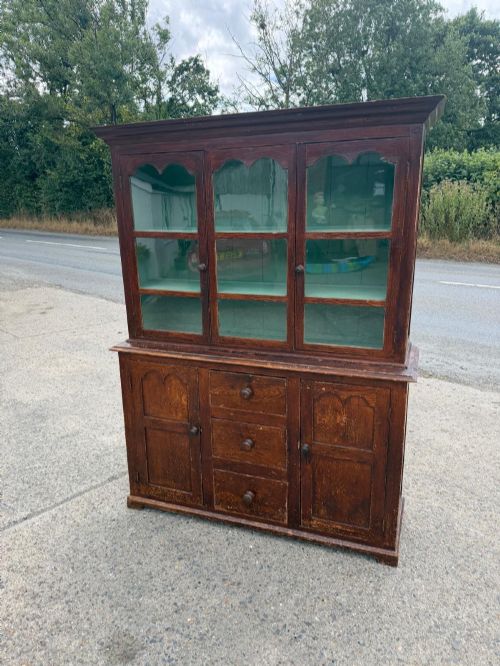
Hardware details incorporate functional iron and brass hinges or latches that secure the structure. Occasional glazed sections integrate glass panels alongside solid wooden construction, particularly in dresser tops and wall cabinets.
Brown Pine Cabinet Doors Retail Price Guide 2026
Typical asking prices for brown pine cabinet doors among the pieces listed under this phrase on Sellingantiques today, from the lower quarter to the upper quarter. They describe what is for sale here now, not the wider market.
Current listings feature pine, Oregon pine, pitch pine, and oak, spanning the eighteenth and nineteenth centuries up to the 1930s.
Assessing quality and character
The distinction between standard utility items and finer examples rests in the integrity of the original finish and the depth of the timber patination. Retained historic paintwork or skilled graining elevates a piece above stripped or plain softwood.
Structural honesty and the preservation of original iron or brass hardware contribute significantly to the overall merit of the construction. Regional vernacular details, such as those found in French or Scandinavian country pieces, dictate the desirability of the joinery.
J.T.Crockett
The Brown Pine Cabinet Doors Glossary
- Pot cupboard
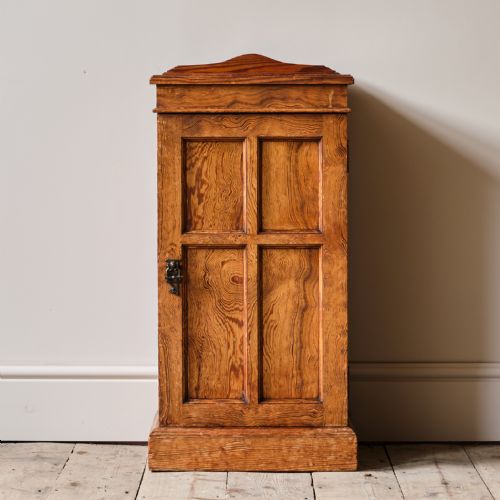
- A small bedside cabinet originally designed to house a chamber pot. These compact storage units often feature a single door and a small top surface.
- Marriage cupboard
- A large celebratory storage piece traditionally commissioned for weddings in continental Europe. They frequently display decorative painted panels or regional motifs.
- Grained
- A painted finish applied to imitate the appearance of more expensive hardwood timbers such as oak or mahogany. Artisans used specialised combs and brushes to create realistic wood patterns on pine bases.
- Polychrome
- Decorated in multiple colours, often found on provincial European furniture. This surface treatment adds vibrant visual character to pine wardrobes and cupboards.
- Skeleton cupboard
- A specialised storage unit featuring an open or skeletal framework, sometimes associated with institutional or school use. These items provide robust functional shelving.
Brown Pine Cabinet Doors: Frequently Asked Questions
What periods do these pine items represent?
The listings span several centuries, including eighteenth-century pieces, nineteenth-century examples, and items from the 1930s. Victorian pieces are also commonly represented alongside earlier continental variants.
Each era brings distinct joinery methods and regional styles, from Gothic Revival influences to simple provincial country designs.
How were these cabinets and doors used?
These components and freestanding units served primarily for domestic storage, holding everything from clothing in wardrobes to medical supplies or books in school cupboards.
Smaller variants functioned as bedside tables or corner units, while larger dressers and armoires anchored the main living spaces of homes and institutions.
How do I identify original finishes?
Original painted surfaces, graining, and polychrome decoration show natural wear and patina accumulated over generations of use. Examining the edges and recesses reveals layers of historic pigment rather than modern synthetic paints.
Hardware fixtures like iron and brass latches should match the period of the timber construction, confirming the integrity of the piece.