

Brown Paper Art
Brown paper art gathers works on tinted or buff supports, bringing immediate warmth and tactile depth to any interior.
Brown Paper Art
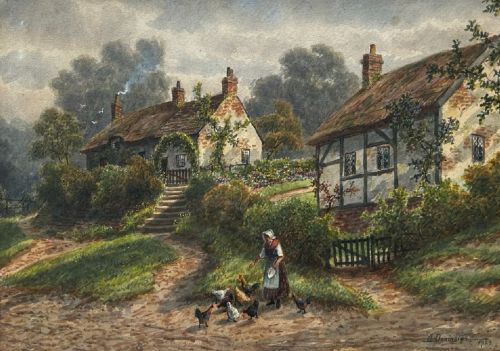
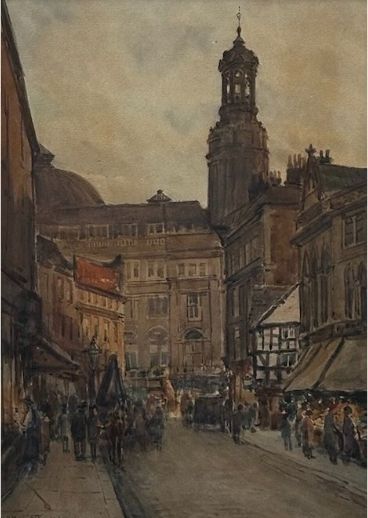
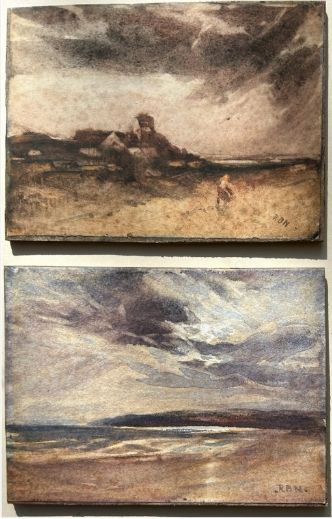
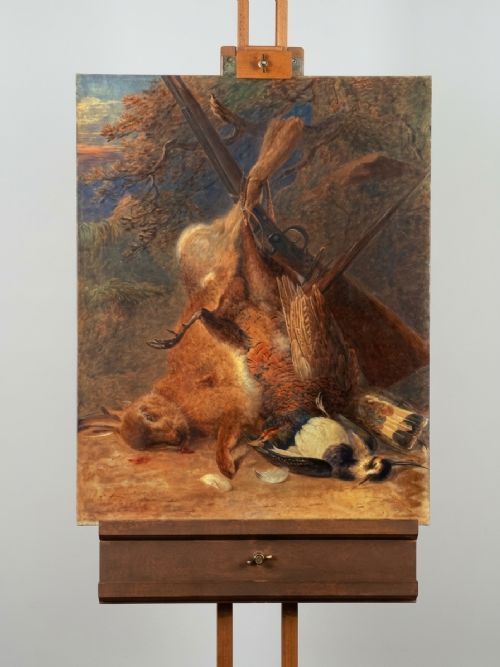
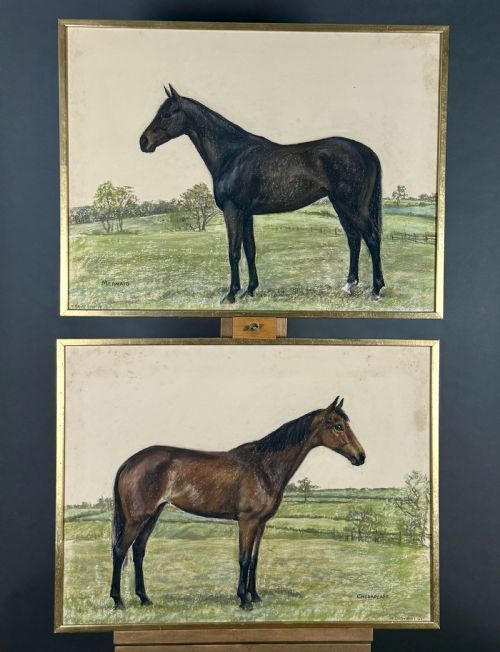
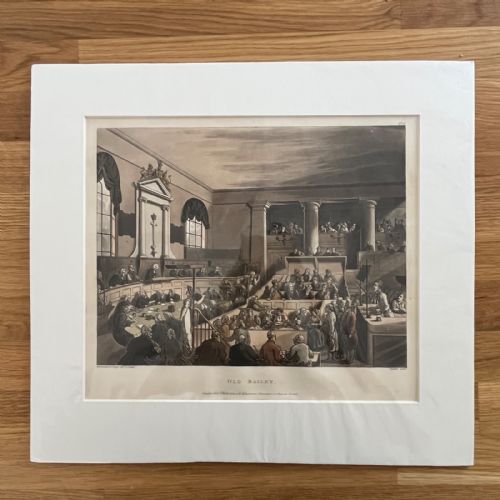
Works described as brown paper art span original watercolours, pastels, gouache drawings, and ink sketches executed on tinted, buff, or brown paper supports. These pieces emerge across periods ranging from the eighteenth century through the Victorian era and into the mid-twentieth century.
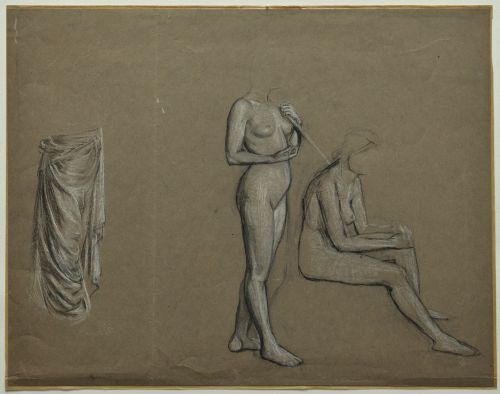
The visual weight of a tinted or textured paper ground alters how pigments sit on the page, allowing artists to deploy bodycolour or white highlights for striking tonal contrast. Buyers encounter everything from rapid landscape studies and equestrian portraits to detailed caricatures and classical figure drawings.
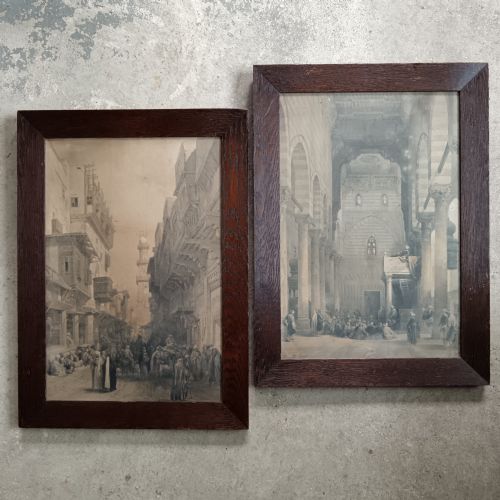
Framed works dominate the selection, preserving delicate paper surfaces beneath glass within period wood frames. This category rewards collectors seeking immediate wall power rooted in historical media rather than standard white-sheet prints.
Materials and Technique
Artists on this page build their compositions using water-soluble pigments, gouache, pastel, or ink applied directly to fibrous, toned paper. The inherent tone of the paper acts as a middle tint, saving the creator from laying down a base wash and allowing dark and light elements to be worked outwards simultaneously.
Pastel and chalk adhere directly to the tooth of the paper, while wet media like watercolour and gouache sink into the fibres to create opaque highlights. Framing protects these fragile mediums from airborne dust and moisture, ensuring the survival of delicate washes and chalk strokes.
Brown Paper Art Retail Price Guide 2026
Typical asking prices for brown paper art among the pieces listed under this phrase on Sellingantiques today, from the lower quarter to the upper quarter. They describe what is for sale here now, not the wider market.
A solitary nineteenth-century dog portrait gazes out from a buff sheet, proving that ancestors loved recording their pets just as much as we do.
Evaluating Quality
Quality rests upon the sureness of the hand and the preservation of the original surface tone. Confident, economical strokes demonstrate a master's control over the medium, whereas hesitant corrections or muddy pigment mixing diminish the visual impact of a drawing.
The condition of the paper itself dictates value, as acidic toning or excessive light exposure can shift the paper from a warm buff to a brittle brown. Original period framing and clear artist attribution elevate individual pieces above anonymous student exercises.
Angus Rands·Robert Buchan Nisbet·Harry Bright·Philip Boileau·George Sydney Shepherd·George Lorain Stampa·James Orrock·John R Prentice·Henry Stacy Marks·John McDougal·James E Aitken·John Russell·Robert Leslie Howey·Henry Silkstone Hopwood·Blaeu·Muriel Metcalfe·Augustin Edouart·John Smith Atherton·Hector Caffieri·David Roberts·Carl Haag·Peter Lely·Herbert Johnson Harvey·Samuel Rabin·Frédéric Chopin
The Brown Paper Art Glossary
- Buff paper
- A pale, brownish-yellow paper stock that provides a warm, neutral mid-tone background for drawings. Artists utilise this tone to unify highlights and shadows without starting from a stark white sheet.
- Gouache
- An opaque watercolour paint mixed with a binding agent such as gum, designed to dry to a matte finish. It allows creators to lay bright, solid highlights over darker paper grounds.
- Bodycolour
- Watercolour pigment rendered opaque through the addition of a white base, commonly chalk or zinc white. This technique gives passages of a painting a solid, gouache-like opacity.
- Pastel
- A dry medium composed of powdered pigment and a binder, shaped into sticks for drawing. It leaves a velvety surface texture that requires glass protection.
- Wash
- A thin, fluid layer of translucent watercolour or ink spread evenly across paper. It establishes atmospheric depth and background shadow quickly.
Brown Paper Art: Frequently Asked Questions
How do I hang brown paper art safely?
Keep works away from direct sunlight to prevent the toned paper from fading or turning brittle over time. UV-filtering glass provides an extra layer of protection for delicate watercolours and pastels.
Ensure pieces hang on interior walls where humidity levels remain stable throughout the changing seasons. Proper backing boards keep the paper taut and prevent sagging within the frame.
Why use brown paper instead of white?
A toned or brown paper ground acts as an immediate middle tone, saving the artist from painting a background wash. Highlights applied in white gouache or chalk pop dramatically against the darker field.
This technique adds instant warmth and mood to a sketch, lending a sense of intimacy and immediacy that formal white paper studies often lack.
How do I tell pastel from watercolour?
Pastel sits as a dry, powdery layer on top of the paper fibres, offering a velvety and light-reflective texture. Under magnification, individual chalk particles remain visible across the surface.
Watercolour and gouache sink directly into the paper, staining the fibres and drying to a flat, matte finish. Ink and wash combinations often show pooling edges where liquid pools and dries.
Are these works original or printed?
The listings here consist of original paintings, drawings, and sketches rather than modern reproductions. Brushstrokes, pencil graphite, and paper texture confirm the hand-drawn nature of each piece.
Signatures, artist ciphers, and period inscriptions frequently accompany these historical works, confirming their status as unique studio creations.