

Brown Painted Table
A brown painted table brings a softer, vernacular finish to a room than polished mahogany, spanning rustic pine and polished satinwood.
Brown Painted Table
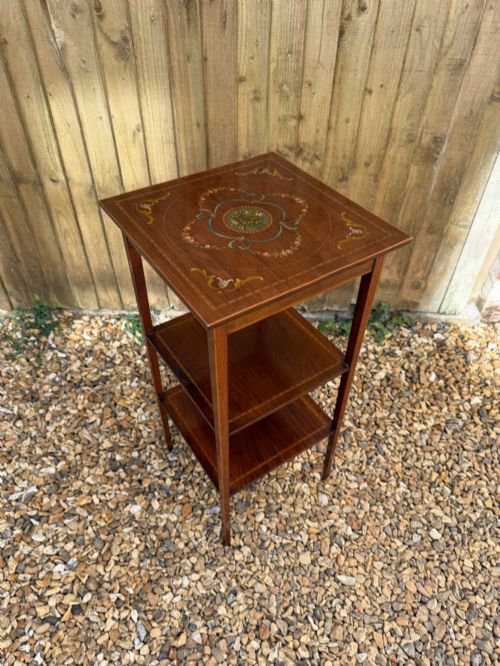
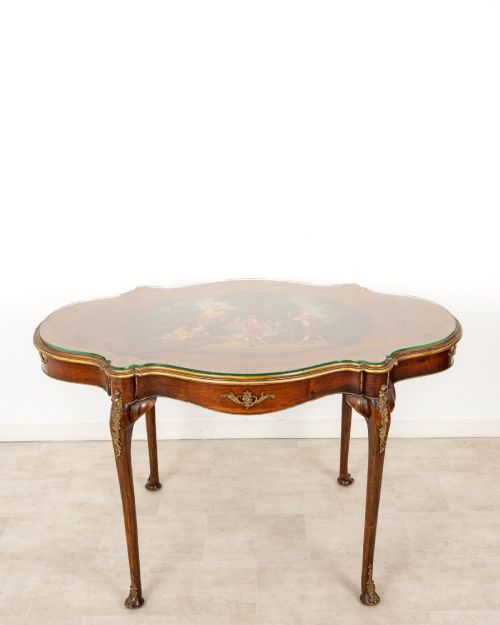
When you search for a brown painted table, you encounter practical surfaces designed for domestic utility and decorative display. The pieces span side tables, console tables, and occasional tables originating from Georgian, Victorian, and Edwardian periods.
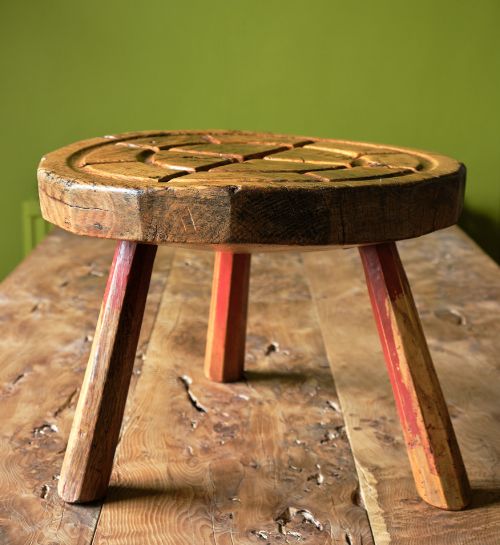
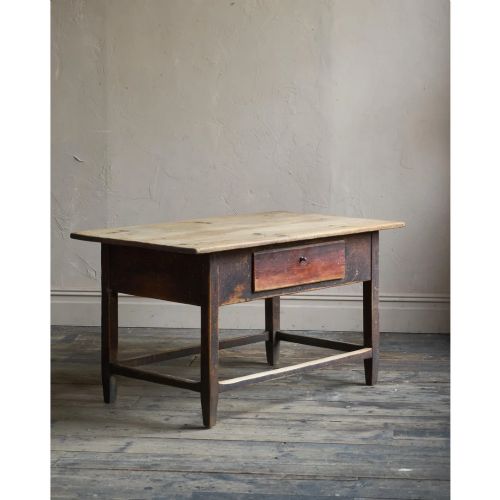
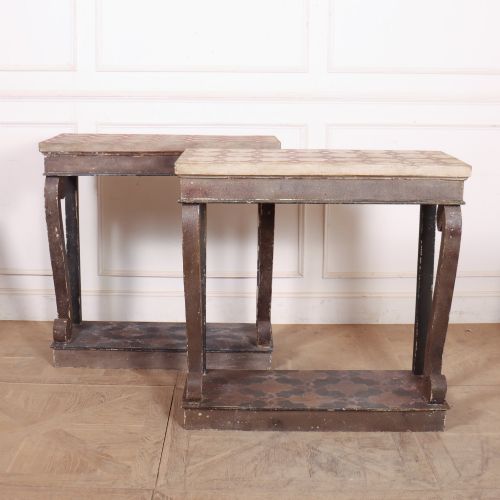
The version you are most likely to meet on this page is a pine or mahogany piece carrying its original surface or scumbled finish. These range from English country furniture to continental console tables and Swedish examples featuring box stretchers.
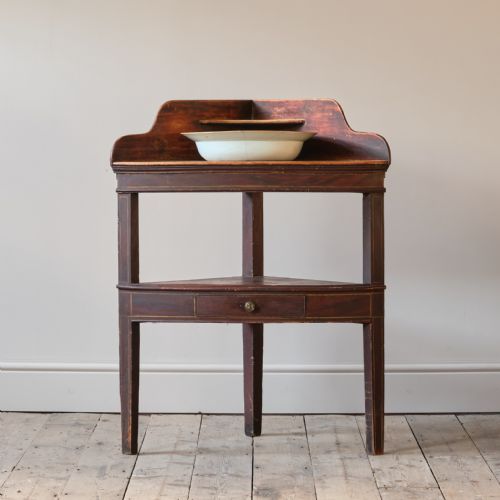
Such tables serve everyday domestic roles, functioning as washstands, writing desks, or serving tables. Their character relies heavily on the patination of the pigment applied to the timber beneath.
What varies in quality
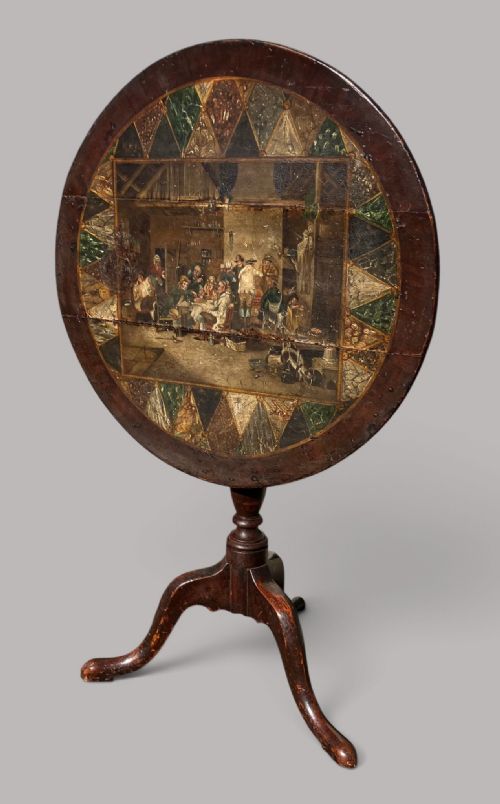
The distinction between ordinary and exceptional examples rests on the survival of the original surface finish. Tables retaining undisturbed scumble, early graining, or hand-painted vernacular decoration command greater interest than those stripped or heavily restored.
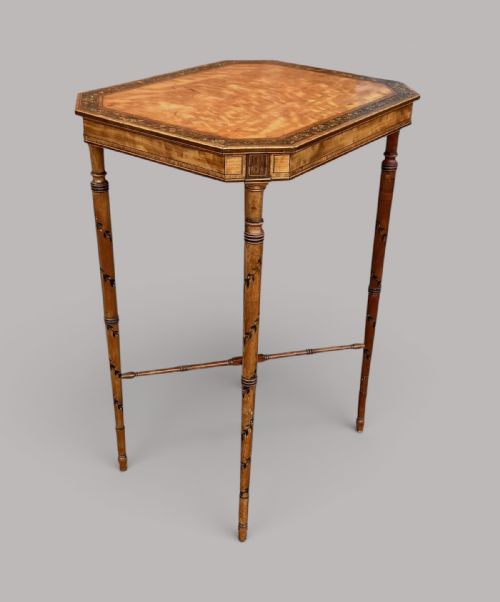
Construction methods and timber selection also divide the range, separating utilitarian pine pieces from refined satinwood and mahogany demi-lune tables. The harmony between the decorative painted top and the underlying frame dictates the visual success of the piece.
Brown Painted Table Retail Price Guide 2026
Typical asking prices for brown painted table among the pieces listed under this phrase on Sellingantiques today, from the lower quarter to the upper quarter. They describe what is for sale here now, not the wider market.
Listings feature eighteenth and nineteenth-century pine, mahogany, and satinwood tables decorated with paint, lacquer, and scumble finishes.
The Brown Painted Table Glossary
- Scumble
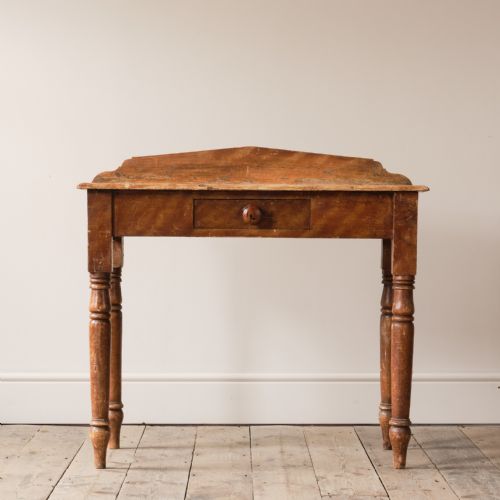
- A translucent layer of dark oil paint dragged over a lighter base colour to simulate wood grain or texture. This technique was widely utilised by Victorian artisans on utilitarian pine furniture.
- Vernis Martin
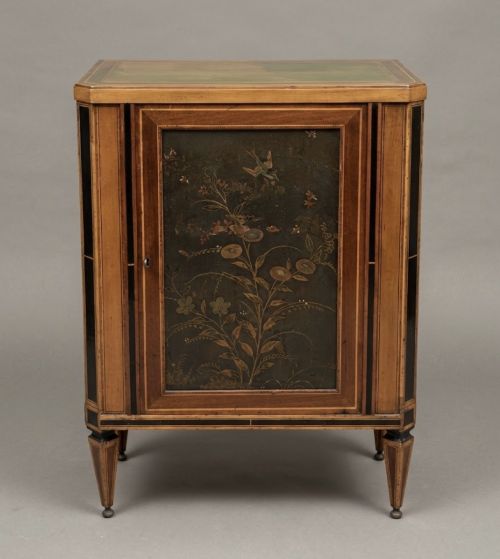
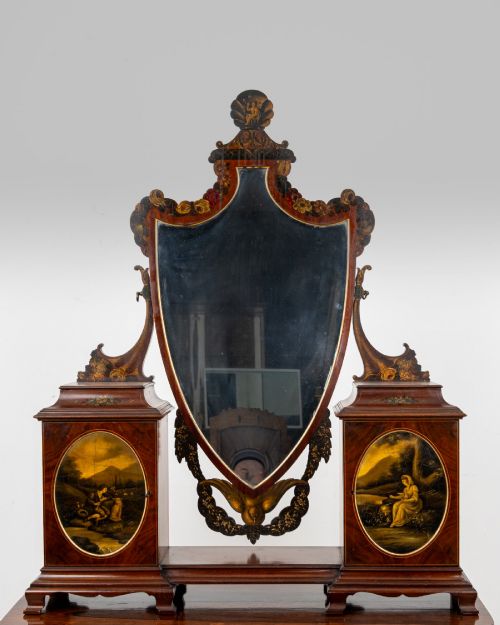
- A type of fine European lacquerwork imitating Asian exports, named after the Martin brothers. It involves multiple layers of varnish applied to furniture surfaces.
- Demi-Lune
- A half-moon shape used for console and serving tables designed to sit flush against a wall. These tables often feature painted or inlaid decorative tops.
- Bonheur du Jour
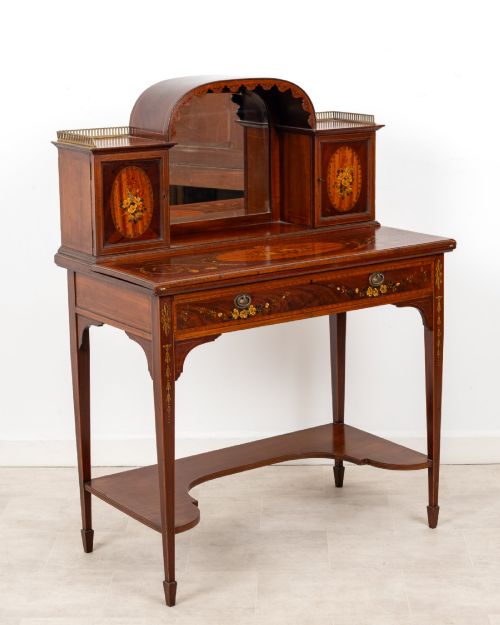
- A light lady's writing desk featuring a small cabinet or set of drawers on the upper surface. These refined pieces frequently incorporate satinwood and painted details.
- Ragwork
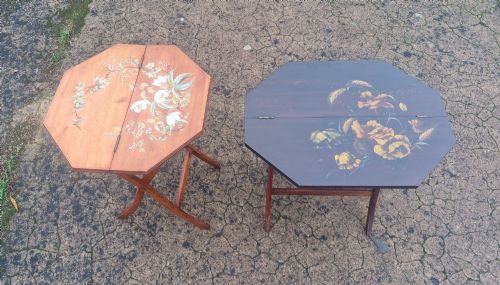
- A decorative paint finish created by manipulating wet pigment with rags to produce a mottled or textured pattern. Swedish folding tables often display this folk art technique.
Brown Painted Table: Frequently Asked Questions
What is scumble paint?
Scumble paint involves applying a translucent glaze over a lighter opaque base coat. Craftsmen manipulate this wet top layer using combs, brushes, or rags to create faux wood grains.
This technique transformed plain pine into richer, decorative surfaces during the nineteenth century. It offered an economical way to achieve the appearance of costly timber.
How do I clean a painted table?
Cleaning requires a soft, dry cloth to remove dust without disturbing the historic surface. Avoid modern chemical sprays or abrasive cloths that can strip aged paint.
If moisture is necessary, use a barely damp cloth and dry the area immediately. Preserving the original pigment layer is essential for maintaining the character of the piece.
Where were these tables used?
These tables served various practical functions throughout domestic interiors, from country kitchens to formal drawing rooms. Smaller occasional tables and console tables provided convenient surfaces for lamps, books, or decorative objects.
Washstands and writing desks were placed in bedrooms or studies for daily grooming and correspondence. Their varied forms reflect the specific domestic chores of Georgian and Victorian households.
How do I date a painted table?
Dating relies on examining the construction methods of the underlying timber, such as hand-cut dovetails and tool marks. Secondary woods like oak or deal often provide clues to the region of origin.
The pigment, binder, and wear patterns of the painted surface also help establish age. Scientific analysis of the paint layers can confirm whether a finish is original or a later addition.