





Brown Oriental Cabinet
A brown oriental cabinet brings richly figured hardwoods, lacquer, and intricate carving into a room, offering both practical storage and a strong decorative focal point.
Brown Oriental Cabinet
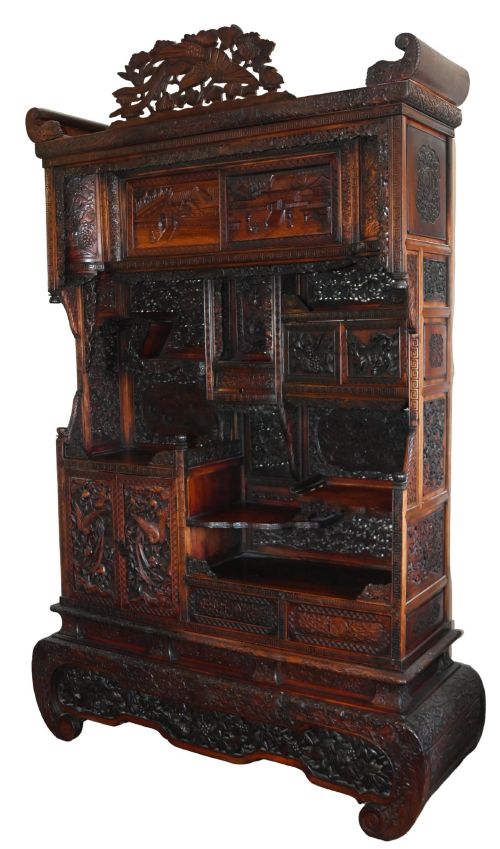
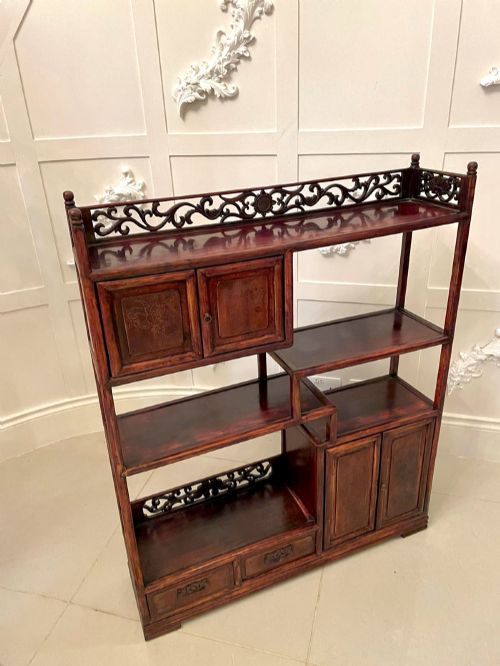
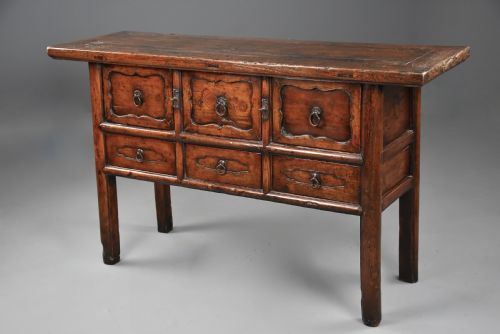
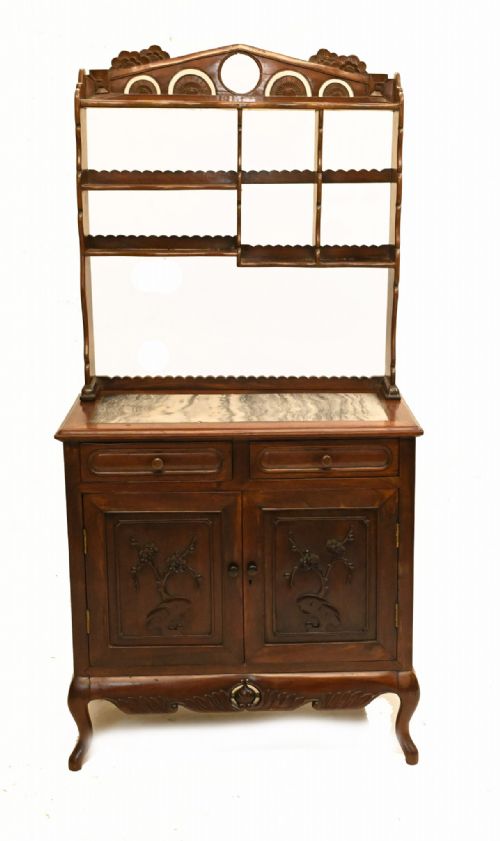
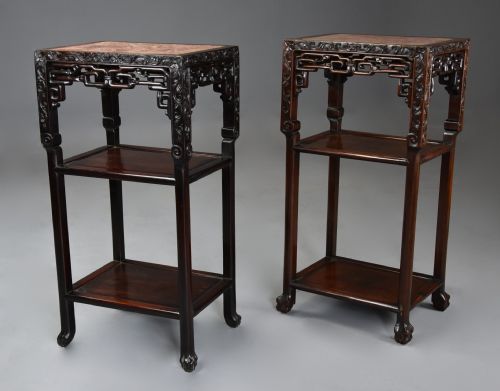
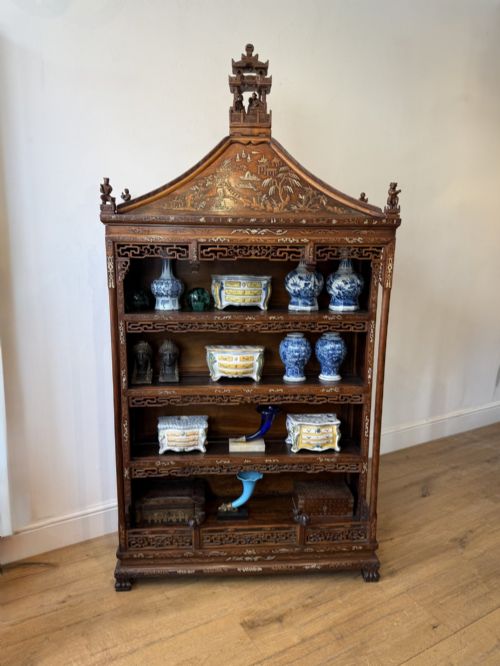
A brown oriental cabinet spans an array of forms, from large display cupboards and apothecary chests to miniature table-top storage units. The pieces on this page lean heavily towards nineteenth-century Chinese and Japanese craftsmanship, including elm dressers, hardwood display pieces, and cedar tansu chests.
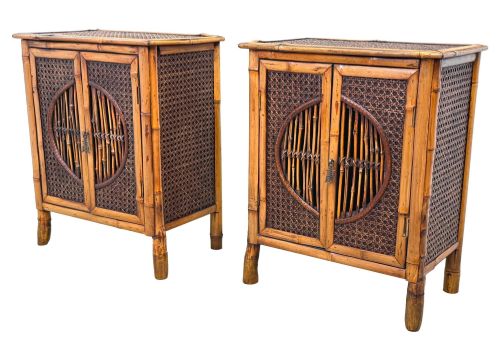
Buyers encounter distinct regional styles, such as Qing dynasty storage cabinets, Meiji period shodana cabinets, and bamboo pieces created during the Aesthetic Movement. These items serve as functional storage furniture, bedside tables, and compact side cabinets suited to modern interiors.
How they were made
The makers utilised dense timbers such as Chinese elm, rosewood, hardwood, and cedar, often building sturdy frames designed to house multiple drawers and shelves. Surface treatments rely heavily on traditional lacquer work, bronze or brass hardware, and occasional mother-of-pearl inlay.
Carpenters employed precise joinery methods suited to the grain and weight of each timber, allowing items like apothecary chests and multi-tier display cabinets to endure decades of use.
Brown Oriental Cabinet Retail Price Guide 2026
Typical asking prices for brown oriental cabinet among the pieces listed under this phrase on Sellingantiques today, from the lower quarter to the upper quarter. They describe what is for sale here now, not the wider market.
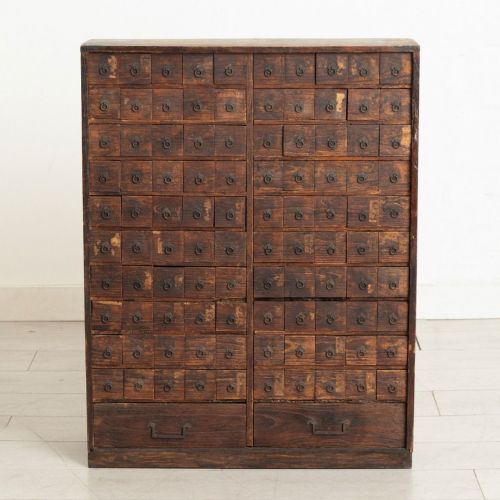
A tiny apothecary chest hides dozens of miniature drawers once meant for dried herbs, now ideal for storing modern odds and ends.
What varies in quality
The standard of a brown oriental cabinet depends on the crispness of the hand-carving and the stability of the timber joints. Pieces featuring integrated bronze mounts or refined lacquer finishes generally represent more accomplished workshop output.
Proportion and material selection dictate overall merit, with dense hardwoods and well-preserved decorative surfaces holding greater visual authority than simpler provincial utility items.
The Brown Oriental Cabinet Glossary
- Tansu
- A traditional Japanese mobile chest of drawers utilised for domestic storage. These cabinets often feature iron or brass hardware and specialised compartments.
- Shodana
- A Japanese tiered display cabinet designed for exhibiting decorative objects. They typically incorporate asymmetrical shelving and sliding doors.
- Mizuya
- A Japanese kitchen tansu used historically for storing food utensils and tableware. These pieces often combine slatted sliding doors with multiple small drawers.
- Hongmu
- A category of dense, dark Chinese hardwoods prized for furniture making. The term translates to red wood and includes species like rosewood.
- Aesthetic Movement
- A late nineteenth-century design current emphasising visual beauty over narrative or moral function. It heavily influenced British bamboo and lacquer furniture.
Brown Oriental Cabinet: Frequently Asked Questions
Where were these cabinets placed in a home?
These cabinets found placement in principal reception rooms, studies, and bedrooms depending on their scale. Larger display units exhibited porcelain and curios, while smaller table-top chests and apothecary drawers held personal effects.
Today, they adapt readily to living spaces as bedside tables, lamp tables, or statement storage pieces in hallways and sitting rooms.
How do I identify a Meiji period piece?
Meiji period items from Japan frequently display intricate carved decoration, bronze animal fittings, or asymmetrical shelving designed for display. The craftsmanship reflects the opening of Japanese trade and a high standard of specialised carpentry.
Look for distinctive hardware, cedar or hardwood construction, and characteristic forms like shodana cabinets.
What is the difference between elm and rosewood cabinets?
Chinese elm offers a pronounced grain pattern with a rustic, fibrous texture often seen in provincial sideboards, dressers, and storage cupboards. Rosewood and hongmu timbers present a much denser, darker surface capable of taking a high polish and fine carving.
Elm pieces tend to lean towards functional domestic utility, while dense hardwoods often signal formal display furniture.
How do I care for antique lacquer and wood?
Maintain these surfaces by keeping them away from direct sunlight and sudden humidity shifts that can cause timber to split or lacquer to craze. Dust regularly with a soft, dry cloth rather than applying modern liquid polishes.
Gentle preservation preserves the original patina and protects delicate decorative inlays over time.