
Brown Oak Top Table
A brown oak top table brings warmth and rich grain to a room through dense timber selected by makers across centuries.
Brown Oak Top Table
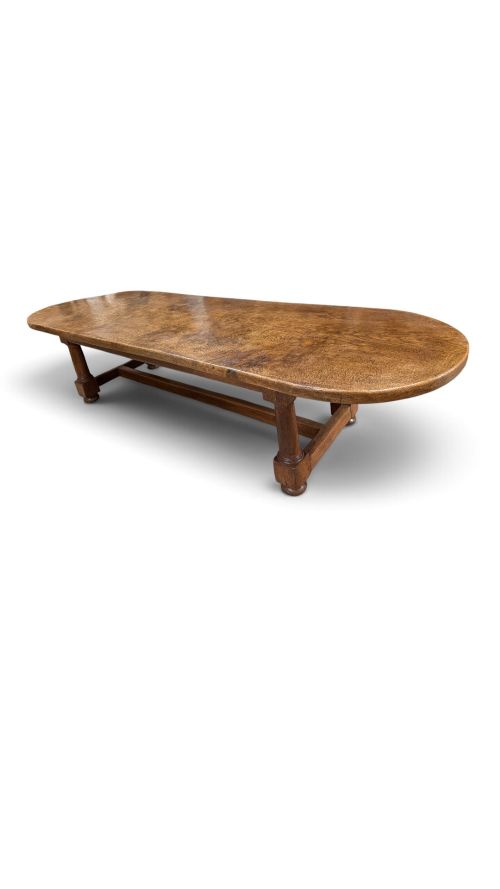
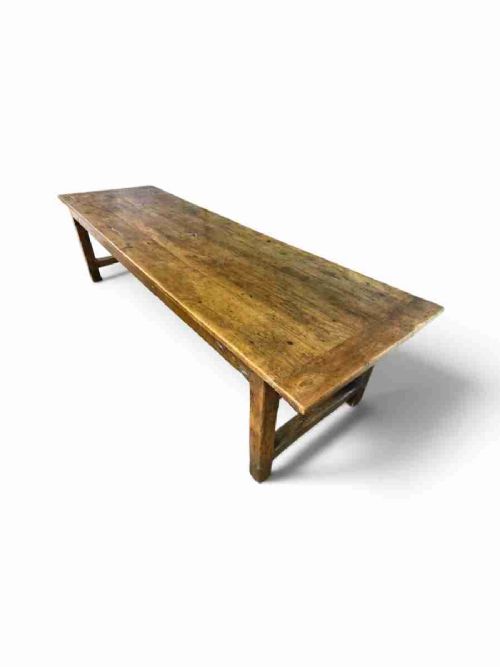
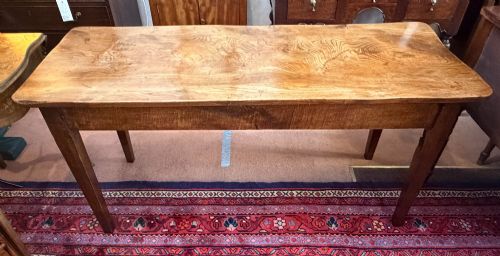
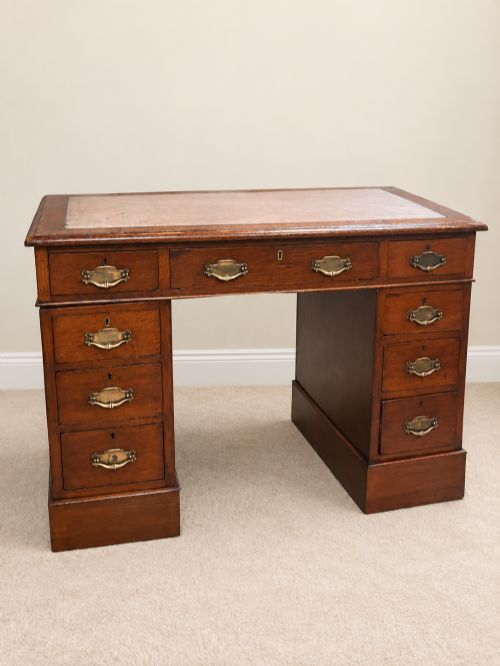
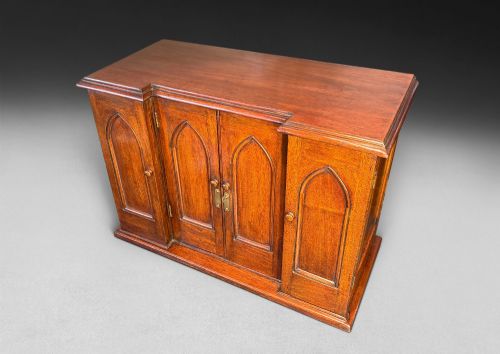
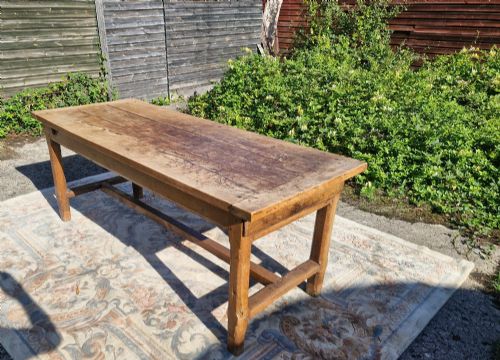
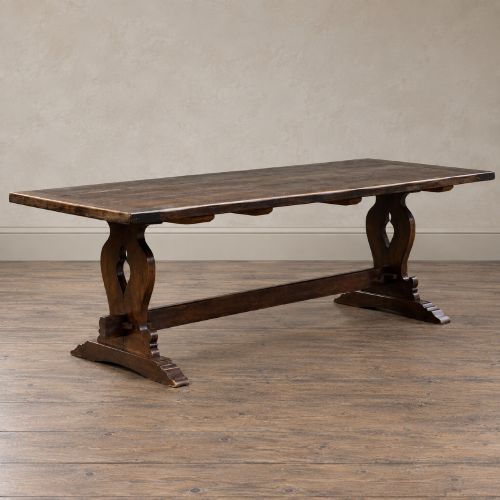
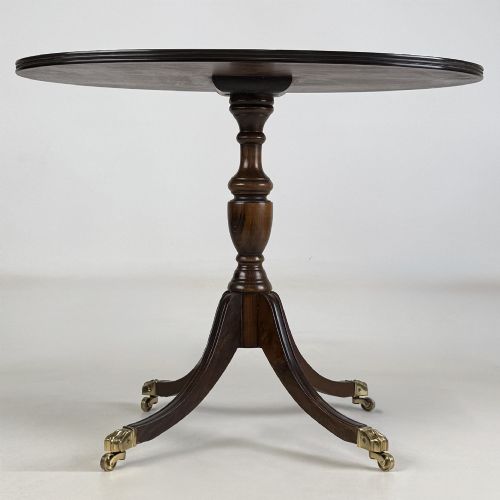
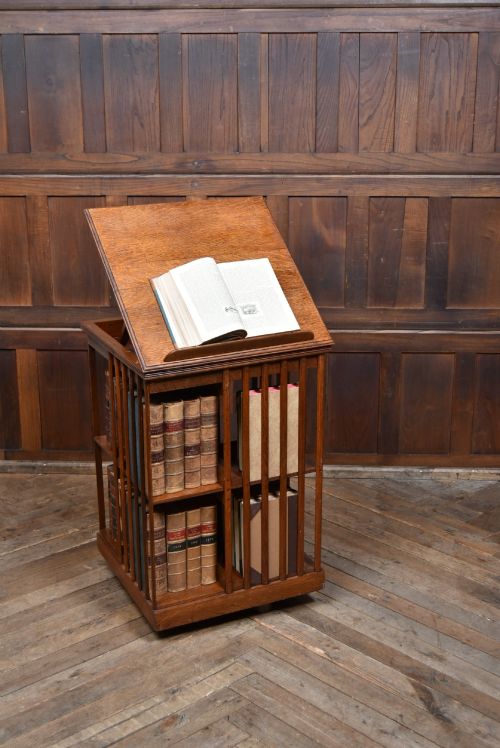
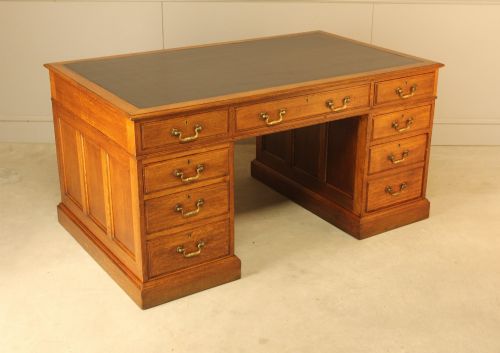
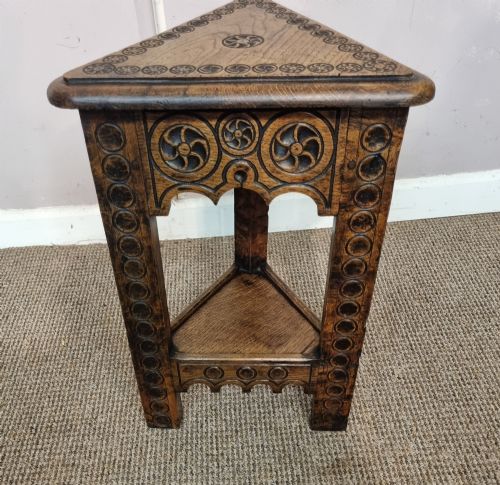
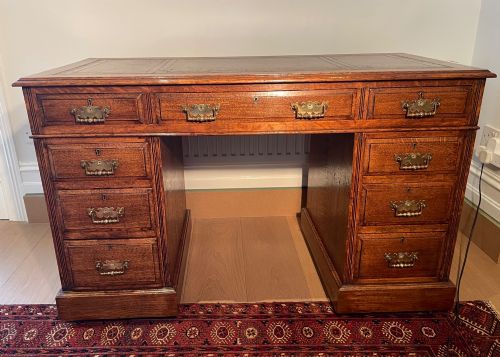
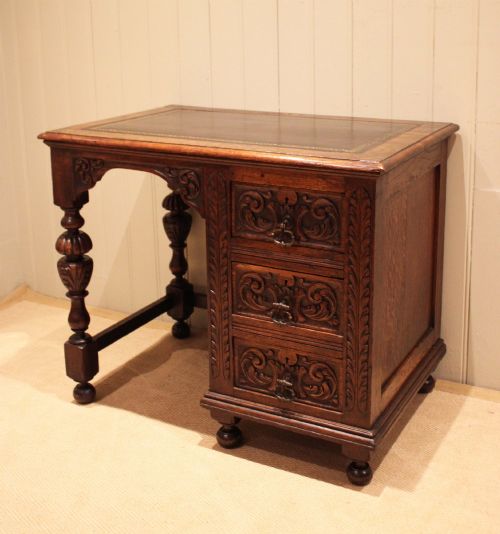
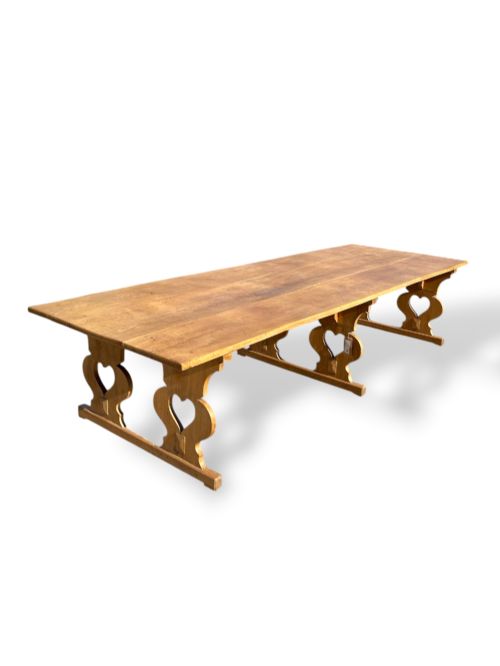
A brown oak top table is defined by its substantial wooden surface, appearing across dining tables, writing desks, and occasional pieces. The selection on this page spans periods from the seventeenth century through the Georgian era to the early twentieth century.
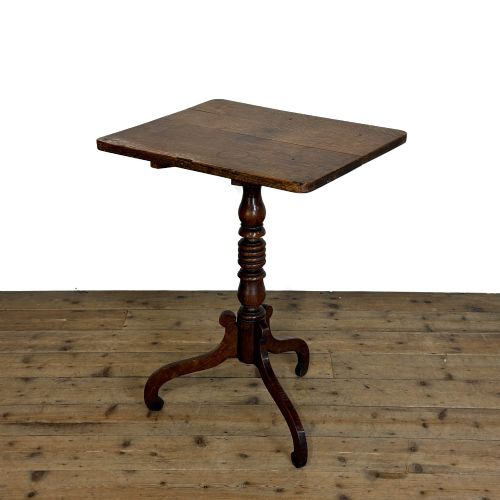
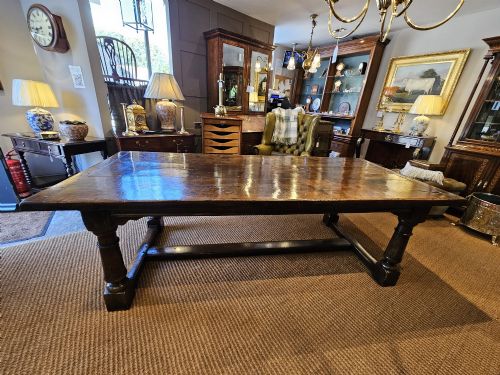
The forms vary widely, including refectory dining tables, pedestal desks, tilt-top tables, and small side tables. Many examples incorporate regional styles such as rustic farmhouse, French provincial, and Gothic revival.
Makers utilised the distinctive dark grain of oak, often paired with secondary timbers like beech or fruitwood, and occasionally accented with brass, leather, or marble inserts.
Factors of quality and execution
Quality rests upon the selection of the timber, where richly figured brown oak or burr surfaces distinguish superior pieces from plain utilitarian boards. The integrity of the construction, from single-plank tabletops to stable pedestal bases, determines the resilience of the piece.
Execution shows in the crispness of hand-carved details, the fitting of drawers in desks, and the preservation of original surfaces against later alterations.
Listings feature solid oak across eight distinct periods, incorporating materials such as brass, leather, and marble alongside fruitwood and beech.
Baillie Scott·Gillows
The Brown Oak Top Table Glossary
- Brown oak
- A naturally darkened timber resulting from a fungal infection in the living tree, prized for its deep chocolate and amber tones.
- Refectory table
- A long, narrow dining table originally built for monastic refectories, characterised by stretcher-supported legs.
- Tilt-top table
- A pedestal table featuring a mechanism that allows the tabletop to pivot vertically for storage when not in use.
- Cricket table
- A small, light occasional table featuring three splayed legs and a round top, traditionally balanced on uneven floors.
Brown Oak Top Table: Frequently Asked Questions
What periods do these tables cover?
The listings span from the seventeenth century through the Georgian and Victorian eras up to the early twentieth century. This includes specific stylistic revivals like Gothic and Art Deco.
Each period brings distinct construction methods, from pegged refectory frames to pedestal desks with integrated leather writing surfaces.
Where were these tables used?
These pieces served practical roles in country houses, libraries, kitchens, and offices. Large refectories and farmhouse tables anchored communal dining rooms.
Smaller side tables, desks, and occasional pieces functioned as writing surfaces or lamp stands in private chambers and parlours.
How do I care for an oak surface?
Solid oak surfaces respond best to regular dusting with a dry cloth and occasional treatment with traditional beeswax to nourish the grain. Avoiding excessive moisture and direct heat protects the timber from splitting.
Leather and marble inserts found on some desks and console tables require specific, gentle cleaning agents suited to their respective materials.
Are these tables suitable for daily dining?
Many of these pieces were built for heavy domestic or institutional use, making them robust for contemporary dining. Single-plank and refectory tables offer substantial space and stability.
Care should be taken with antique surfaces regarding heat and liquids by utilising appropriate table protection.