



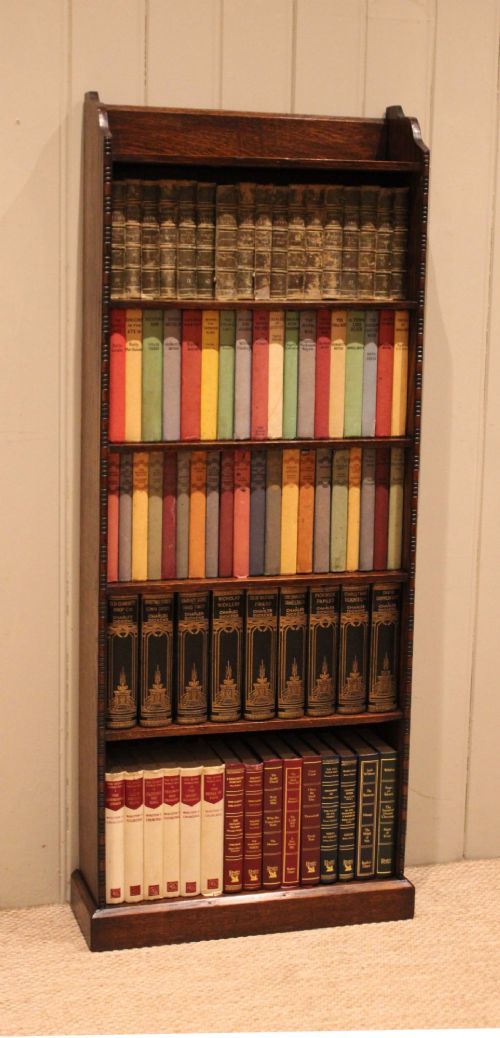
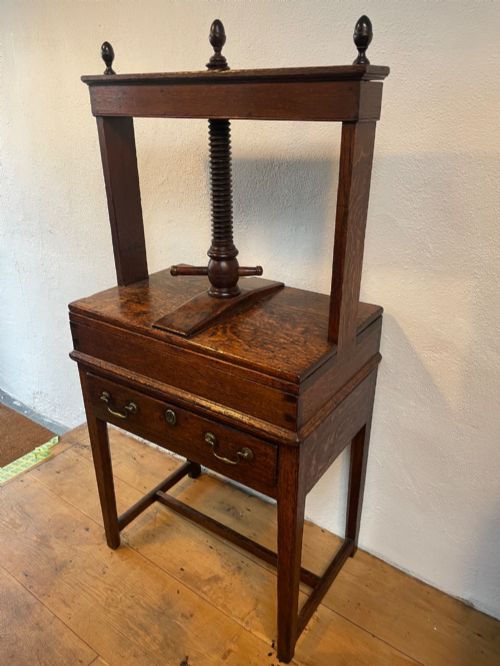
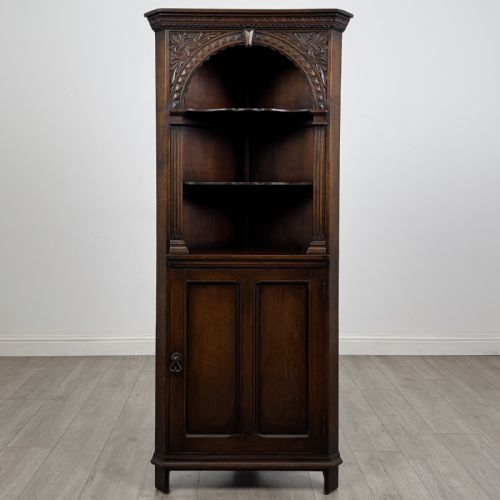
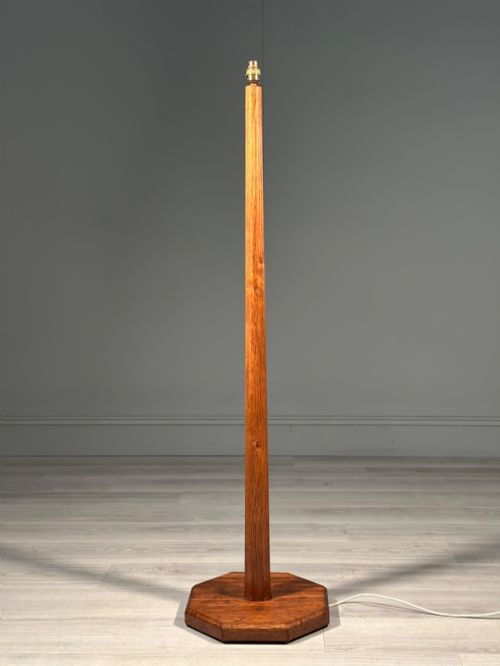
Brown Oak Stand
These brown oak stand items span Georgian, Victorian, and Edwardian periods, offering sturdy utility and rich timber grain for domestic spaces.
Brown Oak Stand
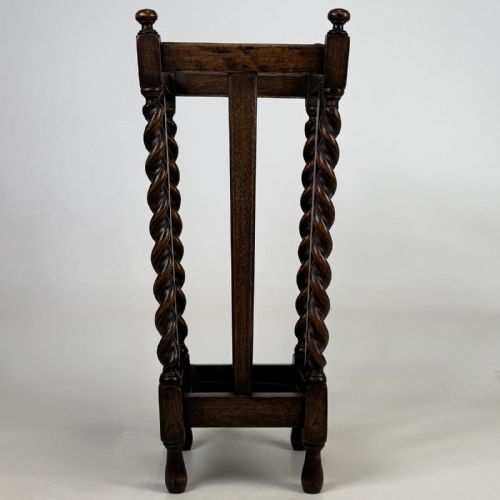
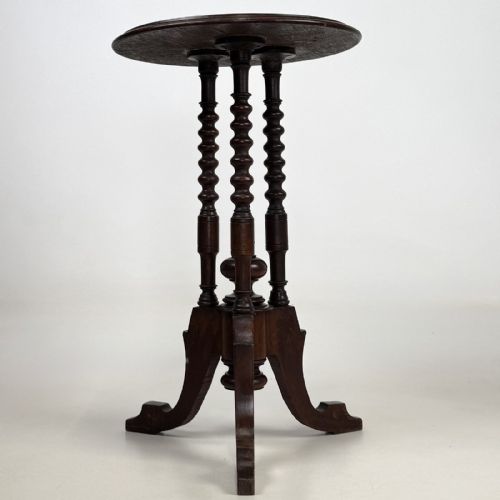
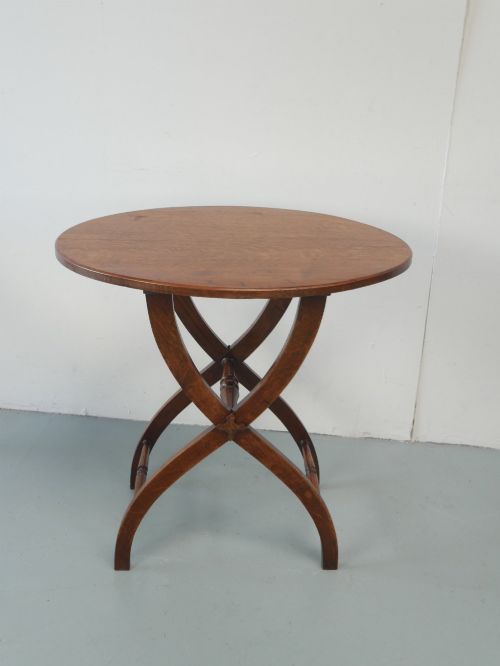
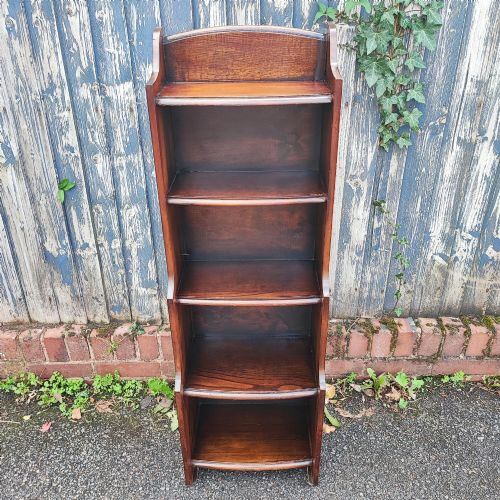
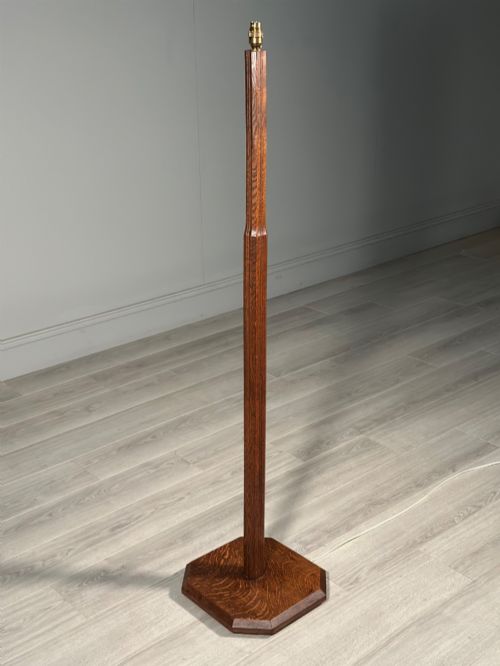
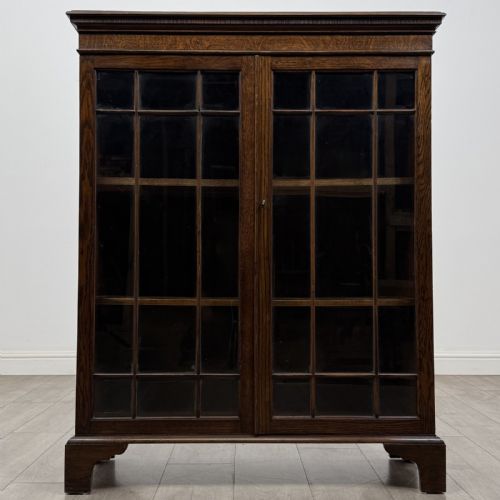
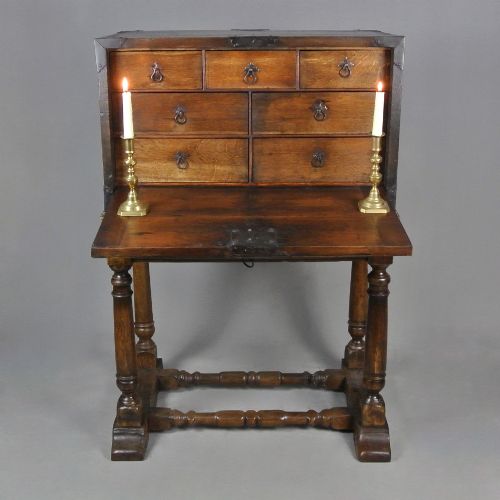
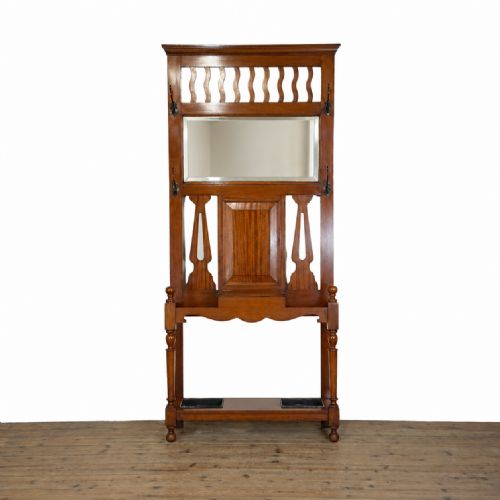
When you search for a brown oak stand, you encounter a variety of functional furniture pieces built from hardwood timber across several historical eras. The selection on this page includes umbrella stands, plant stands, hall stands, coat stands, and occasional tables spanning the Georgian, Victorian, and Edwardian periods.
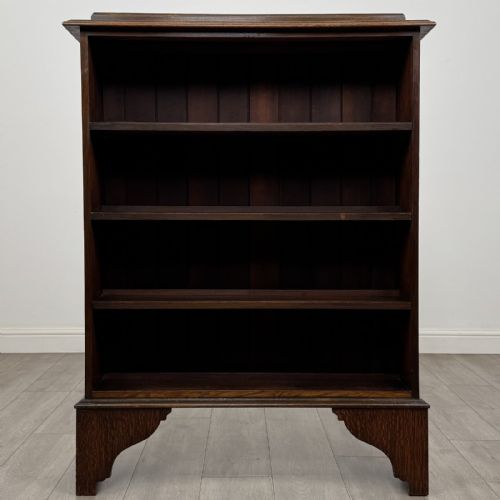
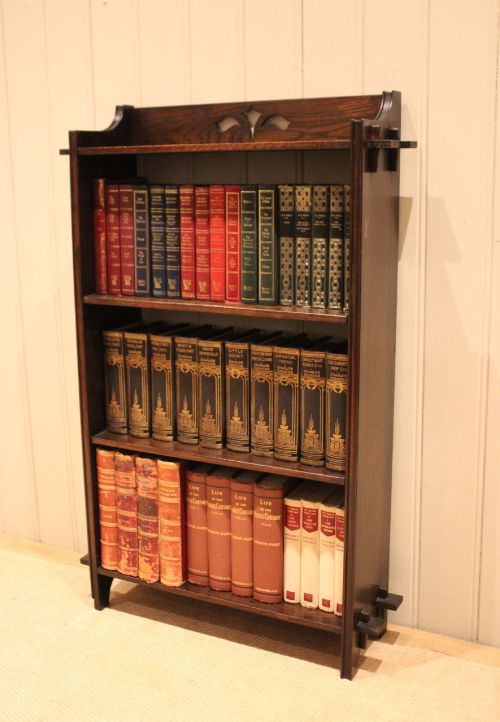
Buyers frequently meet occasional tables, plant stands, and umbrella stands in this category, alongside bookcases and side tables constructed from oak and sometimes incorporating mahogany, brass, glass, or iron. The origins range from vernacular vernacular workshops to identifiable cabinet makers, reflecting both rural English craft and more formal urban designs.
The forms serve specific domestic tasks, such as holding coats in a hallway, supporting plants in a parlour, or displaying books in a study. Each piece demonstrates the enduring utility of oak timber through centuries of British furniture production.
What varies in quality
The distinction between standard utility items and finer examples rests on the selection of timber and the ambition of the carving. Superior pieces exhibit well-figured oak grain, thoughtful proportions, and robust structural joinery that withstands daily use.
Makers who incorporated secondary woods like mahogany or applied detailed Gothic and Renaissance Revival motifs produced work that stands apart from plain vernacular furniture. The integration of functional hardware, such as brass drip pans in umbrella stands or adjustable shelving in bookcases, also signals higher manufacturing standards.
Brown Oak Stand Retail Price Guide 2026
Typical asking prices for brown oak stand among the pieces listed under this phrase on Sellingantiques today, from the lower quarter to the upper quarter. They describe what is for sale here now, not the wider market.
Object types appearing under this search span functional furniture forms such as umbrella stands, plant stands, hall stands, and occasional tables.
Gillows·Edward White Birmingham·Bowman Brothers London·Lee of Great Marlow·Astrola
The Brown Oak Stand Glossary
- Vernacular furniture
- Items made by local craftsmen for everyday regional use rather than high-style urban commission. These pieces often utilise local timber species like oak and elm without following strict academic design rules.
- Arts and Crafts
- A design movement spanning the late nineteenth and early twentieth centuries emphasising handcraftsmanship, simple forms, and visible construction. Pieces from this style frequently highlight the natural qualities of oak timber.
- Tilt top table
- A table featuring a hinged top that folds flat when not in use, allowing it to be stored against a wall. This mechanism demonstrates practical space-saving engineering found in Georgian and later periods.
- Dumbwaiter
- A tiered serving stand designed to hold dishes or books without the need for constant servant attendance. These multilevel pieces utilise central columns supported by tripod or pedestal bases.
- Longcase clock
- A tall pendulum clock housed in a wooden case, commonly referred to as a grandfather clock. Eighteenth and nineteenth-century examples often feature oak cases enclosing brass dials and eight-day movements.
Brown Oak Stand: Frequently Asked Questions
What is a brown oak stand used for?
These items serve various practical roles in the home, functioning as umbrella holders in hallways, plant supports in parlours, or small display tables in living spaces. Their original purpose dictated their sturdy construction and water-resistant oak materials.
Today, they integrate easily into modern interiors to organise entryways or display decorative objects while providing a connection to traditional British craftsmanship.
How do I date an oak stand?
Dating relies on examining the construction methods, hardware, and stylistic details such as Gothic Revival or Arts and Crafts motifs. Georgian pieces often show simpler vernacular traits, while Victorian and Edwardian examples frequently feature heavier machine-sawn elements and applied carvings.
Makers' marks, brass fittings, and secondary timbers like mahogany also help narrow down the period of manufacture between the eighteenth and twentieth centuries.
Where were these stands made?
The pieces originate from workshops across Britain, ranging from rural cabinet makers in Wales and the Home Counties to larger London firms like Bowman Brothers and Gillows. Regional styles often reflect local material availability, such as the combination of oak and elm.
Urban workshops produced more formal revival pieces, whereas country workshops focussed on durable, utilitarian items for domestic life.
How should I care for oak furniture?
Maintain the wood by keeping it away from direct heat sources and sudden humidity changes that can cause timber to split. Regular dusting with a soft cloth preserves the polished surface without building up excessive wax residues.
Applying a quality beeswax periodically nourishes the grain and protects the historic finish of the oak.