
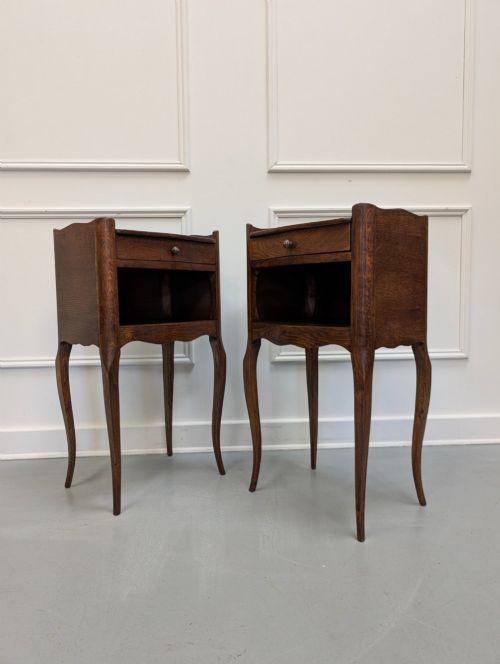
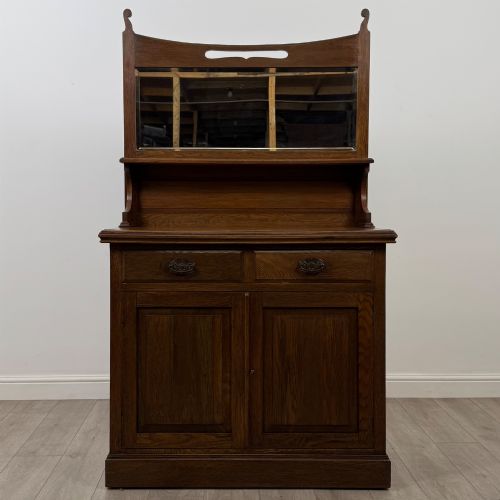
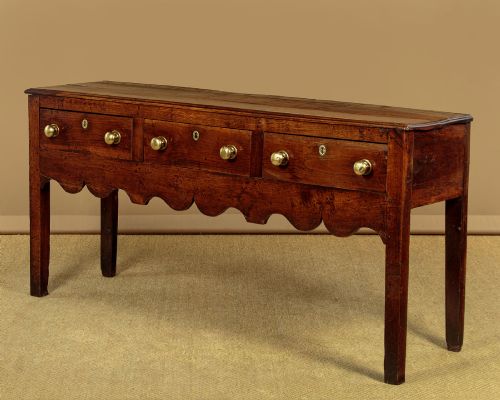
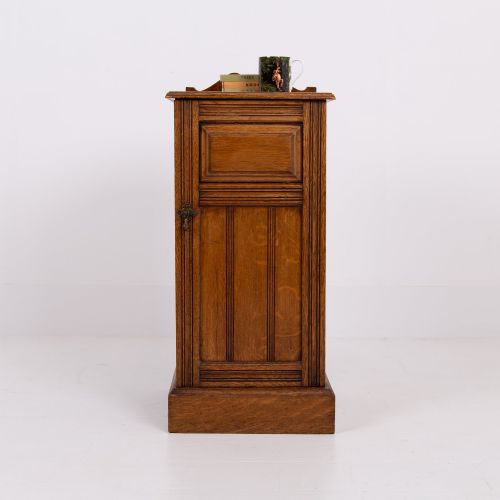
Brown Oak Small Table
A brown oak small table offers a rich, deep timber grain that brings warmth to compact spaces.
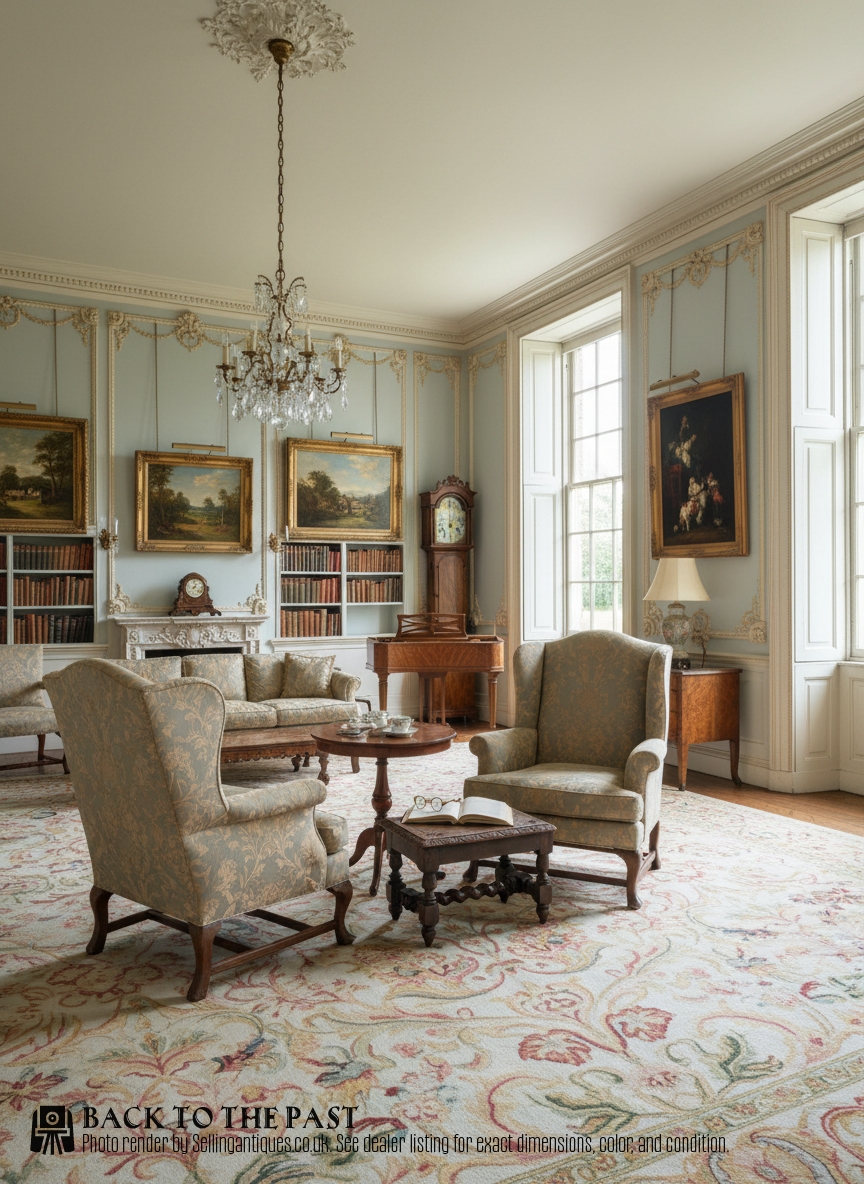
Brown Oak Small Table
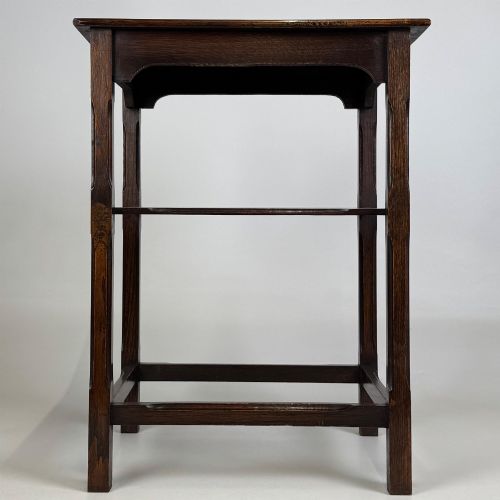
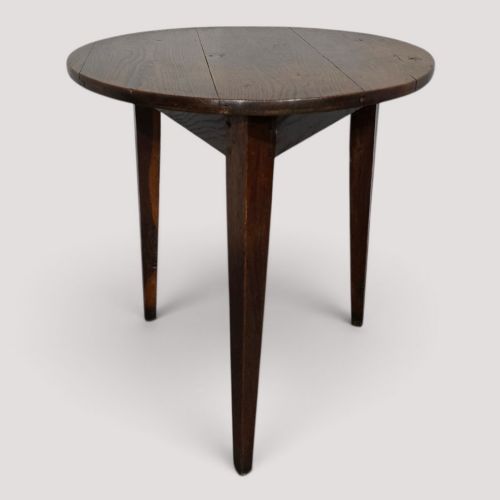
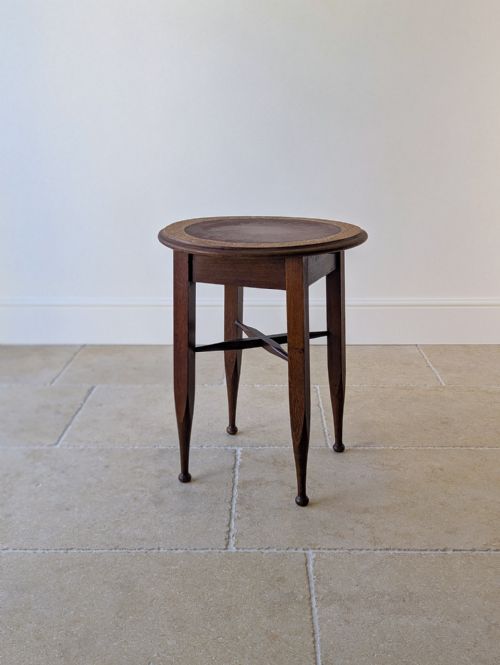
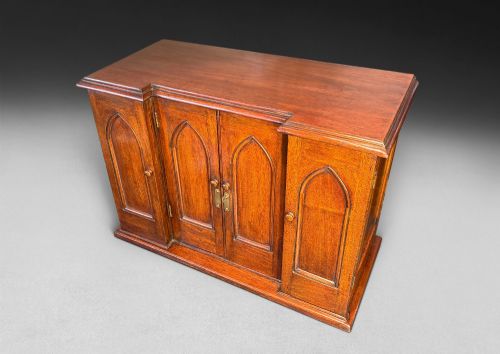
A brown oak small table encompasses various compact wooden items designed for daily utility, spanning periods from the eighteenth century through to the early twentieth century. These domestic items include side tables, occasional tables, coffee tables, and tripod wine tables constructed primarily in sturdy oak.
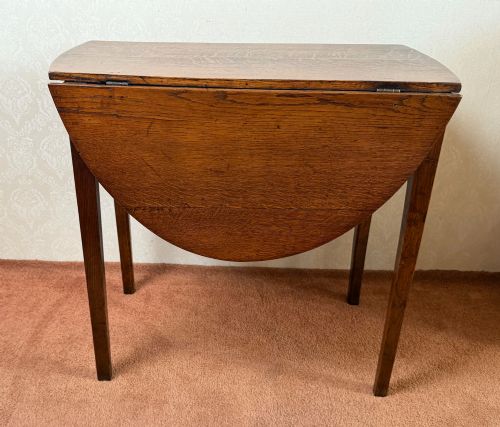
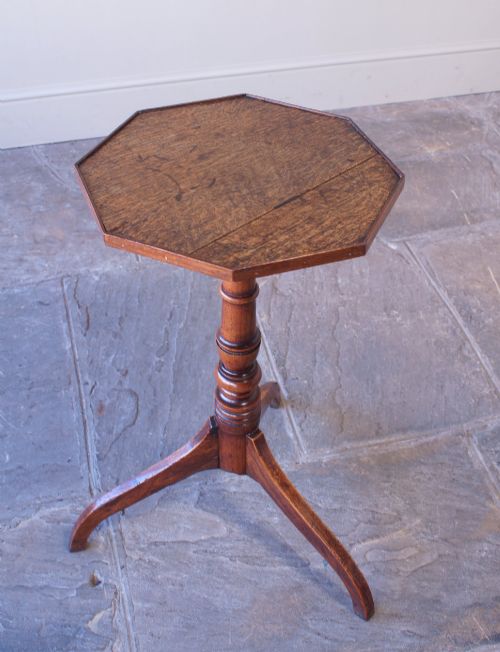
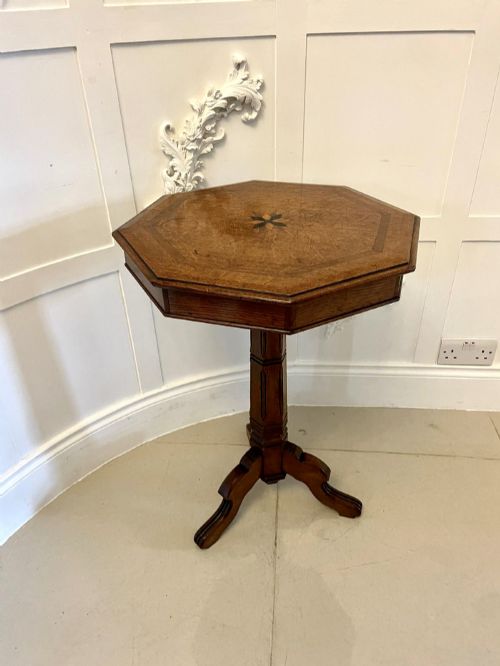
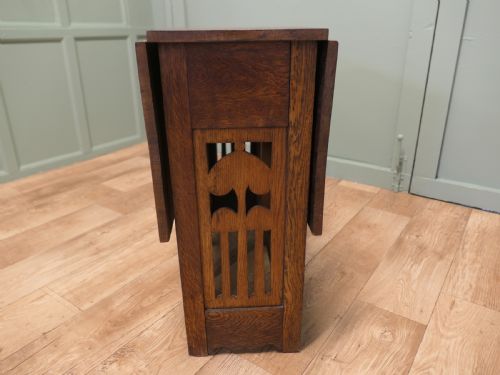
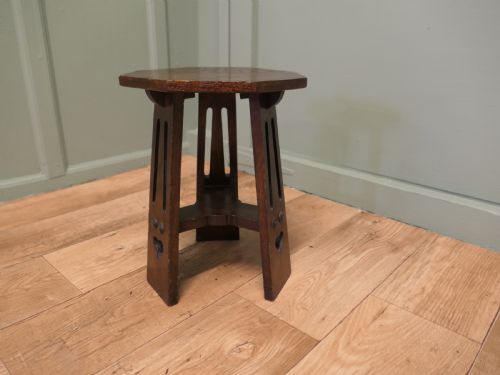
The Edwardian era and the nineteenth century provide a large proportion of these examples, often reflecting Arts and Crafts or Jacobean Revival styles. Buyers encounter pieces ranging from simple tripod bases and drop-leaf Pembroke designs to octagonal plant stands and carved occasional tables.
Materials and construction methods
Makers utilised solid oak, burr oak veneer, and inlaid timber, frequently pairing the wood with brass and iron hardware. Construction relied on traditional joinery methods suited to the robust nature of the timber.
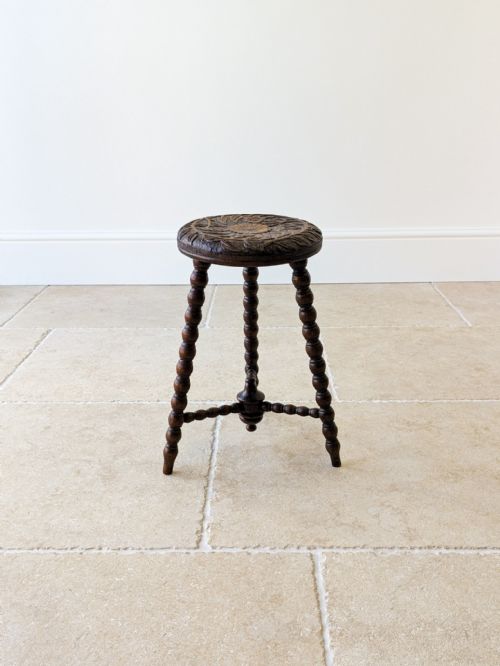
Surfaces often display carved detailing, barley twist turning, or tilt-top mechanisms, while select examples incorporate specimen woods or drop-leaf hinges to maximise functionality in smaller rooms.
The listings span multiple centuries, including Georgian, Victorian, and Edwardian periods, utilising oak, brass, and burr oak veneer.
Judging the standard of execution
The standard of a brown oak small table rests upon the crispness of its hand-carving and the depth of figure within the timber grain. Finer examples display thoughtful proportioning, balanced turnings, and well-fitted joints that remain stable over centuries of use.
Simpler vernacular pieces rely on honest utility, whereas items associated with movements like Arts and Crafts demonstrate deliberate artistic intent through exposed construction details and carefully selected burr veneers.
Arthur Simpson of Kendal
The Brown Oak Small Table Glossary
- Burr oak veneer
- A thin slice of wood cut from a tree growth abnormality, yielding a swirling pattern applied to table surfaces. This technique highlights the decorative potential of the timber grain.
- Tripod table
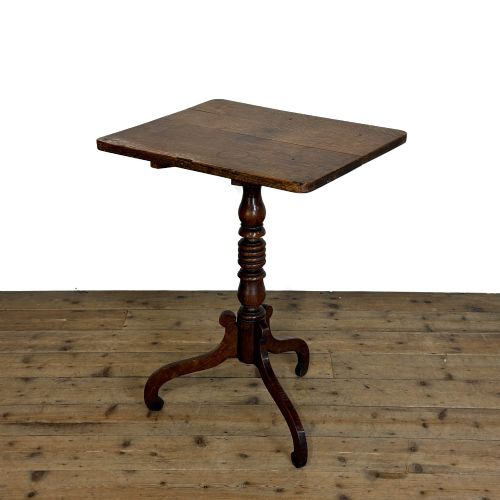
- A small circular table supported by a pillar above three spreading legs. Eighteenth-century versions often feature a tilt-top mechanism for convenient storage against a wall.
- Pembroke table
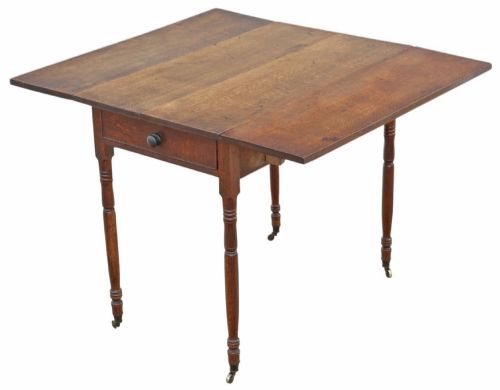
- A drop-leaf table with hinged flaps on either side designed for occasional dining or writing. The drop leaves allow the footprint to expand or contract as needed.
- Barley twist
- A type of turning shaped like a spiral rope, popular on table legs and supports during the seventeenth century and revived in Edwardian furniture.
Brown Oak Small Table: Frequently Asked Questions
What periods do these small tables date from?
The pieces span from the eighteenth century up through the Georgian, Victorian, and Edwardian eras. Many examples originate from the early twentieth century.
Craftsmen during these periods produced various side and occasional tables drawing on traditional and revival styles.
How were these tables used originally?
They served multiple domestic functions, from holding bedside lighting and holding tea to supporting plant stands and writing correspondence in parlours.
Compact dimensions allowed them to fit easily into smaller rooms or tight corners around the home.
Are these tables made of solid timber?
Many listings feature solid oak construction, while others incorporate burr oak veneer over secondary timbers to showcase decorative grain patterns.
Metal components like brass and iron appear in hinges, brackets, and handles across various periods.
How do I identify an Arts and Crafts piece?
Arts and Crafts examples often display honest construction, octagonal tops, or minimal carved decoration that highlights the natural qualities of the oak.
These items frequently date around nineteen hundred to nineteen ten and reflect a shift toward handcrafted domestic objects.