
Brown Oak Shelving
Brown oak shelving brings rich, deep-toned timber and solid utility into a room, offering sturdy storage for books and display.
Brown Oak Shelving
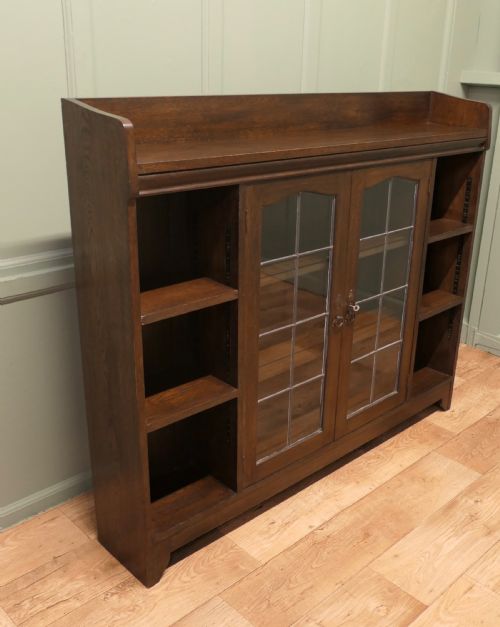
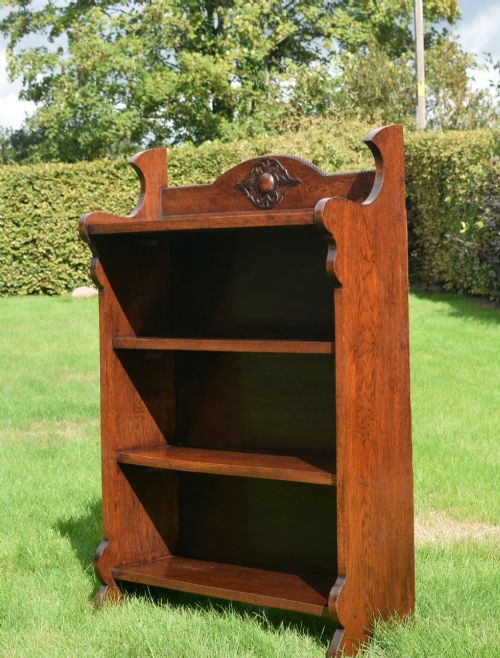
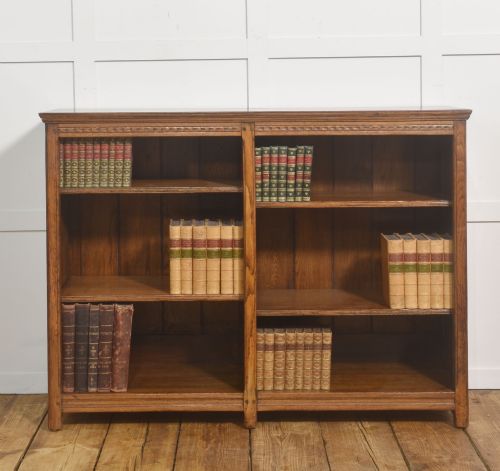
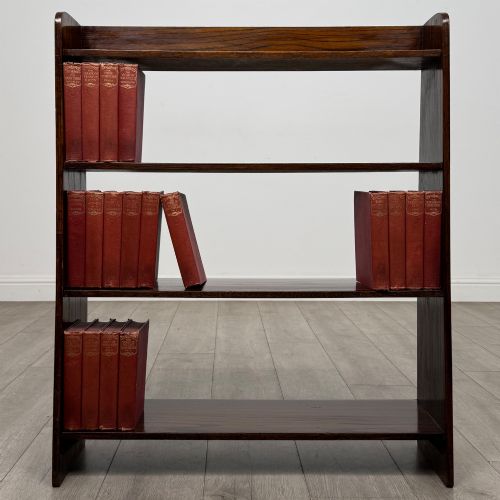
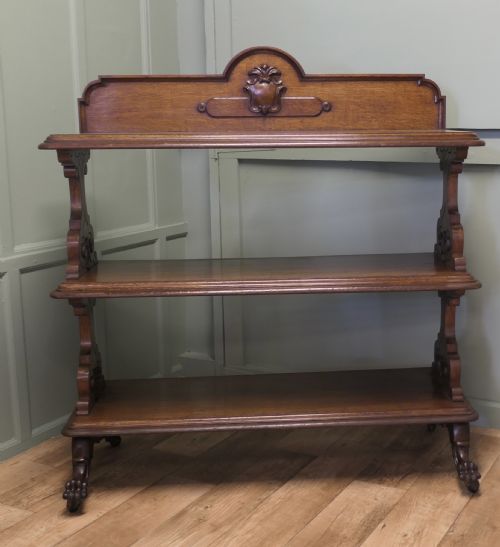
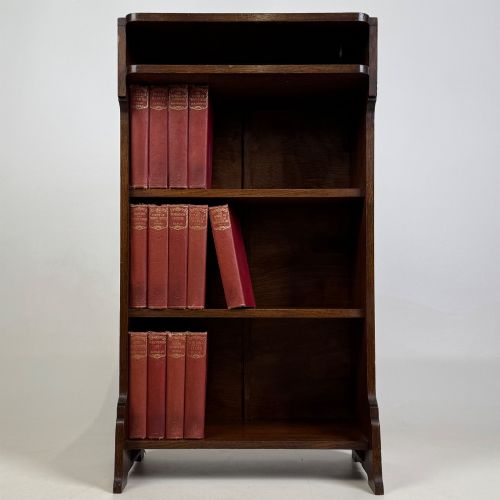
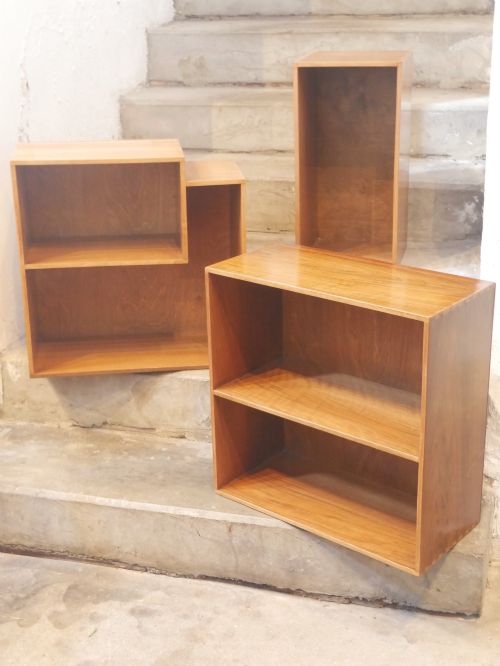
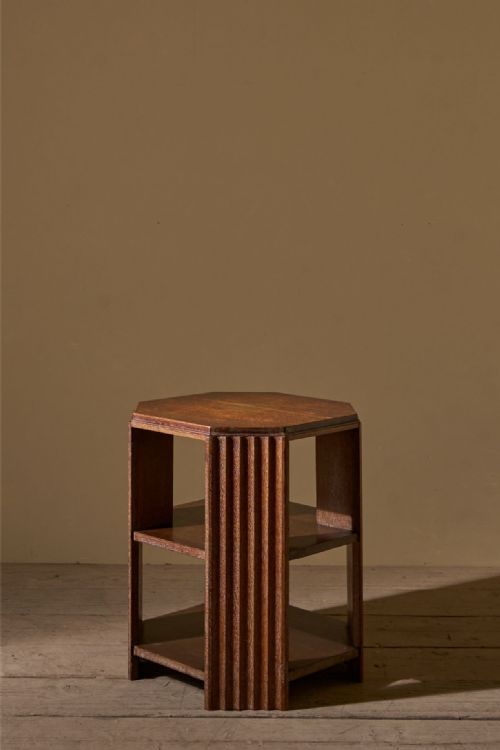
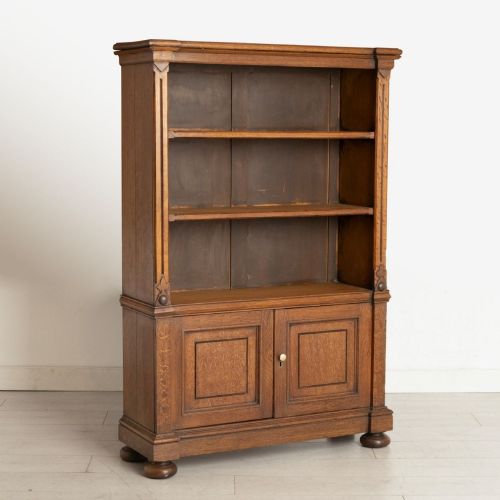
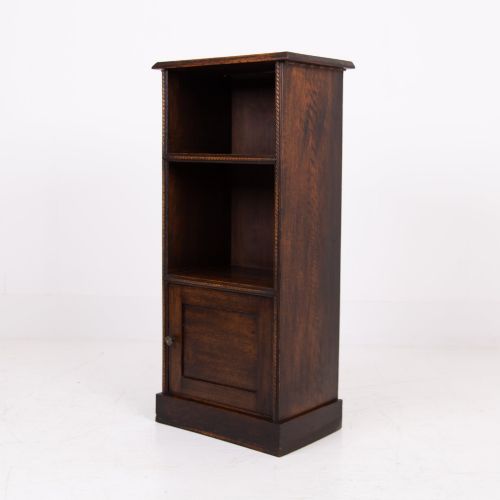
When you search for brown oak shelving, you encounter practical storage furniture built from resilient timber, spanning open bookcases, wall shelves, and dressers. These pieces originate predominantly from the Victorian, Edwardian, and Art Deco periods, alongside select examples from the nineteenth and early twentieth centuries.
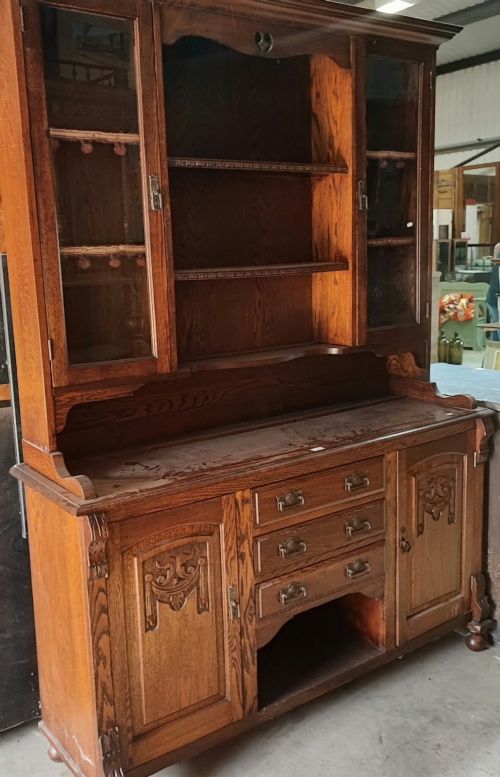
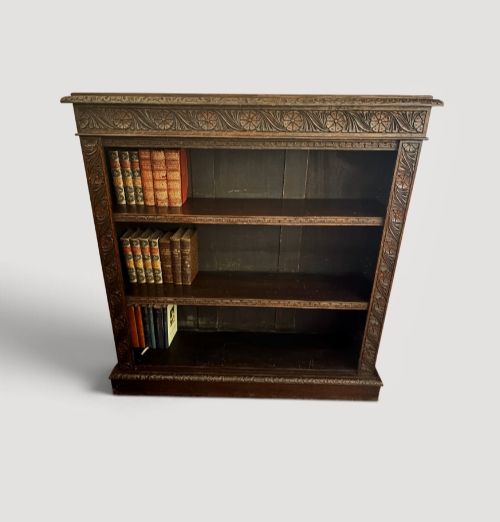
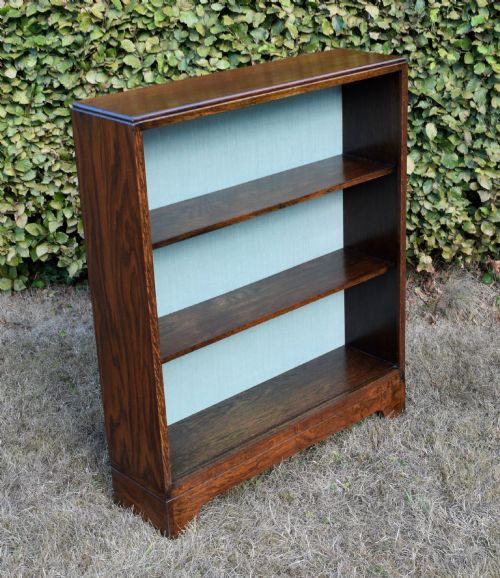
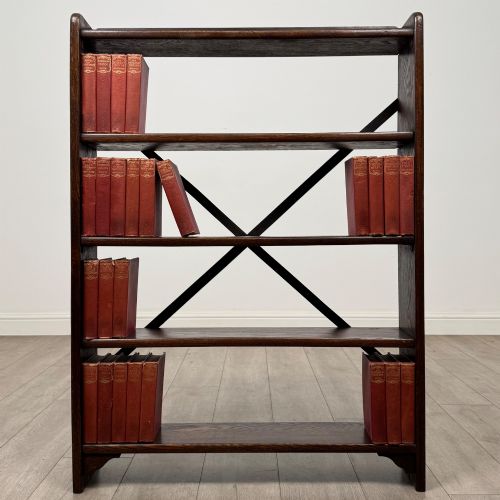
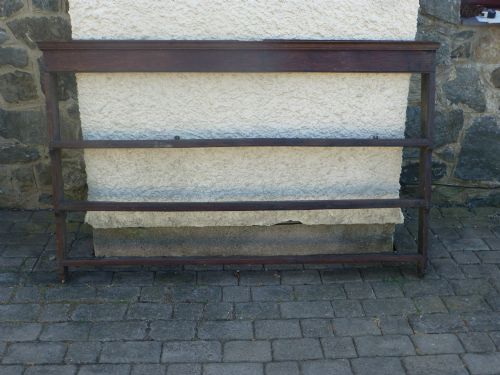
The version most commonly met on this page is the open bookcase, often constructed with adjustable shelves to accommodate varying volumes. Alongside these, you find Welsh dressers, plate racks, and display cabinets that utilise the distinctive dark grain of oak.
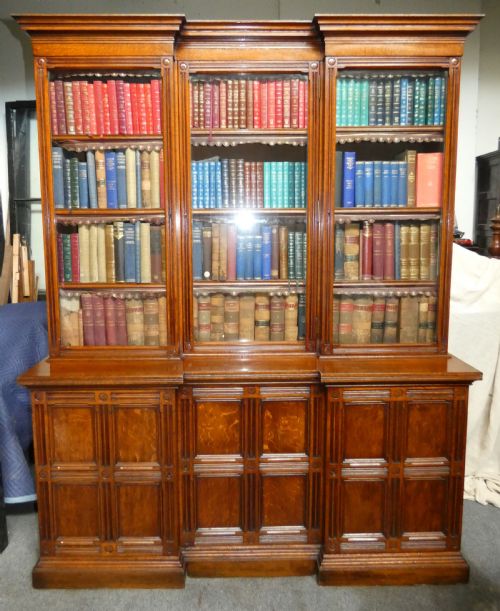
Makers and workshops from the Arts and Crafts movement also contributed simpler, honest forms that prioritise visible construction and solid timber. These items range from compact Edwardian numbers to tall library bookcases designed for serious collections.
Judging Quality and Craft
Quality rests upon the selection of timber, where rich figuring in the brown oak and sturdy solid construction elevate a piece above standard utility items. Cabinetmakers who incorporated adjustable shelf mechanisms and tight joinery achieved a superior standard of finish.
Proportion and decorative restraint separate finer workshop production from mass-produced commercial items of the period. The integration of functional elements, such as leather tops or glazed panels, demonstrates the maker's attention to detail.
Heals
The Brown Oak Shelving Glossary
- Brown oak
- A rich, dark-toned variant of English oak, often coloured by fungal activity in the living tree. It provides distinct aesthetic depth to cabinets and shelves.
- Open bookcase
- A piece of shelving furniture lacking doors, designed for immediate access to books. These form the bulk of the library storage seen here.
- Welsh dresser
- A traditional dual-part furniture form featuring lower cupboards or drawers surmounted by open plate racks. They offer substantial display space.
- Limed oak
- A finishing technique where a white pigment is rubbed into the open grain of oak. This creates a pale, frosted appearance characteristic of Art Deco design.
- Arts and Crafts
- A design movement valuing handcraft, traditional joinery, and honest materials. Pieces from this era discard heavy Victorian ornamentation in favour of simple utility.
Brown Oak Shelving: Frequently Asked Questions
How do I date an oak bookcase?
Dating relies on architectural styling, such as Victorian carving or the streamlined geometric lines of Art Deco pieces. Construction methods, including machine-cut versus hand-cut elements, also point towards specific decades.
Period markers often appear in the hardware, timber preparation, and the presence of makers' marks or retailer labels within the shelving units.
Are the shelves usually adjustable?
Many of the open bookcases and library pieces listed feature adjustable shelving systems. These utilise wooden ratchets, metal pins, or tracked uprights to alter shelf heights.
This adaptability reflects their original purpose in working libraries and domestic parlours where book sizes varied considerably.
What is the difference between Edwardian and Victorian pieces?
Victorian brown oak furniture tends to feature heavier proportions, darker finishes, and deeper carved ornamentation. Pieces from this era often lean towards grand library or dining room scales.
Edwardian items generally exhibit lighter forms, simpler surfaces, and a more compact footprint suited to smaller domestic spaces of the early twentieth century.
How do I care for antique oak shelving?
Maintenance requires keeping timber away from direct heat sources and dramatic humidity fluctuations to prevent wood splitting. Regular dusting with a dry, soft cloth preserves the polished surface.
Occasional application of appropriate beeswax feeds the oak and maintains the lustre of the brown grain without building up heavy chemical residues.