

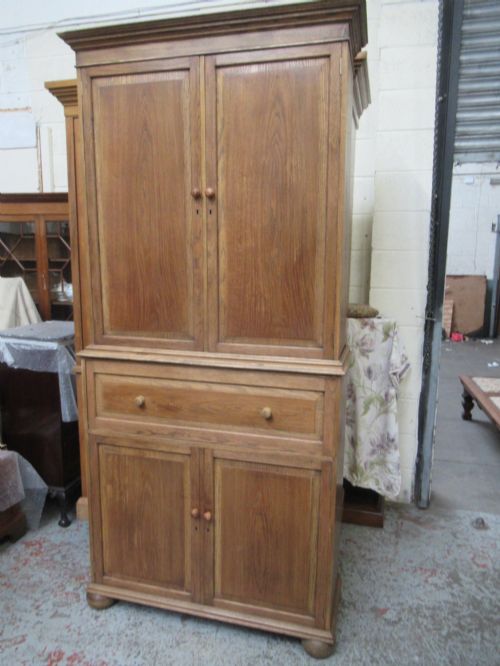
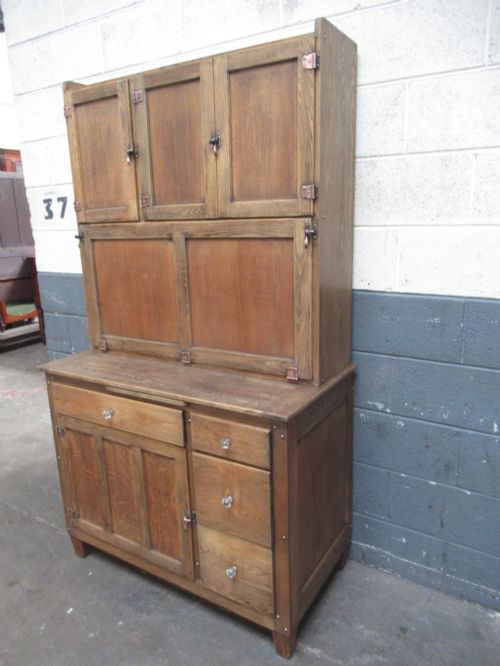
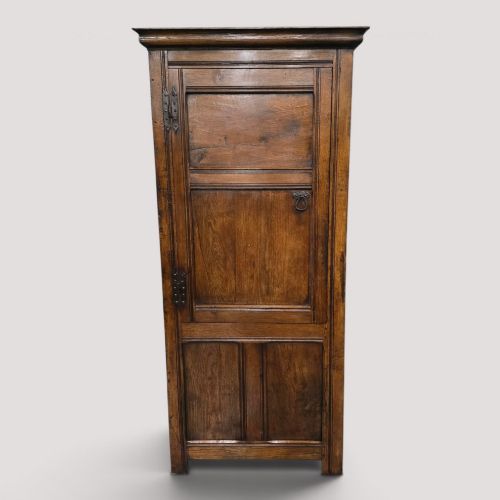
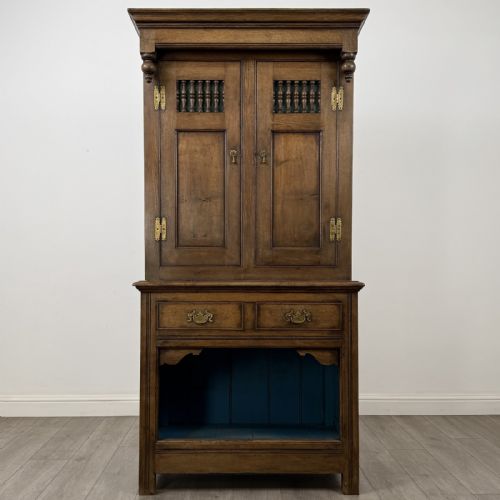
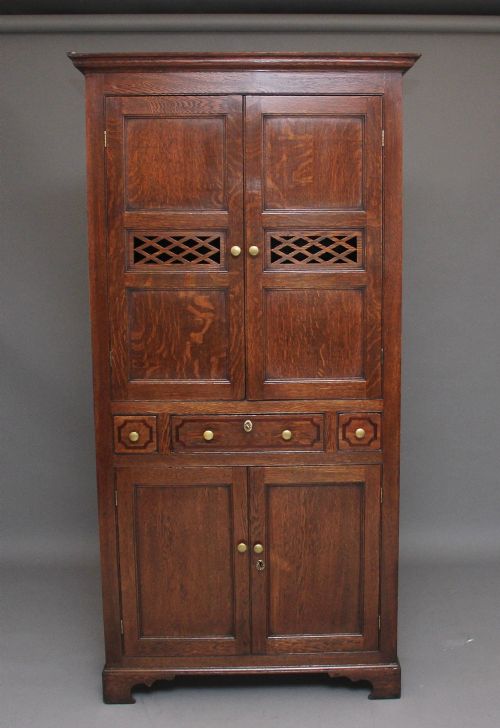


Brown Oak Pantry Cupboard
A brown oak pantry cupboard brings warmth, robust storage and centuries of practical craftsmanship straight into a modern interior.
Brown Oak Pantry Cupboard
The versions you are most likely to meet on this page date from the eighteenth century through to the mid-twentieth century. They arrive from various regional traditions including English country, Welsh vernacular, French provincial and Jacobean revival styles.
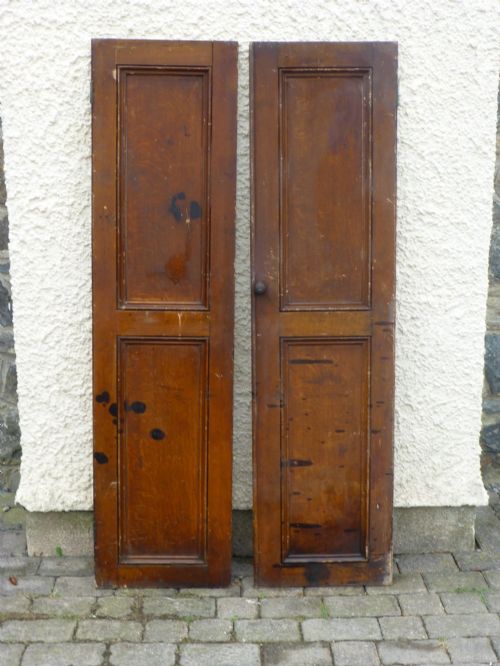
Form follows function across these listings, ranging from large freestanding storage cabinets to architectural cupboard doors with scumbled faux oak paint. Each surviving item reflects the enduring utility demanded of domestic food storage before modern refrigeration.
How they were made
The primary material underpinning these constructions is solid oak, complemented by structural additions of brass, iron and wrought iron for hinges, handles and latches. Certain architectural panels also utilise glass or employ paint finishes such as scumbling to simulate grain.
Joinery techniques span traditional panel construction, carved pillar embellishments and inlaid details as seen in regional Welsh vernacular examples. The work relies on straightforward, durable carpentry designed to withstand heavy domestic use over generations.
Brown Oak Pantry Cupboard Retail Price Guide 2026
Typical asking prices for brown oak pantry cupboard among the pieces listed under this phrase on Sellingantiques today, from the lower quarter to the upper quarter. They describe what is for sale here now, not the wider market.
Even faux oak paint makes an appearance, proving that a clever coat of scumble has fooled the eye since the nineteenth century.
What varies in quality
Quality in these cupboards rests primarily upon the integrity of the timber, the honesty of the construction and the preservation of original surface patination. Pieces that retain their structural hardware and honest, unmasked grain demonstrate a higher order of regional craftsmanship.
The sophistication of the joinery and decorative detailing also distinguishes the range, moving from plain utilitarian storage units to finer examples featuring carved pillar panels or traditional geometric inlay. Retained original paint finishes or scumbled surfaces further elevate the historical character of individual pieces.
The Brown Oak Pantry Cupboard Glossary
- Scumbled
- A decorative paint technique where a translucent glaze is dragged or brushed over a base coat to imitate the natural grain of wood.
- Vernacular
- Architecture and furniture built by local craftsmen using traditional regional methods and materials rather than high architectural styles.
- Press cupboard
- A large enclosed piece of furniture traditionally used for storing household provisions, textiles or food.
- Panels
- Flat sections of timber fitted within a sturdier surrounding frame to allow for natural wood movement without splitting.
Brown Oak Pantry Cupboard: Frequently Asked Questions
What is a brown oak pantry cupboard?
A brown oak pantry cupboard is a timber storage unit traditionally built for kitchens and larders to hold food, utensils or household provisions. These pieces span multiple centuries and regional styles.
They offer deep shelving and robust construction, making them as useful for modern homes as they were for historical domestic spaces.
How do I date an antique oak cupboard?
Dating relies on examining the construction methods, the type of hardware used, and the style of any carved panels or inlays. Earlier eighteenth-century pieces often show hand-tool marks and traditional peg joinery.
Twentieth-century examples tend to feature more standardised construction techniques while still utilising solid oak timbers.
Where were these cupboards used?
These cupboards served primarily in kitchens, pantries, hallways and housekeeper's rooms for storing dry goods, bread, cheese and tableware. Their robust builds suited heavy daily domestic service.
Today, they transition easily into living rooms, dining spaces or modern kitchens as statement storage furniture.
What styles are common in these listings?
The listings feature styles ranging from Georgian country and Welsh vernacular to Arts and Crafts and Jacobean revival. Each style brings distinct regional characteristics to the woodwork.
Some pieces also include French provincial influences or architectural salvage elements like scumbled panel doors.