
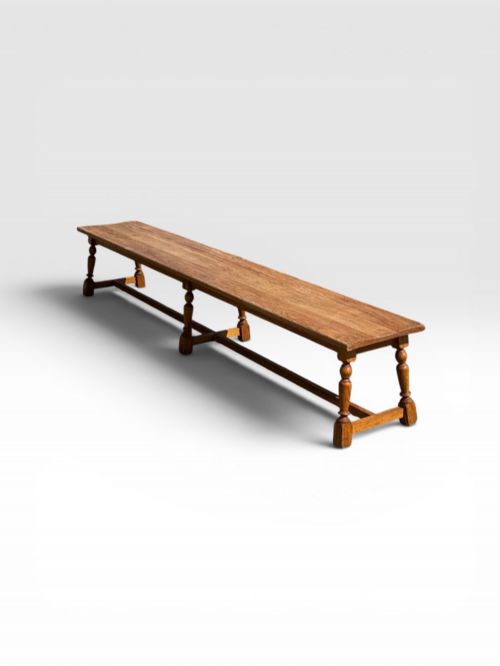
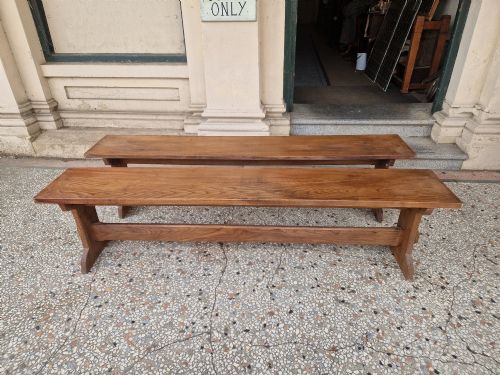
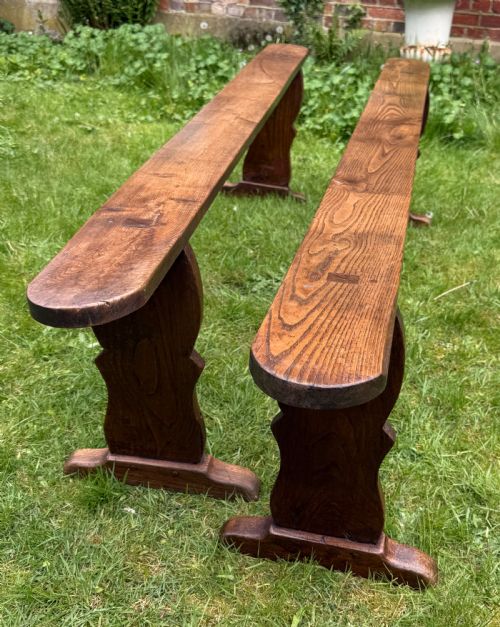
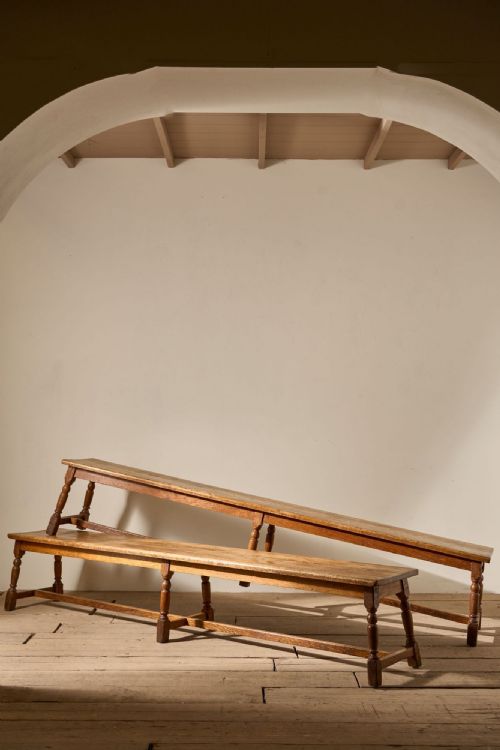


Brown Oak Dining Bench
A brown oak dining bench brings rich, deep timber tones and enduring utility to a room, offering robust seating shaped by centuries of craftsmanship.
Brown Oak Dining Bench
When you search for a brown oak dining bench, you encounter sturdy seating fashioned from durable hardwoods across various historical periods. The examples here span centuries of design, reflecting robust domestic and communal use.
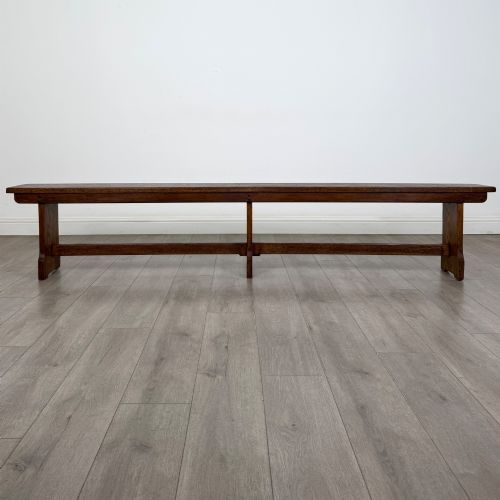
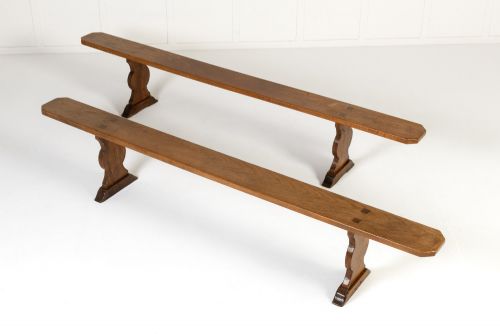
You are most likely to meet pieces originating from the eighteenth and nineteenth centuries, including rustic farmhouse styles and longer tavern forms. These listings include substantial lengths suited for communal dining spaces.
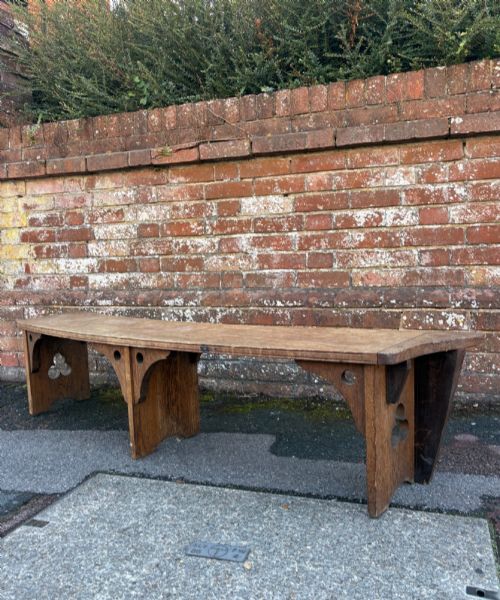
The selection ranges from vernacular country pieces to Gothic revival designs with carved supports. Oak and elm predominate, showing the practical materials chosen by makers of the past.
How they were made
Constructed primarily from solid oak and elm timber, these benches rely on heavy hardwood boards designed to withstand decades of daily wear. The material choice ensures structural stability across long spans.
Joinery techniques focus on strength, utilising traditional framing methods that keep long tavern and refectory forms rigid. Surface finishes develop naturally through age and handling rather than applied treatments.
Materials recorded across the inventory include oak, elm, pine, and broader hardwood categories.
What varies in quality
The distinction between standard utility seating and exceptional pieces rests in the depth of timber colour and the integrity of the original construction. Benches with historic provenance or unusual length command attention for their presence.
Subtle details such as trefoil carvings or curved Gothic supports elevate certain regional examples above plain vernacular forms. The preservation of surface texture and honest patination determines the visual weight of each piece.
The Brown Oak Dining Bench Glossary
- Tavern bench
- A long, sturdy wooden seat traditionally designed for public houses or communal gathering spaces. These pieces feature substantial timber frames built for heavy use.
- Refectory bench
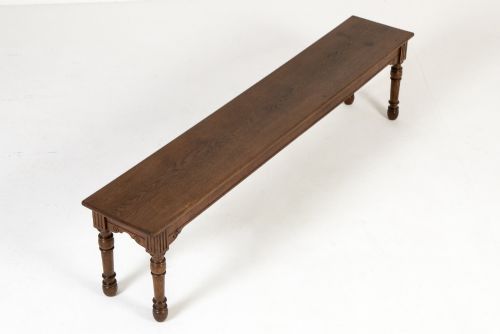
- A long seating form originally designed to accompany a large dining table in monastic or institutional halls. They often display simple, robust trestle or four-leg construction.
- Gothic revival
- An architectural and decorative style popular in the nineteenth century that revived medieval forms. Pieces in this style often incorporate pointed arches, trefoils, and structural tracery.
- Patina
- The surface sheen and colour depth developed by timber over years of handling, exposure, and polishing. It serves as a visual indicator of age and genuine use.
Brown Oak Dining Bench: Frequently Asked Questions
How do I clean an old oak bench?
Dust the timber regularly with a soft, dry cloth to prevent dirt accumulation in the grain. Avoid harsh chemical cleaners that strip the historic surface.
Apply a traditional beeswax occasionally to nourish the wood and maintain its natural lustre without sealing the pores.
Are these benches comfortable for daily dining?
Many historical benches feature solid wooden seats designed for utility rather than cushioned comfort. Adding loose textiles or sheepskins can soften the seating surface for longer meals.
Consider the height of the bench relative to your dining table to ensure an ergonomic seating position.
How can I tell an eighteenth-century bench apart?
Eighteenth-century examples often display hand-sawn board construction, pegged joints, and deep patination accumulated over generations. Tool marks left by early woodworkers help distinguish these older pieces from later reproductions.
Proportions tend to reflect vernacular regional traditions rather than mass-produced uniformity.
Can I use a long bench outdoors?
These historical hardwood benches are primarily intended for interior domestic use and lack weather-resistant treatments. Exposure to moisture and temperature fluctuations will damage the antique timber.
Keep them within stable indoor environments to preserve their structural integrity and surface finish.