



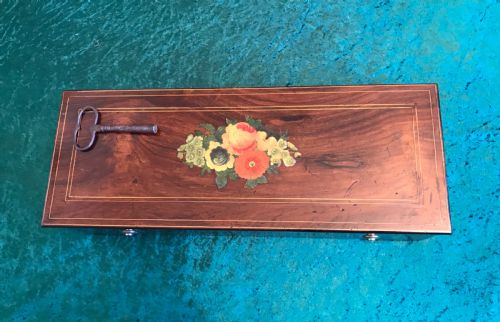


Brown Music Box
These brown music box examples bring mechanical melody and handsome timber into the room, spanning Victorian and Edwardian craftsmanship.
Brown Music Box
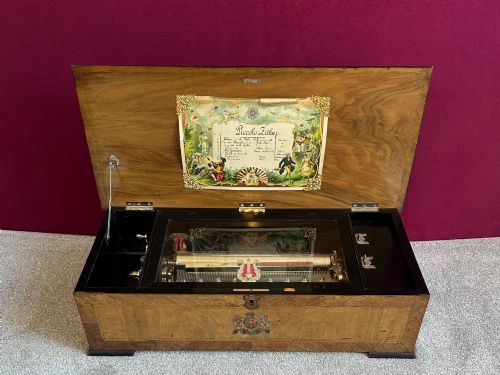
A brown music box brings together rich timber cases and precision pinned cylinders or metal discs that play programmed melodies. When you search for a brown music box, you encounter pieces that range from small table top cylinders to substantial disc playing automata housed in walnut, rosewood, or oak.
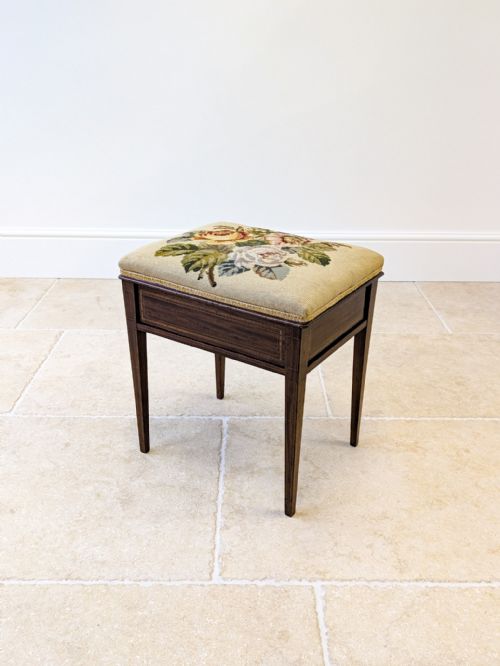
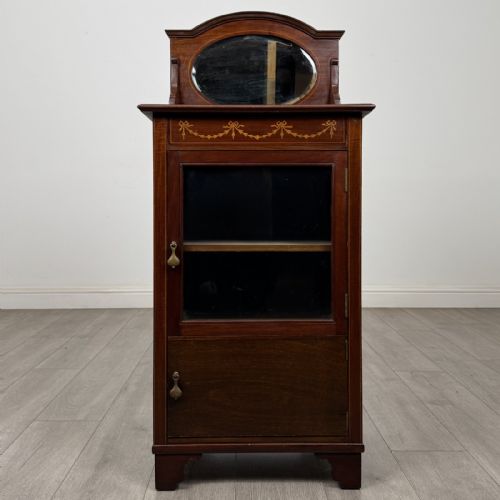
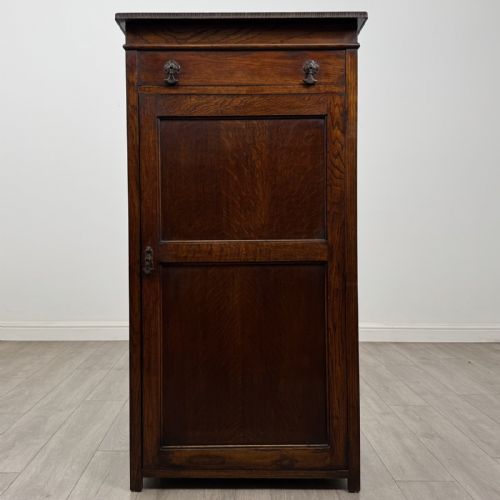
The objects appearing here stretch from the Victorian era into the Edwardian period, often incorporating marquetry inlay, glass panels, or matching storage cabinetry. Alongside traditional table top boxes, the selection includes related music cabinets, piano stools, and occasional curiosities like conductor batons.
How they were made
Cases rely on dense hardwoods like walnut, rosewood, and oak, frequently shaped with burr veneers, ebonised accents, or intricate marquetry patterns. These timber enclosures serve both to house the delicate machinery and to project the acoustic resonance of the combs.
Internal mechanisms combine steel combs and pinned brass cylinders or interchangeable metal discs, occasionally augmented by small bells for enhanced tone. Key wound movements or lever-driven mechanisms transfer kinetic energy to play multiple airs through precisely tuned steel teeth.
Brown Music Box Retail Price Guide 2026
Typical asking prices for brown music box among the pieces listed under this phrase on Sellingantiques today, from the lower quarter to the upper quarter. They describe what is for sale here now, not the wider market.
A conductor's baton slips quietly among the music boxes and cabinets, ready to lead an imaginary orchestra from the tea table.
What varies in quality
Distinction in quality arises from the complexity of the musical arrangement, such as multi-air cylinders or the inclusion of supplementary bells, alongside the fidelity of the steel comb. Maker reputation also influences standing, with established workshops like Lochmanns or Nicole Freres commanding recognition for their precision engineering.
Cabinetwork separates standard production from finer pieces through the choice of figured burr walnut, precise marquetry inlay, and robust structural joinery. The clarity of the timber finish and the integrity of the original glass and brass fittings complete the assessment.
Lochmanns·B A Bremond·Nicole Freres
The Brown Music Box Glossary
- Cylinder
- A rotating pinned brass barrel that plucks the teeth of a steel comb to produce a specific sequence of musical notes. Cylinders are often pinned to play multiple distinct airs.
- Comb
- The tuned steel plate with individual teeth that vibrate when struck by the pins of a revolving cylinder or the projections of a disc. The condition and tuning of the comb dictate the purity of the sound.
- Burr Walnut
- A highly figured timber veneer sliced from the knot growths of walnut trees, prized for its swirling grain patterns. It frequently graces the exterior lids of Victorian music boxes and Edwardian cabinets.
- Marquetry
- The art of applying small pieces of veneer to a structure to form decorative patterns and pictures. Floral and geometric marquetry is commonly found on Edwardian music cabinets.
- Symphonium
- A large disc-playing musical box that utilises interchangeable flat metal discs rather than pinned cylinders. These mechanical instruments were produced by firms such as Lochmanns.
Brown Music Box: Frequently Asked Questions
How do cylinder and disc boxes differ?
Cylinder boxes utilise a pinned brass barrel dedicated to a fixed set of tunes, typically ranging from four to twelve airs. This mechanism is housed permanently within the timber case.
Disc boxes, by contrast, employ flat metal plates that can be swapped out to play different melodies. This allows for a larger repertoire of music using a single tabletop apparatus.
Where were these musical boxes made?
The majority of cylinder and disc movements originated in Swiss workshops, particularly in centres such as Geneva and Sainte-Croix. These regions developed specialised expertise in precision metalwork and tuning.
Once completed, the movements were exported to British cabinetmakers who housed them in local timbers like walnut, rosewood, and oak to suit contemporary domestic interiors.
How should I care for the movement?
Keep the mechanism free from excessive moisture and dust by keeping the wooden lid closed when the instrument is not in play. Avoid attempting to oil the delicate steel comb or gear train without specialist knowledge.
Wind the spring gently and stop the music using the lever provided rather than forcing the cylinder or disc to a halt. Proper handling preserves the tension in the spring and the alignment of the pins.
How do I identify a Victorian piece?
Victorian examples often feature solid rosewood or walnut cases with understated inlay, alongside heavy brass carrying handles and inscribed tune sheets pasted inside the lid. The mechanics rely heavily on pinned brass cylinders playing multiple distinct airs.
Edwardian pieces tend to utilise lighter mahoganies or oak, frequently expanding into larger floor-standing music cabinets or piano stools designed for modern parlour use.