




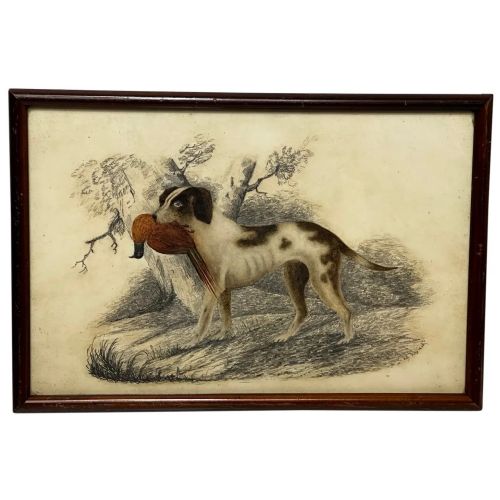


Brown Monochrome Framed Art
Brown monochrome framed art brings together rich sepia tones, ink washes, and classic oak framing to anchor a room with quiet historical depth.
Brown Monochrome Framed Art
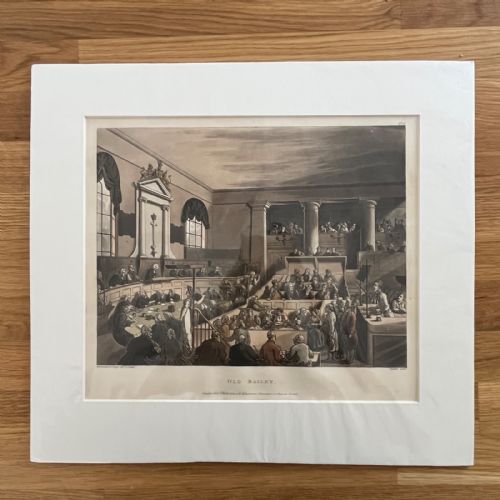
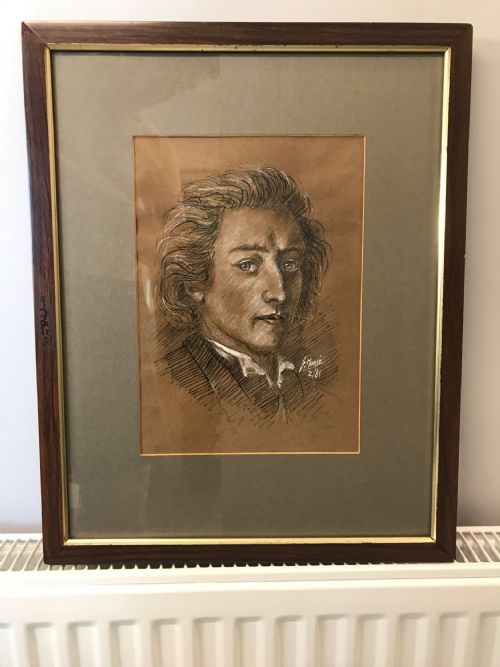
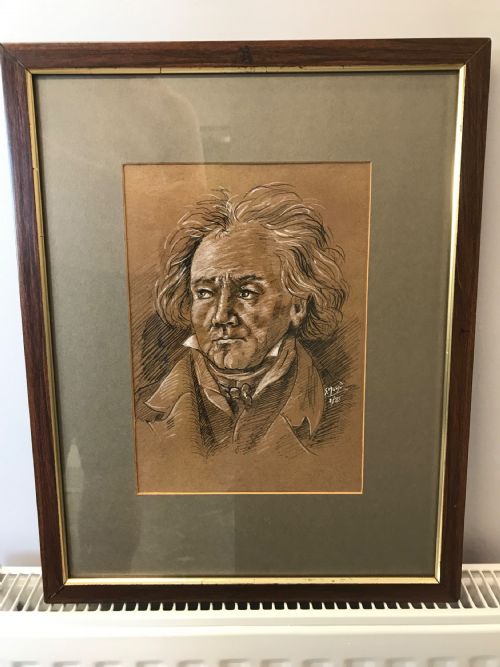
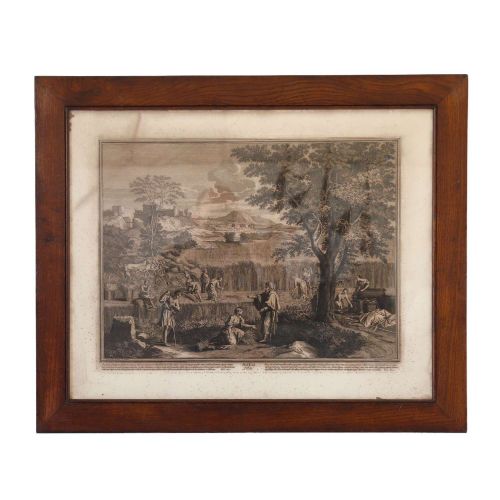
Brown monochrome framed art encompasses a diverse range of works spanning from the seventeenth century to the mid twentieth century, captured through mediums such as ink, wash, watercolour, and engraving. These pieces focus on a singular tonal palette of browns and sepias, offering a restrained visual focus that suits both traditional and modern interiors.
The selections on this page feature wall art, framed prints, oil paintings, and detailed portrait or landscape drawings. Common subjects include historical figures, classical compositions, maritime scenes, and architectural studies housed within protective glass and wooden frames.
Originating across multiple eras from the seventeenth century onward, these works reflect changing aesthetic values while maintaining a consistent commitment to monochromatic depth. Buyers encounter everything from early copper engravings to mid twentieth century portraits and coastal watercolours.
Materials and Technique
Artists relied primarily on paper, sepia ink, gouache, and watercolour applied with fine precision to create tonal depth without relying on a full spectrum of colour. Engravings utilised copper plates and specialised inks to transfer intricate lines onto paper.
Structural support came from wood, most notably oak, forming sturdy frames designed to protect delicate works under glass. These materials worked in tandem to preserve organic pigments and delicate paper substrates across centuries.
Brown Monochrome Framed Art Retail Price Guide 2026
Typical asking prices for brown monochrome framed art among the pieces listed under this phrase on Sellingantiques today, from the lower quarter to the upper quarter. They describe what is for sale here now, not the wider market.
Several pieces capture unexpected historical moments, including a portrait of George the Fourth's notorious mistress.
Assessing Quality
Quality rests upon the precision of the draughtsmanship, the stability of the paper or canvas substrate, and the integrity of the original framing materials. Finer works display confident linework, subtle tonal gradation, and skilled handling of shadow and light.
Condition plays a central role, with superior pieces showing minimal foxing, fading, or water damage to the paper and ink. The association with a documented artist or a distinct historical period further elevates the standing of an individual piece.
The Brown Monochrome Framed Art Glossary
- Monochrome
- A painting, drawing, or print executed in a single colour or varying shades of a single colour such as sepia or brown. This technique emphasises form, shadow, and line over chromatic variety.
- Gouache
- An opaque water-based paint consisting of pigment, water, and a binding agent such as gum arabic, often utilised alongside watercolour to add highlights.
- Engraving
- A printmaking technique where an image is incised into a metal plate, traditionally copper, which then holds ink for transfer under pressure onto paper.
- Sepia
- A reddish-brown pigment historically derived from the ink sac of the common cuttlefish, widely used for monochrome drawings and wash paintings.
Brown Monochrome Framed Art: Frequently Asked Questions
How do I hang brown monochrome art?
Ensure you use appropriate fixings suited to the weight of the wooden frame and the wall type. Position the artwork at eye level to best appreciate the fine details of the ink or watercolour.
Keep pieces away from direct sunlight to prevent the sepia inks and paper from fading over time.
What periods do these pieces cover?
The selection spans from the seventeenth century through the Victorian era up to the mid twentieth century. Each period brings distinct stylistic conventions, from baroque classicism to nineteenth century realism.
Reviewing the listed dates helps determine whether a piece originates from an early engraving tradition or a later modernist portrait.
How should I clean the glass?
Apply a mild glass cleaner to a soft cloth rather than spraying directly onto the frame. This prevents moisture from seeping under the glass and damaging the antique paper or ink.
Wipe gently and avoid pressing hard against the surface of the historic framing.
Are these works original?
The listings include original hand-drawn watercolours, pen and ink studies, and period copper engravings. Each medium carries distinct physical evidence of its creation process, such as plate marks on engravings.
Reading individual titles clarifies whether a piece is a unique hand-painted work or a period print.